What Is Arbutin and How Does It Work?

Arbutin is a natural skin-lightening compound derived from bearberry plants, along with pear and blueberry leaves. This gentle ingredient works by inhibiting tyrosinase, the key enzyme responsible for melanin production in your skin cells.
“Arbutin offers the dark spot-fighting power you need without the harsh side effects that cause permanent scarring.”
Unlike hydroquinone, which can cause irritation and rebound hyperpigmentation, arbutin provides a safer pathway to clearer skin. Two main forms exist: alpha-arbutin and beta-arbutin. Alpha-arbutin proves more stable and effective, making it the preferred choice for arbutin for dark spots treatments.
When you apply arbutin consistently, it gradually reduces existing dark spots while preventing new ones from forming. This makes it particularly valuable for those worried about lasting skin damage from acne or sun exposure.
Alpha vs Beta Arbutin: Which Should You Choose?

Understanding the difference between alpha and beta arbutin helps you choose the right treatment for your skin concerns. Alpha arbutin offers superior potency and stability, making it the preferred choice for stubborn dark spots and hyperpigmentation.
“Alpha arbutin is up to 10 times more effective than beta arbutin at inhibiting melanin production.”
Beta arbutin works more gently, making it ideal for sensitive skin types who worry about irritation or adverse reactions. This natural form derived from bearberry extract requires patience but reduces the risk of inflammation that could worsen scarring.
Concentration matters significantly. Alpha arbutin serums typically contain 1-2% active ingredients, while beta arbutin products range from 2-5%. For arbutin for dark spots, alpha arbutin shows visible results within 4-6 weeks, compared to beta arbutin's 8-12 week timeline. Start with beta arbutin if you have reactive skin, then consider upgrading to alpha arbutin for faster results.
How to Use Arbutin Serums Safely
Using arbutin for dark spots requires careful application to avoid irritation that could worsen pigmentation. Start with a serum containing 1-2% arbutin rather than jumping to higher concentrations that might cause unwanted reactions.
Apply a small amount behind your ear and wait 24 hours to check for sensitivity.
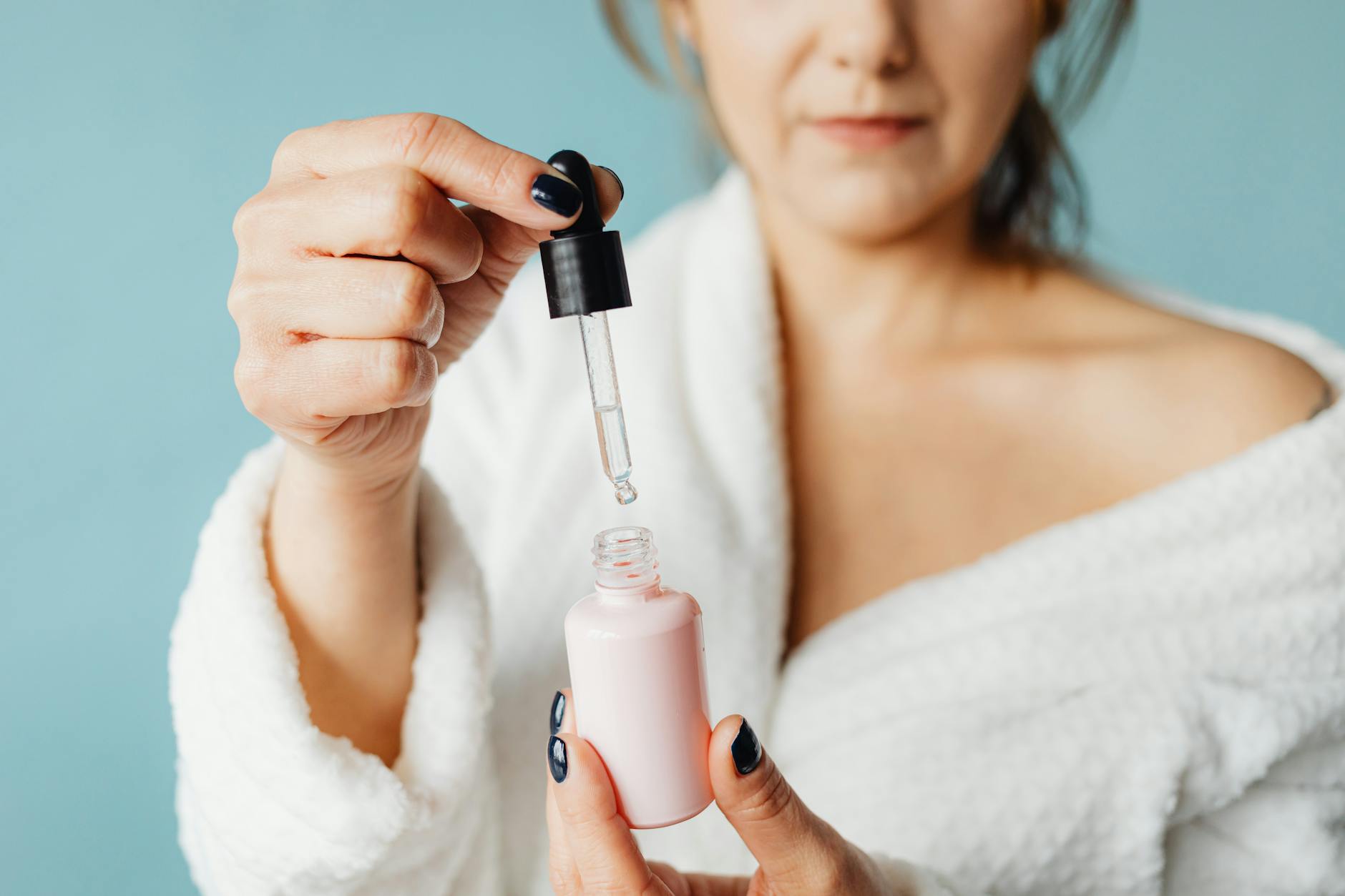
Use arbutin serum on freshly cleansed skin before heavier products like moisturizer.
Never skip SPF 30+ during the day when using arbutin treatments.
Avoid mixing arbutin with vitamin C, retinol, or AHA/BHA acids in the same routine, as these combinations can cause irritation. For example, use arbutin in your morning routine and retinol at night. This methodical approach prevents setbacks that could delay your progress toward clearer skin.
Expected Results and Timeline

Arbutin for dark spots works gradually, not overnight. Most people see initial improvements around 4-6 weeks of consistent use, with more significant results appearing at 8-12 weeks. The ingredient prevents new dark spots from forming while slowly fading existing ones.
Arbutin excels at treating post-acne marks and mild sun spots rather than deep scars or severe hyperpigmentation. While this won't eliminate permanent scarring concerns completely, consistent use prevents new discoloration from forming. Success requires patience and maintenance—stopping treatment often leads to gradual return of dark spots, especially without proper sun protection.
Who Should Consider Arbutin Treatment?
Arbutin works best for people with sensitive skin who can't tolerate stronger brightening ingredients. If you have reactive skin that turns red with retinoids or vitamin C, arbutin's gentle nature makes it an ideal choice for addressing dark spots without irritation.
Pregnant and nursing women often choose arbutin because it's considered safer than hydroquinone, which doctors recommend avoiding during pregnancy. While you should always consult your physician, arbutin provides peace of mind for expecting mothers concerned about ingredient safety.
Those seeking alternatives to hydroquinone find arbutin particularly appealing. People worried about potential side effects from stronger treatments can use arbutin for dark spots without the rebound hyperpigmentation risks associated with hydroquinone.
Arbutin suits individuals with mild to moderate hyperpigmentation best. If you have light brown spots, post-acne marks, or early signs of sun damage, arbutin can effectively address these concerns without causing permanent scarring that might result from harsher treatments.
Choose arbutin if you have sensitive skin, want gentle dark spot treatment, or need a safe alternative during pregnancy.
Frequently Asked Questions
What is arbutin and how does it work for dark spots?
Arbutin is a natural skin-lightening compound derived from bearberry plants, along with pear and blueberry leaves. It works by inhibiting tyrosinase, the key enzyme responsible for melanin production in your skin cells. When applied consistently, it gradually reduces existing dark spots while preventing new ones from forming, making it particularly valuable for those with acne or sun damage.
What's the difference between alpha and beta arbutin?
Alpha arbutin offers superior potency and stability, making it up to 10 times more effective than beta arbutin at inhibiting melanin production. Beta arbutin works more gently, making it ideal for sensitive skin types who worry about irritation. Alpha arbutin shows visible results within 4-6 weeks, while beta arbutin requires 8-12 weeks for results.
How long does it take to see results from arbutin serums?
Most people see initial improvements around 4-6 weeks of consistent use, with more significant results appearing at 8-12 weeks. Arbutin works gradually, not overnight, preventing new dark spots from forming while slowly fading existing ones. Studies show up to 30% lightening in 12 weeks with consistent use.
Can I use arbutin with other skincare ingredients?
You should avoid mixing arbutin with vitamin C, retinol, or AHA/BHA acids in the same routine, as these combinations can cause irritation. For example, use arbutin in your morning routine and retinol at night. Always follow arbutin application with SPF 30+ during the day when using these treatments.
How do I safely start using arbutin for dark spots?
Start with a serum containing 1-2% arbutin rather than jumping to higher concentrations that might cause unwanted reactions. Always patch test first by applying a small amount behind your ear and waiting 24 hours to check for sensitivity. Apply arbutin serum to freshly cleansed skin before heavier products like moisturizer, and never skip SPF 30+ during the day.
Disclaimer: This content is for informational purposes only and does not constitute medical advice. Always consult a qualified healthcare provider before making health decisions.