Understanding Your Dark Spot Treatment Goals

Before diving into any treatment routine, it's crucial to understand what you're actually dealing with and what realistic outcomes look like. Dark spots come in different forms, and not all respond equally to at-home treatments.
Post-inflammatory hyperpigmentation (PIH) from acne typically responds well to topical treatments, as does melasma and age spots caused by sun damage. However, deeper pigmentation issues may require professional intervention. Understanding your specific type helps set appropriate expectations and prevents the frustration that leads many people to abandon their routines too early.
“Consistency beats intensity when it comes to fading dark spots safely and effectively.”
Timeline expectations matter enormously for success. Most people see initial improvements around 6-8 weeks, with significant results appearing after 12-16 weeks of consistent use. This timeline often surprises beginners who expect faster results, but skin cell turnover naturally takes time.
Your skin won't become permanently scarred from dark spots themselves, though picking or aggressive treatments can cause damage. The key lies in patience and gentle persistence rather than harsh, quick fixes that often backfire.
Morning Dark Spot Routine Protocol

Your morning routine sets the foundation for dark spot prevention and treatment success. The key lies in gentle preparation and robust protection against UV damage, which can worsen existing discoloration and create new spots.
Use a mild, non-abrasive cleanser with lukewarm water to remove overnight buildup without irritating healing skin.
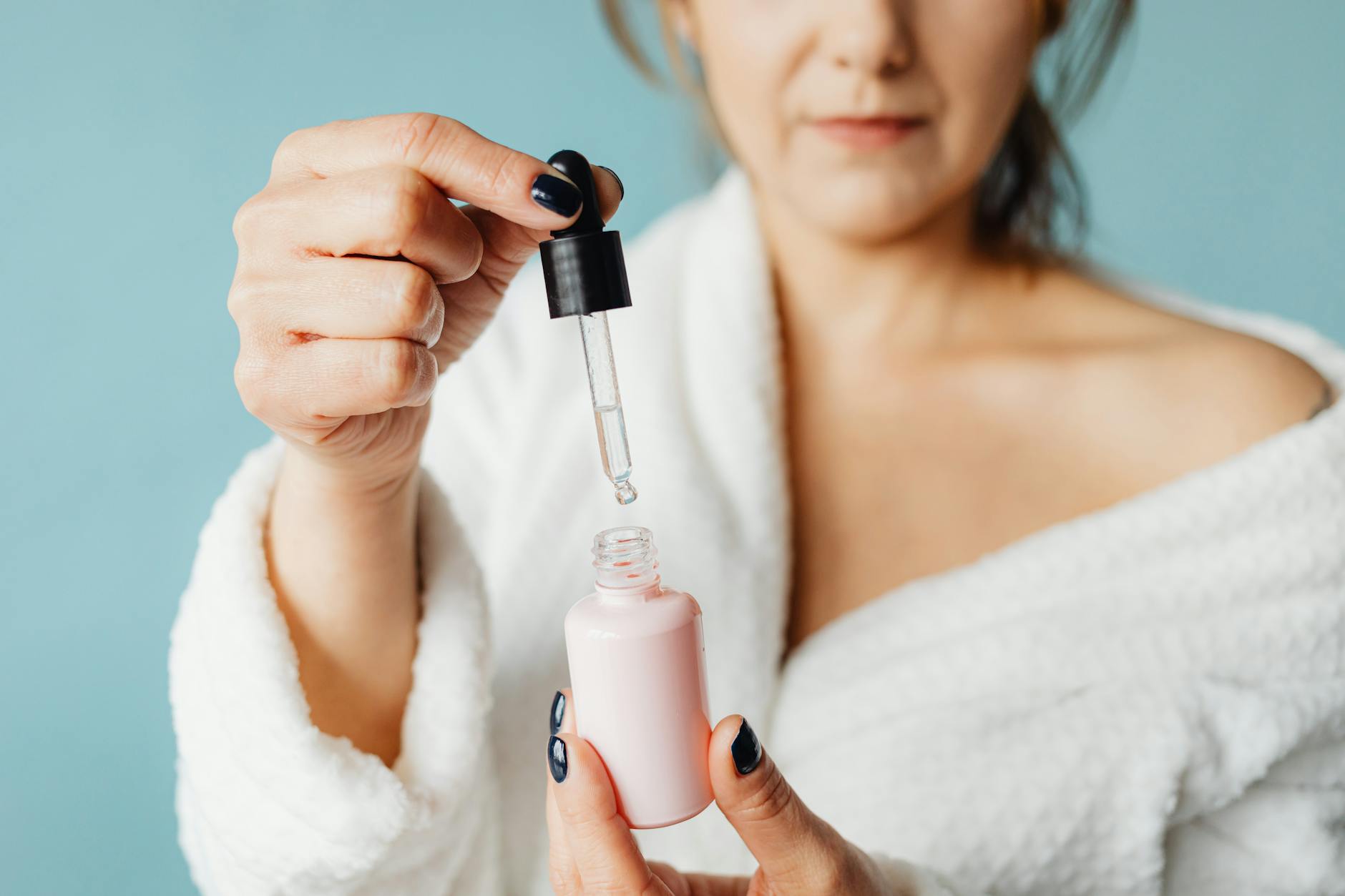
Apply vitamin C serum to clean, dry skin and wait 10-15 minutes before layering other products.
Choose a lightweight, non-comedogenic moisturizer that won't clog pores or interfere with sunscreen application.
Apply broad-spectrum SPF 30 or higher as your final step, covering all exposed areas including neck and ears.
Timing matters significantly with vitamin C serums. Apply them on freshly cleansed skin for maximum penetration, then allow adequate absorption time before adding moisturizer. This prevents pilling and ensures the active ingredients reach your skin effectively.
“Sunscreen isn't optional when treating dark spots—it's the most critical step in preventing new discoloration.”
Remember that consistency trumps perfection. Following this routine daily, even when you're staying indoors, helps maintain progress and prevents setbacks that could extend your treatment timeline.
Evening Treatment Routine Steps
Your evening routine is where the real transformation happens. While morning routines focus on protection, nighttime is when you can safely use powerful ingredients that actively target dark spots without worrying about sun sensitivity.
Start with an oil-based cleanser to remove sunscreen and makeup, then follow with a gentle water-based cleanser to eliminate remaining impurities.
Use vitamin C serum or glycolic acid 2-3 times weekly, starting with lower concentrations to build tolerance.
Apply retinol or prescription retinoid after your skin has dried completely, starting with every other night.
Layer a hyaluronic acid serum followed by a ceramide-rich moisturizer to support your skin barrier overnight.
Start slowly with active ingredients. Your skin needs time to adjust, and pushing too hard too fast can cause irritation that actually worsens dark spots. For example, begin with retinol twice weekly for the first month, then gradually increase frequency as your skin adapts.
Remember that consistency beats intensity. A gentle routine followed religiously will deliver better results than aggressive treatments used sporadically. Most people see noticeable improvements in dark spots after 6-8 weeks of consistent evening treatment.
Weekly Intensive Treatments
Your daily routine handles the basics, but weekly intensive treatments accelerate dark spot fading without risking permanent scarring. These stronger treatments work deeper than daily products but require careful timing and monitoring.
Use AHA or BHA treatments once or twice weekly, starting with lower concentrations like 10% glycolic acid.
Use vitamin C or kojic acid masks for 10-15 minutes weekly to boost spot-lightening ingredients.
Watch for excessive redness, peeling, or irritation and reduce frequency if these occur.
Timing matters significantly. Never combine chemical exfoliants with retinoids on the same day, as this combination can cause severe irritation. Schedule professional treatments like chemical peels during cooler months when sun exposure is minimal.
Your skin will tell you if you're pushing too hard. Mild tingling during application is normal, but burning, excessive flaking, or darkening spots indicate you need to step back. For example, if your skin feels tight and looks red the day after using a glycolic acid mask, wait an extra week before the next treatment.
Professional treatments work faster but cost more. At-home alternatives like 20% vitamin C masks provide gentler results over longer periods.
Common Routine Mistakes and Solutions

Many people sabotage their dark spot treatment progress without realizing it. Understanding these common pitfalls helps you avoid setbacks that could delay results or worsen your skin condition.
Over-exfoliation ranks as the biggest mistake beginners make. Using chemical exfoliants daily or combining multiple acids creates irritation, redness, and paradoxically more dark spots. Start with exfoliating twice weekly maximum, then gradually increase frequency only if your skin tolerates it well.
Inconsistent application undermines treatment effectiveness. Skipping treatments for several days, then overcompensating with extra product creates an irregular cycle your skin cannot adapt to. Set phone reminders and treat your routine like medication—same time, same amount, every day.
Sun protection failures represent the most critical error. Going outdoors without SPF 30+ sunscreen allows UV rays to darken existing spots and create new ones faster than treatments can lighten them. For example, a single beach day without protection can undo weeks of progress.
Ingredient conflicts cause unnecessary irritation. Mixing retinol with vitamin C in the same routine, or layering multiple acids together, creates chemical reactions that inflame skin. Separate conflicting ingredients by using them at different times or alternating days to maximize benefits while minimizing irritation.
Monitoring Progress and Adjusting Your Routine
Tracking your progress prevents discouragement and helps you make smart adjustments. Take photos in consistent lighting every two weeks, using the same angle and distance. Natural daylight near a window works best for accurate documentation.
Take photos every two weeks in identical lighting and positioning.
Note initial improvements at 4-6 weeks and significant changes at 12 weeks.
Scale back if irritation persists or intensify if no progress after 8 weeks.
Most people see initial improvements between 4-6 weeks, with notable results by 12 weeks. If your skin shows persistent irritation after two weeks, reduce treatment frequency. Conversely, if you notice no change after eight weeks, consider adding a stronger ingredient or increasing application frequency.
Schedule a dermatologist consultation if you experience severe irritation, new dark spots appearing faster than old ones fade, or no improvement after three months of consistent treatment.
Consistent photo documentation and patience with the 12-week timeline will guide you toward successful dark spot treatment without permanent scarring.
Frequently Asked Questions
How long does it take to see results when treating dark spots?
Most people see initial improvements around 6-8 weeks, with significant results appearing after 12-16 weeks of consistent use. This timeline often surprises beginners who expect faster results, but skin cell turnover naturally takes time. Consistency beats intensity when it comes to fading dark spots safely and effectively.
What types of dark spots respond best to at-home treatments?
Post-inflammatory hyperpigmentation (PIH) from acne typically responds well to topical treatments, as does melasma and age spots caused by sun damage. However, deeper pigmentation issues may require professional intervention. Understanding your specific type helps set appropriate expectations and prevents frustration.
Do I need to wear sunscreen when treating dark spots?
Yes, sunscreen isn't optional when treating dark spots—it's the most critical step in preventing new discoloration. You should apply broad-spectrum SPF 30 or higher as your final morning step, covering all exposed areas including neck and ears. Following this routine daily, even when staying indoors, helps maintain progress and prevents setbacks.
How should I apply vitamin C serum for dark spots?
Apply vitamin C serum to clean, dry skin and wait 10-15 minutes before layering other products. Apply them on freshly cleansed skin for maximum penetration, then allow adequate absorption time before adding moisturizer. This prevents pilling and ensures the active ingredients reach your skin effectively.
Will dark spots permanently scar my skin?
Your skin won't become permanently scarred from dark spots themselves, though picking or aggressive treatments can cause damage. The key lies in patience and gentle persistence rather than harsh, quick fixes that often backfire.
Disclaimer: This content is for informational purposes only and does not constitute medical advice. Always consult a qualified healthcare provider before making health decisions.