What Is Kojic Acid and How Does It Work?

Kojic acid is a natural compound derived from fungi, particularly species like Aspergillus oryzae, which is commonly used in fermented foods like sake and soy sauce. The scientific name for this powerful ingredient is 5-hydroxy-2-(hydroxymethyl)-4H-pyran-4-one, but you don't need to memorize that tongue-twister to understand its benefits for your skin.
“Kojic acid works by targeting the root cause of dark spots rather than just covering them up.”
The magic happens at the cellular level through a process called tyrosinase inhibition. Tyrosinase is the enzyme responsible for producing melanin, the pigment that gives your skin its color. When this enzyme becomes overactive due to sun damage, acne scarring, or hormonal changes, it creates those frustrating dark spots that can make you feel self-conscious about your appearance.
Kojic acid blocks tyrosinase activity, effectively reducing melanin production in targeted areas. Think of it like turning down the dimmer switch on pigment production. For example, if you have post-acne marks from a recent breakout, kojic acid can help fade these spots over time by preventing new melanin from forming while allowing existing pigment to naturally shed away through your skin's renewal process.
How to Choose the Right Kojic Acid Product

Start with products containing 1-2% kojic acid to minimize irritation while your skin builds tolerance. Higher concentrations might seem appealing for faster results, but they often cause redness and peeling that can temporarily worsen your appearance—the opposite of what you want when dealing with dark spots.
“Starting with lower concentrations prevents the irritation that can make dark spots more noticeable before they improve.”
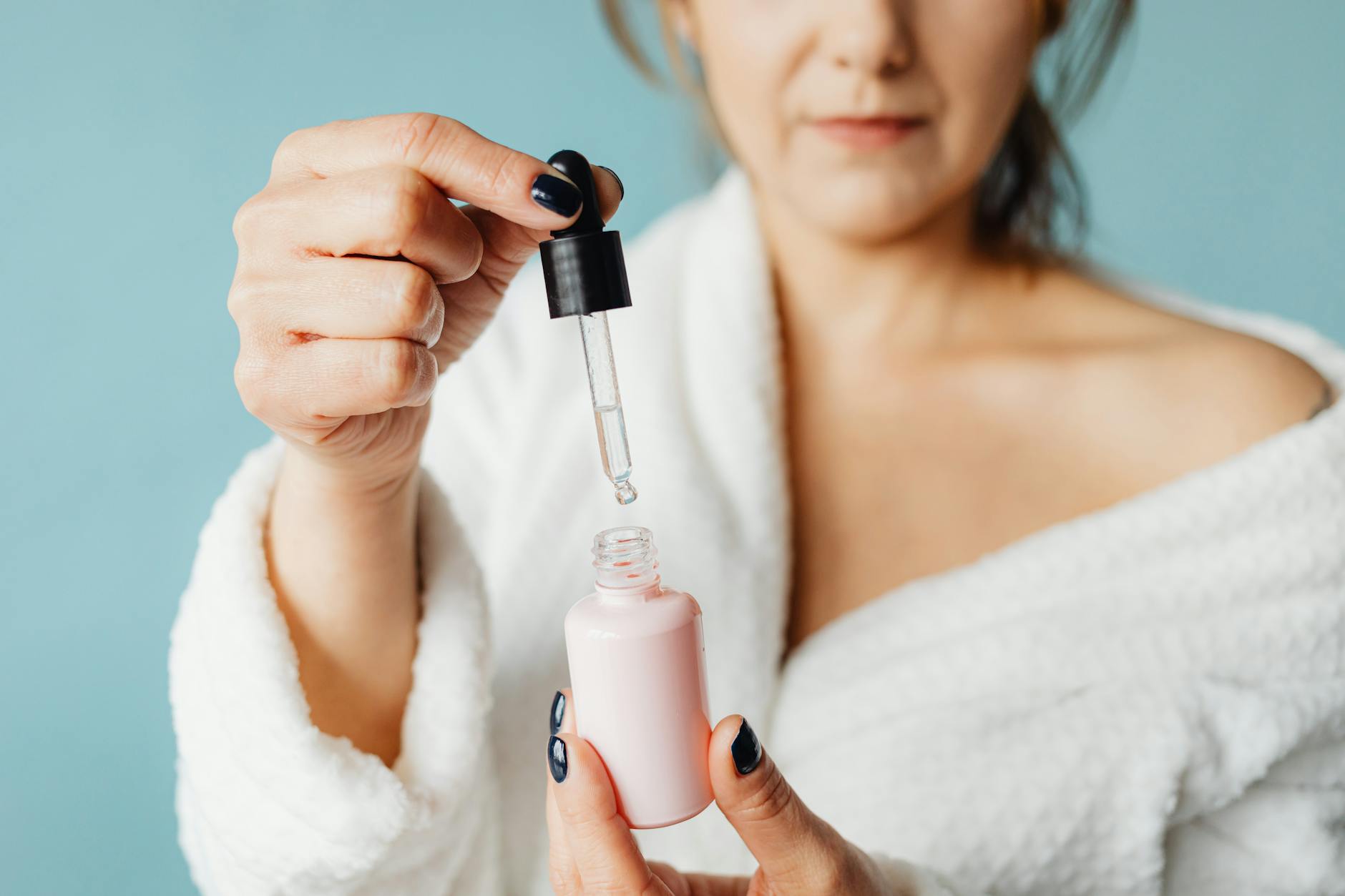
Kojic acid comes in three main formats: serums absorb quickly and work well under moisturizer, creams provide hydration alongside treatment, and masks offer intensive weekly treatments. Serums work best for daily use, especially if you have oily skin.
Check ingredient labels carefully. Look for kojic acid listed within the first five ingredients, indicating meaningful concentration. Avoid products combining kojic acid with retinol, glycolic acid, or salicylic acid initially—these combinations increase irritation risk.
For example, The Ordinary's Alpha Arbutin 2% + HA serum pairs gentler alpha arbutin with kojic acid, making it ideal for beginners. Products with niacinamide alongside kojic acid actually reduce irritation while boosting brightening effects. Choose fragrance-free formulations to prevent additional sensitivity reactions that could delay your progress toward clear skin.
Step-by-Step Application Guide
Starting kojic acid treatments requires a methodical approach to avoid irritation and achieve the clear skin you want. The key lies in proper preparation and gradual introduction to your routine.
Apply a small amount to your inner wrist or behind your ear, wait 24-48 hours, and check for any redness or irritation.
Begin with every other night application for the first week, then gradually increase to nightly use as your skin adjusts.
Use kojic acid on freshly cleansed skin before heavier products like moisturizers or oils.
Apply a gentle moisturizer to prevent dryness and maintain your skin barrier.
Never skip sun protection when using kojic acid treatments. Apply broad-spectrum SPF 30 or higher every morning, even on cloudy days. Kojic acid increases photosensitivity, making your skin more vulnerable to UV damage and potential darkening of existing spots.
For example, if you notice mild tingling during your first applications, this is normal. However, stop use immediately if you experience burning, severe redness, or peeling that doesn't subside within a day.
What to Expect: Timeline and Results
Most people see their first improvements around 4 to 6 weeks of consistent kojic acid use. Your skin will gradually look brighter and more even, with dark spots becoming lighter and less noticeable. Some individuals notice changes as early as 2 weeks, while others may need up to 8 weeks for visible results.
Several factors influence how quickly you see improvements. Your skin type, the severity of hyperpigmentation, and product concentration all play roles. Sun exposure can slow progress significantly, which is why daily sunscreen remains essential throughout treatment.
If you don't see any changes after 8 weeks of consistent use, consider switching to a higher concentration product or consulting a dermatologist. Remember that kojic acid treatments require patience - rushing with stronger concentrations increases irritation risk without necessarily speeding up results.
Common Mistakes and How to Avoid Them

Even with the best intentions, many people sabotage their kojic acid treatment without realizing it. Understanding these common pitfalls helps you avoid setbacks that could delay your progress or worsen your skin concerns.
Overusing kojic acid products ranks as the biggest mistake beginners make. More doesn't mean faster results—it means irritation, redness, and potential scarring. Start with twice-weekly applications and gradually increase frequency only if your skin tolerates it well. If you notice stinging or excessive dryness, scale back immediately.
Skipping sun protection completely undermines your treatment. Kojic acid makes your skin photosensitive, meaning UV exposure can actually darken spots instead of lightening them. Apply broad-spectrum SPF 30 every morning, even on cloudy days. Think of sunscreen as part of your treatment, not an optional extra.
Mixing kojic acid with retinoids, benzoyl peroxide, or alpha hydroxy acids creates a recipe for irritation. These combinations can strip your skin barrier and cause the very scarring you're trying to prevent. Stick to gentle, hydrating products alongside your kojic acid treatment.
Finally, expecting overnight miracles leads to disappointment and treatment abandonment. Visible improvements typically take 4-6 weeks with consistent use.
Next Steps in Your Dark Spot Treatment Journey
After six to eight weeks of consistent kojic acid use, evaluate your progress. If stubborn spots persist, stronger prescription treatments like hydroquinone or tretinoin may be necessary. These require dermatologist supervision but can tackle deeper pigmentation that over-the-counter options cannot reach.
Kojic acid works exceptionally well when combined with vitamin C serum in the morning and niacinamide at night. This triple approach targets different pathways of pigmentation while minimizing irritation. Gentle exfoliation with lactic acid once weekly can enhance penetration and speed results.
Professional treatments offer faster results for severe discoloration. Chemical peels, laser therapy, and microneedling can address deep scarring that might otherwise become permanent. These procedures complement your at-home routine and provide confidence-boosting improvements within months rather than years.
Remember that consistency beats intensity. Gradual improvement prevents the social embarrassment of dramatic peeling while building lasting results. Your dermatologist can create a comprehensive plan that combines multiple approaches safely.
Combine kojic acid with complementary ingredients and professional treatments for comprehensive dark spot management that delivers lasting results.
Frequently Asked Questions
What is kojic acid and how does it work for dark spots?
Kojic acid is a natural compound derived from fungi like Aspergillus oryzae, commonly found in fermented foods like sake and soy sauce. It works by blocking tyrosinase, the enzyme responsible for producing melanin, effectively reducing pigment production in targeted areas. This helps fade dark spots caused by sun damage, acne scarring, or hormonal changes by preventing new melanin formation while allowing existing pigment to naturally shed away.
What concentration of kojic acid should I start with?
You should start with products containing 1-2% kojic acid to minimize irritation while your skin builds tolerance. Higher concentrations might seem appealing for faster results, but they often cause redness and peeling that can temporarily worsen your appearance. Starting with lower concentrations prevents the irritation that can make dark spots more noticeable before they improve.
How should I apply kojic acid to my skin?
Start by performing a patch test on your inner wrist or behind your ear, waiting 24-48 hours to check for irritation. Begin with every other night application for the first week, then gradually increase to nightly use as your skin adjusts. Always apply kojic acid to freshly cleansed skin before heavier products like moisturizers or oils.
What ingredients should I avoid combining with kojic acid?
You should avoid products that combine kojic acid with retinol, glycolic acid, or salicylic acid initially, as these combinations increase irritation risk. Instead, look for products that pair kojic acid with gentler ingredients like alpha arbutin or niacinamide, which can actually reduce irritation while boosting brightening effects. Choose fragrance-free formulations to prevent additional sensitivity reactions.
What forms does kojic acid come in and which is best for daily use?
Kojic acid comes in three main formats: serums, creams, and masks. Serums absorb quickly and work well under moisturizer, making them ideal for daily use, especially if you have oily skin. Creams provide hydration alongside treatment, while masks offer intensive weekly treatments for more targeted care.
Disclaimer: This content is for informational purposes only and does not constitute medical advice. Always consult a qualified healthcare provider before making health decisions.