Understanding Laser Treatment for Dark Spots

Laser treatments work by delivering concentrated light energy that specifically targets melanin, the pigment responsible for dark spots. Unlike topical creams that work slowly from the surface, lasers penetrate deeper into your skin to break down excess pigment clusters at their source. This targeted approach makes laser therapy significantly faster and often more effective than traditional treatments.
“Lasers penetrate deeper into your skin to break down excess pigment clusters at their source.”
The laser energy fragments the melanin into tiny particles that your body's natural healing process gradually eliminates. This controlled process reduces the risk of permanent scarring when performed by qualified professionals, addressing one of the most common concerns patients have about laser treatments.
Age spots, sun damage, and post-inflammatory hyperpigmentation from acne respond best to laser therapy. Melasma, however, requires more careful consideration since hormonal factors can cause it to return. Fresh dark spots typically clear faster than older, deeper pigmentation that has had years to settle into the skin layers.
For example, a recent sun spot might fade completely after 2-3 sessions, while a decade-old age spot could require 4-6 treatments. The key difference lies in how long the pigment has been deposited and how deeply it extends into your skin.
Types of Laser Treatments for Hyperpigmentation

When it comes to laser treatments for dark spots, dermatologists have several proven options to choose from. Each type works differently and targets specific pigmentation concerns, so understanding your choices helps you make the right decision for your skin.
IPL (Intense Pulsed Light) serves as the gentlest entry point for treating hyperpigmentation. Despite its name, IPL isn't technically a laser but uses broad-spectrum light to break down melanin clusters. This treatment works particularly well for sun spots and age spots across larger areas like the face, chest, and hands. Most patients need three to five sessions spaced three weeks apart.
“The key to successful laser treatment lies in matching the right technology to your specific type of hyperpigmentation.”
Q-switched lasers deliver short, powerful pulses that specifically target pigmented cells without damaging surrounding tissue. These lasers excel at treating stubborn melasma, post-inflammatory hyperpigmentation from acne, and deeper pigmentation issues. The precision of Q-switched technology significantly reduces the risk of scarring that many patients worry about.
Fractional lasers take a different approach by creating controlled micro-injuries in the skin, stimulating natural healing and cell turnover. This method works best for combination concerns like hyperpigmentation mixed with texture issues, fine lines, or mild scarring. Recovery takes longer than other options, typically five to seven days of downtime.
Your dermatologist will recommend the most suitable treatment based on your pigmentation type, skin tone, and lifestyle factors. Darker skin tones typically respond better to Q-switched lasers, while lighter skin can safely use any of these options.
What to Expect During Treatment
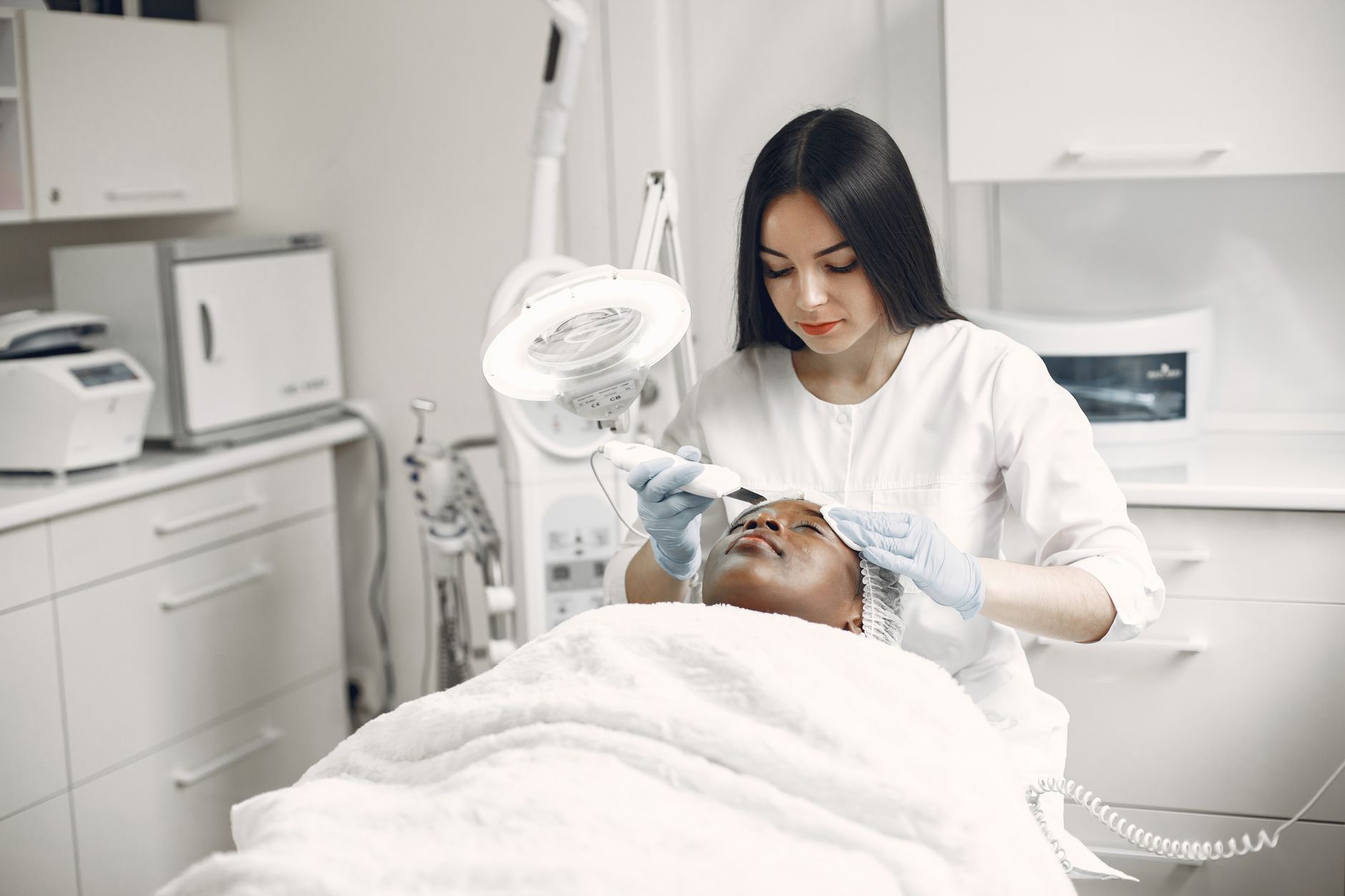
Your laser treatment journey begins with a thorough consultation where your dermatologist examines your skin type, hyperpigmentation severity, and medical history. They'll determine which laser works best for your specific concerns and create a personalized treatment plan. This assessment helps prevent complications and ensures the safest approach for your skin.
Your skin gets cleaned and protective eyewear is applied before the laser session begins.
The device delivers controlled light pulses to target areas while you feel mild heat or snapping sensations.
Cooling gel or ice packs soothe treated areas and specific aftercare instructions are provided.
Most patients need 3-6 sessions spaced 4-6 weeks apart for optimal results. Gentle lasers like IPL require more sessions, while stronger options like CO2 may need fewer treatments. You'll notice initial improvements within 2-3 weeks, with full results appearing after completing your entire treatment series.
The actual treatment feels like rubber band snaps against your skin. Sessions last 15-45 minutes depending on the treatment area size. Your skin may appear red immediately after, similar to a mild sunburn, but this typically resolves within 24-48 hours without causing permanent scarring when performed properly.
Preparing for Laser Treatment
Proper preparation significantly reduces your risk of complications and improves treatment outcomes. Your dermatologist will provide specific guidelines, but understanding these general requirements helps you plan ahead and minimize any concerns about scarring or poor results.
Begin strict sun avoidance and SPF 30+ sunscreen use four weeks before treatment.
Stop retinoids, glycolic acid, and salicylic acid products one week prior to prevent excessive skin sensitivity.
Pause chemical peels, microdermabrasion, and waxing two weeks beforehand to allow skin healing.
Your skin should appear calm and healthy on treatment day. Avoid picking or scrubbing the treatment area during your preparation period. Some patients worry about making their skin worse, but following these steps actually protects you from complications.
Schedule your appointment when you can avoid sun exposure afterward. Many people choose fall or winter treatments to make sun avoidance easier during the healing process.
Post-Treatment Care and Recovery

Your skin will look red and feel sensitive immediately after laser treatment—this is completely normal. Think of it like a sunburn that gradually fades over 3-7 days. Some patients also notice temporary darkening of treated spots before they lighten, which can understandably cause concern but indicates the treatment is working.
Use lukewarm water and a mild cleanser for the first week—no scrubbing or exfoliating products.
Apply a fragrance-free moisturizer 2-3 times daily to prevent peeling and promote healing.
Sun protection is non-negotiable for 4-6 weeks to prevent new pigmentation from forming.
Avoid makeup for 24-48 hours and skip retinoids or acids for one week. Contact your dermatologist immediately if you develop blistering, severe pain, or signs of infection—these symptoms require prompt attention to prevent scarring.
Is Laser Treatment Right for You?
Laser treatments work best for individuals with lighter skin tones and stable hyperpigmentation that hasn't responded to topical treatments. If you have active acne, recent sun exposure, or darker skin, your dermatologist may recommend waiting or trying gentler alternatives first like chemical peels or prescription retinoids.
Setting realistic expectations prevents disappointment and potential scarring concerns. Most patients need multiple sessions spaced weeks apart to see significant improvement. Complete pigment removal isn't always possible, but substantial lightening typically occurs within three to six months of treatment completion.
Consult a board-certified dermatologist to evaluate your skin type and create a personalized treatment plan that minimizes risks while maximizing results.
Frequently Asked Questions
How do laser treatments work for dark spots?
Laser treatments deliver concentrated light energy that specifically targets melanin, the pigment responsible for dark spots. The laser energy penetrates deeper into your skin to break down excess pigment clusters at their source, unlike topical creams that work slowly from the surface. The laser energy fragments the melanin into tiny particles that your body's natural healing process gradually eliminates.
What types of dark spots respond best to laser treatment?
Age spots, sun damage, and post-inflammatory hyperpigmentation from acne respond best to laser therapy. Melasma requires more careful consideration since hormonal factors can cause it to return. Fresh dark spots typically clear faster than older, deeper pigmentation that has had years to settle into the skin layers.
What's the difference between IPL and Q-switched lasers for pigmentation?
IPL (Intense Pulsed Light) is the gentlest option that uses broad-spectrum light to break down melanin clusters, working particularly well for sun spots and age spots across larger areas. Q-switched lasers deliver short, powerful pulses that specifically target pigmented cells without damaging surrounding tissue, excelling at treating stubborn melasma and deeper pigmentation issues. The precision of Q-switched technology significantly reduces the risk of scarring.
How many laser sessions are needed to remove dark spots?
The number of sessions depends on the age and depth of the pigmentation. A recent sun spot might fade completely after 2-3 sessions, while a decade-old age spot could require 4-6 treatments. Most IPL patients need three to five sessions spaced three weeks apart for optimal results.
Disclaimer: This content is for informational purposes only and does not constitute medical advice. Always consult a qualified healthcare provider before making health decisions.