What Are Post-Acne Dark Spots?

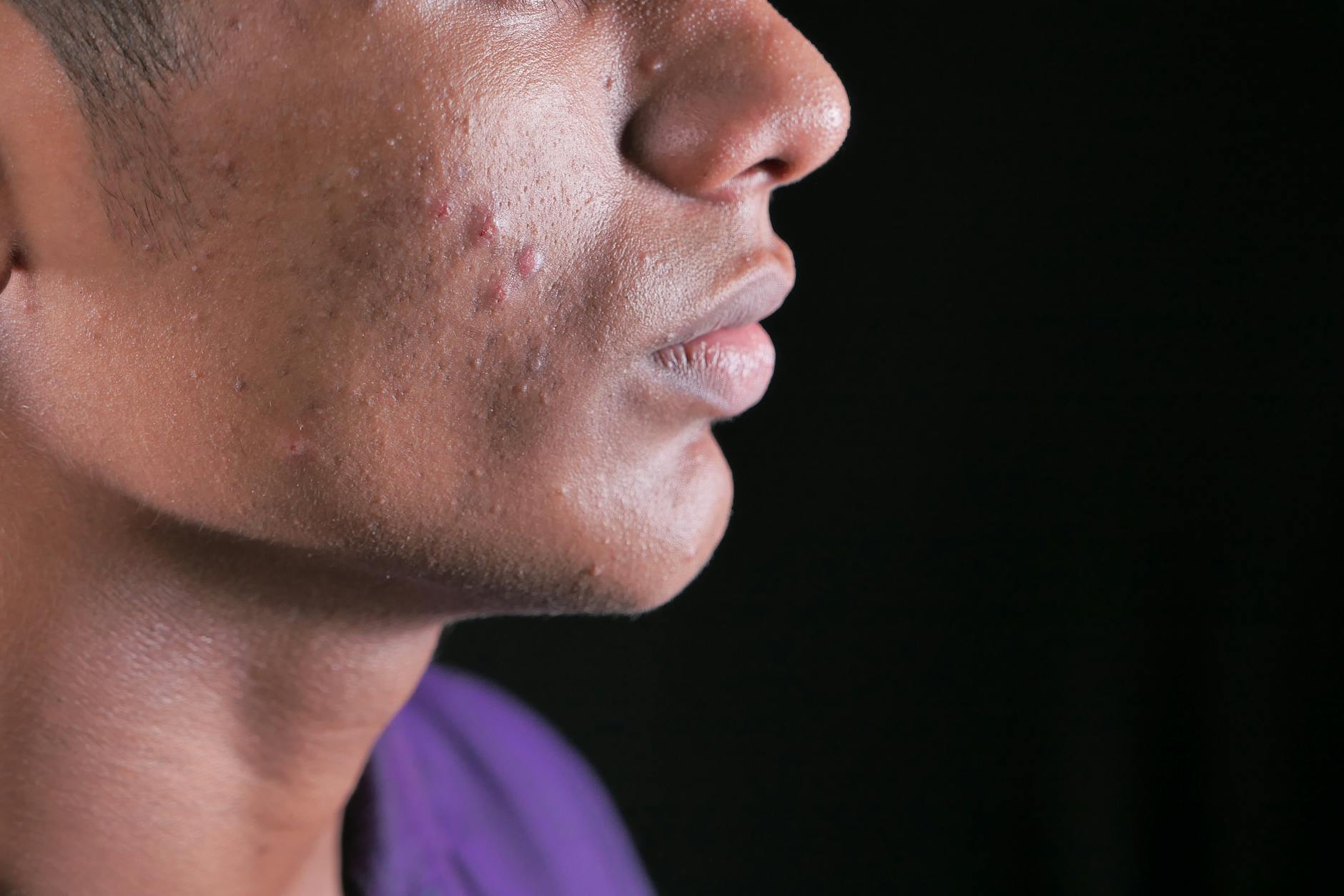
Post-acne dark spots are flat, discolored marks that remain after pimples heal. Unlike active breakouts with raised bumps and inflammation, these spots appear as brown, red, or purple patches on your skin's surface. They're not actual scars but rather areas where your skin produced extra pigment during the healing process.
“Post-acne dark spots are your skin's natural response to inflammation, not permanent damage.”
Your skin creates these marks as a protective response when acne damages tissue. The inflammation triggers melanocytes to produce excess melanin, creating the darker appearance. This process, called post-inflammatory hyperpigmentation, is completely normal and temporary.
Most dark spots naturally fade within three to six months without treatment, though deeper pigmentation may take up to two years. The good news is these marks will eventually disappear on their own, and proper treatment can significantly speed up the process.
Active Ingredient Treatments That Work

Several proven ingredients can fade post-acne dark spots, but patience remains essential. These treatments work by either preventing new pigmentation or accelerating skin cell renewal to remove existing discoloration.
“Consistent use of proven ingredients delivers better results than switching products frequently.”
Vitamin C serums protect against future darkening by neutralizing free radicals that trigger pigmentation. Apply 10-20% L-ascorbic acid formulations each morning under sunscreen. Retinoids like tretinoin accelerate cell turnover, pushing pigmented cells to the surface faster. Start with over-the-counter retinol twice weekly to build tolerance.
Niacinamide reduces inflammation that worsens dark spots while regulating melanin production. This gentle 5-10% concentration works well for sensitive skin. Alpha hydroxy acids like glycolic acid exfoliate dead, pigmented cells. Begin with 5% formulations once weekly.
While these spots won't disappear overnight, most people see noticeable fading within 6-12 weeks of consistent use. Your skin isn't permanently damaged—these marks will fade with proper treatment.
Professional Treatment Options
When at-home treatments aren't delivering the results you need, professional treatments can accelerate your journey to clear skin. These options work faster than topical products because they penetrate deeper and use stronger concentrations.
Chemical peels remove damaged skin layers more aggressively than home products. Medium-depth peels containing glycolic or salicylic acid can significantly lighten dark spots within weeks. Your dermatologist will customize the strength based on your skin type and concerns.
Microneedling creates controlled micro-injuries that trigger natural collagen production, helping fade discoloration from within. This treatment works especially well for stubborn spots that resist topical treatments.
Consider professional help if you've used consistent at-home treatments for three months without improvement, or if dark spots are causing significant emotional distress. Remember, these marks aren't permanent scars—they're treatable pigmentation that responds well to professional intervention.
Building Your Treatment Routine

Creating an effective routine requires strategic timing and careful layering. While you may worry about permanent scarring, a consistent approach helps dark spots fade safely over time.
Apply vitamin C serum followed by moisturizer and broad-spectrum SPF 30+ sunscreen.
Use retinol or AHA products after cleansing, always followed by moisturizer.
Start actives every third night, gradually increasing frequency as your skin tolerates them.
Never mix retinol with acids in the same application, and avoid skipping sunscreen—UV exposure darkens existing spots and prevents healing. Start with one active ingredient before adding others. For example, use retinol alone for two weeks before introducing vitamin C.
Timeline and What to Expect
Understanding your treatment timeline helps reduce anxiety about permanent scarring and sets realistic expectations. Most people notice initial improvements in dark spots after 4-6 weeks of consistent treatment. Your skin's natural cell turnover cycle takes approximately 28 days, so patience during the first month is essential.
Full treatment requires 3-6 months for significant fading, with some stubborn spots taking up to a year. Take weekly photos in consistent lighting to track progress, as daily changes are subtle. If you see no improvement after 8 weeks, consider adjusting your routine or consulting a dermatologist.
Consistent daily treatment for 4-6 weeks shows initial results, but complete dark spot fading takes 3-6 months of patience and persistence.
Frequently Asked Questions
What are post-acne dark spots?
Post-acne dark spots are flat, discolored marks that remain after pimples heal, appearing as brown, red, or purple patches on your skin's surface. They're not actual scars but rather areas where your skin produced extra pigment during the healing process. This occurs when inflammation triggers melanocytes to produce excess melanin, creating the darker appearance through a process called post-inflammatory hyperpigmentation.
How long do post-acne dark spots take to fade naturally?
Most dark spots naturally fade within three to six months without treatment, though deeper pigmentation may take up to two years. These marks will eventually disappear on their own since they're temporary and not permanent damage. Proper treatment can significantly speed up the fading process.
What ingredients help fade post-acne dark spots?
Vitamin C serums (10-20% L-ascorbic acid) protect against future darkening, while retinoids like tretinoin accelerate cell turnover to push pigmented cells to the surface faster. Niacinamide (5-10% concentration) reduces inflammation and regulates melanin production, making it gentle for sensitive skin. Alpha hydroxy acids like glycolic acid (starting with 5% formulations) exfoliate dead, pigmented cells effectively.
How long does it take to see results from dark spot treatments?
Most people see noticeable fading within 6-12 weeks of consistent use with topical treatments. Professional treatments like chemical peels can show 70% improvement in just 6 treatments and work faster than at-home products. Results depend on consistent application and the depth of the pigmentation.
When should I consider professional treatment for dark spots?
Consider professional help if you've used consistent at-home treatments for three months without improvement, or if dark spots are causing significant emotional distress. Professional treatments like chemical peels and microneedling work faster than topical products because they penetrate deeper and use stronger concentrations. These treatments typically require 4-6 sessions and can cost around $150 per peel on average.
Disclaimer: This content is for informational purposes only and does not constitute medical advice. Always consult a qualified healthcare provider before making health decisions.