Quick Verdict: When to Choose Each

Choose eye serums when you need targeted treatment for specific concerns like dark circles, puffiness, or fine lines. Their lightweight, concentrated formulas penetrate deeper and work faster, making them ideal for younger skin or anyone wanting quick results without heavy textures.
“Eye creams excel at long-term hydration and barrier repair, while serums deliver concentrated actives for immediate concerns.”
Pick eye creams for dry, mature skin that needs serious moisture and barrier support. Their rich formulas provide lasting hydration and help prevent future damage through protective ingredients. If your under-eye area feels tight or shows visible dryness, cream is your answer.
You can absolutely use both products together for maximum benefit. Apply serum first for active ingredients, then follow with cream to lock in moisture and create a protective seal.
What's the Difference: Texture and Formula
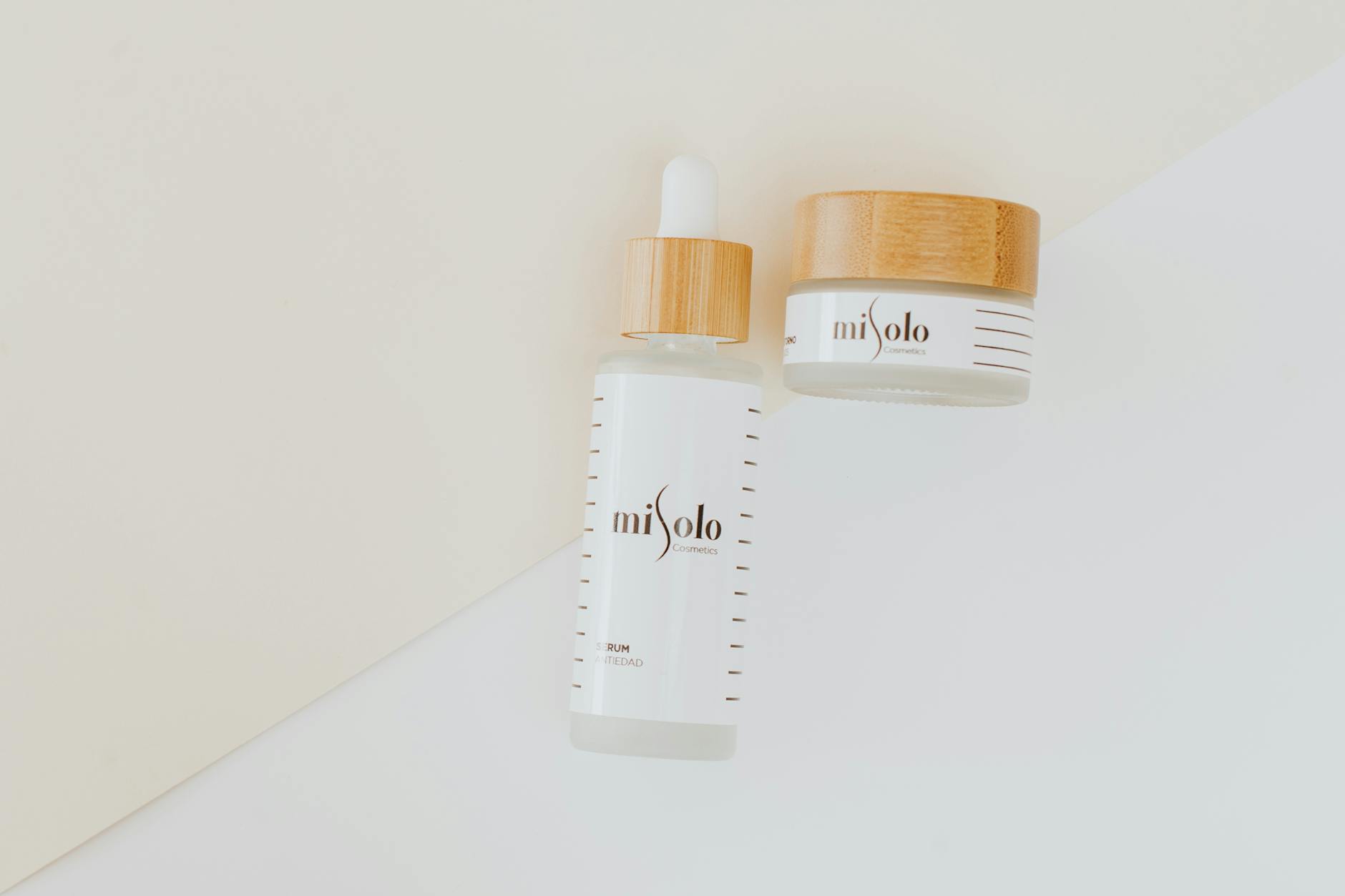
The most obvious difference between eye serums and eye creams lies in their texture. Eye serums feel thin and watery, absorbing quickly into your skin without leaving residue. Eye creams have a thicker, richer consistency that creates a protective barrier on your skin's surface.
“The molecular structure of serums allows active ingredients to penetrate deeper layers of skin more effectively than creams.”
This texture difference directly impacts how active ingredients work. Serums pack concentrated ingredients like hyaluronic acid, vitamin C, or retinol into smaller molecular structures. These tiny molecules slip between skin cells more easily, delivering targeted treatment to deeper layers where fine lines and dark circles often begin.
Eye creams contain larger molecules and emulsifiers that keep ingredients suspended in a creamy base. While this limits deep penetration, it provides excellent surface hydration and protection. The peptides and moisturizing agents in creams work primarily on your skin's outer layers.
For example, a vitamin C serum might contain 20% L-ascorbic acid in a lightweight base, while an eye cream typically includes 2-5% vitamin C derivatives mixed with moisturizing oils and waxes. Neither approach causes permanent damage to your delicate eye area when used correctly, but understanding these differences helps you choose the right product for your specific concerns.
Eye Serum vs Eye Cream: Side-by-Side Comparison

Understanding which product works best for your needs becomes clearer when you see them compared directly. Both eye serums and creams target common concerns around your eyes, but they approach treatment differently.
| Factor | Eye Serum | Eye Cream |
|---|---|---|
| Texture | Lightweight, water-based, absorbs quickly | Rich, oil-based, provides lasting moisture |
| Best For | Fine lines, dark circles, puffiness | Dryness, mature skin, deep wrinkles |
| Application | Morning routine, under makeup | Evening routine, overnight repair |
| Price Range | $15-$80 | $20-$100 |
| Skin Type | Oily, combination, sensitive | Dry, mature, normal |
Your skin type plays a crucial role in determining which option prevents irritation and delivers results without causing breakouts or unwanted reactions.
When to Choose Eye Serum
Eye serums work best for people with specific, targeted skin concerns around the eyes. If you're dealing with dark circles, puffiness, or early fine lines, serums deliver concentrated active ingredients directly where you need them most. Their lightweight formula penetrates quickly without leaving residue.
Your skin type plays a major role in this decision. People with oily or combination skin often find eye creams too heavy, leading to clogged pores or milia (those small white bumps). Serums won't contribute to breakouts or create that uncomfortable heavy feeling that can worsen existing skin issues.
Serums excel during daytime routines because they absorb completely before makeup application. A vitamin C eye serum, for example, provides antioxidant protection under your concealer without pilling or sliding.
Younger people in their twenties and early thirties benefit most from serums as prevention tools. Starting early with gentle retinol or peptide serums helps maintain skin elasticity before deeper wrinkles form, giving you better long-term results.
When to Choose Eye Cream
Eye cream works best for people with dry or mature skin who need substantial moisture around their delicate eye area. If you wake up with tight, flaky skin or notice fine lines becoming more pronounced, eye cream provides the rich hydration your skin craves.
Your nighttime routine is when eye cream truly shines. The thicker consistency allows active ingredients to work while you sleep, delivering deep moisture without interfering with makeup application. For example, someone in their 40s with crow's feet would benefit from applying a retinol-based eye cream before bed to address aging concerns while providing overnight hydration.
People with sensitive eye areas often find eye creams gentler than serums. The emollient-rich formula creates a protective barrier that prevents irritation from environmental factors. This protective quality helps address concerns about permanent damage from harsh products or aggressive rubbing.
Eye cream suits those seeking general moisturizing benefits rather than targeting specific concerns like dark circles or puffiness. If your main goal is maintaining healthy, hydrated skin around your eyes while preventing future issues, eye cream offers consistent, reliable moisture that supports your skin's natural barrier function.
Can You Use Both Together?

Yes, you can safely layer eye serum and eye cream together when done correctly. This combination approach works well for people with multiple concerns, such as fine lines plus severe dryness, or those wanting both immediate and long-term benefits.
Use eye serum on clean skin, allowing 2-3 minutes for absorption.
Apply eye cream over the serum to lock in moisture and nutrients.
The thin-to-thick rule ensures proper penetration. Start with just 2-3 nights per week to avoid overwhelming sensitive eye skin. For example, someone with dark circles might use vitamin C serum under moisturizing cream for comprehensive treatment.
Skip combination use if you experience irritation or excessive product buildup, which can actually worsen skin concerns rather than improve them.
Final Recommendation
Your skin type determines the best choice. If you have dry, mature skin with deep lines, start with a rich eye cream containing ceramides or peptides. Oily or acne-prone skin benefits more from lightweight serums with niacinamide or hyaluronic acid.
Beginners should choose one product initially to avoid irritation that could worsen skin concerns. Test on your inner wrist first, then apply to one eye area for three days before full use.
Consult a dermatologist if you experience persistent puffiness, unusual discoloration, or if over-the-counter products fail after six weeks of consistent use.
Start with one targeted product based on your primary concern, then add others gradually once your skin adapts.
Frequently Asked Questions
What's the difference between eye serum and eye cream?
Eye serums have a thin, watery texture that absorbs quickly and contains concentrated active ingredients in smaller molecular structures for deeper penetration. Eye creams have a thicker, richer consistency that creates a protective barrier and provides excellent surface hydration. The molecular structure of serums allows active ingredients to penetrate deeper layers of skin more effectively than creams.
When should I use eye serum vs eye cream?
Choose eye serums when you need targeted treatment for specific concerns like dark circles, puffiness, or fine lines, especially if you have younger skin or want quick results. Pick eye creams for dry, mature skin that needs serious moisture and barrier support, particularly if your under-eye area feels tight or shows visible dryness. You can use both products together by applying serum first for active ingredients, then following with cream to lock in moisture.
Can I use both eye serum and eye cream together?
Yes, you can absolutely use both products together for maximum benefit. Apply the serum first to deliver active ingredients to deeper skin layers, then follow with cream to lock in moisture and create a protective seal. This combination approach allows you to get targeted treatment from the serum while maintaining proper hydration from the cream.
Which is better for fine lines and wrinkles around the eyes?
Eye serums are better for fine lines because their concentrated formulas with smaller molecular structures can penetrate deeper into skin layers where fine lines begin. Eye creams excel at treating deep wrinkles and providing long-term hydration for mature skin. For the best results against aging, serums work faster for immediate concerns while creams provide lasting barrier repair and prevention.
Disclaimer: This content is for informational purposes only and does not constitute medical advice. Always consult a qualified healthcare provider before making health decisions.