What Are Peptide Eye Treatments?

Peptides are short chains of amino acids that act as chemical messengers in your skin. Think of them as tiny proteins that tell your skin cells what to do - whether that's producing more collagen, reducing inflammation, or speeding up healing. When applied topically, peptides can penetrate the skin and trigger specific cellular responses.
"Peptides work like cellular text messages, delivering specific instructions to help your skin repair and renew itself."
The eye area requires specialized treatment because the skin here is significantly thinner than elsewhere on your face - about 40% thinner, making it more vulnerable to damage and slower to heal. This delicate tissue shows signs of aging, fatigue, and irritation more quickly than other areas.
Unlike harsh retinoids or acids that can cause irritation and potentially worsen skin concerns, peptides work gently by supporting your skin's natural repair processes. While vitamin C provides antioxidant protection and hyaluronic acid adds moisture, peptides actively communicate with skin cells to promote healing and collagen production, making them particularly effective for addressing fine lines and puffiness around the eyes.
How Peptide Eye Treatments Work

Peptide eye treatments work by delivering amino acid chains directly to the delicate skin around your eyes. These peptides act as cellular messengers, signaling your skin to produce more collagen and elastin—the proteins responsible for firmness and elasticity.
"Peptides essentially trick your skin into thinking it needs to repair itself, boosting natural collagen production."
As collagen production increases, the skin becomes thicker and more resilient. This firming effect helps reduce the appearance of fine lines and creates a smoother surface. Elastin works alongside collagen to maintain skin flexibility and bounce-back ability.
You'll typically notice initial improvements within 2-4 weeks of consistent use, with more significant changes appearing after 6-8 weeks. The skin around your eyes gradually becomes firmer and more hydrated as peptides strengthen the underlying structure without causing irritation or permanent changes.
Types of Peptides Used in Eye Treatments
Eye creams contain three main peptide types, each targeting different aging concerns. Understanding these differences helps you choose the right treatment for your specific needs.
Signal peptides boost collagen production by telling your skin cells to create more structural proteins. Copper peptides fall into this category and help rebuild the delicate under-eye area. These peptides work slowly but create lasting improvements in skin thickness and firmness.
Carrier peptides act like delivery trucks, transporting beneficial minerals and vitamins deeper into skin layers. They enhance the effectiveness of other active ingredients in your eye cream, maximizing your treatment results.
Neurotransmitter peptides target expression lines by temporarily relaxing facial muscles. Acetyl hexapeptide-8, often called "Botox in a bottle," softens crow's feet and smile lines without injections. While gentler than professional treatments, these peptides provide noticeable smoothing effects with consistent use.
Most quality eye treatments combine multiple peptide types for comprehensive anti-aging benefits.
Who Should Use Peptide Eye Treatments

Peptide eye treatments work best for adults over 25 when natural collagen production starts declining. These treatments excel at addressing fine lines, crow's feet, under-eye puffiness, and dark circles caused by poor circulation or thin skin.
People with sensitive skin around their eyes benefit from peptides because these ingredients are gentler than retinoids or acids. However, those with active allergies or extremely reactive skin should patch test first to avoid irritation that could worsen existing concerns.
Peptide treatments suit anyone wanting preventive care or gradual improvement rather than dramatic overnight changes. They require consistent use for 6-8 weeks to show visible results.
How to Choose the Right Peptide Eye Treatment
Start by looking for specific peptides like palmitoyl tetrapeptide-7 and acetyl hexapeptide-8, which target fine lines and puffiness. Check the ingredient list to ensure peptides appear in the first five ingredients, indicating meaningful concentrations.
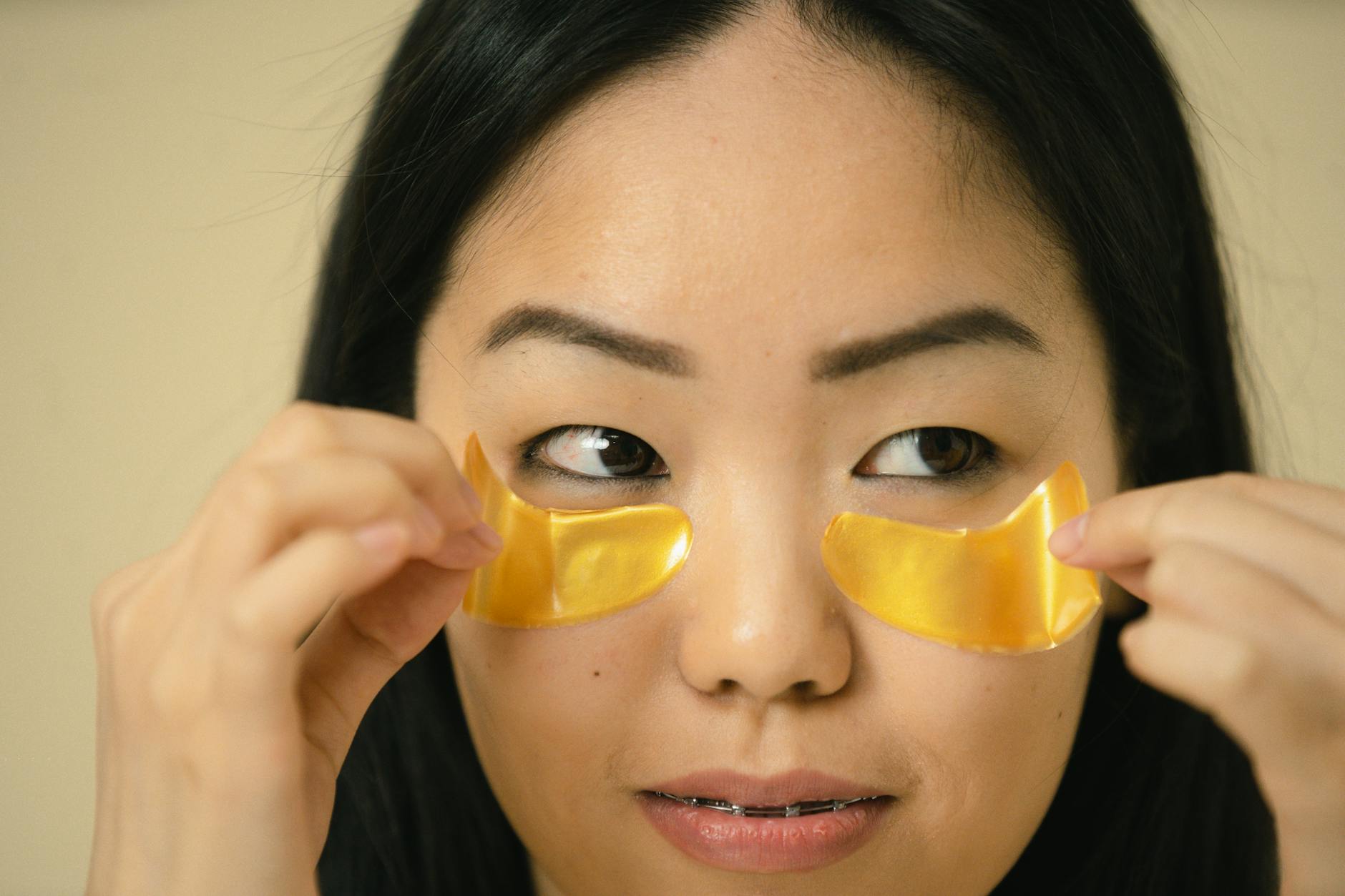
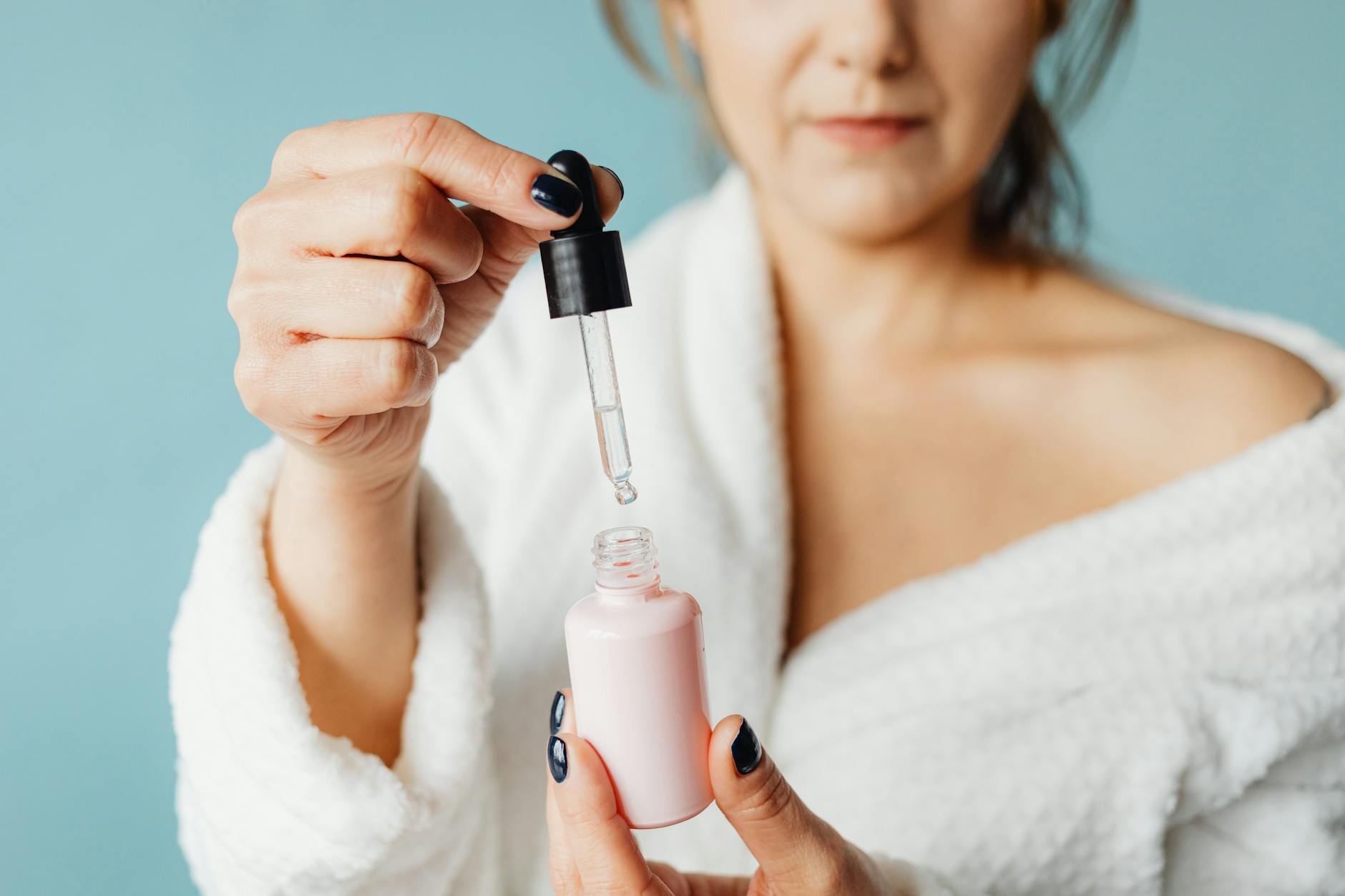
Product format matters for effectiveness. Serums penetrate deeper but may irritate sensitive skin, while creams provide moisture and gentler delivery. Eye patches offer intensive treatment but cost more per use.
Choose products with 2-5% peptide concentration for beginners. Higher percentages aren't necessarily better and can cause irritation around the delicate eye area. For example, Olay Regenerist Eye Lifting Serum contains an effective peptide blend at beginner-friendly levels.
Start with cream formulations containing proven peptides like palmitoyl tetrapeptide-7 in the first five ingredients for safe, effective results.
Frequently Asked Questions
What are peptides and how do they work on eye skin?
Peptides are short chains of amino acids that act as chemical messengers in your skin, telling skin cells what to do such as producing more collagen or reducing inflammation. When applied topically around the eyes, peptides can penetrate the delicate skin and trigger specific cellular responses. They work like cellular text messages, delivering specific instructions to help your skin repair and renew itself naturally.
How long does it take to see results from peptide eye treatments?
You'll typically notice initial improvements within 2-4 weeks of consistent use of peptide eye treatments. More significant changes appear after 6-8 weeks as the skin around your eyes gradually becomes firmer and more hydrated. The peptides work to strengthen the underlying skin structure, creating lasting improvements in skin thickness and firmness over time.
What types of peptides are used in eye creams?
Eye creams contain three main peptide types: signal peptides that boost collagen production, carrier peptides that transport beneficial minerals deeper into skin layers, and neurotransmitter peptides that temporarily relax facial muscles to reduce expression lines. Signal peptides like copper peptides help rebuild the under-eye area, while neurotransmitter peptides such as acetyl hexapeptide-8 soften crow's feet and smile lines. Most quality eye treatments combine multiple peptide types for comprehensive anti-aging benefits.
Who should use peptide eye treatments?
Peptide eye treatments work best for adults over 25 when natural collagen production starts declining. These treatments excel at addressing fine lines, crow's feet, under-eye puffiness, and dark circles caused by poor circulation or thin skin. They are particularly effective because the eye area has skin that is about 40% thinner than elsewhere on the face, making it more vulnerable to damage and in need of specialized treatment.
Are peptide eye treatments better than retinoids or acids?
Unlike harsh retinoids or acids that can cause irritation and potentially worsen skin concerns, peptides work gently by supporting your skin's natural repair processes. While vitamin C provides antioxidant protection and hyaluronic acid adds moisture, peptides actively communicate with skin cells to promote healing and collagen production. This makes them particularly effective and safe for addressing fine lines and puffiness around the delicate eye area without causing irritation.
Disclaimer: This content is for informational purposes only and does not constitute medical advice. Always consult a qualified healthcare provider before making health decisions.