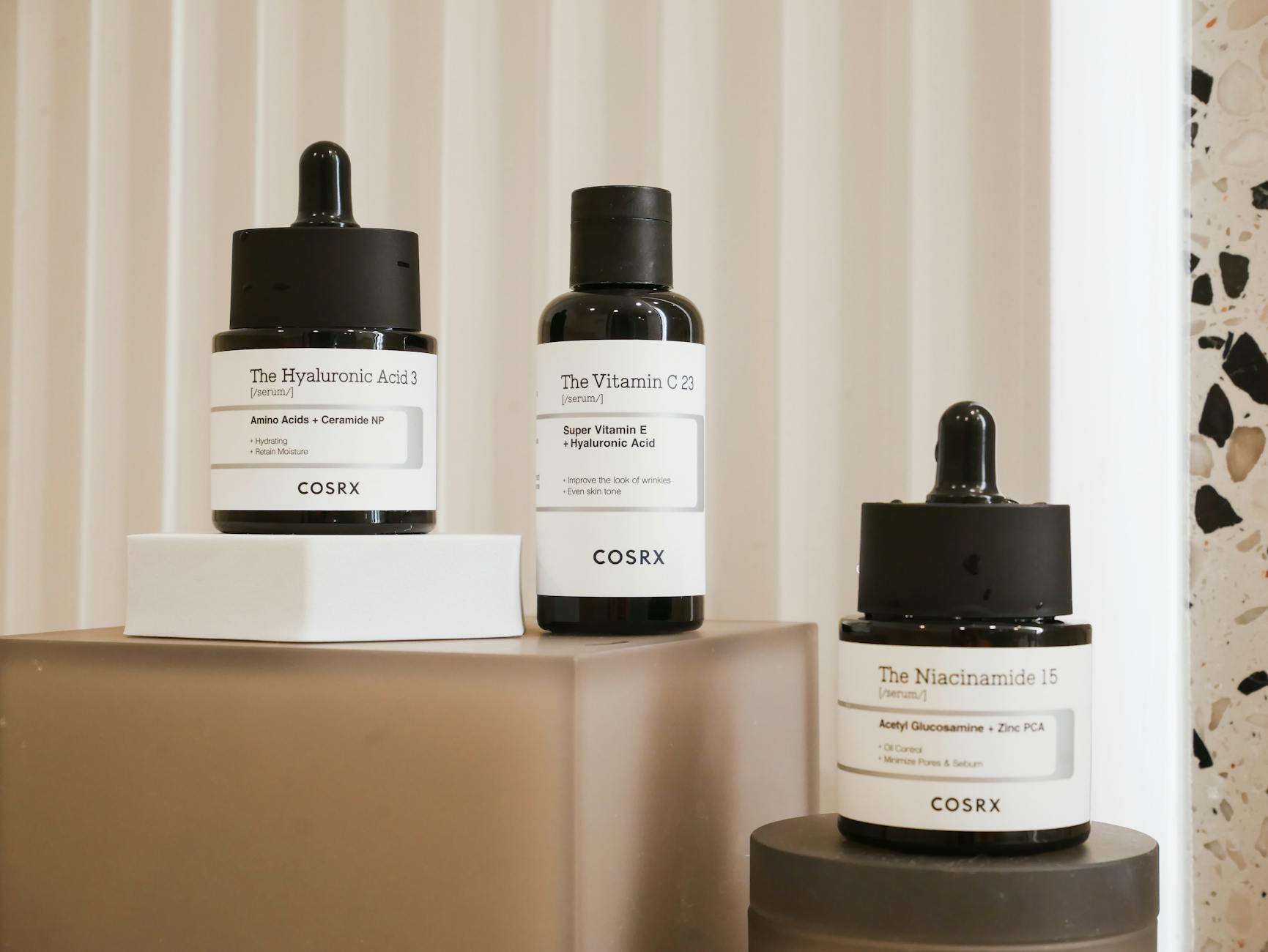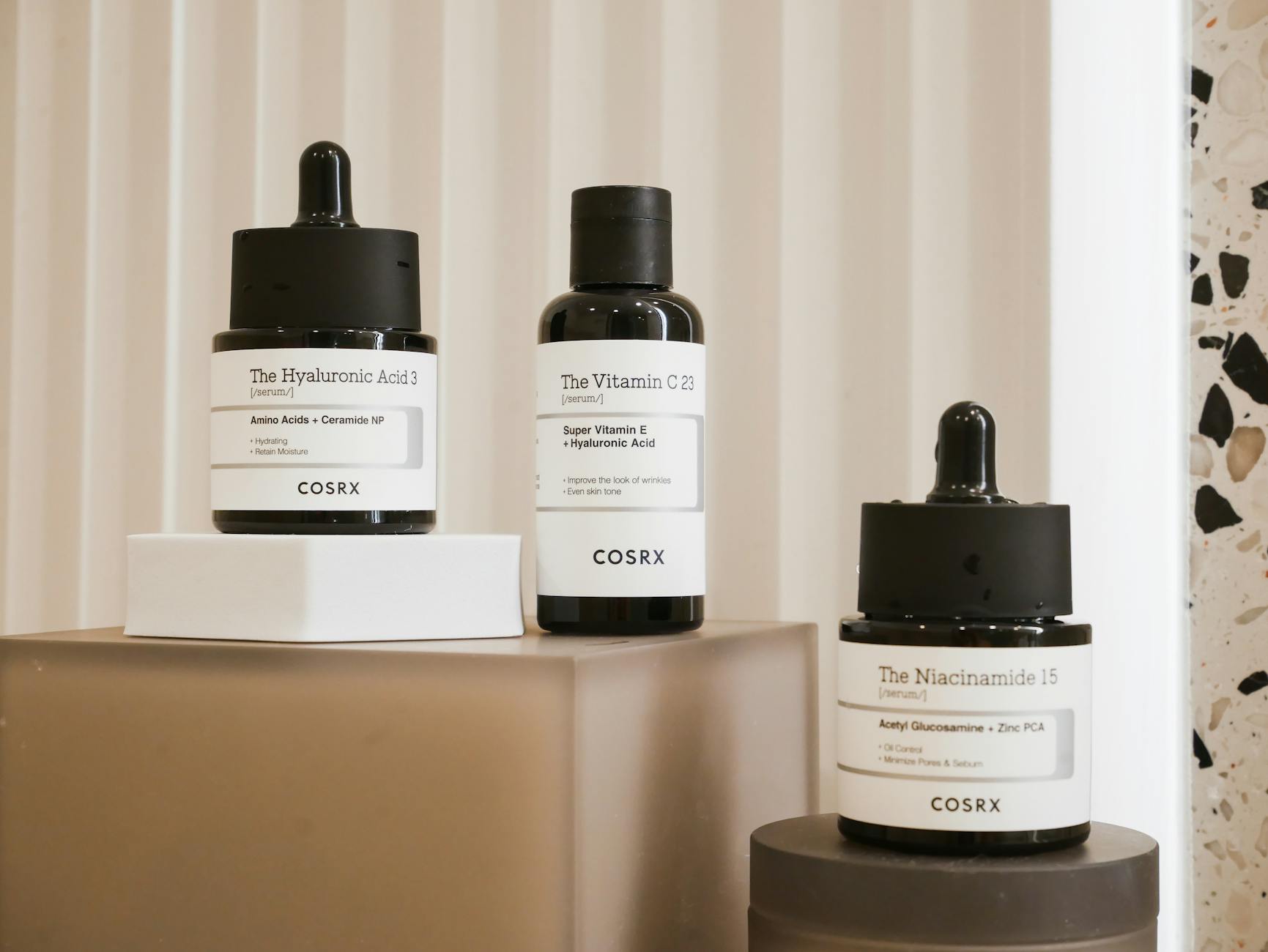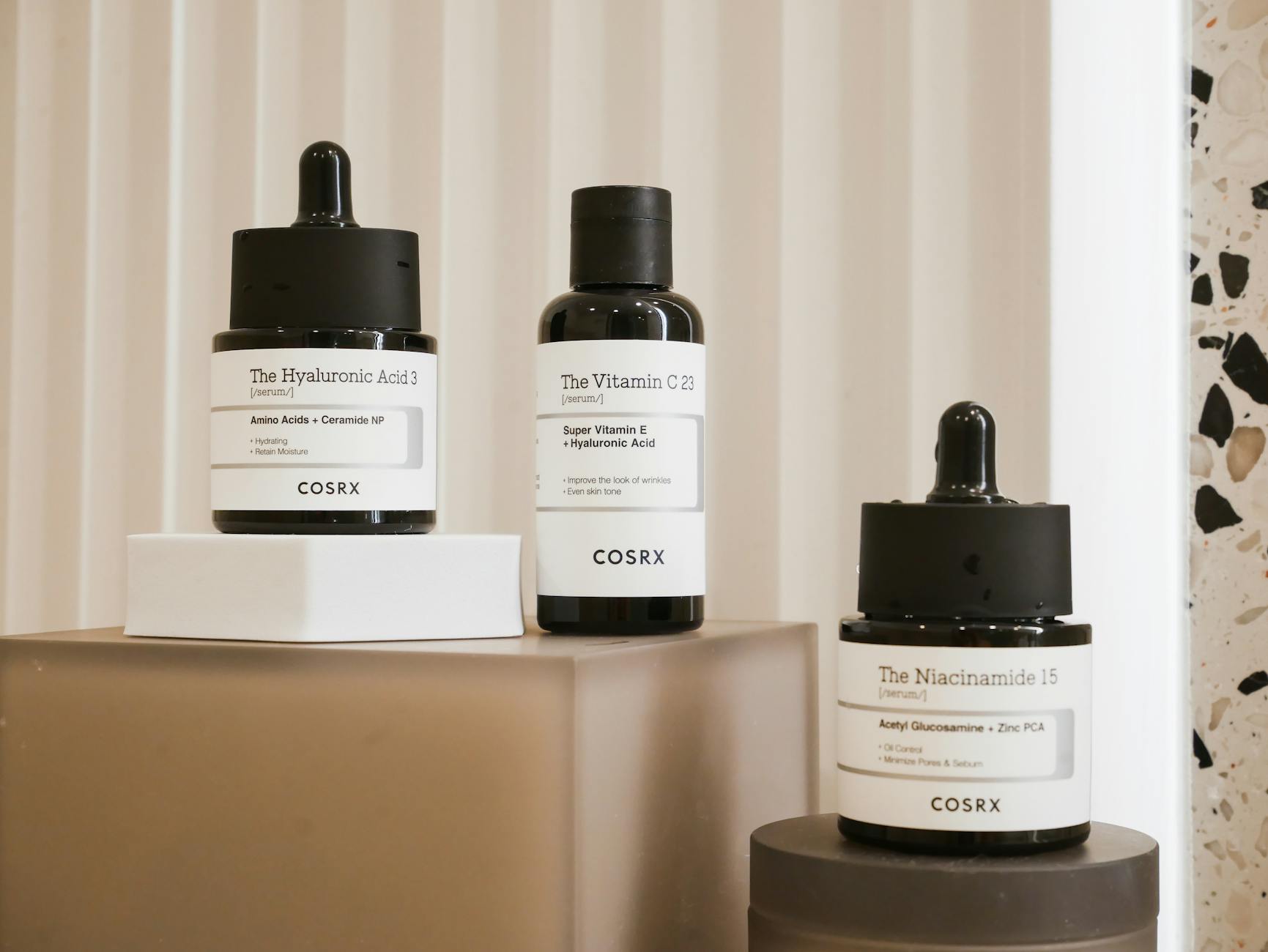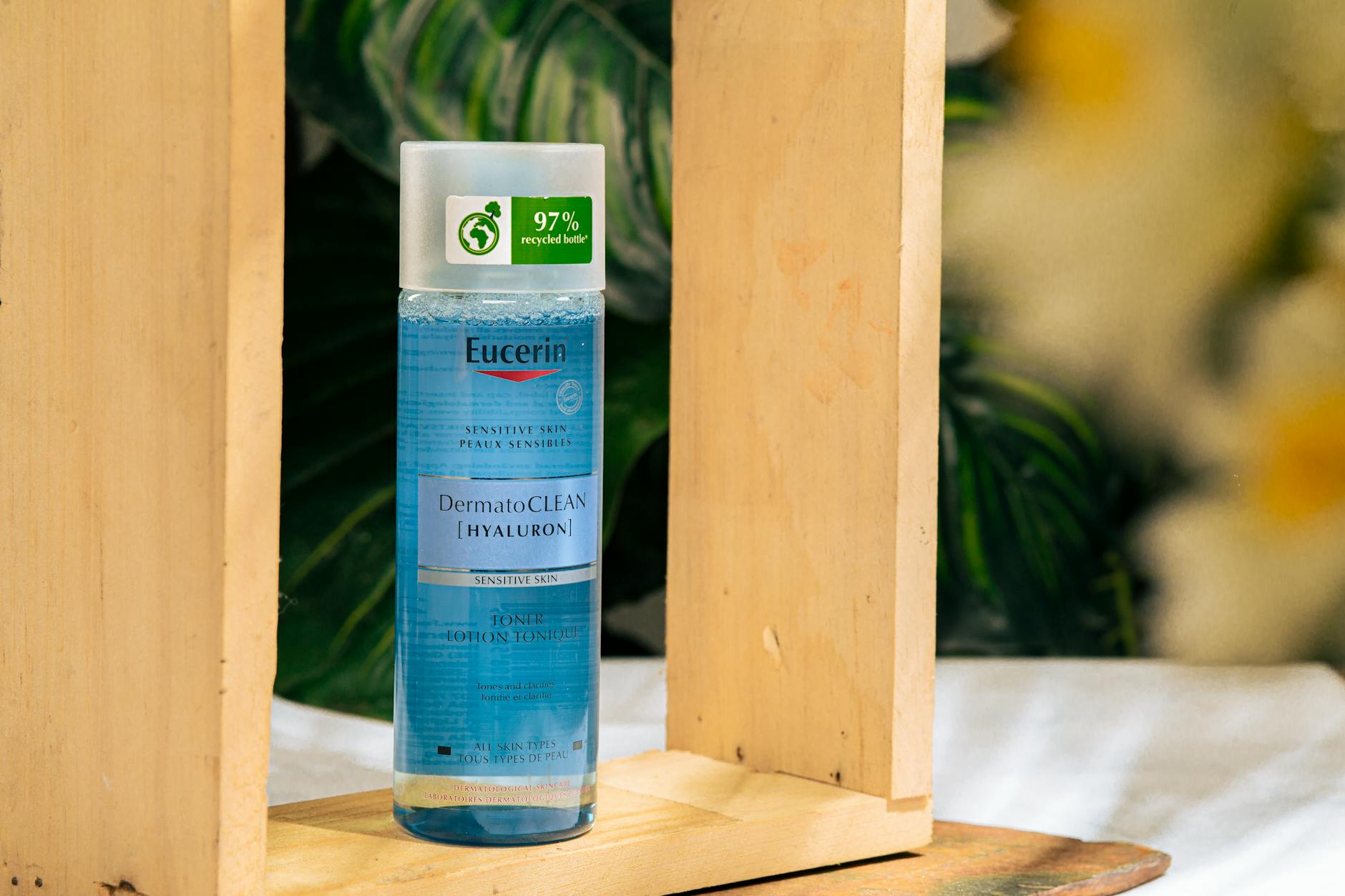
What is Hyaluronic Acid and Why Your Skin Needs It

Hyaluronic acid sounds complex, but it's actually a simple sugar molecule your body produces naturally. This clear, gel-like substance acts like a powerful sponge, holding up to 1,000 times its weight in water. You'll find it throughout your body, particularly in your skin, eyes, and joints.
Your skin contains roughly half of your body's hyaluronic acid supply. Think of it as your skin's built-in moisturizer, sitting between skin cells and keeping everything plump and hydrated. When your skin has adequate hyaluronic acid levels, it looks smooth, feels soft, and maintains that healthy glow we all want.
"Hyaluronic acid acts like a powerful sponge, holding up to 1,000 times its weight in water."
Unfortunately, your natural hyaluronic acid production peaks in your twenties and steadily declines afterward. By age 50, you've lost about half of your original levels. This decline contributes to dryness, fine lines, and that uncomfortable tight feeling many people experience as they age.
The molecule's unique structure explains its water-binding superpowers. Hyaluronic acid consists of repeating sugar units that create spaces perfect for trapping water molecules. These water pockets create a cushioning effect that keeps your skin looking full and healthy.
For anyone worried about skin damage or premature aging, understanding hyaluronic acid offers hope. Unlike some skincare ingredients that work only on the surface, hyaluronic acid addresses hydration at the cellular level, helping maintain your skin's natural protective barrier.
The Science Behind Hyaluronic Acid's Water-Binding Power
Hyaluronic acid's remarkable ability to hold up to 1,000 times its weight in water stems from its unique molecular structure. This naturally occurring substance consists of repeating sugar units that create long chains with specific properties that attract and trap water molecules.
The secret lies in hyaluronic acid's hydrophilic nature—meaning it loves water. Each molecule contains multiple hydroxyl groups that act like tiny magnets for water. These groups form hydrogen bonds with water molecules, creating a network that traps moisture against your skin. Think of it like a molecular sponge that draws water from the environment and holds it in place.
“Hyaluronic acid acts like a molecular sponge, forming hydrogen bonds that create a moisture-trapping network in your skin.”
The hydrogen bonding process works because water molecules have a slight positive charge on one end and negative on the other. Hyaluronic acid's hydroxyl groups have complementary charges that attract these water molecules and keep them bound to the skin's surface and deeper layers.
Understanding the difference between high and low molecular weight forms helps explain how hyaluronic acid works. High molecular weight hyaluronic acid remains on the skin's surface, creating a protective moisture barrier that prevents water loss—crucial for maintaining healthy skin that's less prone to irritation and scarring. Low molecular weight versions penetrate deeper into the skin, delivering hydration to the cellular level where it supports healing and repair processes.
This dual-action approach means hyaluronic acid products can provide both immediate surface hydration and longer-term skin health benefits, making them valuable for anyone concerned about maintaining clear, healthy skin while supporting the natural healing process.
How Hyaluronic Acid Penetrates and Hydrates Different Skin Layers

Understanding how hyaluronic acid works across your skin's layers helps explain why it's so effective at creating that plump, healthy glow you're seeking. Your skin consists of multiple layers, and hyaluronic acid behaves differently depending on where it ends up.
On the surface level, hyaluronic acid creates an immediate moisture barrier that prevents water loss throughout the day. Think of it as a protective shield that keeps environmental stressors from stealing your skin's hydration. This surface action gives you that instant dewy look many people notice right after applying a hyaluronic acid serum.
The deeper penetration story gets more interesting. Smaller hyaluronic acid molecules can travel into your skin's deeper layers, where they attract water from your body's internal moisture reserves. This deeper hydration plumps your skin from within, smoothing out fine lines and creating that bouncy texture that signals healthy skin.
Your skin barrier function gets a significant boost from this multi-layer approach. When hyaluronic acid strengthens your skin's natural defense system, it helps prevent the irritation and inflammation that can lead to breakouts and scarring - addressing your concerns about long-term skin damage.
For example, when you apply a hyaluronic acid serum before moisturizer, the smaller molecules penetrate while larger ones stay on the surface, creating a complete hydration system that works around the clock to maintain your skin's health and appearance.
The Visible Results: What Happens to Your Skin
When you start using hyaluronic acid, your skin begins showing improvements within the first 24 hours. You'll notice your skin feels softer and looks less dull as the molecule starts drawing moisture into your skin cells. This immediate plumping effect helps minimize the appearance of fine lines and gives your complexion a healthier glow.
After two to four weeks of consistent use, the texture improvements become more pronounced. Your skin develops a smoother, more supple feel as hyaluronic acid continues working in the deeper layers. The plumping effect reduces the appearance of surface scarring and uneven skin texture, addressing concerns about permanent skin damage.
Long-term benefits emerge after eight to twelve weeks of regular application. Your skin maintains better moisture levels throughout the day, creating a protective barrier that prevents future breakouts. For example, many users notice their skin bounces back faster from environmental stressors and requires less makeup to look healthy.
The cumulative effect means your skin becomes more resilient over time. Consistent hyaluronic acid use trains your skin to retain moisture more effectively, leading to sustained improvements in elasticity and overall appearance.
Maximizing Hyaluronic Acid's Effectiveness
Getting the most from your hyaluronic acid requires proper application technique. The single most important rule is applying it to damp skin. Hyaluronic acid pulls moisture from its surroundings, so when applied to dry skin, it can actually draw water from deeper skin layers, potentially causing dryness.
Use hyaluronic acid on slightly wet skin after cleansing or misting with water.
Follow immediately with a cream or oil to lock in the hydration.
Environmental factors significantly impact performance. Low humidity environments like air-conditioned offices or winter weather reduce hyaluronic acid's effectiveness. In these conditions, use a humidifier or apply the product in your bathroom after a shower when humidity is higher.
Timing matters for optimal results. Morning application works well under sunscreen and makeup, while evening use allows deeper penetration during skin's natural repair cycle. For those concerned about skin damage or scarring, consistent twice-daily use helps maintain skin barrier function and accelerate healing.
Start with lower concentrations around 0.5% if you have sensitive skin, then gradually increase to 1-2% as your skin adjusts.
Understanding Different Forms: Sodium Hyaluronate vs Hyaluronic Acid

When shopping for skincare products, you'll encounter two main forms: hyaluronic acid and sodium hyaluronate. While they sound completely different, sodium hyaluronate is actually the salt form of hyaluronic acid. This chemical conversion makes a significant difference in how the ingredient performs in your skincare routine.
Sodium hyaluronate wins the popularity contest in serums and moisturizers for good reason. Its smaller molecular structure allows it to penetrate deeper into your skin layers, while pure hyaluronic acid tends to sit on the surface. Think of sodium hyaluronate as having a smaller key that fits through tighter locks in your skin barrier.
Molecular weight determines everything. Low molecular weight sodium hyaluronate (under 50 kDa) penetrates deepest, providing lasting hydration that won't disappear with your first face wash. High molecular weight versions create an immediate plumping effect on the surface, perfect for reducing the appearance of fine lines that might otherwise cause concern about permanent skin damage.
For example, The Ordinary's Hyaluronic Acid 2% + B5 serum combines multiple molecular weights of sodium hyaluronate to target both immediate surface hydration and deeper skin layers simultaneously.
Your Next Steps to Better Skin Hydration
Hyaluronic Acid works by drawing moisture from your environment and holding it in your skin's layers, creating a plumper, more hydrated appearance. This simple mechanism makes it one of the most reliable ingredients for addressing dry, dull skin without causing irritation or breakouts.
When shopping for products, look for concentrations between 0.1% and 2%. Choose sodium hyaluronate for better penetration, especially in serums. Apply to slightly damp skin and always follow with a moisturizer to seal in hydration.
Results typically appear within one to two weeks of consistent use. Your skin will feel softer immediately, but visible improvements in texture and fine lines take patience. Remember that proper hydration supports your skin's natural healing processes, which can help prevent the scarring concerns many people face.
Start with a low-concentration hyaluronic acid serum, apply to damp skin, and use consistently for two weeks to see meaningful hydration improvements.
Frequently Asked Questions
What is hyaluronic acid and what does it do?
Hyaluronic acid is a simple sugar molecule that your body produces naturally, acting like a powerful sponge that can hold up to 1,000 times its weight in water. It's found throughout your body, particularly in your skin, eyes, and joints, where it acts as your skin's built-in moisturizer. This clear, gel-like substance sits between skin cells and keeps everything plump and hydrated, making your skin look smooth and feel soft.
How much water can hyaluronic acid hold?
Hyaluronic acid can hold up to 1,000 times its weight in water due to its unique molecular structure. This remarkable water-binding capacity comes from its hydrophilic nature and multiple hydroxyl groups that act like tiny magnets for water molecules. The molecule forms hydrogen bonds with water, creating a network that traps moisture against your skin like a molecular sponge.
Does hyaluronic acid production decrease with age?
Yes, your natural hyaluronic acid production peaks in your twenties and steadily declines afterward. By age 50, you've lost about half of your original hyaluronic acid levels. This decline contributes to dryness, fine lines, and that uncomfortable tight feeling many people experience as they age.
What's the difference between high and low molecular weight hyaluronic acid?
High molecular weight hyaluronic acid remains on the skin's surface, creating a protective moisture barrier that prevents water loss and is crucial for maintaining healthy skin. Low molecular weight versions penetrate deeper into the skin, delivering hydration to the cellular level where it supports healing and repair processes. This dual-action approach provides both immediate surface hydration and longer-term skin health benefits.
How much of the body's hyaluronic acid is in the skin?
Your skin contains roughly half of your body's hyaluronic acid supply. This makes it a crucial component for maintaining skin health and hydration. The hyaluronic acid in your skin works as a built-in moisturizer, helping maintain that healthy glow and keeping your skin looking plump and feeling soft.
Disclaimer: This content is for informational purposes only and does not constitute medical advice. Always consult a qualified healthcare provider before making health decisions.