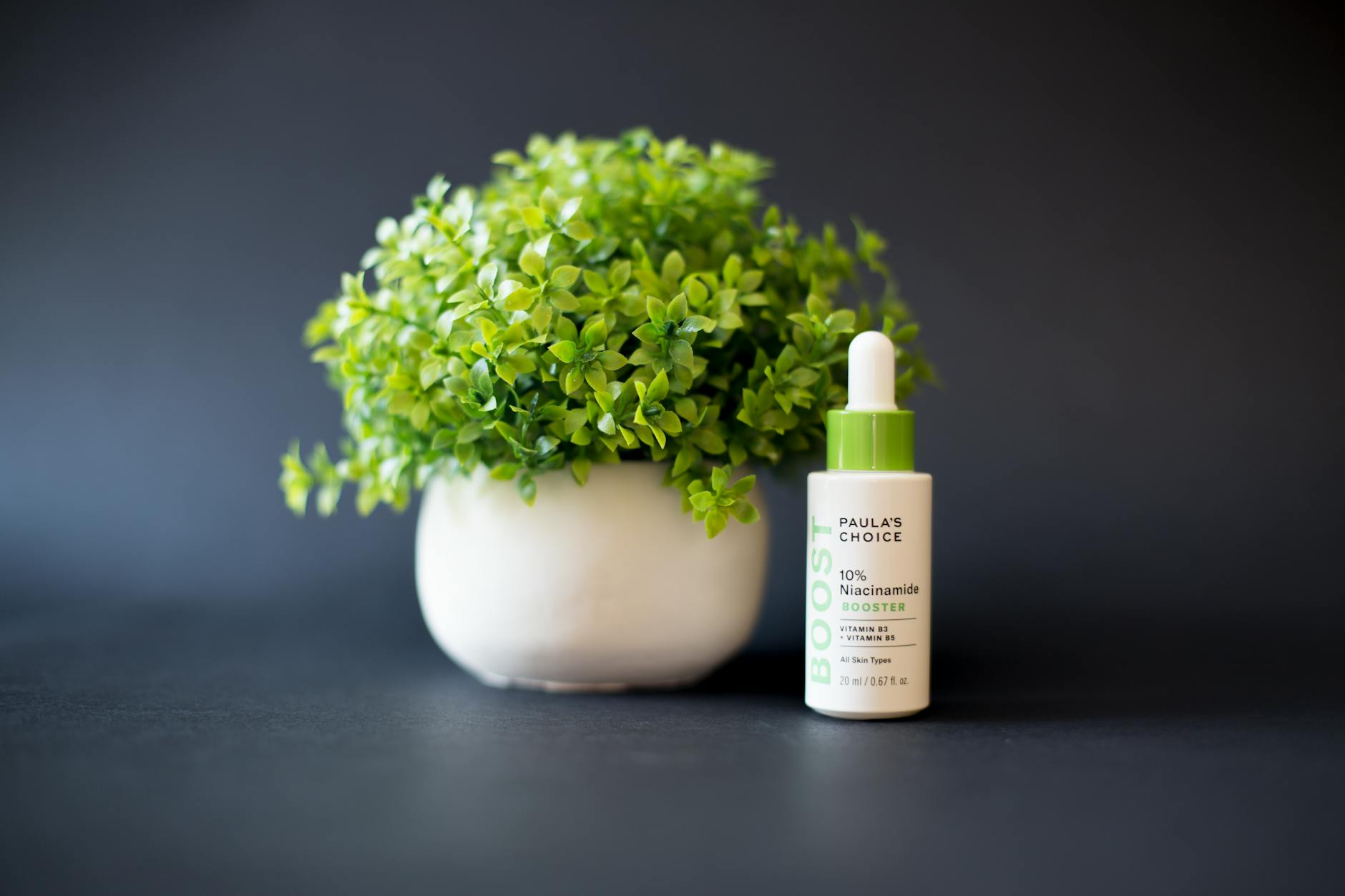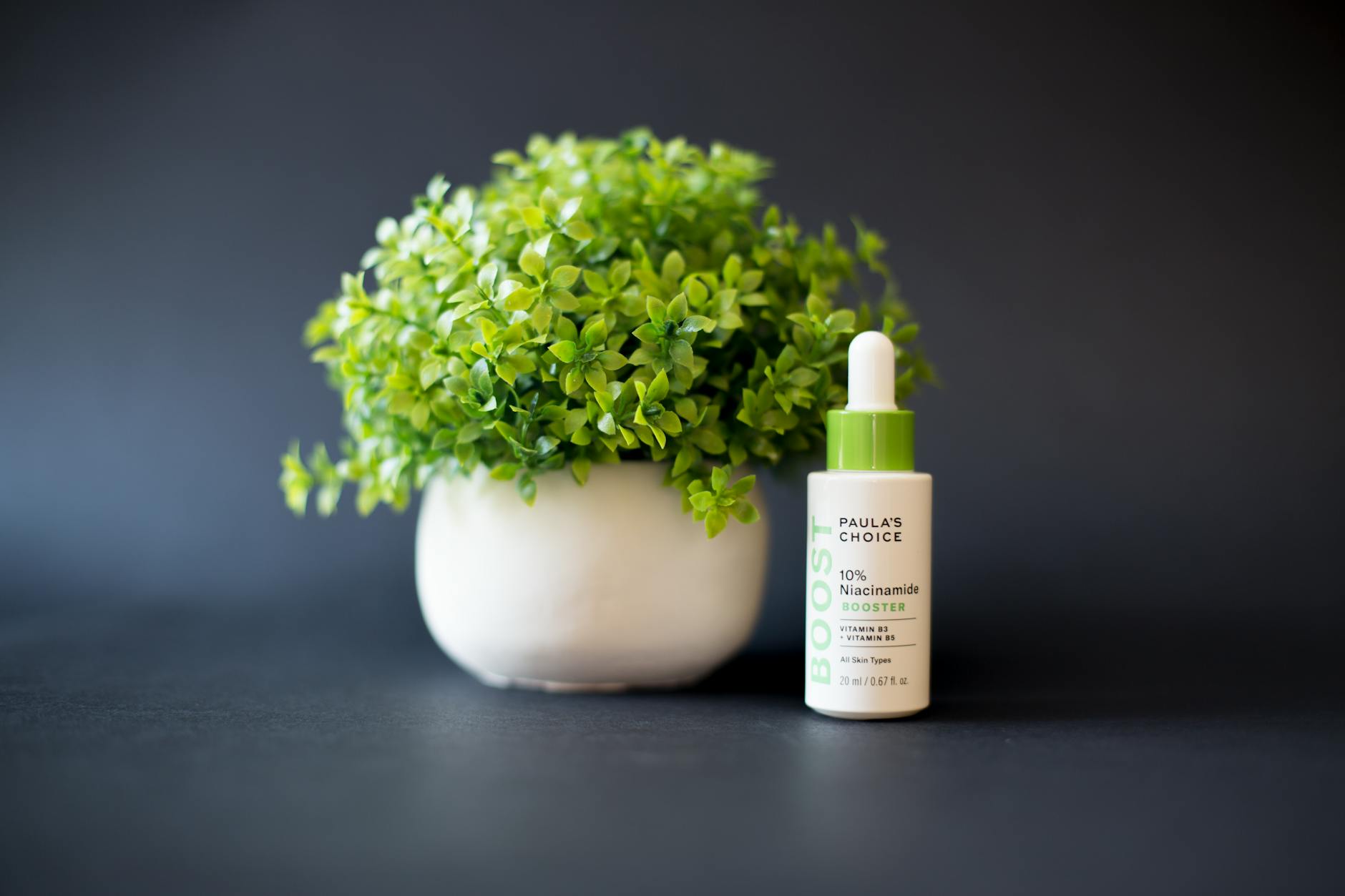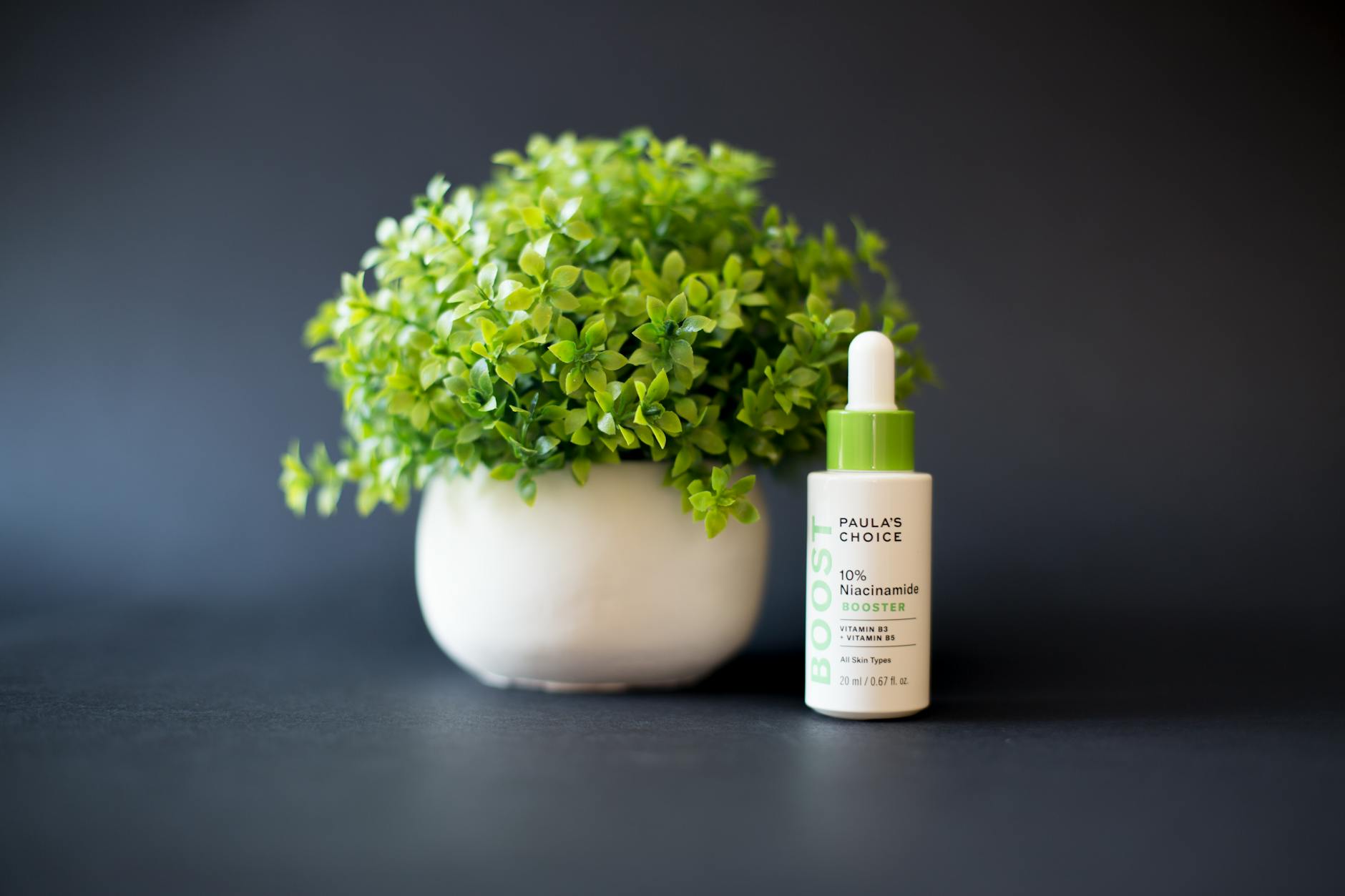
What Is Niacinamide and Why It Helps Acne

Niacinamide is a form of vitamin B3 that has become a game-changer in acne treatment. Unlike harsh scrubs or drying benzoyl peroxide, this gentle ingredient works with your skin's natural processes to fight breakouts without causing irritation or peeling.
Your sebaceous glands produce oil (sebum) to protect your skin, but overproduction leads to clogged pores and acne. Niacinamide regulates this oil production by controlling the size and activity of your sebaceous glands. Clinical studies show it can reduce sebum production by up to 30% within 8 weeks of consistent use.
“Niacinamide works with your skin's natural processes to fight breakouts without causing irritation or peeling.”
The anti-inflammatory properties of niacinamide address another root cause of acne. When bacteria multiply in clogged pores, your immune system responds with inflammation, creating those red, painful bumps. Niacinamide calms this inflammatory response, reducing redness and preventing the deep inflammation that often leads to permanent scarring.
What sets niacinamide apart from traditional acne treatments is its gentleness. While salicylic acid or retinoids can cause dryness and peeling, niacinamide actually strengthens your skin barrier. This means you can use it twice daily without worrying about over-drying or irritation that makes acne worse.
For example, someone with oily, acne-prone skin might start with a 5% niacinamide serum applied morning and evening. Within 4-6 weeks, they typically notice less oily skin, smaller pores, and fewer new breakouts forming. The gentle nature means it works well alongside other acne treatments without causing sensitivity.
How Niacinamide Treats Different Types of Acne

Niacinamide works differently depending on the type of acne you're dealing with, making it a versatile ingredient for various skin concerns. Understanding how it targets specific acne types helps you set realistic expectations and avoid the frustration that leads to permanent scarring from picking or over-treating your skin.
For comedonal acne—those stubborn blackheads and whiteheads—niacinamide regulates oil production and helps normalize the skin's natural exfoliation process. This prevents dead skin cells from clogging pores and makes existing comedones easier to clear. You'll notice pores appear smaller over time as they become less congested with oil and debris.
"Niacinamide's anti-inflammatory properties make it particularly effective for red, angry breakouts that often leave lasting marks."
Inflammatory acne responds especially well to niacinamide's anti-inflammatory properties. Those painful, red bumps and pustules calm down faster because niacinamide reduces the inflammatory response that causes swelling and redness. This means breakouts heal more quickly and are less likely to leave behind dark spots or scars.
Post-acne hyperpigmentation—those dark marks left behind after breakouts—gradually fades with consistent niacinamide use. The ingredient inhibits melanin transfer to skin cells, preventing new dark spots from forming while helping existing ones fade more quickly than they would naturally.
Hormonal acne presents a unique challenge, but niacinamide helps by controlling sebum production and reducing inflammation around hair follicles. While it won't address the hormonal root cause, it significantly reduces the visible symptoms. For example, those deep, painful cysts along the jawline become less frequent and less severe when niacinamide is used consistently as part of a targeted routine.
How to Use Niacinamide for Acne: Step-by-Step Guide
Starting with niacinamide doesn't require complex planning, but proper application maximizes its acne-fighting benefits while minimizing potential irritation. The key lies in understanding timing, concentration, and how this ingredient fits into your existing skincare routine.
Begin with products containing 5% niacinamide to allow your skin to adjust gradually.
Use niacinamide serum on clean skin before heavier products like moisturizer.
Always seal niacinamide with a gentle moisturizer to prevent dryness.
Apply morning and evening for consistent acne prevention and treatment.
Morning application works particularly well because niacinamide helps control oil production throughout the day. Apply it after cleansing but before sunscreen. For evening use, layer it after any treatment products but before your night moisturizer.
Start by using niacinamide every other day for the first week. If your skin tolerates it well without redness or stinging, increase to daily use. Some people experience mild tingling initially, which typically subsides as skin adjusts. This gradual approach helps prevent the irritation that can worsen acne and potentially lead to post-inflammatory hyperpigmentation.
When layering products, remember the "thinnest to thickest" rule. Apply niacinamide serum after water-based toners but before oil-based serums or face oils. For example, a typical routine would be: cleanser, niacinamide serum, hyaluronic acid serum, moisturizer, then sunscreen in the morning.
Most people see initial improvements in skin texture within two to four weeks, with significant acne reduction becoming apparent after six to eight weeks of consistent use.
What to Expect: Timeline and Results
Understanding when niacinamide will improve your acne helps manage expectations and prevents frustration during treatment. While everyone's skin responds differently, most people follow a predictable timeline that can guide your journey toward clearer skin.
During weeks 1-2, you might notice your skin feels less oily throughout the day. Some people see reduced redness around existing breakouts, though new acne may still appear as your skin adjusts to the treatment.
Weeks 4-6 bring more noticeable improvements. Active breakouts should heal faster, and you'll likely see fewer new pimples forming. Your skin texture may appear smoother, and post-acne marks often begin fading during this period.
Maximum benefits typically occur around week 12. By this point, niacinamide has had time to regulate oil production, strengthen your skin barrier, and reduce inflammation consistently. Many people achieve their clearest skin at this stage.
Signs that niacinamide is working include less frequent breakouts, faster healing of existing acne, reduced skin oiliness, and gradual fading of acne marks. Your skin should feel calmer overall, with less irritation and redness.
Remember that consistent daily use is crucial for results. Missing applications can slow progress, but staying patient through the full 12-week timeline gives niacinamide the best chance to transform your skin and prevent the scarring you're concerned about.
Common Mistakes and How to Avoid Them

Starting with too high a concentration ranks as the biggest mistake beginners make with niacinamide. Many people jump straight to 10% formulations, thinking stronger equals faster results. This approach often leads to irritation, redness, and the dreaded purge that can worsen acne temporarily. Start with 2-5% concentrations and gradually increase as your skin builds tolerance.
Mixing niacinamide with incompatible ingredients creates another common pitfall. Vitamin C and niacinamide together can cause flushing and reduce effectiveness. Strong acids like glycolic acid used simultaneously may overwhelm sensitive skin. Space these ingredients apart by using them at different times of day or alternating days entirely.
Expecting overnight transformation sets you up for disappointment and premature treatment abandonment. Niacinamide works gradually by regulating oil production and reducing inflammation. Visible improvements typically appear after 4-6 weeks of consistent use, with optimal results developing over 12 weeks.
Stopping treatment too early prevents you from seeing niacinamide's full potential. Many people quit after 2-3 weeks when initial breakouts occur or progress feels slow. This timing coincides with the natural skin cell turnover cycle, meaning you're stopping just as improvements begin. Your fear of permanent scarring makes patience challenging, but consistent application for at least 8 weeks gives niacinamide adequate time to regulate your skin's oil production and calm inflammation effectively.
Who Should Use Niacinamide for Acne
Niacinamide works best for people with sensitive or easily irritated skin who cannot tolerate harsher acne treatments like benzoyl peroxide or salicylic acid. Its gentle anti-inflammatory properties reduce redness and irritation while fighting breakouts, making it perfect for reactive skin types.
People with combination skin benefit significantly from niacinamide because it controls oil production in the T-zone without over-drying other areas. It also pairs well with other acne treatments, including retinoids and antibiotics, without causing excessive irritation.
Avoid niacinamide if you have a known allergy to vitamin B3 or nicotinic acid derivatives. Use caution if you experience flushing or burning sensations during initial application. People taking high-dose niacin supplements should consult their dermatologist before adding topical niacinamide.
The best candidates include those with mild to moderate acne, sensitive skin conditions like rosacea, or anyone seeking a preventative approach to breakouts. Niacinamide helps prevent the scarring and social embarrassment that comes with severe acne by addressing inflammation early in the breakout process.
Niacinamide is ideal for sensitive skin types and works well with other treatments to prevent acne without harsh side effects.
Frequently Asked Questions
What is niacinamide and how does it help with acne?
Niacinamide is a form of vitamin B3 that works with your skin's natural processes to fight breakouts without causing irritation or peeling. It regulates oil production by controlling the size and activity of sebaceous glands, reducing sebum production by up to 30% within 8 weeks. The ingredient also has anti-inflammatory properties that calm redness and prevent deep inflammation that can lead to permanent scarring.
How long does it take to see results from niacinamide for acne?
You can expect to see results from niacinamide within 4-12 weeks of consistent use. Most people notice less oily skin, smaller pores, and fewer new breakouts forming within 4-6 weeks when using a 5% niacinamide serum twice daily. Clinical studies show significant sebum reduction occurs within 8 weeks of regular application.
Does niacinamide work for different types of acne?
Yes, niacinamide works differently depending on the type of acne you have, making it versatile for various skin concerns. For blackheads and whiteheads, it regulates oil production and normalizes skin exfoliation to prevent clogged pores. For inflammatory acne, its anti-inflammatory properties help calm red, painful bumps and reduce healing time while preventing scarring.
Can niacinamide help with acne scars and dark spots?
Niacinamide can help with post-acne hyperpigmentation, which are the dark marks left behind after breakouts heal. The ingredient inhibits melanin transfer to skin cells, preventing new dark spots from forming while helping existing ones fade more quickly than they would naturally. Its anti-inflammatory properties also help prevent the deep inflammation that often leads to permanent scarring.
What concentration of niacinamide should I use for acne?
The optimal concentration for niacinamide is 5%, which can be applied twice daily without causing dryness or irritation. Unlike harsher acne treatments like salicylic acid or retinoids, niacinamide actually strengthens your skin barrier while treating acne. This gentle nature means it works well alongside other acne treatments without causing sensitivity or over-drying.
Disclaimer: This content is for informational purposes only and does not constitute medical advice. Always consult a qualified healthcare provider before making health decisions.