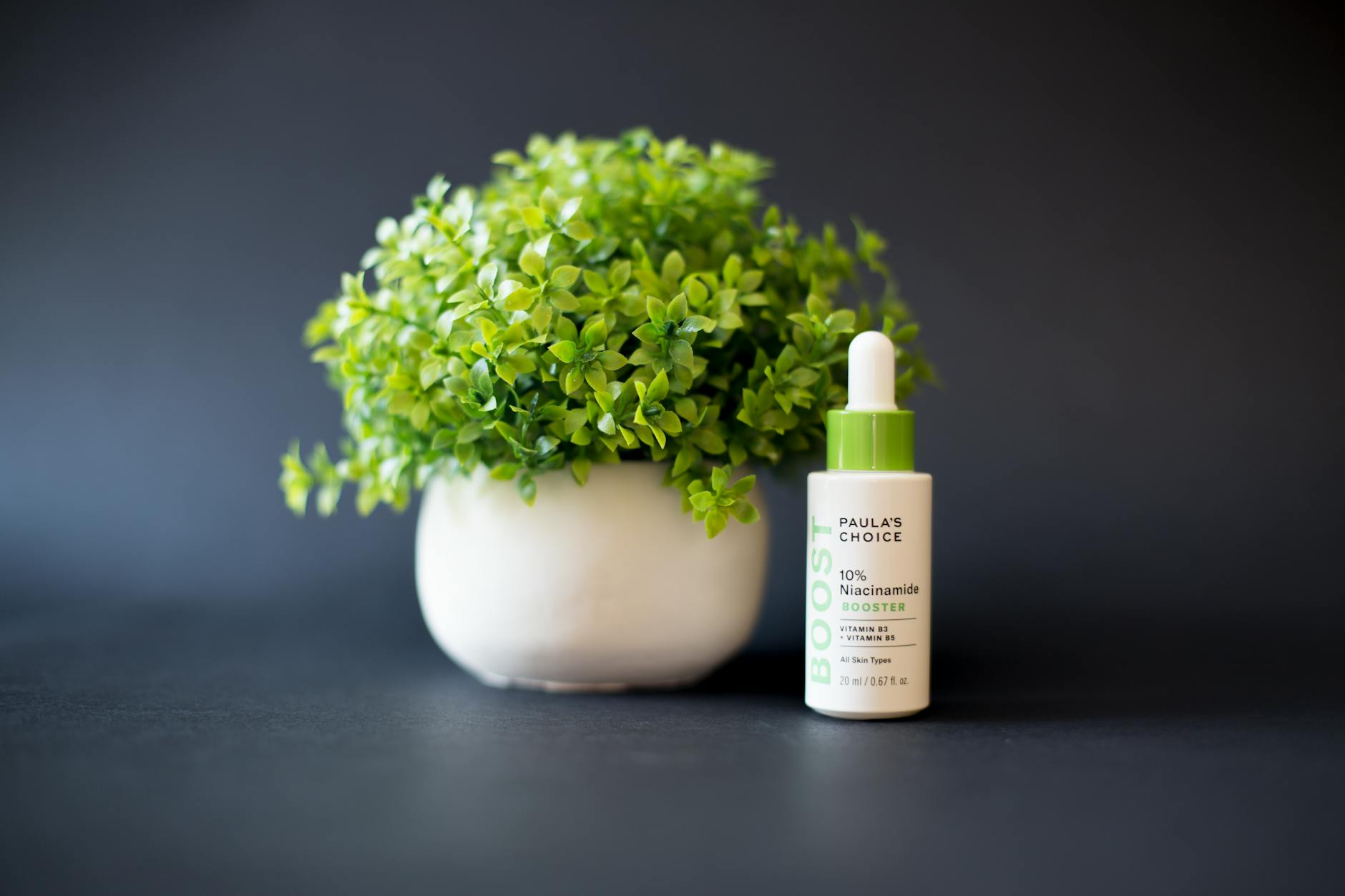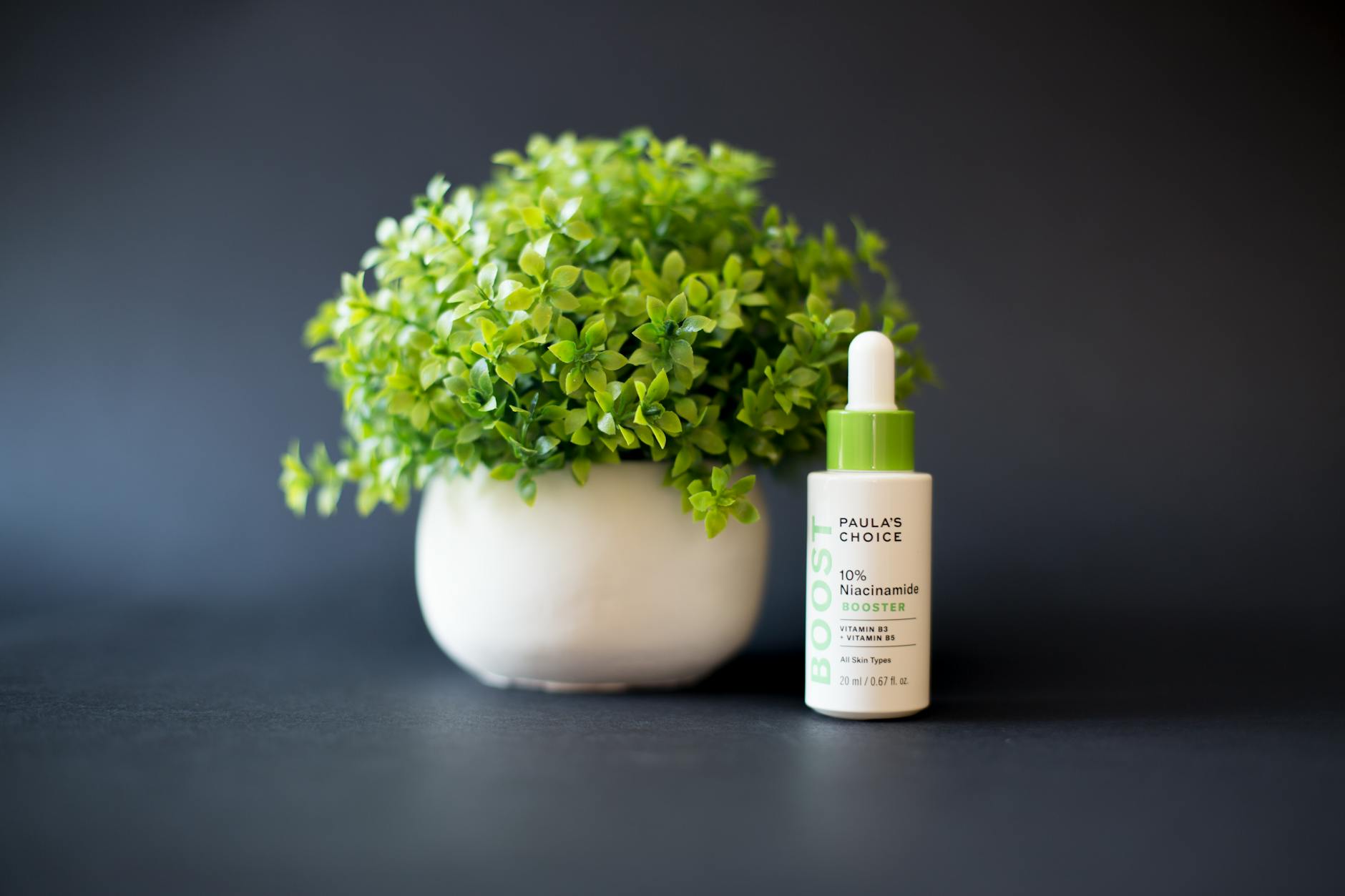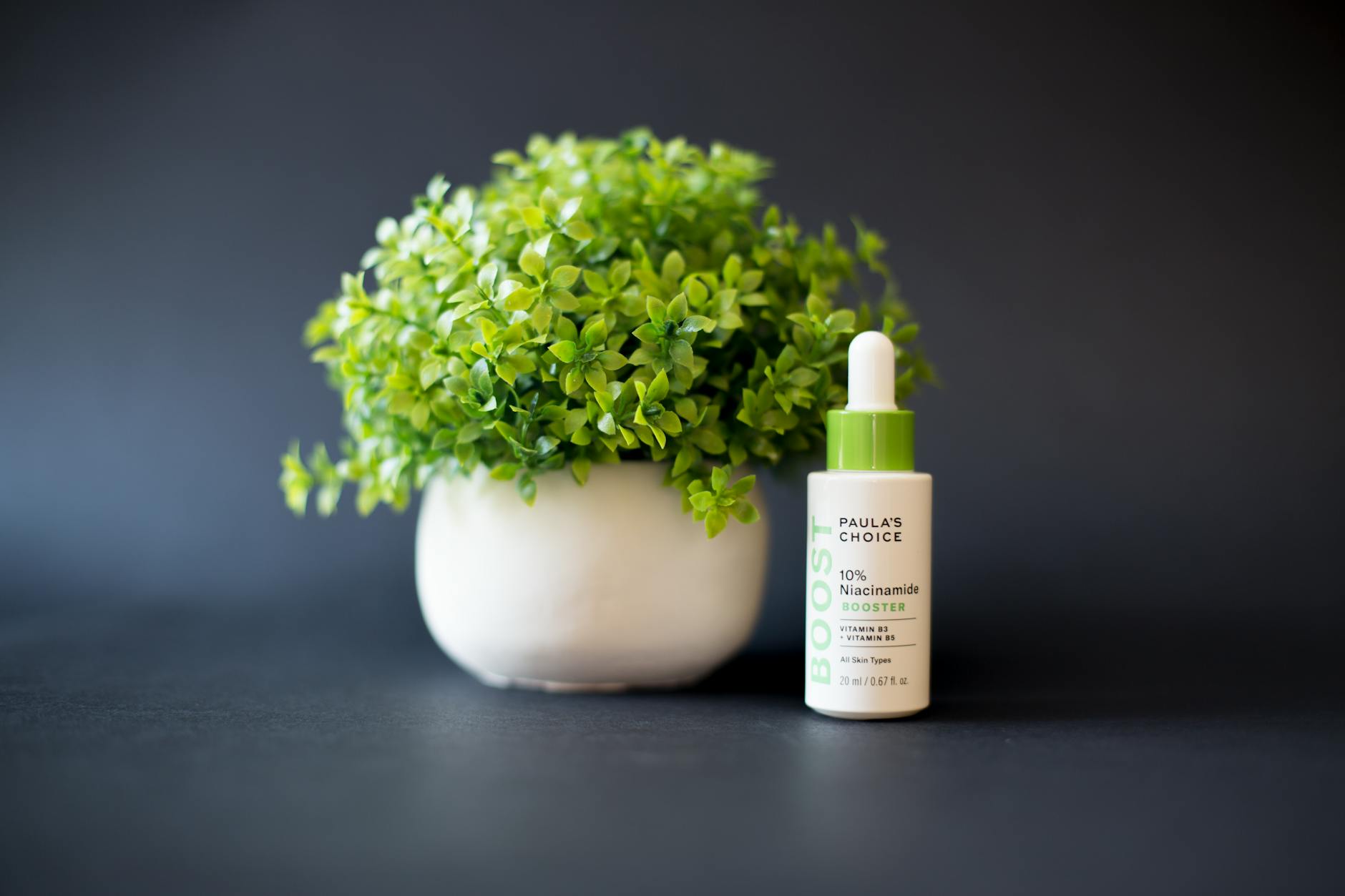
Understanding Rosacea and How Niacinamide Helps

Rosacea is a chronic inflammatory skin condition that causes persistent redness, visible blood vessels, and sometimes small bumps across your cheeks, nose, chin, and forehead. You might notice burning or stinging sensations, and certain triggers like spicy foods, alcohol, stress, or sun exposure can make symptoms worse. While rosacea can feel overwhelming and impact your confidence, the good news is that effective treatments exist to manage symptoms and prevent flare-ups.
"Niacinamide works by calming inflammation and strengthening your skin's natural protective barrier."
Niacinamide, also known as nicotinamide or vitamin B3, offers powerful benefits for rosacea-prone skin through two key mechanisms. First, it acts as an anti-inflammatory agent, reducing the redness and irritation that characterize rosacea flare-ups. Clinical studies show niacinamide can significantly decrease inflammatory markers in the skin.
Second, niacinamide strengthens your skin's barrier function by boosting ceramide production and improving moisture retention. A stronger barrier means your skin becomes less reactive to environmental triggers that typically worsen rosacea. For example, many people find their skin tolerates temperature changes better after consistent niacinamide use. This dual action makes niacinamide particularly effective for managing rosacea symptoms long-term while supporting overall skin health.
How to Use Niacinamide for Rosacea-Prone Skin

Using niacinamide correctly can make the difference between clear skin and unwanted flare-ups. Your rosacea-prone skin requires gentle handling to prevent irritation that could worsen redness or lead to lasting damage.
“Starting slowly with niacinamide gives your sensitive skin time to adapt without triggering inflammation.”
Begin with a 2% to 5% niacinamide concentration rather than jumping to higher strengths. Many people make the mistake of starting too strong, which can cause immediate burning or stinging. Lower concentrations still provide anti-inflammatory benefits while your skin builds tolerance.
Patch testing prevents unpleasant surprises. Apply a small amount behind your ear or on your inner wrist 24 hours before first use. This simple step can save you from a full-face reaction that might set back your progress for weeks.
Use a mild, fragrance-free cleanser to avoid pre-irritating your skin.
Place 2-3 drops on clean skin before heavier creams or oils.
Seal in the treatment with a rosacea-friendly moisturizer to prevent dryness.
Start using niacinamide every other evening for the first two weeks. If your skin tolerates this well, gradually increase to nightly use, then consider adding morning application. Watch for any increased redness, burning, or peeling - signs to slow down your routine.
What to Expect: Timeline and Realistic Results
Starting niacinamide for rosacea requires patience, but understanding what to expect helps set realistic goals. Most people notice initial calming effects within 2-3 weeks, with the first sign being reduced daily redness and less burning sensations. Significant improvements in persistent redness and fewer flare-ups typically appear after 6-8 weeks of consistent use.
Niacinamide excels at reducing inflammation, strengthening your skin barrier, and minimizing the appearance of enlarged pores common with rosacea. You can expect less reactive skin that tolerates triggers better and fewer inflammatory bumps.
However, niacinamide won't eliminate visible blood vessels or completely prevent all flare-ups. While it significantly reduces redness and prevents permanent damage that causes scarring, it works best as part of a comprehensive rosacea management plan. Your skin will become more resilient, but avoiding known triggers remains important for optimal results.
Precautions and Tips for Success

Understanding potential risks helps you avoid setbacks that could worsen your rosacea or delay improvement. The most common mistake is starting with too high a concentration of niacinamide—begin with 5% formulations and gradually increase only if your skin tolerates it well.
Watch for signs that indicate you should stop or reduce usage. Increased redness, burning sensations, or new breakouts within the first week may signal sensitivity. Unlike purging from other actives, niacinamide rarely causes initial flare-ups in rosacea patients when used correctly.
Contact a dermatologist immediately if you experience severe reactions, persistent worsening after two weeks, or if your rosacea symptoms change dramatically. While permanent scarring from rosacea is uncommon with proper care, early professional intervention prevents complications and addresses your concerns about lasting damage.
Layer niacinamide strategically with other gentle ingredients for maximum benefit. Apply it after cleansing but before heavier moisturizers. Avoid combining with vitamin C in the same routine, as this can reduce effectiveness. For example, use niacinamide in the morning with a gentle moisturizer containing ceramides, then apply mineral sunscreen.
Consistency matters more than perfection—missing occasional applications won't derail your progress, but daily use typically produces the best results for managing rosacea symptoms long-term.
Getting Started: Your Next Steps
Niacinamide offers genuine hope for managing rosacea symptoms without the harsh side effects of traditional treatments. This gentle yet effective ingredient can reduce redness, strengthen your skin barrier, and calm inflammation when used consistently.
Begin with a 2-5% niacinamide serum applied once daily to clean skin.
Track improvements in redness and irritation over 4-6 weeks before adjusting your routine.
Increase to twice daily application once your skin tolerates the initial regimen comfortably.
Remember that managing rosacea takes patience, but consistent use of niacinamide can help prevent future flare-ups and reduce the social anxiety that comes with visible symptoms. Many people see noticeable improvements within the first month of regular use.
Start with low-concentration niacinamide and give it at least 4-6 weeks to show results while protecting your skin with gentle, fragrance-free products.
Frequently Asked Questions
What is rosacea and what are its symptoms?
Rosacea is a chronic inflammatory skin condition that causes persistent redness, visible blood vessels, and sometimes small bumps across your cheeks, nose, chin, and forehead. You might notice burning or stinging sensations, and certain triggers like spicy foods, alcohol, stress, or sun exposure can make symptoms worse.
How does niacinamide help with rosacea?
Niacinamide helps rosacea through two key mechanisms: it acts as an anti-inflammatory agent to reduce redness and irritation, and it strengthens your skin's barrier function by boosting ceramide production. A stronger barrier makes your skin less reactive to environmental triggers that typically worsen rosacea. Clinical studies show niacinamide can significantly decrease inflammatory markers in the skin.
What concentration of niacinamide should I start with for rosacea?
Begin with a 2% to 5% niacinamide concentration rather than jumping to higher strengths. Lower concentrations still provide anti-inflammatory benefits while your skin builds tolerance. Starting too strong can cause immediate burning or stinging in rosacea-prone skin.
How should I apply niacinamide for rosacea-prone skin?
First cleanse gently with a mild, fragrance-free cleanser, then apply 2-3 drops of niacinamide on clean skin before heavier creams or oils. Follow with a rosacea-friendly moisturizer to seal in the treatment and prevent dryness. Always patch test behind your ear or on your inner wrist 24 hours before first use.
How long does it take to see results from niacinamide for rosacea?
Most people notice initial calming effects within 2-3 weeks, with the first sign being reduced daily redness and less burning sensations. Significant improvements in persistent redness and fewer flare-ups typically appear after 6-8 weeks of consistent use. Start using niacinamide every other evening for the first two weeks before gradually increasing frequency.
Disclaimer: This content is for informational purposes only and does not constitute medical advice. Always consult a qualified healthcare provider before making health decisions.