Why Sensitive Skin Needs Niacinamide

Sensitive skin faces unique challenges that require gentle yet effective solutions. Niacinamide stands out as an ideal ingredient because it delivers powerful benefits without causing irritation that can worsen existing skin concerns or lead to lasting damage.
This vitamin B3 derivative strengthens your skin's natural barrier function, helping lock in moisture while keeping irritants out. A compromised skin barrier often triggers sensitivity reactions, redness, and inflammation. When niacinamide reinforces this protective layer, your skin becomes more resilient against environmental stressors and daily skincare routines.
“Niacinamide provides anti-inflammatory benefits that calm reactive skin without the harshness of traditional acne treatments.”
The anti-inflammatory properties of niacinamide work particularly well for sensitive skin types prone to redness and breakouts. Unlike salicylic acid or benzoyl peroxide, which can cause peeling and irritation, niacinamide reduces inflammation gently. This makes it perfect for people who worry about scarring from aggressive treatments.
Niacinamide also regulates sebum production naturally, helping control oiliness without over-drying your skin. This balanced approach minimizes pore appearance while maintaining healthy moisture levels. For sensitive skin seeking clear results without harsh side effects, niacinamide offers an effective, well-tolerated solution that works with your skin rather than against it.
How to Start Using Niacinamide on Sensitive Skin

Starting niacinamide doesn't have to trigger flare-ups or worsen your skin concerns. The key lies in a methodical approach that respects your skin's reactive nature while building tolerance gradually.
“Success with niacinamide on sensitive skin comes from patience, not pressure.”
Begin with products containing 2-5% niacinamide concentration. Higher percentages often cause irritation in sensitive skin types, making lower concentrations your safest starting point. Many effective serums and moisturizers fall within this gentle range.
Apply a small amount behind your ear or on your inner wrist for 24-48 hours to check for reactions.
Use niacinamide every third evening for the first week, then every other evening for week two.
Gradually increase to nightly use by week three if your skin shows no irritation signs.
Evening application works best initially, as your skin repairs overnight without environmental stressors.
Evening application reduces potential photo-sensitivity concerns and allows your skin to adjust without sun exposure. Once your skin tolerates nightly use comfortably, you can consider adding morning application.
Watch for redness, stinging, or increased breakouts during your first two weeks. These signs indicate you're progressing too quickly. If irritation occurs, step back to less frequent application and rebuild tolerance more slowly.
Choosing the Right Niacinamide Concentration
For sensitive skin, the 2-5% niacinamide concentration range provides maximum benefits with minimal irritation risk. This sweet spot delivers effective pore refinement and oil control without overwhelming your skin's protective barrier.
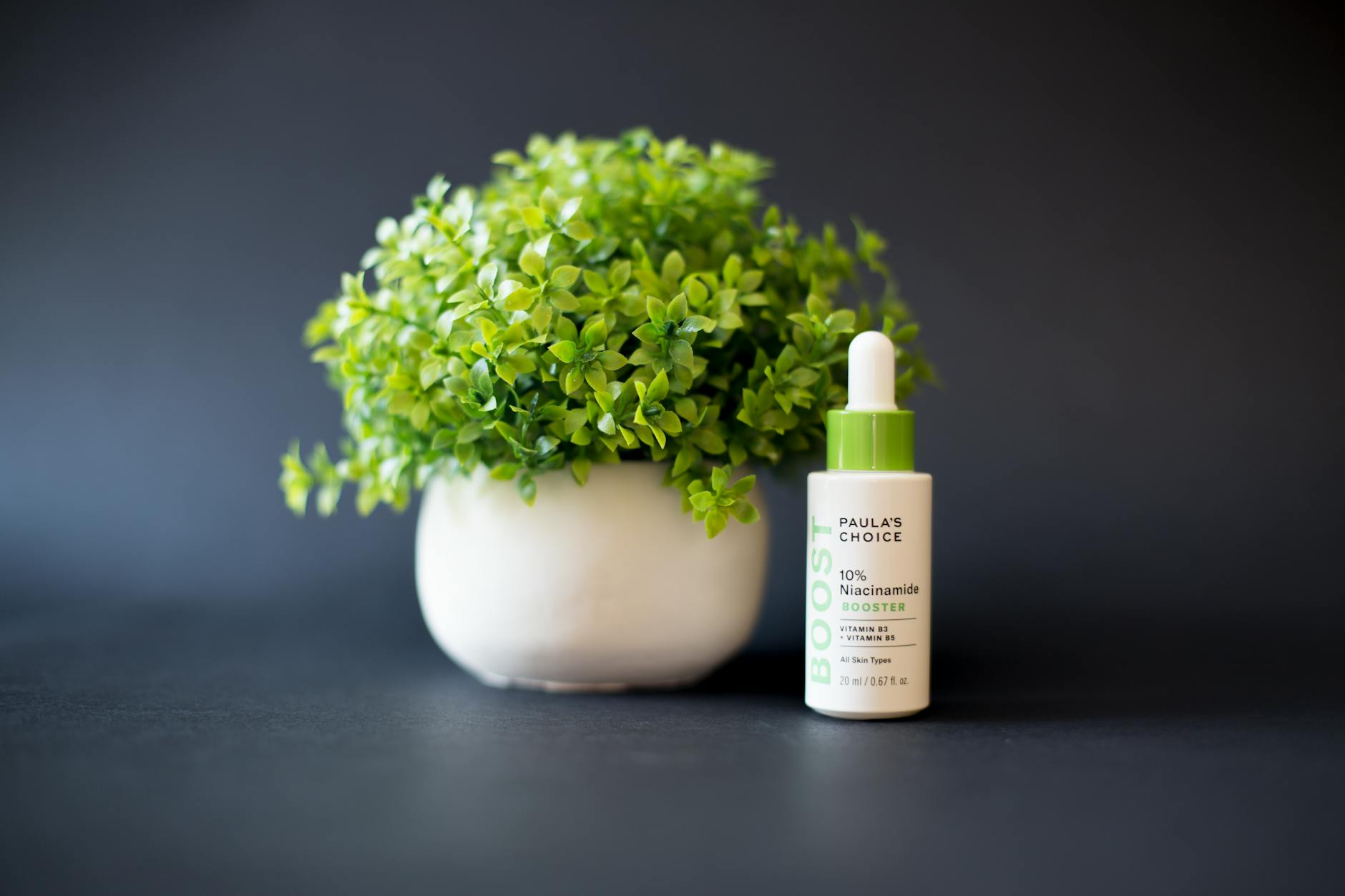
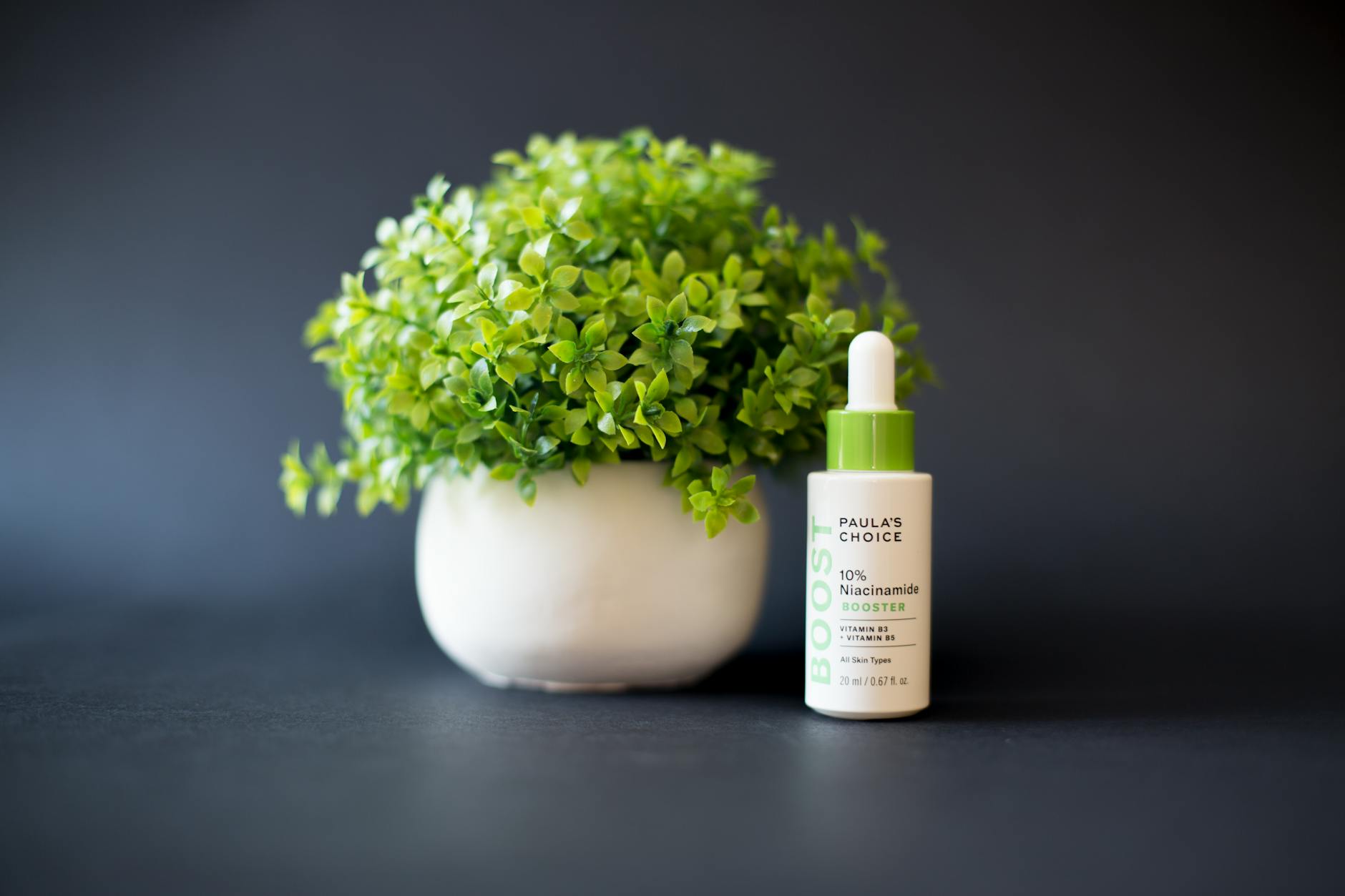
Higher concentrations like 10% or 20% don't necessarily work better for sensitive skin types. These stronger formulas can trigger redness, stinging, and flaking that may worsen your skin concerns rather than improve them. Your skin needs gentle, consistent treatment to build tolerance over time.
When reading product labels, look for niacinamide listed within the first five ingredients, indicating meaningful concentration. Avoid products combining niacinamide with strong actives like retinol or high-percentage acids initially.
Watch for signs you need to adjust concentration: persistent burning, increased breakouts, or new dry patches. These symptoms signal your current product is too strong. Step down to a lower concentration and rebuild tolerance gradually. Remember, gentle consistency prevents the scarring and irritation you're working to avoid.
Combining Niacinamide with Sensitive Skin Routines
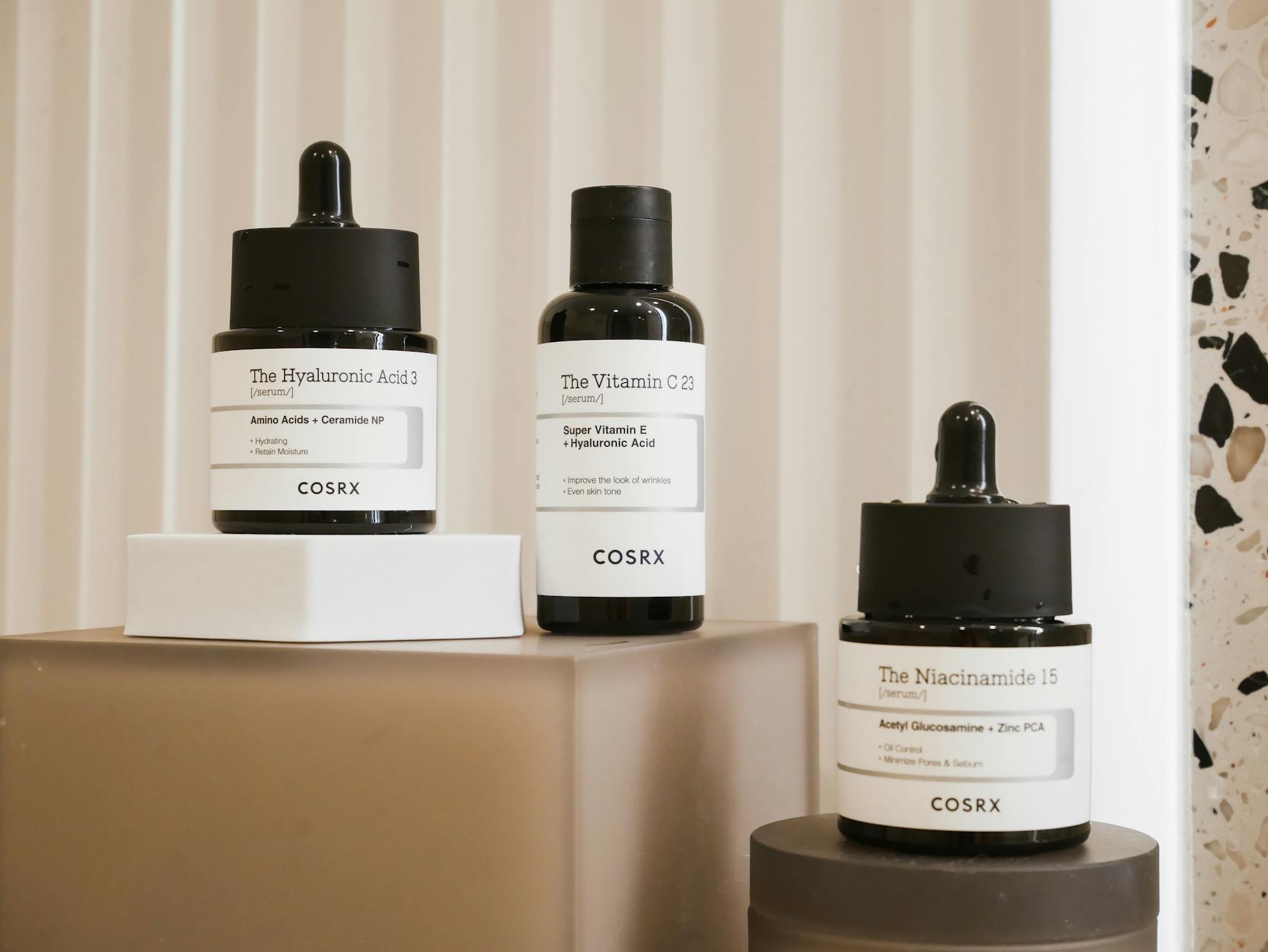
Niacinamide works well with most gentle skincare ingredients, making it perfect for sensitive skin routines. You can safely combine it with hyaluronic acid, ceramides, and gentle moisturizers without worrying about irritation or adverse reactions.
Avoid mixing niacinamide with vitamin C in the same application, as this combination can reduce effectiveness and potentially cause flushing in sensitive individuals. Alpha hydroxy acids and retinoids should also be used separately—apply them at different times of day to prevent overwhelming your skin.
Apply niacinamide after cleansing and before moisturizer and sunscreen.
Use niacinamide before heavier treatments like retinoids or after acids (wait 30 minutes between applications).
Start with 3 times per week, gradually increasing to daily use as your skin adjusts.
A complete sensitive skin routine might include a gentle cleanser, niacinamide serum, hyaluronic acid, ceramide moisturizer, and broad-spectrum sunscreen. This approach prevents the skin damage and scarring that many people with sensitive skin worry about while building tolerance gradually.
Remember that consistency matters more than speed—building a routine slowly protects your skin barrier and reduces the risk of setbacks that could delay your progress toward clear, healthy skin.
Warning Signs and When to Stop

While niacinamide is generally well-tolerated, sensitive skin requires careful monitoring during the initial weeks. Normal adjustment includes mild tingling that subsides within minutes or temporary slight redness that fades quickly. Your skin may also feel slightly tight for the first few applications as it adapts to the new ingredient.
Stop using niacinamide immediately if you experience persistent burning that lasts more than 30 minutes, spreading rash beyond the application area, swelling, or blistering. These red flag symptoms indicate true sensitivity rather than normal adjustment. Severe itching that worsens over several days also warrants discontinuation.
Consult a dermatologist if adverse reactions persist 48 hours after stopping niacinamide, if you develop widespread inflammation, or if you're unsure whether your symptoms are normal. Professional guidance prevents potential scarring and helps identify underlying sensitivities.
To safely discontinue, stop all niacinamide products immediately and return to your basic gentle cleanser and moisturizer routine. Avoid introducing new products for at least one week while your skin recovers.
What to Expect: Timeline and Results
Sensitive skin responds more gradually to niacinamide than other skin types. Week one typically brings reduced irritation from existing products. By week three, you'll notice calmer skin with less reactivity to environmental triggers. Week six often shows visible improvements in redness and texture.
Your results may appear slower than those with normal skin, but this gradual progress actually protects against permanent damage. Long-term benefits include strengthened skin barrier function and reduced sensitivity to harsh weather or new products. Maintaining results requires consistent use and avoiding overloading your routine with additional actives.
Patience with niacinamide leads to lasting improvements in skin strength and reduced sensitivity.
Frequently Asked Questions
Why is niacinamide good for sensitive skin?
Niacinamide is ideal for sensitive skin because it delivers powerful benefits without causing irritation that can worsen existing skin concerns. This vitamin B3 derivative strengthens your skin's natural barrier function, helping lock in moisture while keeping irritants out. It also provides anti-inflammatory benefits that calm reactive skin without the harshness of traditional acne treatments like salicylic acid or benzoyl peroxide.
What concentration of niacinamide should I use for sensitive skin?
For sensitive skin, start with products containing 2-5% niacinamide concentration. Higher percentages often cause irritation in sensitive skin types, making lower concentrations your safest starting point. This sweet spot provides maximum benefits with minimal irritation risk while delivering effective pore refinement and oil control.
How should I start using niacinamide if I have sensitive skin?
Begin by patch testing behind your ear or on your inner wrist for 24-48 hours to check for reactions. Start slowly by using niacinamide every third evening for the first week, then every other evening for week two. Gradually increase to nightly use by week three if your skin shows no irritation signs, and choose evening application initially as your skin repairs overnight without environmental stressors.
Can niacinamide help with breakouts on sensitive skin?
Yes, niacinamide is particularly effective for sensitive skin prone to redness and breakouts. Unlike harsh treatments like benzoyl peroxide, niacinamide reduces inflammation gently while regulating sebum production naturally. This balanced approach helps control oiliness without over-drying your skin and minimizes pore appearance while maintaining healthy moisture levels.
What should I do if niacinamide causes irritation on my sensitive skin?
Watch for redness, stinging, or increased breakouts during your first two weeks of use, as these signs indicate you're progressing too quickly. If irritation occurs, step back to less frequent application and rebuild tolerance more slowly. Success with niacinamide on sensitive skin comes from patience, not pressure, so take time to let your skin adjust gradually.
Disclaimer: This content is for informational purposes only and does not constitute medical advice. Always consult a qualified healthcare provider before making health decisions.