Understanding Niacinamide Side Effects

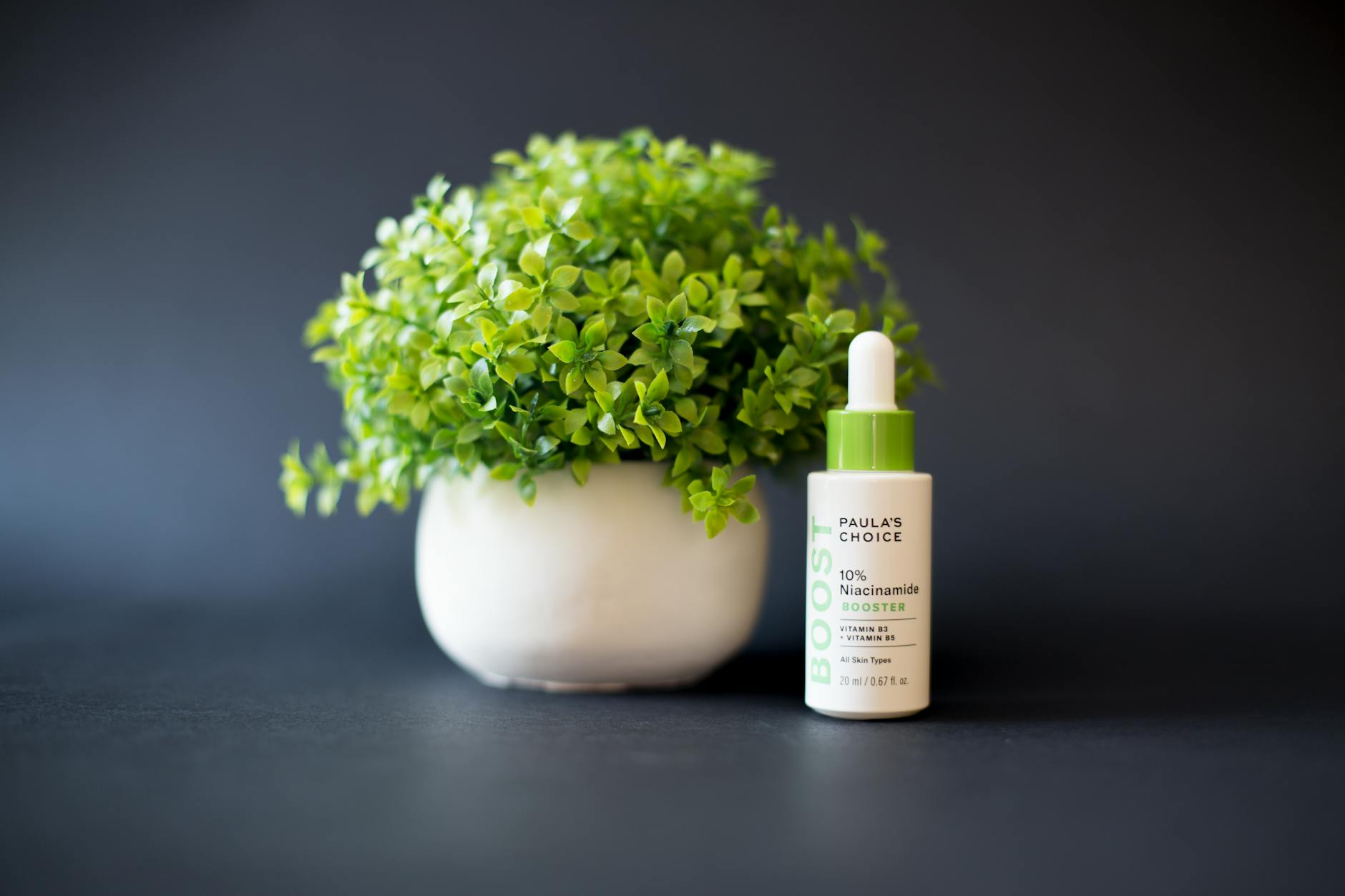
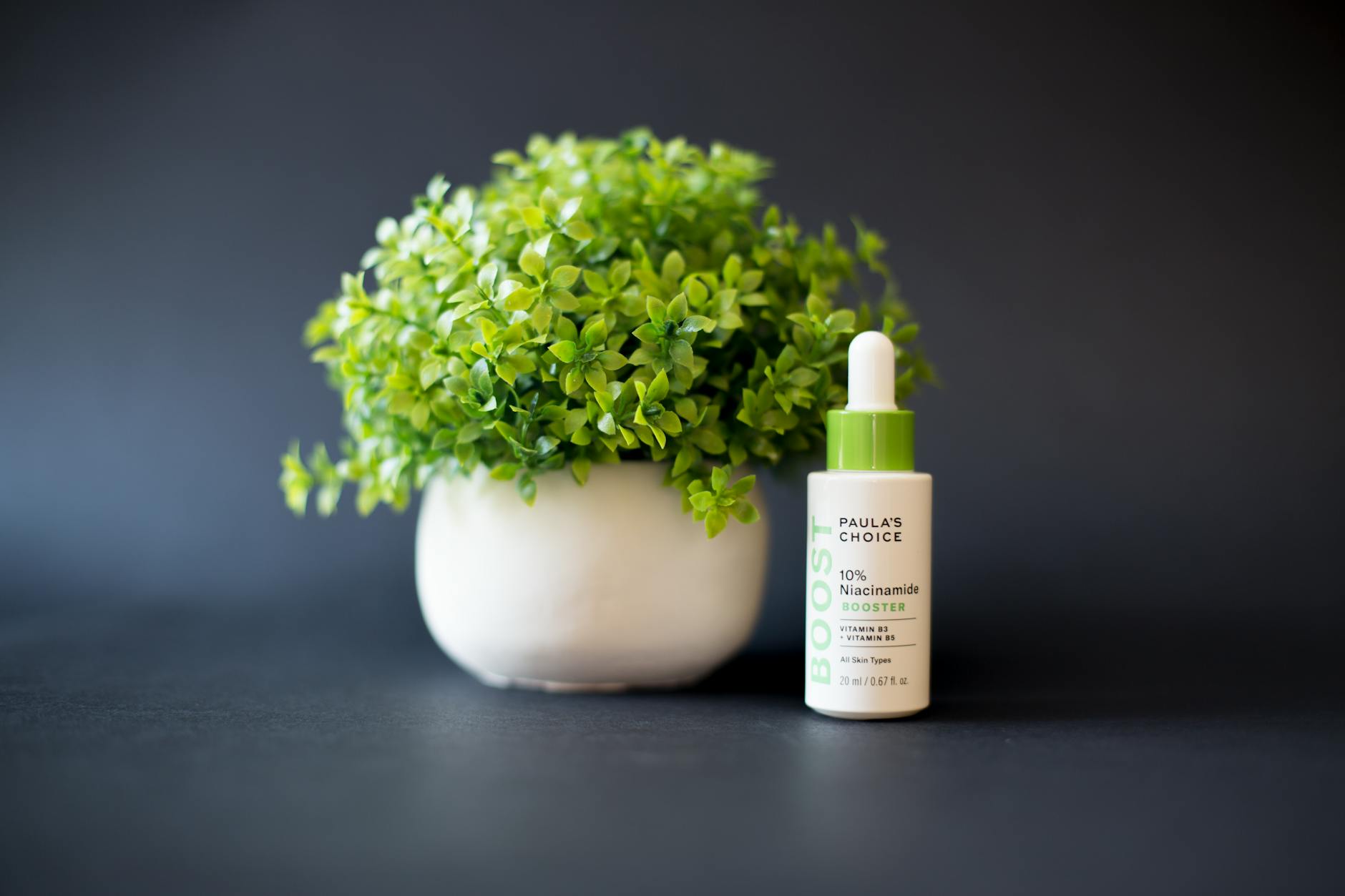
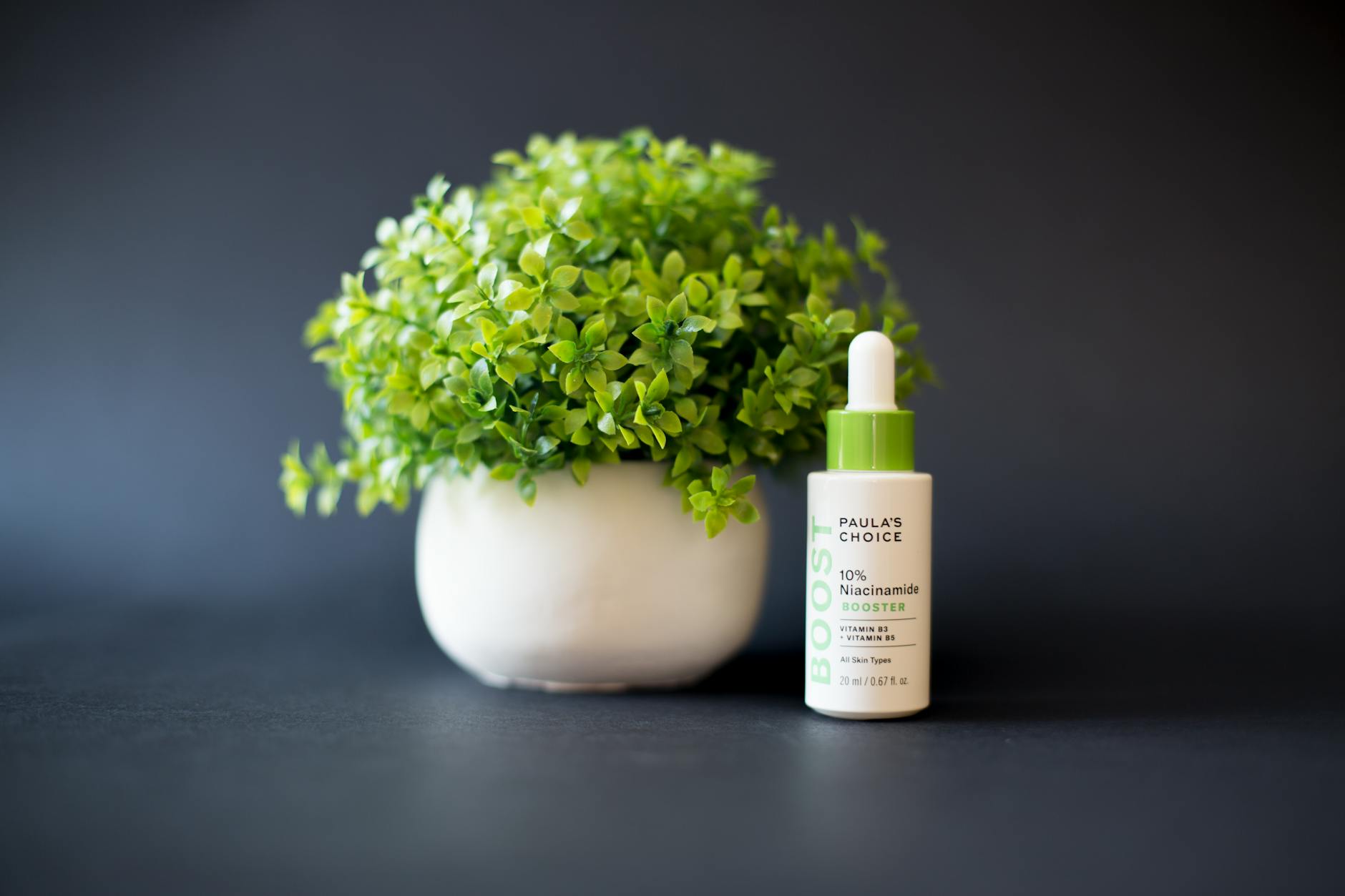
Niacinamide, also known as nicotinamide, stands out as one of the gentlest active ingredients in skincare. This form of vitamin B3 rarely causes significant reactions, making it suitable for most skin types including sensitive skin. While no cosmetic ingredient is completely risk-free, niacinamide's safety profile remains excellent.
“Niacinamide is considered one of the safest and most universally tolerated skincare actives available today.”
Most people experience no side effects when using niacinamide serum. When reactions do occur, they typically involve mild temporary irritation such as slight redness, tingling, or warmth upon application. These symptoms usually disappear within minutes and resolve completely as your skin adjusts to the product over several days.
Understanding potential side effects empowers you to use niacinamide confidently and recognize normal adjustment periods versus genuine concerns. This knowledge helps distinguish between temporary skin adaptation and actual allergic reactions, preventing unnecessary worry about permanent damage to your complexion.
The vast majority of niacinamide users experience only positive effects including reduced breakouts, improved skin texture, and minimized pores. Serious adverse reactions remain extremely uncommon, and when mild side effects do appear, they typically resolve quickly with proper application and gradual introduction to your routine.
Common Niacinamide Side Effects

Most people tolerate niacinamide well, but understanding potential reactions helps you recognize normal adjustment versus concerning symptoms. The good news is that these side effects rarely cause permanent damage or scarring when addressed promptly.
Skin irritation and redness represent the most frequent complaints, typically appearing as mild pink patches or general facial flushing. This reaction often occurs when starting niacinamide or using concentrations above 10%. Your skin might look slightly inflamed for a few hours after application, similar to mild sunburn.
"Most niacinamide side effects are temporary and resolve as your skin builds tolerance."
A burning or stinging sensation can catch new users off guard. This sharp, temporary discomfort usually lasts 30-60 seconds after applying the serum. The sensation resembles what you might feel from astringent toner but typically fades quickly. If burning persists beyond a few minutes, your concentration may be too strong.
Dryness and flaking affect users with naturally dry or sensitive skin types most often. Your skin might feel tight or develop small white flakes, particularly around the nose and mouth areas. This happens because niacinamide can temporarily disrupt your moisture barrier while your skin adapts.
Increased sensitivity to other products creates unexpected reactions to your existing skincare routine. Products that never bothered you before might suddenly cause stinging or irritation. This occurs because niacinamide can make your skin temporarily more reactive while adjusting to the new ingredient.
These reactions typically resolve within 1-2 weeks as your skin builds tolerance. Starting with lower concentrations and gradually increasing helps minimize discomfort while achieving your clear skin goals safely.
When Side Effects Are Most Likely to Occur
Understanding when niacinamide reactions are most likely helps you use this ingredient safely and effectively. Most side effects occur under specific circumstances that you can identify and avoid.
High concentration formulas above 10% niacinamide create the highest risk for irritation. Your skin can only absorb so much niacinamide at once, and excess amounts often cause redness, stinging, or breakouts. Many effective serums contain 5-10% niacinamide, which provides benefits without overwhelming your skin barrier.
Sensitive or compromised skin barriers increase reaction risk significantly. If you have active acne, recent chemical peels, or conditions like eczema, your skin cannot handle normal concentrations. Start with lower percentages and monitor your response carefully.
Combining niacinamide with vitamin C, retinol, or alpha hydroxy acids without proper timing causes interactions that irritate skin. These combinations can work together, but require careful layering and gradual introduction to prevent adverse reactions.
First-time users who skip patch testing face unnecessary risks. Many reactions that could lead to temporary marks or prolonged irritation are completely preventable with a simple 72-hour patch test on your inner wrist. This small step protects you from larger problems and gives you confidence to proceed safely.
How to Minimize Risk of Side Effects

Smart application strategies can dramatically reduce your chances of experiencing niacinamide side effects. Following these proven prevention methods helps you achieve clear skin without unnecessary setbacks or the scarring concerns that worry many users.
Begin with 2-5% niacinamide concentration rather than jumping to 10% formulations.
Apply a small amount behind your ear for 24-48 hours before using on your face.
Use every other day for the first week, then increase frequency as your skin adapts.
Select serums from reputable brands with stable formulations and minimal added fragrances.
Your skin needs time to build tolerance, especially if you're already using other active ingredients like retinol or acids. When patch testing, watch for redness, burning, or unusual bumps. A slight tingling sensation is normal initially, but persistent irritation signals you should pause and reassess your approach.
Quality matters significantly with niacinamide products. Well-formulated serums maintain proper pH levels and use purified ingredients that reduce contamination risks. For example, The Ordinary's Niacinamide 10% + Zinc 1% undergoes rigorous testing, while cheaper alternatives may contain impurities that trigger reactions.
What to Do If You Experience Side Effects
If niacinamide causes irritation, stop using the product immediately and wash your face with cool water. Remove any remaining serum gently with a mild cleanser. Your skin won't suffer permanent damage from niacinamide reactions, which typically appear as temporary redness or mild burning.
Discontinue use immediately and rinse with cool water to remove residual product.
Use a plain moisturizer without active ingredients to soothe irritated skin.
Most reactions resolve within 24-48 hours of stopping niacinamide use.
Contact a dermatologist if redness persists beyond three days, if you develop severe burning, or if symptoms worsen despite stopping use. Avoid other active ingredients until your skin returns to normal. Most people can retry niacinamide later at a lower concentration once irritation completely resolves.
Stop using niacinamide immediately if irritation occurs, and most reactions resolve within 48 hours.
Frequently Asked Questions
What are the most common side effects of niacinamide?
The most common side effects include mild skin irritation and redness, typically appearing as pink patches or facial flushing. You may also experience a temporary burning or stinging sensation that lasts 30-60 seconds after application. Some users notice dryness, flaking, or increased sensitivity to other skincare products during the adjustment period.
How long do niacinamide side effects last?
Most side effects are temporary and typically resolve within 1-2 weeks as your skin builds tolerance to niacinamide. Mild symptoms like redness or tingling usually disappear within minutes to a few hours after application. These reactions represent normal skin adjustment rather than permanent damage.
Is niacinamide safe for sensitive skin?
Yes, niacinamide is considered one of the gentlest active ingredients in skincare and is suitable for most skin types including sensitive skin. It has an excellent safety profile and is considered one of the safest and most universally tolerated skincare actives available today. While reactions can occur, they are typically mild and temporary.
When are niacinamide side effects most likely to happen?
Side effects are most likely when using high concentration formulas above 10% niacinamide or when first starting to use the ingredient. Your skin can only absorb limited amounts of niacinamide, and excess concentrations often cause redness, stinging, or breakouts. Starting with lower concentrations and gradually increasing helps minimize these reactions.
What should I do if niacinamide burns my skin?
A brief burning or stinging sensation lasting 30-60 seconds is normal when starting niacinamide. However, if the burning persists beyond a few minutes, your concentration may be too strong for your skin. Consider switching to a lower concentration formula and gradually building up tolerance over time.
Disclaimer: This content is for informational purposes only and does not constitute medical advice. Always consult a qualified healthcare provider before making health decisions.