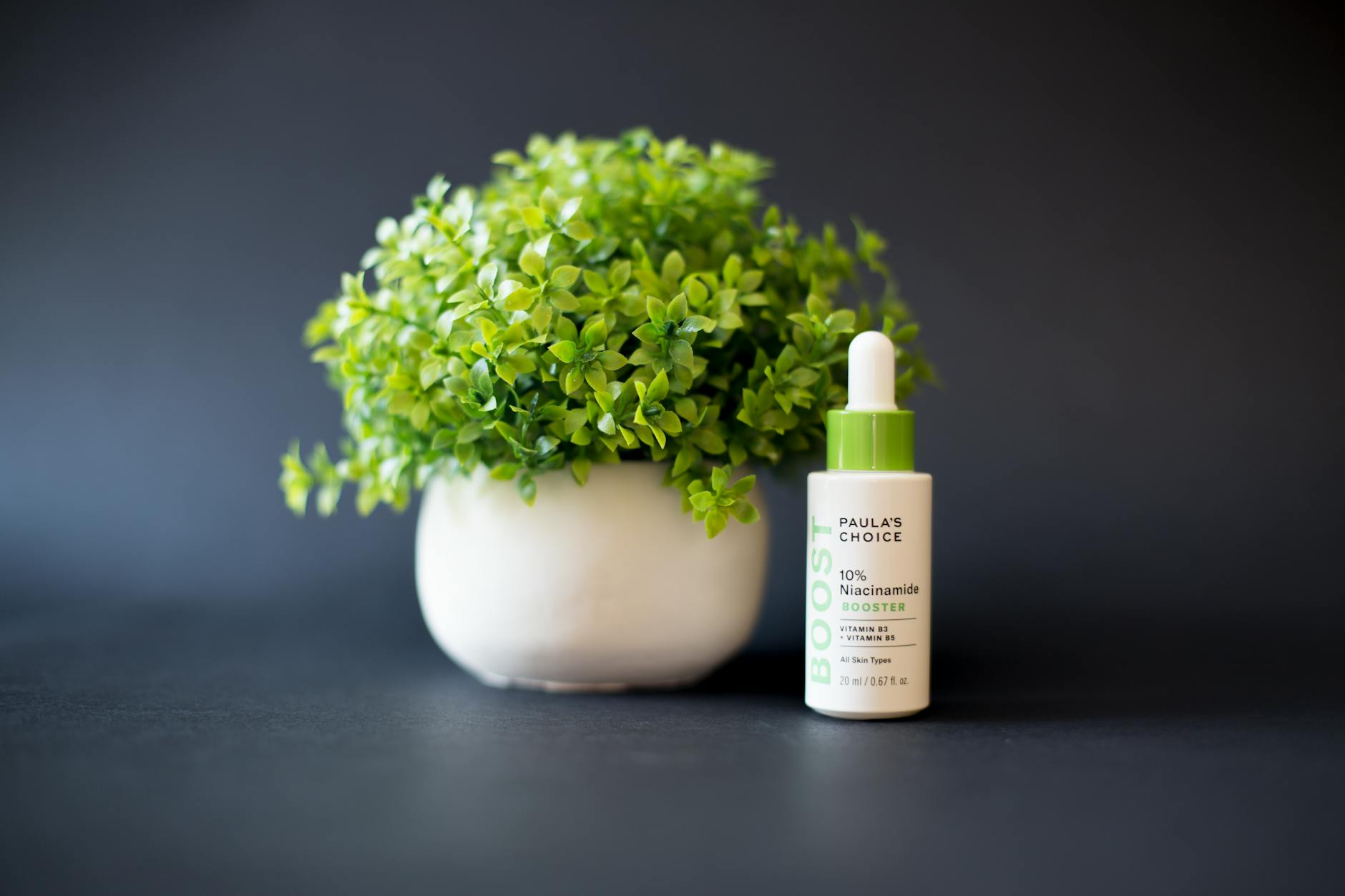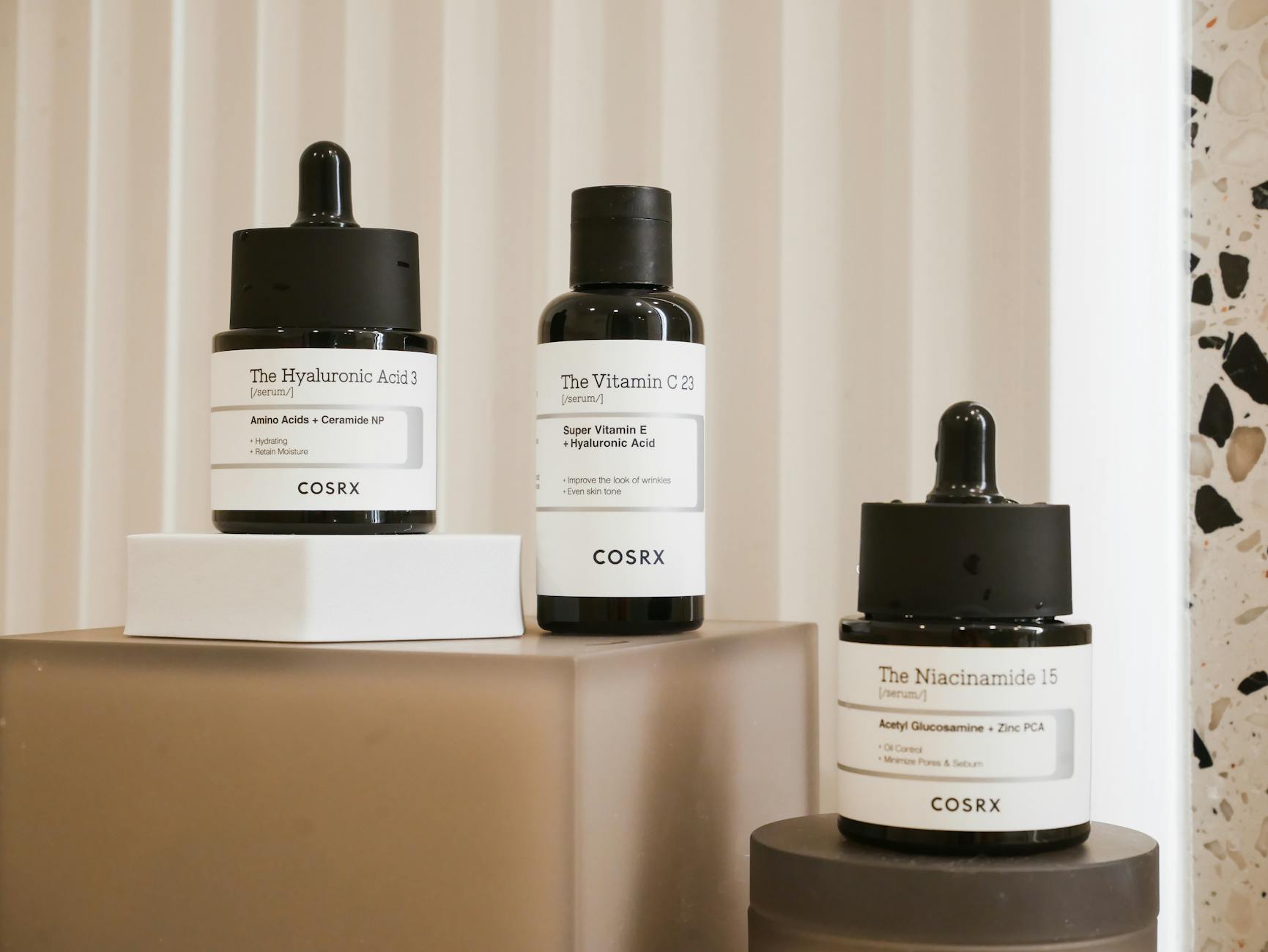
Quick Verdict: Niacinamide vs Salicylic Acid

When choosing between these two powerhouse ingredients, your skin type and specific concerns determine the winner. Niacinamide works best for sensitive skin that needs gentle oil control and pore refinement. This vitamin B3 derivative calms inflammation while regulating sebum production without causing irritation or dryness.
“Salicylic acid targets existing breakouts while niacinamide prevents future ones.”
Salicylic Acid takes the lead for active acne, stubborn blackheads, and clogged pores. This beta hydroxy acid penetrates deep into pores to dissolve oil buildup and dead skin cells that cause breakouts. However, it can be drying and may trigger sensitivity in some users.
The good news? You don't have to choose just one. These ingredients complement each other beautifully when used correctly. Apply salicylic acid treatments in the evening to tackle existing blemishes, then use niacinamide in your morning routine to control oil and reduce inflammation. This combination approach addresses both current breakouts and prevents new ones from forming.
Start with lower concentrations and introduce one ingredient at a time to avoid overwhelming your skin. This strategy helps minimize the risk of permanent scarring while building an effective routine that delivers clear, healthy skin faster than using either ingredient alone.
What Is Niacinamide and How Does It Work?
Niacinamide is a water-soluble form of vitamin B3 that has become one of the most popular skincare ingredients for good reason. This gentle yet effective compound works at the cellular level to regulate sebum production, making it particularly valuable for people worried about acne scars and ongoing breakouts.
The magic happens when niacinamide penetrates your skin and gets to work on multiple fronts. It communicates with your sebaceous glands to normalize oil production without completely shutting it down—your skin needs some natural oils to stay healthy. This balanced approach helps prevent the clogged pores that lead to blackheads, whiteheads, and inflammatory acne.
"Niacinamide works like a skilled mediator, calming inflammation while teaching your skin to behave better long-term."
What makes niacinamide particularly appealing is its anti-inflammatory properties. When applied topically, it reduces redness and irritation that often accompany active breakouts. This means existing blemishes look less angry and heal faster, potentially reducing the risk of post-inflammatory hyperpigmentation that many people fear will become permanent marks.
Unlike harsher acne treatments that can leave sensitive skin feeling raw and irritated, niacinamide actually strengthens your skin barrier. It works well for all skin types, including sensitive and rosacea-prone skin. You might find niacinamide in serums ranging from 5% to 20% concentration, with most dermatologists recommending beginners start with 10% formulations applied once daily after cleansing.
What Is Salicylic Acid and How Does It Work?

Salicylic acid belongs to a family of compounds called beta hydroxy acids (BHAs), and it works differently from other skincare ingredients because of its unique oil-loving properties. Unlike water-based acids that stay on your skin's surface, salicylic acid can actually penetrate deep into your pores where oil and debris accumulate.
This penetrating ability makes salicylic acid particularly effective at dissolving the "glue" that holds dead skin cells together inside your pores. When these cells clump together with oil, they form the plugs we see as blackheads and whiteheads. Salicylic acid breaks down this mixture, allowing your pores to clear naturally and preventing new blockages from forming.
For acne-prone skin, salicylic acid offers another crucial benefit: it reduces inflammation around clogged pores. This anti-inflammatory action helps prevent the angry, red bumps that can lead to scarring when picked or squeezed. Regular use helps keep pores clear and reduces the likelihood of severe breakouts that might cause permanent marks.
You'll find salicylic acid in cleansers, toners, spot treatments, and moisturizers, typically in concentrations ranging from 0.5% to 2%. A common example is using a salicylic acid cleanser in the morning followed by a gentle moisturizer, which provides steady pore-clearing benefits without overwhelming your skin.
Side-by-Side Comparison: Benefits and Limitations
Understanding which ingredient works best for your skin concerns requires looking at their specific strengths and weaknesses. Both niacinamide and salicylic acid target common skin problems, but they take very different approaches to achieving clearer skin.
Niacinamide excels at oil control and inflammation reduction. This vitamin B3 derivative works gently to minimize enlarged pores, reduce redness, and regulate sebum production without causing irritation. You can use niacinamide twice daily from day one, making it ideal for sensitive skin types worried about harsh reactions that might worsen their complexion.
Salicylic Acid proves superior for acne and blackhead removal through its powerful exfoliating action. This beta hydroxy acid penetrates deep into pores to dissolve dead skin cells and excess oil that create stubborn blackheads. However, it requires a slower introduction schedule to prevent over-exfoliation that could lead to peeling or increased breakouts.
The tolerance levels differ significantly between these ingredients. Niacinamide rarely causes adverse reactions and works well with other active ingredients like retinol or vitamin C. Salicylic acid demands more caution, especially when combined with other exfoliating treatments, and may cause initial dryness or flaking as your skin adjusts.
Usage frequencies also vary considerably. Niacinamide can be applied morning and evening without concern, while salicylic acid typically starts with every other day application, gradually increasing to daily use as tolerance builds. This difference matters when you want quick results without risking the irritation that could delay your progress toward clearer skin.
Who Should Choose Niacinamide?
Niacinamide stands out as the gentle giant of skincare ingredients, making it perfect for people whose skin throws tantrums at the first sign of irritation. If your face turns red when you even think about using active ingredients, niacinamide offers effective treatment without the drama.
People with rosacea or chronically sensitive skin find niacinamide particularly beneficial because it actually reduces inflammation rather than causing it. Unlike harsher acids that can trigger flare-ups and worsen redness, niacinamide soothes existing irritation while preventing future outbreaks. This makes it ideal for those worried about making their skin condition worse while trying to improve it.
Those seeking gentle oil control without the peeling and dryness associated with stronger treatments should also choose niacinamide. It regulates sebum production naturally, reducing shine and minimizing pores without stripping your skin's protective barrier. For example, someone with combination skin who experiences oiliness but breaks out from traditional mattifying products would benefit from niacinamide's balanced approach.
Pregnant or breastfeeding individuals often turn to niacinamide since it's considered safe during these periods when many other active ingredients are off-limits.
Who Should Choose Salicylic Acid?
Salicylic acid works best for people dealing with active breakouts and stubborn blackheads. If you wake up to new pimples regularly or struggle with clogged pores that won't clear up, salicylic acid's deep-cleaning power can help prevent the scarring and embarrassment that comes with persistent acne.
Active acne sufferers benefit most from salicylic acid because it penetrates oil-filled pores and dissolves the buildup that causes breakouts. Unlike surface treatments, this ingredient works inside your pores to clear existing clogs and prevent new ones from forming.
People with blackheads and enlarged pores see dramatic improvements because salicylic acid literally dissolves the keratin plugs that create these visible imperfections. Your pores appear smaller as the debris clears out.
Oily skin types that can handle acids typically respond well to salicylic acid. If you've used glycolic acid or retinoids before without excessive irritation, you're likely a good candidate. However, start with lower concentrations if you're acid-sensitive.
Skip salicylic acid if you have very dry or sensitive skin, or if you're pregnant or breastfeeding.
Can You Use Both Together?

Yes, you can safely combine niacinamide and salicylic acid in your routine, but timing matters. These ingredients actually complement each other well when used correctly, with niacinamide helping to calm potential irritation from salicylic acid while maintaining the exfoliation benefits.
The key to success lies in proper layering. Apply salicylic acid first on clean skin, then wait 10-15 minutes before applying niacinamide. This timing prevents the ingredients from interfering with each other's pH levels and absorption. Many people start with salicylic acid in the evening and niacinamide in the morning, gradually working up to using both at night.
Use salicylic acid 2-3 times per week and niacinamide daily for the first month.
Apply salicylic acid first, wait 15 minutes, then follow with niacinamide serum.
Watch for excessive dryness, redness, or peeling that signals over-exfoliation.
This combination can enhance your results significantly. Salicylic acid clears pores and prevents breakouts, while niacinamide reduces inflammation and controls oil production. Together, they address multiple acne triggers without the harsh effects of stronger treatments that might cause the scarring you're trying to avoid.
Watch for signs of over-exfoliation: persistent redness, burning sensations, or increased breakouts. If these occur, reduce frequency or separate the products to alternate days. Remember, consistent gentle treatment prevents future breakouts better than aggressive approaches that damage your skin barrier.
Final Recommendation
Your path to clear skin without permanent scarring starts with understanding your unique needs. For beginners, niacinamide offers the gentler entry point with its soothing, barrier-strengthening properties that reduce inflammation while preventing future breakouts.
Start with a 5% niacinamide serum applied twice daily. This approach minimizes irritation while building your skin's resilience. Most people see improvements within 4-6 weeks without the redness or peeling that can worsen scarring concerns.
If acne persists after 8 weeks, introduce salicylic acid gradually. Begin with 0.5% concentration every other evening, monitoring how your skin responds. This progressive approach prevents the overwhelming irritation that drives many to abandon their routines.
When combining both ingredients proves necessary, separate their application by several hours or use professional guidance. A dermatologist can assess your specific scarring risk and create a customized protocol that addresses your acne without compromising your skin barrier.
Start gentle with niacinamide, add salicylic acid only if needed, and seek professional help for combination protocols.
Frequently Asked Questions
Which is better for sensitive skin, niacinamide or salicylic acid?
Niacinamide is better for sensitive skin because it provides gentle oil control and pore refinement without causing irritation or dryness. This vitamin B3 derivative actually strengthens your skin barrier and works well for all skin types, including sensitive and rosacea-prone skin. Unlike harsher acne treatments, niacinamide calms inflammation while regulating sebum production at the cellular level.
Can you use niacinamide and salicylic acid together?
Yes, you can use niacinamide and salicylic acid together as they complement each other beautifully when used correctly. Apply salicylic acid treatments in the evening to tackle existing blemishes, then use niacinamide in your morning routine to control oil and reduce inflammation. This combination approach addresses both current breakouts and prevents new ones from forming, delivering clear, healthy skin faster than using either ingredient alone.
What does salicylic acid do for acne?
Salicylic acid penetrates deep into pores to dissolve oil buildup and dead skin cells that cause breakouts. It breaks down the mixture of clumped dead skin cells and oil that forms blackheads and whiteheads, allowing pores to clear naturally. This beta hydroxy acid is particularly effective for active acne, stubborn blackheads, and clogged pores because of its unique oil-loving properties that help it reach where other ingredients cannot.
How does niacinamide help prevent acne?
Niacinamide prevents acne by regulating sebum production at the cellular level, communicating with sebaceous glands to normalize oil production without completely shutting it down. It also has anti-inflammatory properties that reduce redness and irritation, helping existing blemishes heal faster and potentially reducing the risk of post-inflammatory hyperpigmentation. This balanced approach helps prevent the clogged pores that lead to blackheads, whiteheads, and inflammatory acne.
What concentration of niacinamide should beginners use?
Most dermatologists recommend beginners start with 10% niacinamide formulations applied once daily after cleansing. You can find niacinamide in serums ranging from 5% to 20% concentration, but starting with lower concentrations helps minimize the risk of overwhelming your skin. It's important to introduce one ingredient at a time to avoid sensitivity and build an effective routine gradually.
Disclaimer: This content is for informational purposes only and does not constitute medical advice. Always consult a qualified healthcare provider before making health decisions.