What Are Retinoids and Why Start Using Them

Retinoids are vitamin A derivatives that work by speeding up cell turnover and unclogging pores. These powerful ingredients represent one of the most scientifically proven treatments for both acne and anti-aging concerns.
“Retinoids tackle acne at its source while simultaneously preventing the scarring that causes lasting skin damage.”
For acne sufferers, retinoids prevent comedone formation and reduce inflammatory lesions. They also help fade post-acne marks that can lead to permanent discoloration. Beyond acne treatment, retinoids stimulate collagen production and improve skin texture, making them effective against photoaging signs like fine lines and uneven pigmentation.
Setting realistic expectations helps ensure success with your retinoid journey. Most people see acne improvements within 6-12 weeks of consistent use, while anti-aging benefits typically become noticeable after 3-6 months. Initial skin irritation is normal and usually subsides as your skin builds tolerance.
Choosing Your First Retinoid

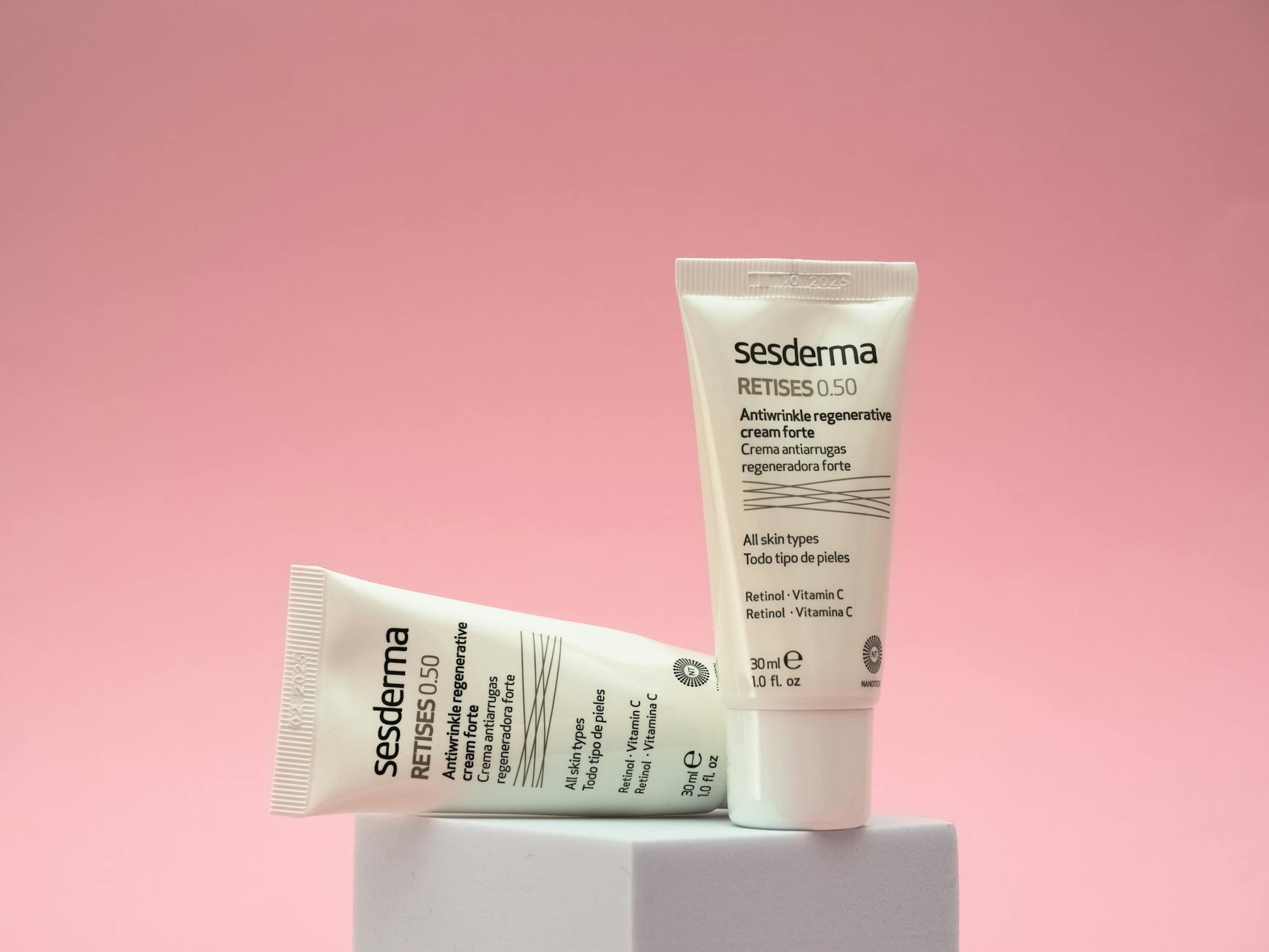
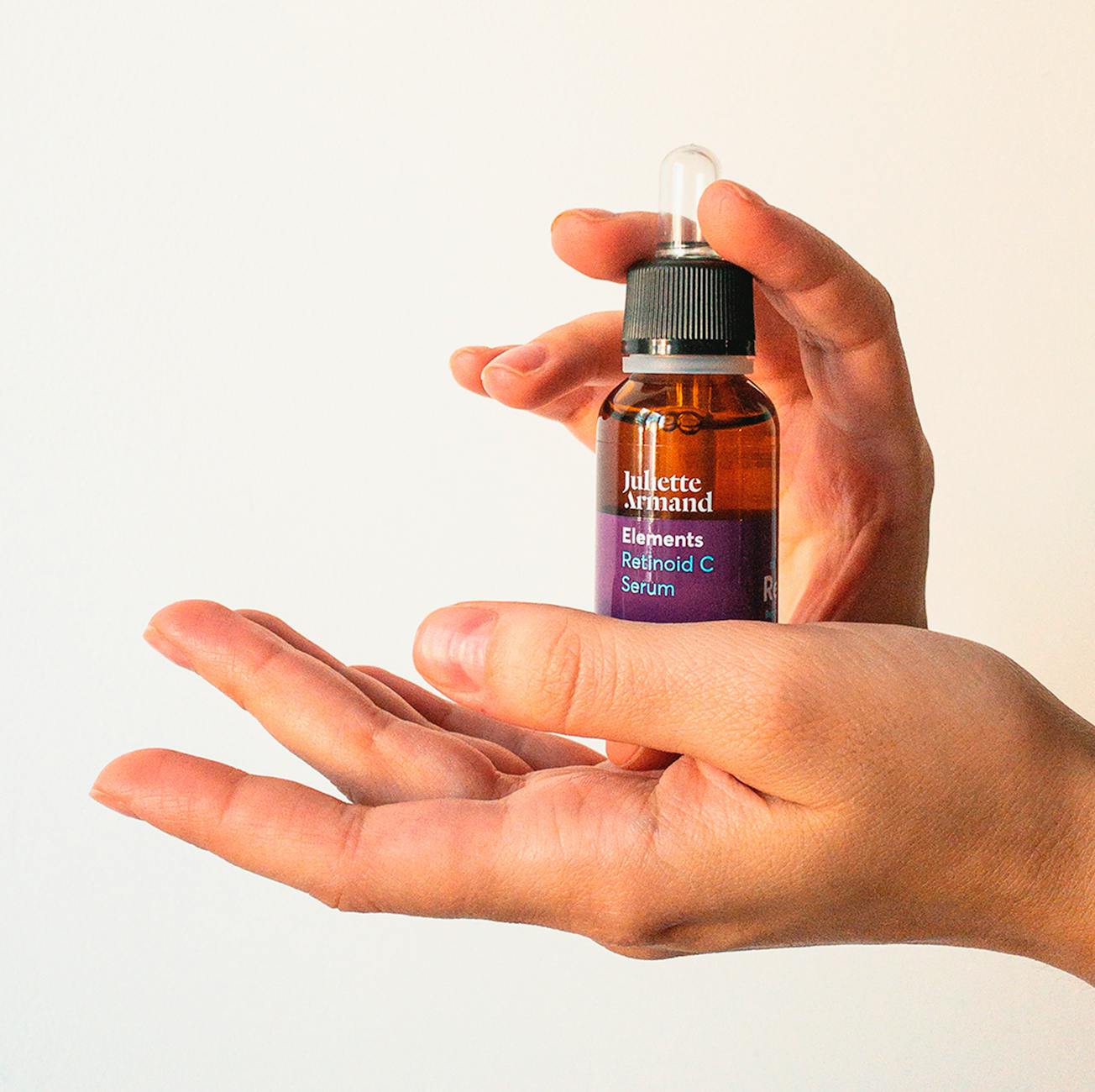
Starting with the right retinoid prevents unnecessary irritation and helps you build tolerance gradually. Begin with over-the-counter retinol products containing 0.25% to 0.5% concentration rather than jumping to prescription-strength options.
“The best retinoid is the one you can use consistently without damaging your skin barrier.”
Over-the-counter retinoids like retinyl palmitate or retinol offer gentler introduction compared to prescription tretinoin or adapalene. If you have sensitive skin or worry about potential irritation, start with retinyl palmitate twice weekly. Those with normal skin can begin with 0.25% retinol every other night.
For example, products like Neutrogena Rapid Wrinkle Repair or RoC Retinol Correxion provide beginner-friendly formulations. Consider your primary concerns: anti-aging benefits develop with consistent use, while acne treatment may require prescription strength after building tolerance. Your dermatologist can guide this transition when over-the-counter options plateau.
Preparing Your Skin Before Starting
Proper preparation prevents the irritation that causes many people to abandon retinoids before seeing results. Your skin needs time to adjust to this powerful ingredient, and rushing the process often leads to redness and peeling that can feel embarrassing.
Apply broad-spectrum SPF 30 daily since retinoids increase sun sensitivity.
Stop using scrubs, AHA, BHA, and vitamin C serums one week before starting.
Avoid retinoids if pregnant, breastfeeding, or managing active eczema or rosacea.
Use only gentle cleanser and moisturizer for one week before introduction.
Clean, dry skin absorbs retinoids most effectively. Wait 20-30 minutes after cleansing before applying your first dose to prevent excessive penetration that triggers irritation.
The Step-by-Step Introduction Process

Starting retinoids correctly prevents the aggressive peeling and redness that many people fear will leave visible damage. Your skin needs time to build tolerance, so rushing the process creates more problems than it solves.
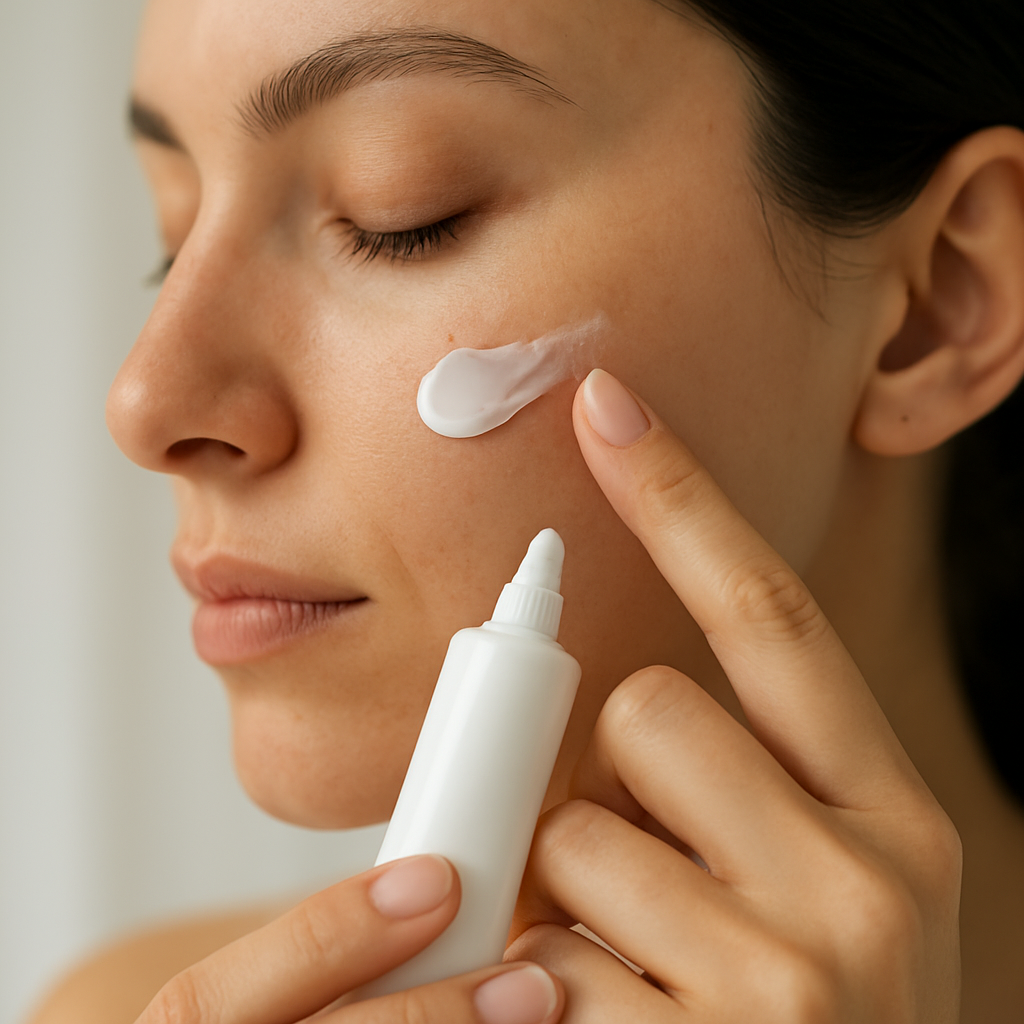
Apply a pea-sized amount to completely clean, dry skin before bed.
Use Monday and Thursday nights for the first two weeks to gauge your response.
Cover your face, neck, and chest with the thinnest possible film that still provides coverage.
Watch for excessive dryness or irritation and reduce frequency if needed.
After two weeks of twice-weekly use, increase to every other night. Most people reach nightly use within 4-6 weeks. For example, if you experience mild flaking on day three, that's normal. However, if your skin becomes red and painful, skip applications until it calms down.
What to Expect and When to Follow Up
Your skin needs time to adjust to retinoids, typically showing noticeable improvement after 12-16 weeks of consistent use. Schedule your first follow-up appointment 4-6 weeks after starting treatment to assess your progress and address any concerns.
During the initial adjustment period, expect mild redness, dryness, or slight peeling. These symptoms are normal and usually subside within 2-4 weeks. However, contact your healthcare provider immediately if you experience severe burning, widespread irritation, or signs of an allergic reaction like swelling or hives.
Retinoids require long-term commitment for sustained benefits. Most patients see significant acne reduction and skin texture improvements after 6-12 months of regular use. Remember, stopping treatment often leads to gradual return of previous skin concerns.
Patience and consistency with retinoids lead to clearer skin and prevent future breakouts when used long-term under professional guidance.
Frequently Asked Questions
What are retinoids and how do they work?
Retinoids are vitamin A derivatives that work by speeding up cell turnover and unclogging pores. They represent one of the most scientifically proven treatments for both acne and anti-aging concerns. For acne sufferers, retinoids prevent comedone formation and reduce inflammatory lesions while helping fade post-acne marks. They also stimulate collagen production and improve skin texture, making them effective against photoaging signs like fine lines and uneven pigmentation.
What retinoid should I start with as a beginner?
Start with over-the-counter retinol products containing 0.25% to 0.5% concentration rather than jumping to prescription-strength options. Over-the-counter retinoids like retinyl palmitate or retinol offer gentler introduction compared to prescription tretinoin or adapalene. If you have sensitive skin, start with retinyl palmitate twice weekly, while those with normal skin can begin with 0.25% retinol every other night.
How long does it take to see results from retinoids?
Most people see acne improvements within 6-12 weeks of consistent use, while anti-aging benefits typically become noticeable after 3-6 months. Initial skin irritation is normal and usually subsides as your skin builds tolerance. Setting realistic expectations helps ensure success with your retinoid journey.
What should I stop using before starting retinoids?
Stop using scrubs, AHA, BHA, and vitamin C serums one week before starting retinoids to prevent excessive irritation. You should also simplify your routine to only gentle cleanser and moisturizer for one week before introduction. Additionally, establish daily sunscreen protection with broad-spectrum SPF 30 since retinoids increase sun sensitivity.
Who should avoid using retinoids?
Avoid retinoids if you are pregnant, breastfeeding, or managing active eczema or rosacea. These medical contraindications are important to check before starting any retinoid product. If you have sensitive skin or worry about potential irritation, consider starting with the gentler retinyl palmitate option instead.
Disclaimer: This content is for informational purposes only and does not constitute medical advice. Always consult a qualified healthcare provider before making health decisions.