Essential Pre-Application Preparation

Proper preparation sets the foundation for successful retinoid use and helps prevent the irritation that leads to redness and peeling. Starting with clean, dry skin creates the optimal environment for retinoids to work effectively without causing unnecessary reactions that might delay your progress toward clear skin.
“Clean, completely dry skin is your retinoid's best friend.”
Begin with a gentle, fragrance-free cleanser to remove makeup, sunscreen, and daily buildup. Harsh scrubs or exfoliating cleansers will amplify retinoid irritation, so stick to basic formulas like Cetaphil or CeraVe. Wait 15-20 minutes after cleansing before applying retinoids to ensure your skin is completely dry, as damp skin increases absorption and potential irritation.
Skip retinoid application when your skin shows signs of sunburn, active wounds, or recent waxing. These compromised skin states increase your risk of severe irritation. Avoid layering retinoids with other active ingredients like benzoyl peroxide, alpha hydroxy acids, or vitamin C serums on the same night, as this combination often triggers excessive peeling and redness.
For example, if you normally use a glycolic acid toner in your evening routine, switch it to morning use when starting retinoids. This simple adjustment prevents ingredient conflicts while maintaining your skincare benefits.
The Correct Application Method

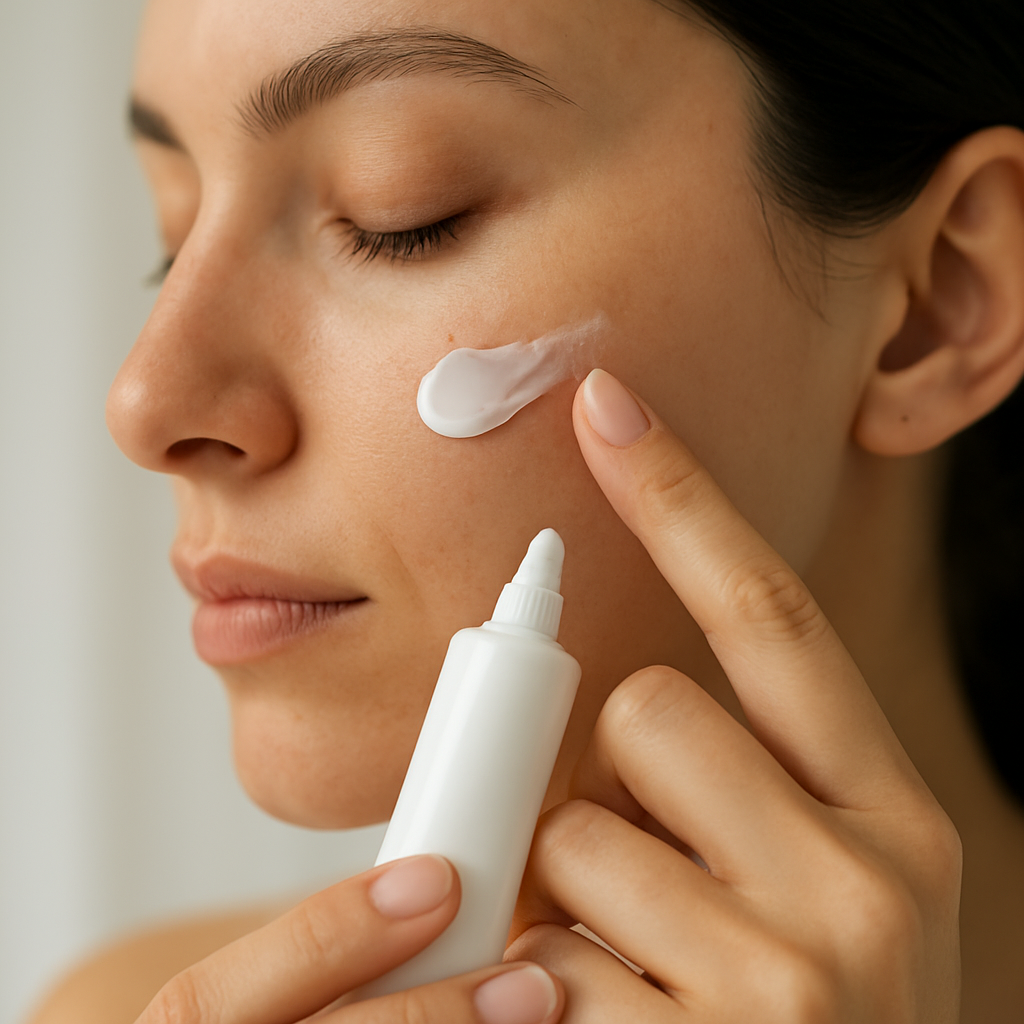
Getting your retinoid application technique right makes the difference between clear skin and unnecessary irritation. The amount you use matters more than you might think—a pea-sized amount covers your entire face. Using more won't speed up results and actually increases your risk of redness and peeling that can leave temporary marks.
“Less is always more with retinoids—your skin will thank you for starting gently.”
Wait 20-30 minutes after washing to ensure no moisture remains.
Place small dots on your forehead, cheeks, nose, and chin, then gently spread outward.
Stay away from your eye area, corners of your nose, and lips where skin is thinner.
Wait 10 minutes, then apply your regular moisturizer to lock in hydration.
Start with every third night for two weeks, then move to every other night. Most people can eventually use retinoids nightly, but this gradual approach prevents the irritation that worries so many beginners. For example, if you start on Monday night, your next application would be Thursday night, then Sunday night.
Always apply retinoids at bedtime since sunlight breaks down their effectiveness. Your skin repairs itself overnight, making evening the ideal time for these powerful ingredients to work their magic.
Starting Slow: Frequency and Progression
Your skin needs time to adjust to retinoids without triggering permanent damage or scarring. Starting with the right frequency prevents the severe irritation that causes many people to abandon treatment entirely.
Begin with once-weekly applications for the first two weeks. Your skin will likely show some dryness and mild redness during this period, which is normal. After two weeks, increase to twice weekly if your skin tolerates the current frequency well. Continue this pattern, gradually increasing by one additional night per week every two weeks until you reach nightly use or your skin's maximum tolerance level.
Apply once weekly to clean, dry skin.
Increase to twice weekly if no severe irritation occurs.
Add one additional night every two weeks until reaching daily use.
Watch for warning signs that indicate you should slow down: persistent burning, excessive peeling that doesn't improve within a week, or worsening breakouts after the initial adjustment period. These symptoms suggest your skin needs more time between applications. Remember that consistent, gentle progress produces better long-term results than aggressive approaches that damage your skin barrier.
Common Application Mistakes to Avoid
Even with the best intentions, new retinoid users frequently make errors that trigger irritation or reduce treatment effectiveness. Understanding these pitfalls helps you avoid the redness and peeling that could temporarily worsen your skin's appearance.
Over-application represents the most common mistake. More product doesn't equal faster results—it only increases irritation risk. A pea-sized amount covers your entire face. Using excessive amounts can cause severe dryness and flaking that takes weeks to resolve.
Timing errors create unnecessary problems. Never apply retinoids immediately after washing your face with harsh cleansers or using exfoliating products. Wait at least 30 minutes after cleansing to ensure your skin is completely dry. Wet skin increases absorption dramatically, leading to irritation.
Product mixing mistakes sabotage your progress. Avoid combining retinoids with vitamin C, benzoyl peroxide, or alpha hydroxy acids on the same night. For example, using a glycolic acid toner followed by tretinoin often results in chemical burns. Stick to gentle, fragrance-free moisturizers and sunscreen during retinoid treatment.
These mistakes can temporarily worsen acne through increased inflammation, but following proper application techniques prevents this setback and keeps you on track toward clearer skin.
Post-Application Care and Sun Protection

After applying retinoids, your skin becomes significantly more vulnerable to sun damage. This increased photosensitivity can lead to severe burns, dark spots, and the very scarring you're trying to avoid. Daily sunscreen with at least SPF 30 becomes non-negotiable, even on cloudy days and indoors near windows.
Your moisturizing routine requires immediate adjustment. Retinoids strip away dead skin cells, leaving fresh skin exposed and prone to dryness. Apply a gentle, fragrance-free moisturizer within minutes of your retinoid treatment. Look for ingredients like ceramides or hyaluronic acid that repair your skin barrier without clogging pores.
Expect your skin to look worse before improving. Initial redness, peeling, and breakouts are normal during the first 2-4 weeks. Clear improvements typically appear between 6-12 weeks of consistent use. Resist the urge to quit early or increase frequency when progress seems slow.
When to Seek Professional Guidance
While retinoids are generally safe, certain warning signs require immediate dermatologist attention. Severe irritation including persistent burning, extensive peeling, or developing rashes warrants professional evaluation to prevent potential scarring concerns.
If you see no improvement after 12 weeks of consistent use, schedule a consultation. Your dermatologist can adjust your regimen or explore alternative treatments tailored to your skin type.
Pregnant or breastfeeding women should avoid retinoids entirely due to safety concerns. People with eczema, rosacea, or taking photosensitizing medications need professional guidance before starting any retinoid routine to ensure safe application.
Trust professional guidance when experiencing severe reactions or seeing no progress after three months of consistent retinoid use.
Frequently Asked Questions
How much retinoid should I use on my face?
A pea-sized amount is sufficient to cover your entire face. Using more won't speed up results and actually increases your risk of redness and peeling. Place small dots on your forehead, cheeks, nose, and chin, then gently spread outward.
How long should I wait after cleansing before applying retinoids?
Wait 15-20 minutes after cleansing to ensure your skin is completely dry before applying retinoids. Damp skin increases absorption and potential irritation. Clean, completely dry skin creates the optimal environment for retinoids to work effectively.
How often should I use retinoids when starting out?
Start with every third night for two weeks, then move to every other night. Begin with once-weekly applications for the first two weeks to allow your skin to adjust. This gradual approach prevents the severe irritation that causes many people to abandon treatment entirely.
Can I use other skincare products with retinoids?
Avoid layering retinoids with other active ingredients like benzoyl peroxide, alpha hydroxy acids, or vitamin C serums on the same night. This combination often triggers excessive peeling and redness. If you normally use glycolic acid toner in your evening routine, switch it to morning use when starting retinoids.
When should I apply retinoids in my routine?
Always apply retinoids at bedtime since sunlight breaks down their effectiveness. Your skin repairs itself overnight, making evening the ideal time for these powerful ingredients to work. Follow with moisturizer after waiting 10 minutes to lock in hydration.
Disclaimer: This content is for informational purposes only and does not constitute medical advice. Always consult a qualified healthcare provider before making health decisions.