Common Retinoid Side Effects

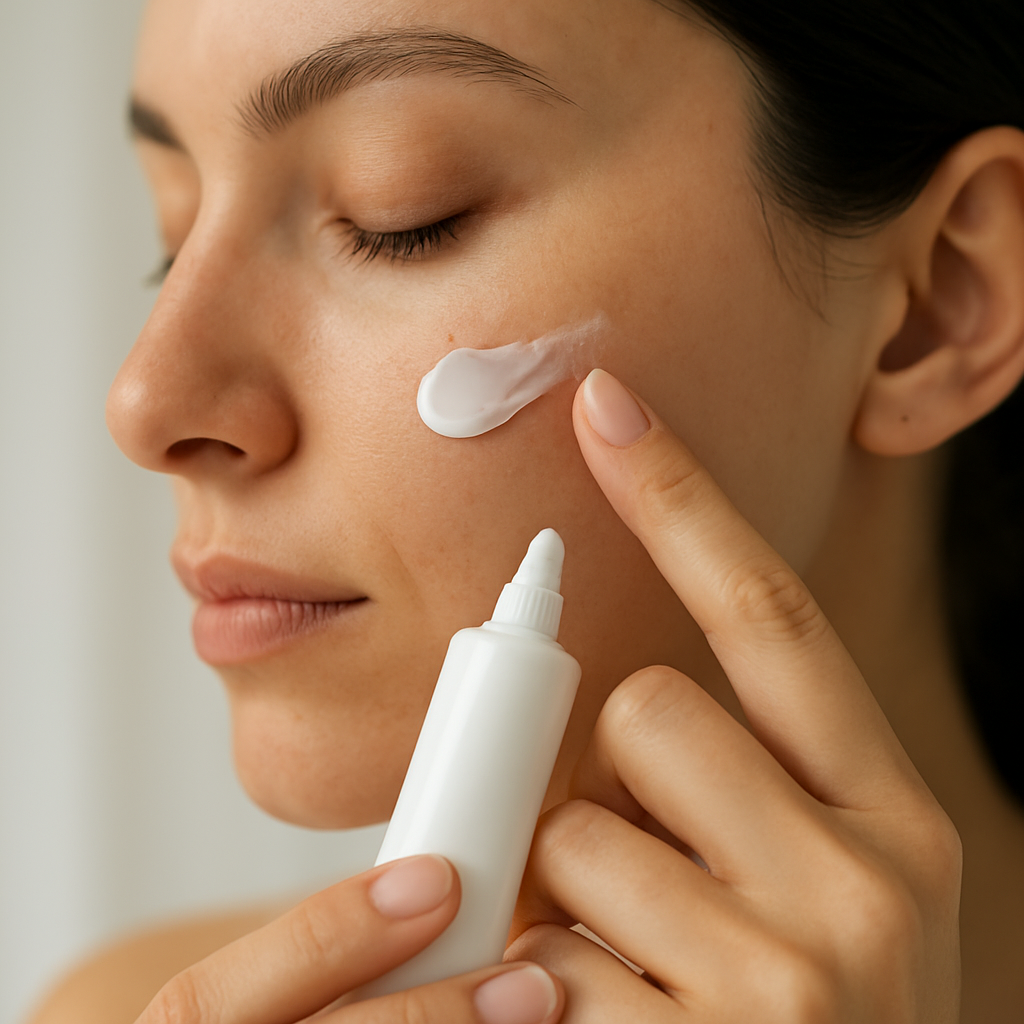
Starting retinoids often feels like taking one step backward before moving forward. Most people experience some degree of skin irritation during the first few weeks of treatment, which can feel discouraging when you're eager for clearer skin.
“The most common retinoid side effects are temporary and signal that the medication is working to accelerate cell turnover.”
Dryness and peeling affect nearly everyone who begins retinoid therapy. Your skin may feel tight and start flaking within the first week. Redness and irritation typically appear alongside the dryness, making your complexion look inflamed rather than improved.
Increased sun sensitivity makes your skin burn more easily, requiring diligent sunscreen use. Many people also experience an initial acne flare-up as retinoids bring deeper breakouts to the surface. A stinging or burning sensation when applying the product is normal, especially on freshly cleansed skin. These effects don't indicate permanent damage—they're temporary adjustments as your skin builds tolerance.
Why These Side Effects Happen

Retinoids work by dramatically speeding up your skin's natural cell turnover process. While healthy skin typically renews itself every 28 days, retinoids accelerate this cycle to just 14-21 days. This rapid cellular activity brings fresh skin to the surface faster than your skin is accustomed to handling.
“Your skin isn't damaged – it's simply working overtime to reveal healthier layers beneath.”
This acceleration temporarily disrupts your skin barrier, the protective layer that keeps moisture in and irritants out. When this barrier becomes compromised, your skin loses water more quickly and becomes more sensitive to environmental factors. The good news is these effects aren't permanent damage that leads to scarring.
Most people need 6-12 weeks for their skin to adjust to retinoids. Individual sensitivity varies based on your skin type, the retinoid strength, and how frequently you apply it. Understanding this timeline helps set realistic expectations for your clear skin journey.
How to Minimize Side Effects
The good news is that retinoid side effects are largely preventable when you use the right approach. Your skin doesn't have to suffer through weeks of irritation to see results.
Apply retinoid every third night for two weeks, then gradually increase frequency.
Apply moisturizer first, wait 20 minutes, then apply retinoid to reduce direct contact.
Retinoids make your skin photosensitive, so daily sunscreen prevents damage and discoloration.
Skip benzoyl peroxide, salicylic acid, and vitamin C on retinoid nights to prevent over-irritation.
Choose a gentle, fragrance-free moisturizer with ceramides or hyaluronic acid to repair your skin barrier. Many people make the mistake of using multiple active ingredients simultaneously, which leads to unnecessary redness and peeling that won't speed up your results.
Remember that slower introduction actually gets you to clear skin faster by avoiding setbacks from irritation.
Managing Side Effects When They Occur

When retinoid side effects appear, don't panic or immediately stop treatment. Most reactions are temporary and manageable with proper adjustments. Your skin isn't permanently damaged—these effects typically resolve within days to weeks with appropriate care.
Switch from daily use to every other day or twice weekly until irritation subsides.
Use only gentle cleanser, basic moisturizer, and sunscreen until skin recovers.
Contact your dermatologist if you experience blistering, severe swelling, or persistent burning that doesn't improve within a week.
Mild peeling and redness usually improve within 5-7 days of reducing frequency. For example, if daily tretinoin causes excessive dryness, switching to every third night often provides relief while maintaining progress toward clearer skin.
When to Be Concerned
Most retinoid side effects resolve within weeks, but certain warning signs require immediate attention. Stop use and contact your dermatologist if you experience severe burning, widespread rash, or swelling—these may indicate allergic reactions that won't improve with time and could worsen your skin condition permanently.
If irritation persists beyond twelve weeks or worsens after initial adjustment, reassess your routine with professional guidance.
Trust your instincts—severe reactions that don't improve within two weeks warrant professional evaluation to prevent lasting skin damage.
Frequently Asked Questions
What are the most common side effects when starting retinoids?
The most common retinoid side effects include dryness and peeling, which affect nearly everyone who begins treatment. You may also experience redness, irritation, increased sun sensitivity, and an initial acne flare-up. About 85% of people experience initial dryness, and these effects typically last 6-8 weeks as your skin adapts. These side effects are temporary and actually signal that the medication is working to accelerate cell turnover.
Why do retinoids cause skin irritation and dryness?
Retinoids work by dramatically speeding up your skin's natural cell turnover process from the normal 28 days to just 14-21 days. This rapid cellular activity temporarily disrupts your skin barrier, which is the protective layer that keeps moisture in and irritants out. When this barrier becomes compromised, your skin loses water more quickly and becomes more sensitive to environmental factors.
How long do retinoid side effects last?
Most people need 6-12 weeks for their skin to adjust to retinoids, though it typically takes 6-8 weeks to adapt. Individual sensitivity varies based on your skin type, the retinoid strength, and how frequently you apply it. The good news is that these effects aren't permanent damage and don't lead to scarring.
How can I minimize retinoid side effects?
Start with pea-sized amounts and apply retinoid every third night for two weeks, then gradually increase frequency. You can buffer the retinoid by applying moisturizer first, waiting 20 minutes, then applying the retinoid to reduce direct contact. Always use broad-spectrum SPF 30+ daily since retinoids increase sun sensitivity, and avoid combining with harsh ingredients like benzoyl peroxide, salicylic acid, or vitamin C on retinoid nights.
Do retinoids increase sun sensitivity?
Yes, retinoids increase sun sensitivity by about 30%, making your skin burn more easily than usual. This photosensitivity requires diligent daily sunscreen use with broad-spectrum SPF 30 or higher. The increased sun sensitivity is one of the common side effects that occurs because retinoids accelerate cell turnover and temporarily compromise your skin barrier.
Disclaimer: This content is for informational purposes only and does not constitute medical advice. Always consult a qualified healthcare provider before making health decisions.