What Are Retinoids and How Do They Fight Aging?

Retinoids are powerful vitamin A derivatives that work beneath your skin's surface to reverse signs of aging. These compounds include prescription options like tretinoin and adapalene, as well as over-the-counter alternatives like retinol and retinyl palmitate. Think of retinoids as your skin's personal renovation crew, working night after night to rebuild and refresh your complexion.
“Retinoids work by accelerating your skin's natural renewal process, revealing fresher, younger-looking skin in just weeks.”
The magic happens through cellular acceleration. Retinoids speed up cell turnover, pushing newer skin cells to the surface while old, damaged cells shed away. This process smooths fine lines and evens skin tone. Simultaneously, retinoids penetrate deeper layers to stimulate collagen production, the protein responsible for skin's firmness and elasticity.
Prescription retinoids like tretinoin deliver faster, more dramatic results but require a doctor's supervision. Over-the-counter retinol works more gently, making it perfect for beginners who worry about irritation or permanent damage. The good news? Both types can significantly improve your skin's appearance when used correctly, helping you achieve that clear, confident complexion you're seeking without the fear of lasting harm.
Anti-Aging Benefits: What Retinoids Can Do for Your Skin

Retinoids deliver proven results across multiple signs of aging, making them one of the most effective anti-aging treatments available. These vitamin A derivatives work at the cellular level to transform your skin's appearance and health.
Fine lines and wrinkles show the most dramatic improvement with retinoid use. The increased collagen production plumps skin from within, smoothing crow's feet, forehead lines, and expression lines around the mouth. Many users notice their skin feels firmer and looks more youthful after consistent use.
“Retinoids remain the gold standard for reversing photoaging and preventing future skin damage.”
Photoaging from sun exposure responds particularly well to retinoids. Years of UV damage that created rough texture, age spots, and leathery skin gradually fade as retinoids accelerate skin renewal. Your complexion becomes more even-toned and radiant.
Hyperpigmentation, including dark spots and melasma, lightens significantly with retinoid treatment. The accelerated cell turnover helps fade existing discoloration while preventing new spots from forming.
Results require patience. Most people see noticeable anti-aging benefits within 3-6 months of consistent use, with continued improvement over time. Starting slowly helps minimize irritation while your skin adjusts to this powerful ingredient.
Who Should and Shouldn't Use Retinoids for Anti-Aging
Retinoids work best for adults over 25 who show early signs of aging like fine lines, uneven skin tone, or mild sun damage. People with normal to oily skin typically tolerate retinoids well and see faster results than those with sensitive skin types.
However, certain groups should avoid retinoids entirely. Pregnant and breastfeeding women must skip these ingredients due to potential birth defects. People with active eczema, rosacea flares, or sunburned skin should wait until their skin heals before starting treatment.
Your skin won't develop permanent scarring from proper retinoid use, but starting too aggressively can cause temporary irritation and redness. Begin with the lowest concentration available and use it only twice weekly for the first month.
Mature skin over 50 can still benefit from retinoids, though results may take longer to appear. Those with very sensitive skin should consider consulting a dermatologist before beginning any retinoid regimen to avoid unnecessary irritation.
How to Start Using Retinoids for Anti-Aging
Starting retinoids correctly prevents the irritation and redness that leads many people to abandon this powerful anti-aging treatment. Your skin needs time to build tolerance, so patience during the initial weeks protects you from unnecessary discomfort while ensuring long-term success.
Begin with 0.025% tretinoin or 0.1% adapalene to minimize irritation risk.
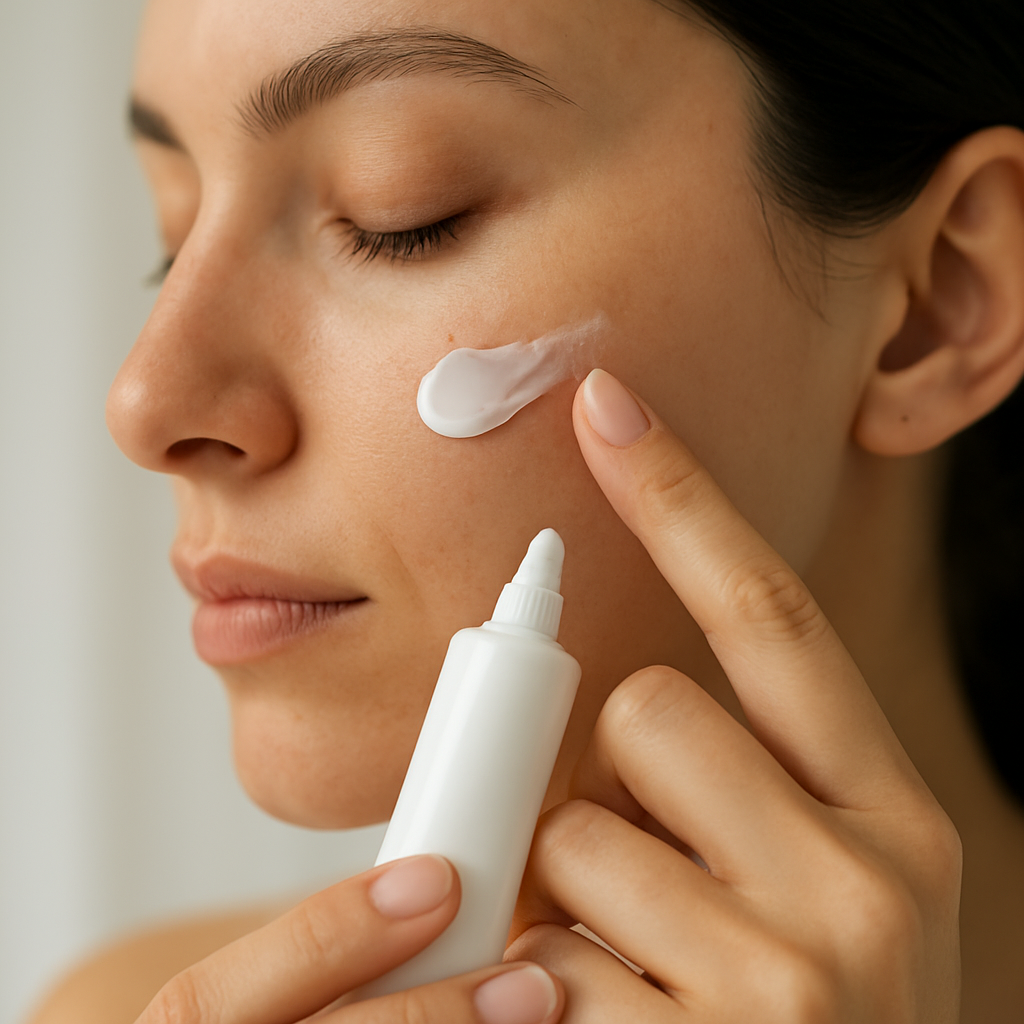
Wait 20-30 minutes after washing your face before applying a pea-sized amount.
Use retinoids only 2-3 nights per week for the first month, then gradually increase frequency.
Stop using exfoliating acids, scrubs, and harsh cleansers while your skin adjusts.
Apply retinoids only at night since sunlight breaks down the active ingredients. For example, if you normally use glycolic acid or salicylic acid products, pause these for at least four weeks while introducing retinoids. This prevents over-exfoliation that can cause lasting sensitivity.
Most people experience mild flaking or dryness during the first month. This temporary adjustment period is normal and doesn't indicate permanent damage to your skin. Follow up with a gentle moisturizer to maintain your skin barrier during this transition phase.
What to Expect: Timeline and Follow-Up

Starting retinoids requires patience and realistic expectations. Your skin needs time to adjust, and visible anti-aging benefits won't appear overnight.
The first 2-4 weeks often bring mild irritation, dryness, or peeling. This adjustment period is normal and doesn't indicate permanent damage to your skin. Most people find these effects diminish as their skin builds tolerance.
Real anti-aging improvements become noticeable after 3-6 months of consistent use. Fine lines soften first, followed by improved skin texture and tone. Your dermatologist will schedule a follow-up appointment in 4-6 weeks to assess your response and adjust the treatment if needed.
Retinoids work best as a long-term commitment. Many people use them for years or even decades to maintain results. Once you find the right product and routine, maintenance becomes straightforward with periodic dermatology check-ins to monitor your progress and skin health.
Essential Safety Tips and Sun Protection
Sun protection becomes absolutely mandatory when using retinoids. These medications increase your skin's photosensitivity, making UV damage more likely and severe. Apply broad-spectrum SPF 30 or higher every morning, even on cloudy days or when staying indoors near windows.
Layer your products carefully to avoid irritation. Apply retinoids to clean, completely dry skin at night. Wait 20-30 minutes before adding moisturizer. In the morning, use a gentle cleanser, followed by moisturizer, then sunscreen as your final step. Never mix retinoids with vitamin C, benzoyl peroxide, or alpha hydroxy acids in the same routine.
Watch for warning signs that indicate you need to reduce frequency or concentration. Excessive redness, burning, or peeling that doesn't improve after two weeks signals overuse. Scale back to every third night until your skin adjusts.
Apply retinoids to your face, neck, and chest area for comprehensive anti-aging benefits. These areas receive the most sun exposure and show aging signs first. Understanding these safety measures prevents the permanent scarring you're worried about while helping you achieve clear, healthy skin.
Daily sunscreen use is non-negotiable with retinoids - skip this step and you risk serious skin damage.
Frequently Asked Questions
What are retinoids and how do they work for anti-aging?
Retinoids are powerful vitamin A derivatives that work beneath your skin's surface to reverse signs of aging. They speed up cell turnover, pushing newer skin cells to the surface while old, damaged cells shed away, which smooths fine lines and evens skin tone. Simultaneously, retinoids penetrate deeper layers to stimulate collagen production, the protein responsible for skin's firmness and elasticity.
How long does it take to see results from retinoids?
Most people see noticeable anti-aging benefits within 3-6 months of consistent use, with continued improvement over time. Starting slowly helps minimize irritation while your skin adjusts to this powerful ingredient. Results require patience as retinoids work gradually to transform your skin's appearance and health.
Who should not use retinoids for anti-aging?
Pregnant and breastfeeding women must skip retinoids entirely due to potential birth defects. People with active eczema, rosacea flares, or sunburned skin should wait until their skin heals before starting treatment. Those with very sensitive skin should consider consulting a dermatologist before beginning retinoid use.
What's the difference between prescription and over-the-counter retinoids?
Prescription retinoids like tretinoin deliver faster, more dramatic results but require a doctor's supervision. Over-the-counter retinol works more gently, making it perfect for beginners who worry about irritation. Both types can significantly improve your skin's appearance when used correctly.
What skin problems can retinoids help with?
Retinoids effectively address fine lines, wrinkles, photoaging from sun exposure, and hyperpigmentation including dark spots and melasma. They work by accelerating skin renewal, which helps fade existing discoloration while preventing new spots from forming. The increased collagen production also plumps skin from within, smoothing crow's feet, forehead lines, and expression lines.
Disclaimer: This content is for informational purposes only and does not constitute medical advice. Always consult a qualified healthcare provider before making health decisions.