What Are Retinoids and How Do They Treat Acne?

Retinoids are medications derived from Vitamin A that rank among the most effective treatments for acne. The most common prescription retinoids include tretinoin (the gold standard) and adapalene, while over-the-counter options like retinol offer gentler alternatives. These powerful compounds work differently from other acne treatments by targeting the root causes of breakouts at the cellular level.
"Retinoids remain the cornerstone of acne treatment because they address multiple factors that cause breakouts simultaneously."
Retinoids treat acne through three key mechanisms. First, they speed up cell turnover, preventing dead skin cells from clogging pores and forming comedones (blackheads and whiteheads). Second, they reduce inflammation that leads to painful, red bumps. Third, they help normalize oil production over time, creating an environment where acne bacteria cannot thrive.
Unlike spot treatments that only address existing pimples, retinoids prevent future breakouts by keeping pores clear. While antibiotics target bacteria and benzoyl peroxide kills germs on contact, retinoids work deeper by changing how your skin cells behave. This makes them particularly effective for comedonal acne and helps prevent the scarring that many patients fear most. With consistent use, most people see significant improvement in both active breakouts and skin texture within 12-16 weeks.
Types of Retinoids Available for Acne Treatment

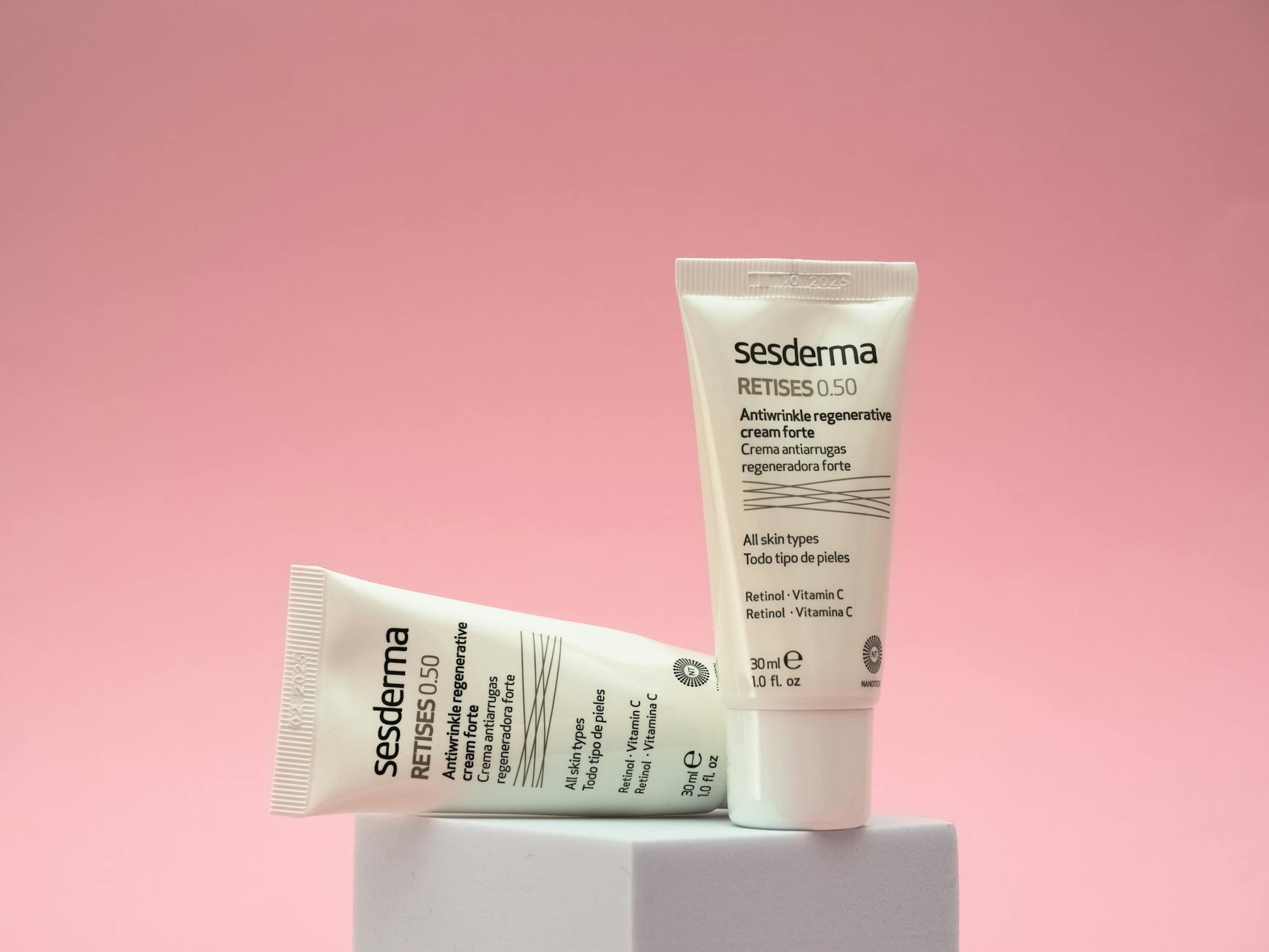
Retinoids come in two main categories: over-the-counter and prescription options. Over-the-counter retinoids include retinol and retinyl palmitate, which you can find in drugstore products. These are gentler but take longer to show results. Prescription retinoids like tretinoin, adapalene, and tazarotene are stronger and work faster, but require a doctor's supervision.
“Starting with the right strength prevents irritation while still giving you the clear skin results you want.”
Strength makes a huge difference in how quickly you see improvement. Prescription retinoids typically range from 0.025% to 0.1% concentration. Most dermatologists start patients on the lowest effective dose to minimize side effects, then gradually increase strength if needed. This approach helps prevent the redness and peeling that can make you feel self-conscious during treatment.
Different retinoids work better for specific acne types. Tretinoin excels at treating blackheads and whiteheads, while adapalene handles inflammatory acne particularly well. Tazarotene is the strongest option, reserved for severe cases. Your dermatologist will match the retinoid type and strength to your specific acne pattern and skin sensitivity level.
How to Start Using Retinoids for Acne
Starting retinoids correctly prevents irritation and maximizes your chances of achieving clear skin without the dreaded purge period that leads to temporary worsening of breakouts.
Begin with the lowest available concentration—0.025% tretinoin or 0.1% adapalene—to let your skin build tolerance gradually.
Cleanse thoroughly and wait 20-30 minutes for skin to completely dry before applying retinoids.
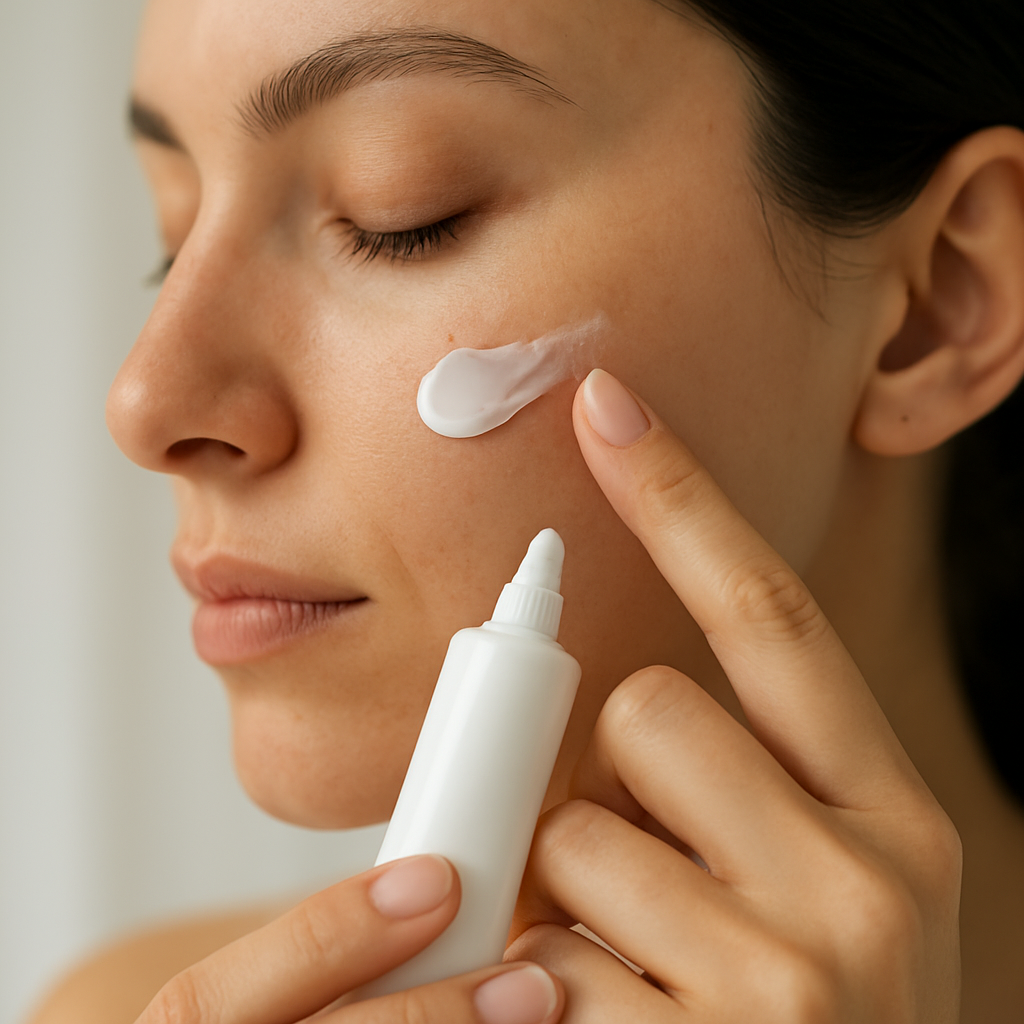
Use a pea-sized amount for your entire face, applying a thin, even layer only in the evening.
Use retinoids only 2-3 times per week for the first month, then gradually increase to nightly use as tolerated.
Avoid combining retinoids with other exfoliating products like salicylic acid or benzoyl peroxide initially. Your skin needs time to adjust without additional irritation. For example, if you normally use a glycolic acid toner, skip it on retinoid nights during your first month.
Daily sunscreen becomes non-negotiable when using retinoids. These medications increase photosensitivity, making your skin more prone to sun damage and potential hyperpigmentation. Apply broad-spectrum SPF 30 or higher every morning, even on cloudy days.
What to Expect: Timeline and Results
Starting retinoids requires patience, but understanding the typical timeline helps you stay committed when progress feels slow. Most people see meaningful acne improvement between 6-12 weeks of consistent use. Your skin needs time to adjust to retinoids and begin the cellular renewal process that clears existing breakouts and prevents new ones.
The first 2-4 weeks often bring a "purging" period where your skin looks worse before improving. This happens because retinoids accelerate cell turnover, bringing deeper breakouts to the surface faster. While concerning, this temporary flare-up actually signals the treatment is working and won't cause permanent scarring.
Schedule a follow-up appointment 4-6 weeks after starting treatment. Your dermatologist can assess your progress and adjust the strength or frequency if needed. For example, if you're tolerating tretinoin 0.025% well but seeing minimal improvement, they might increase to 0.05%. Consistent daily use remains crucial throughout this period—skipping applications extends your timeline significantly.
Who Should Avoid Retinoids

While retinoids are highly effective for acne treatment, certain people should avoid them or use extreme caution. Understanding these restrictions helps prevent adverse reactions that could worsen your skin condition or create new problems.
Pregnant and breastfeeding women must completely avoid retinoids. These medications can cause serious birth defects and pass through breast milk to nursing infants. Women of childbearing age should use reliable contraception while using retinoids and for one month after stopping treatment.
People with active eczema, rosacea, or currently sunburned skin should postpone retinoid use until these conditions resolve. Retinoids increase skin sensitivity and can severely irritate already compromised skin barriers, leading to painful inflammation and delayed healing.
Those with known hypersensitivity to vitamin A derivatives or any retinoid ingredients should avoid these treatments entirely. Always inform your dermatologist about previous allergic reactions to skincare products.
Consult a dermatologist before starting retinoids if you have sensitive skin, are taking other acne medications, or have a history of skin reactions. Professional guidance ensures safe, effective treatment while minimizing your risk of permanent scarring from improper use.
Common Mistakes to Avoid
Many people sabotage their retinoid results through preventable errors. The most common mistake is using too much product or applying it daily from the start. A pea-sized amount for your entire face is enough, and beginning with every third night prevents unnecessary irritation.
Skipping sunscreen is another critical error. Retinoids make your skin more sun-sensitive, and UV exposure can worsen acne and cause dark spots that take months to fade. Apply broad-spectrum SPF 30 daily, even indoors.
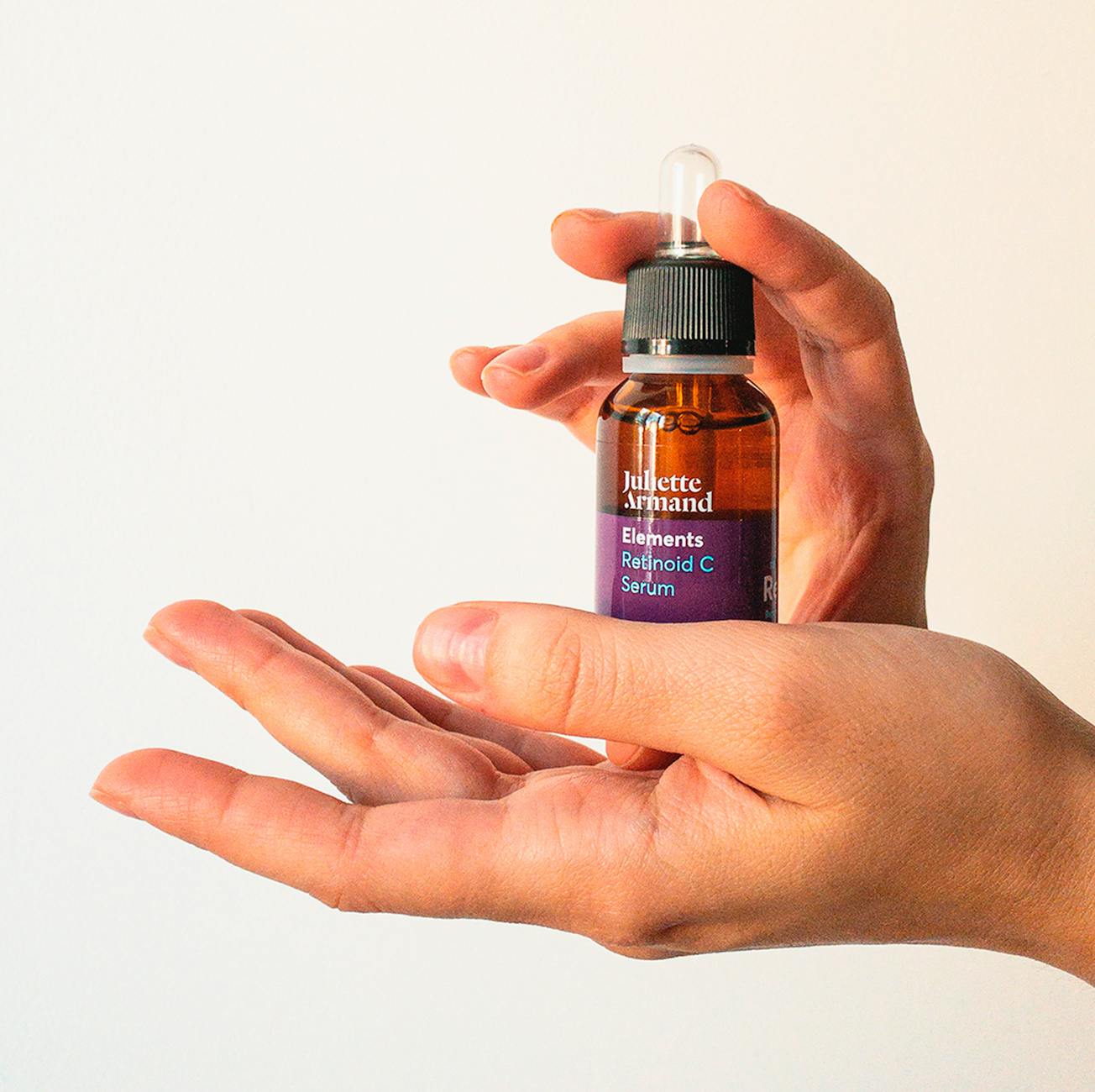
Combining retinoids with harsh ingredients like benzoyl peroxide or salicylic acid initially can trigger severe irritation. For example, using a retinoid serum followed by an exfoliating toner can leave your skin red and peeling for weeks.
The biggest mistake is stopping treatment after two weeks due to initial dryness or purging. This temporary phase doesn't mean permanent damage—your skin is adjusting. Most people see improvement after 6-8 weeks of consistent use.
Start slow with retinoids, protect with sunscreen daily, and stick with treatment through initial irritation for best results.
Frequently Asked Questions
What are retinoids and how do they treat acne?
Retinoids are medications derived from Vitamin A that rank among the most effective treatments for acne. They work by speeding up cell turnover to prevent clogged pores, reducing inflammation that causes red bumps, and helping normalize oil production over time. Unlike spot treatments that only address existing pimples, retinoids prevent future breakouts by keeping pores clear and work at the cellular level to address multiple causes of acne simultaneously.
What's the difference between over-the-counter and prescription retinoids?
Over-the-counter retinoids include retinol and retinyl palmitate, which are gentler but take longer to show results. Prescription retinoids like tretinoin, adapalene, and tazarotene are stronger and work faster, but require a doctor's supervision. Prescription options typically range from 0.025% to 0.1% concentration and are more effective for treating acne.
How long does it take to see results from retinoids?
With consistent use, most people see significant improvement in both active breakouts and skin texture within 12-16 weeks. Over-the-counter retinoids take longer to show results compared to prescription options. Starting with the right strength and gradually building tolerance helps ensure you see the clear skin results you want without excessive irritation.
How should I start using retinoids for acne?
Begin with the lowest available concentration like 0.025% tretinoin or 0.1% adapalene to let your skin build tolerance gradually. Cleanse thoroughly and wait 20-30 minutes for skin to completely dry before applying retinoids. Use only a pea-sized amount for your entire face, applying a thin, even layer only in the evening to prevent irritation.
Which retinoid works best for different types of acne?
Different retinoids work better for specific acne types depending on your needs. Tretinoin excels at treating blackheads and whiteheads, while adapalene handles inflammatory acne particularly well. Tazarotene is the strongest option and is typically reserved for severe cases. Your dermatologist will match the retinoid type and strength to your specific acne pattern and skin sensitivity level.
Disclaimer: This content is for informational purposes only and does not constitute medical advice. Always consult a qualified healthcare provider before making health decisions.