What You Will Learn

This comprehensive guide walks you through everything you need to know about tretinoin, one of the most proven treatments for acne and skin concerns. You'll understand exactly what tretinoin is and how it transforms your skin at the cellular level.
“Tretinoin is the gold standard retinoid that dermatologists have trusted for decades to deliver real results.”
We'll cover the different forms and strengths available, from creams to gels, and help you understand which option suits your skin type best. You'll learn the proper way to use tretinoin safely and effectively, avoiding the common mistakes that lead to irritation and setbacks.
Setting realistic expectations is crucial for success. We'll explain what results you can expect and when you'll start seeing improvements. Most importantly, you'll discover how to manage side effects and gradually build tolerance, preventing the irritation that causes many people to give up too early. This knowledge helps you stay committed to achieving the clear skin you want.
What is Tretinoin?
Tretinoin is a prescription retinoid that accelerates cell turnover, unclogs pores, and stimulates collagen production to treat acne and reduce signs of aging. This powerful medication works by speeding up the natural process where your skin sheds dead cells and replaces them with fresh, healthy ones.
“Tretinoin is the strongest available retinoid requiring prescription supervision.”
Scientifically known as all-trans-retinoic acid, tretinoin belongs to a family of vitamin A derivatives called retinoids. Unlike over-the-counter retinol products you might find at drugstores, tretinoin requires a prescription because of its potent effects on skin cells. Your dermatologist must evaluate your skin condition and medical history before prescribing it.
The FDA has approved tretinoin for treating acne vulgaris and photodamaged skin, making it one of the most researched and validated skincare treatments available. When you apply tretinoin to your skin, it binds to specific receptors in your skin cells, triggering a cascade of cellular changes that improve skin texture, reduce acne breakouts, and minimize fine lines.
For example, if you have persistent acne that hasn't responded to gentler treatments, tretinoin can help prevent the formation of comedones (blackheads and whiteheads) while reducing existing breakouts. The medication also helps prevent the scarring and dark spots that often worry patients with acne-prone skin.
Tretinoin comes in various strengths, typically ranging from 0.025% to 0.1%, with higher concentrations reserved for patients who have built tolerance to lower strengths over time.
How Tretinoin Works

Understanding how tretinoin works can help reduce anxiety about using this powerful medication and set realistic expectations for your skin transformation journey. Tretinoin functions at the cellular level to address multiple skin concerns simultaneously.
The primary mechanism involves normalizing your skin cell turnover rate. Healthy skin naturally sheds dead cells every 28 days, but acne-prone skin often experiences irregular turnover that leads to dead skin buildup. Tretinoin speeds up this process, encouraging dead cells to shed more efficiently and preventing them from clogging your pores.
Think of your pores like tiny drains in your skin. When dead skin cells mix with oil and bacteria, they form plugs called comedones—the technical term for blackheads and whiteheads. Tretinoin prevents this plugging process by keeping skin cells moving along their natural lifecycle, essentially keeping those drains clear and flowing freely.
Beyond acne treatment, tretinoin stimulates collagen production in your skin's deeper layers. This process gradually increases skin thickness and improves texture, which explains why tretinoin serves double duty as both an acne treatment and anti-aging medication. For example, someone using tretinoin for acne often notices reduced fine lines as an added benefit.
The cellular changes happen gradually over months, not days. While this timeline might feel frustrating when you want clear skin immediately, remember that tretinoin is actually rebuilding your skin's foundation for long-term health and appearance improvements.
Tretinoin Forms: Cream vs Gel
Tretinoin comes in two main formulations: cream and gel. Understanding the differences between these forms helps you choose the right option for your skin type and concerns, reducing the risk of irritation that could worsen breakouts.
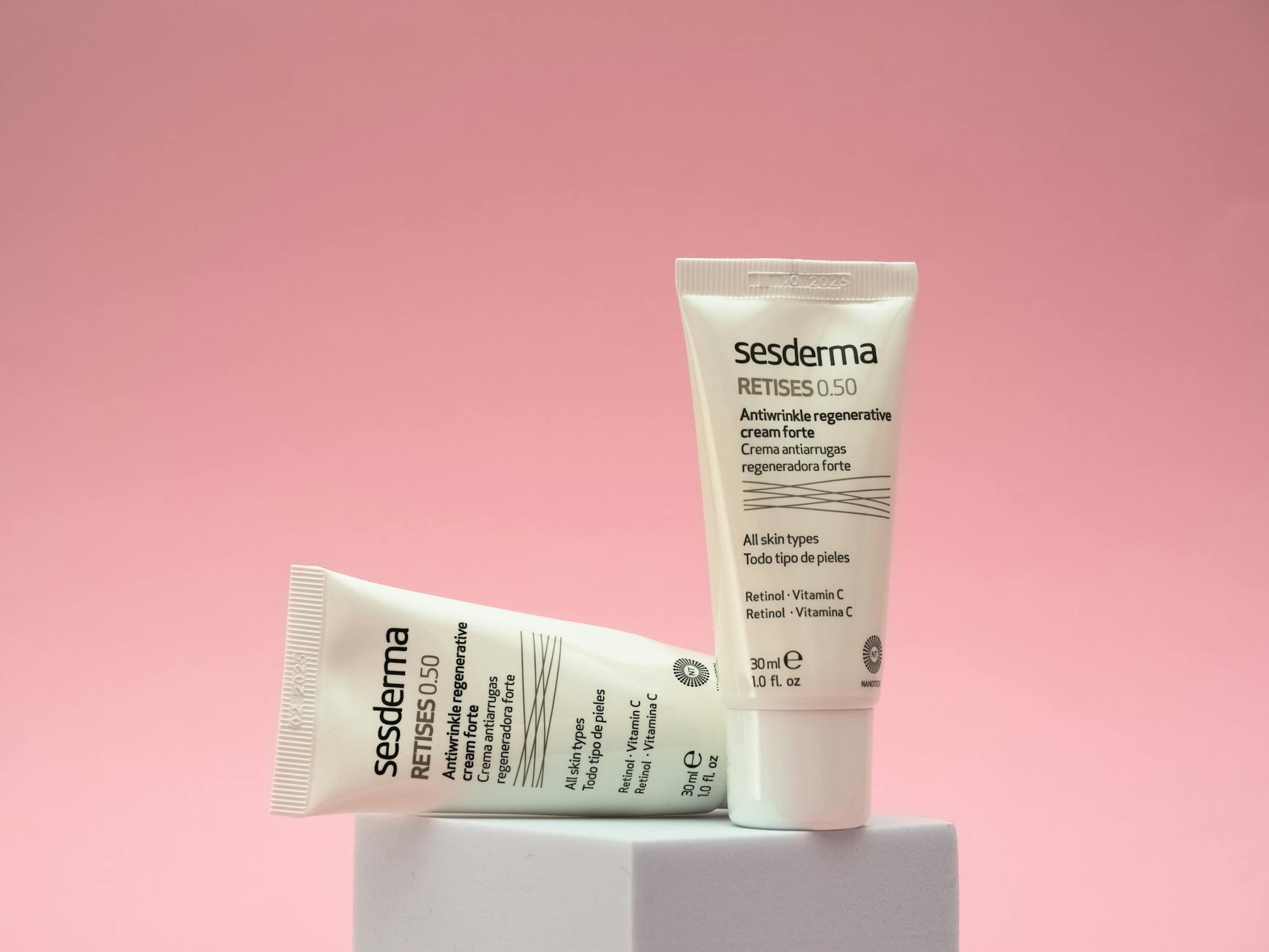
Tretinoin cream contains moisturizing ingredients that make it gentler and more suitable for sensitive or dry skin. The cream base creates a barrier that slows absorption, reducing initial irritation while still delivering effective results. People with mature skin, those living in dry climates, or anyone prone to flaking should consider cream formulations. The cream feels heavier on the skin and takes longer to absorb.
Tretinoin gel has a lighter, alcohol-based formula that absorbs quickly and feels less greasy. The gel form penetrates skin faster, making it more potent but potentially more irritating initially. Oily or acne-prone skin types typically respond better to gel formulations because they won't clog pores or add excess moisture. People in humid climates often prefer gels for their quick-drying properties.
Both formulations come in three standard strengths: 0.025%, 0.05%, and 0.1%. Most dermatologists start patients on 0.025% regardless of formulation to minimize side effects. You can increase strength after your skin adapts, typically after 3-6 months of consistent use.
Choose cream if you have dry, sensitive, or mature skin. Select gel if you have oily skin, live in humid conditions, or prefer lightweight textures. Your dermatologist might recommend starting with cream even for oily skin to reduce initial irritation, then switching to gel later. For example, someone with combination skin might use gel on their T-zone and cream on drier cheek areas.
Benefits and Results
Tretinoin delivers proven results for both acne treatment and anti-aging, but understanding the timeline helps set realistic expectations. Most people see initial improvements in acne within 6-12 weeks, though your skin may temporarily worsen during the first month as tretinoin accelerates cell turnover and brings existing breakouts to the surface.
For acne treatment, tretinoin works by preventing clogged pores and reducing inflammation. You'll notice fewer new breakouts forming first, followed by improvement in existing blemishes. This process helps prevent the scarring that causes long-term skin concerns, making early treatment crucial.
Anti-aging benefits take longer to appear but are equally impressive. Fine lines and wrinkles begin smoothing after 3-6 months of consistent use. Tretinoin stimulates collagen production and increases cell turnover, gradually revealing fresher, younger-looking skin underneath.
Skin texture and tone improvements often surprise users. Dark spots from old acne marks fade within 2-4 months, while overall skin becomes smoother and more even-toned. Many people notice their skin feels softer and looks more radiant after just a few weeks.
The key to success lies in patience and consistency. For example, a 25-year-old using tretinoin for acne might see clearer skin by month three, while a 40-year-old targeting fine lines should expect noticeable wrinkle reduction by month six. Your dermatologist can adjust your treatment plan based on your specific goals and skin response.
How to Use Tretinoin Safely
Starting tretinoin correctly prevents the irritation and redness that cause many people to quit treatment prematurely. The key lies in building your skin's tolerance gradually while protecting against sun damage.
Begin with 0.025% tretinoin applied only twice per week on clean, completely dry skin.
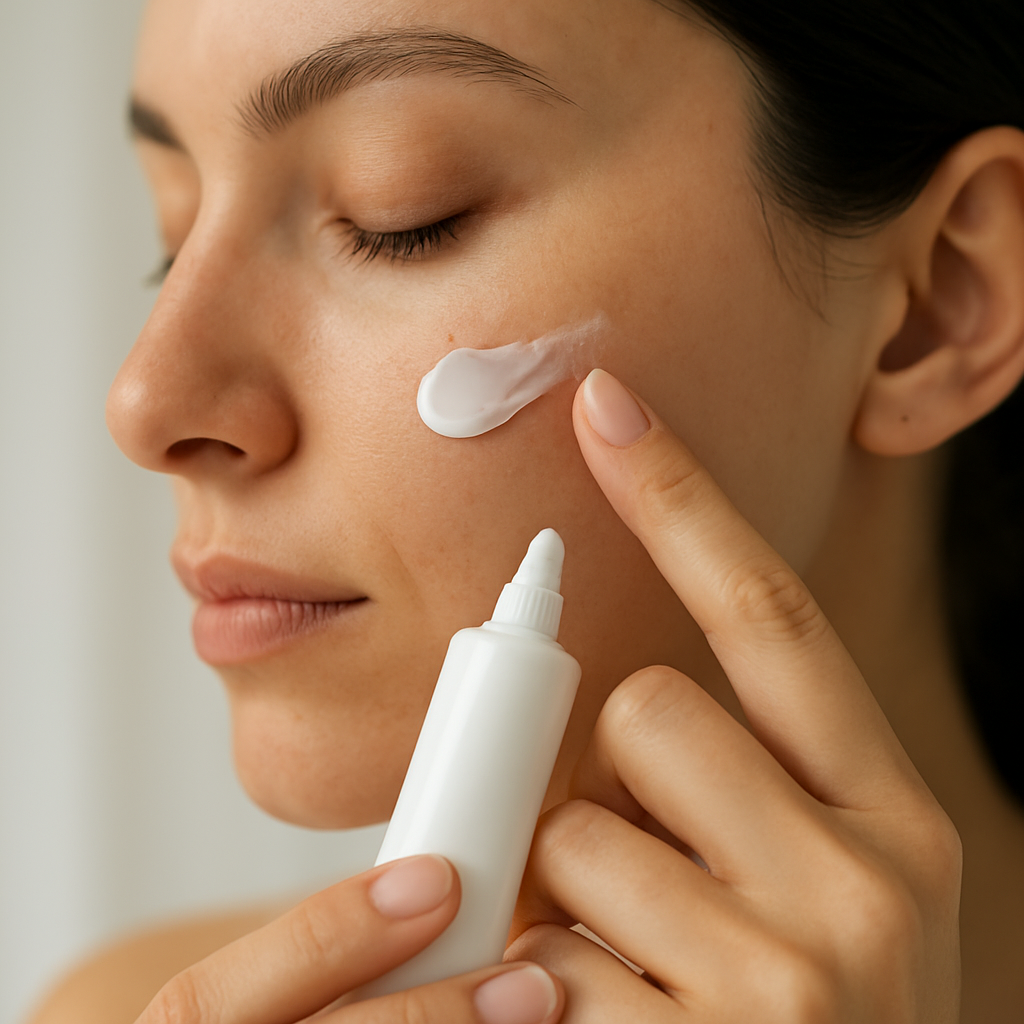
Use a pea-sized amount for your entire face, avoiding the eye area and corners of your nose and mouth.
Increase to every other night after two weeks, then nightly after another two weeks if no irritation occurs.
Apply broad-spectrum SPF 30 or higher sunscreen every morning, even on cloudy days.
Your application technique matters significantly. Apply tretinoin to dry skin at least 20 minutes after cleansing. Wet skin absorbs tretinoin too rapidly, causing unnecessary irritation. Spread the medication gently using your fingertips, working from the center of your face outward.
Sunscreen becomes non-negotiable when using tretinoin. The medication increases your skin's sensitivity to UV radiation, making you more prone to burning and pigmentation changes. Choose a zinc oxide or titanium dioxide sunscreen for reliable protection.
Many people worry about permanent damage from tretinoin, but following proper application guidelines prevents this outcome. If you experience severe peeling, burning, or persistent redness lasting more than a few days, reduce frequency rather than stopping completely.
Consider the "sandwich method" if you have sensitive skin. Apply moisturizer before tretinoin, then another layer after. This technique reduces irritation while maintaining effectiveness. Examples of suitable moisturizers include CeraVe Daily Moisturizing Lotion or Vanicream Lite Lotion.
Track your progress with photos taken in consistent lighting. This documentation helps you recognize improvements that occur gradually over months, preventing discouragement during the adjustment period.
Common Side Effects and Management

Tretinoin commonly causes initial irritation that catches many beginners off guard. Your skin will likely experience dryness, redness, and peeling during the first 4-6 weeks of treatment. This reaction happens because tretinoin accelerates skin cell turnover, essentially forcing your skin to adapt to a new renewal schedule.
Many users also experience what dermatologists call "purging" – a temporary worsening of breakouts that typically occurs between weeks 2-8. During purging, existing comedones (clogged pores) rise to the surface faster than usual, creating what appears to be new acne. While this can feel disheartening, purging actually indicates that tretinoin is working to clear your pores from deep within.
Understanding when side effects signal a problem versus normal adaptation is crucial. Normal side effects include mild to moderate dryness, flaking, and temporary breakouts in areas where you typically get acne. However, contact your dermatologist if you experience severe burning, widespread rash, or breakouts in completely new areas of your face.
To minimize irritation, start with a pea-sized amount every third night, use a gentle moisturizer, and always apply sunscreen during the day. Buffer irritation by applying tretinoin over a light layer of moisturizer, or mix them together before application. Remember, these initial side effects typically resolve as your skin adjusts, leading to the clear complexion you're seeking.
Getting Started with Tretinoin
Ready to begin your tretinoin journey? The first step is scheduling a consultation with a dermatologist. They'll examine your skin, discuss your concerns about acne and potential scarring, and determine if tretinoin is right for you. Don't hesitate to ask questions about your treatment plan and timeline for results.
During your appointment, expect a thorough skin assessment and discussion of your medical history. Your dermatologist will prescribe the appropriate tretinoin strength and provide specific instructions for use. They'll also recommend complementary products to build an effective skincare routine that supports your treatment.
Book an appointment with a board-certified dermatologist to discuss your skin concerns.
Start with the exact strength and frequency your dermatologist recommends.
Incorporate gentle cleansers, moisturizers, and daily sunscreen around your tretinoin use.
Remember that tretinoin requires patience and consistency. Most people see initial improvements within 6-12 weeks, with continued benefits developing over months. Your dermatologist will monitor your progress and adjust your treatment as needed to achieve the clear skin you're working toward.
Start your tretinoin journey with professional guidance from a dermatologist who can customize treatment for your specific skin needs and goals.
Frequently Asked Questions
What is tretinoin and how is it different from other retinoids?
Tretinoin is a prescription retinoid that accelerates cell turnover, unclogs pores, and stimulates collagen production to treat acne and reduce signs of aging. Unlike over-the-counter retinol products, tretinoin requires a prescription because of its potent effects on skin cells and must be prescribed by a dermatologist after evaluating your skin condition.
How does tretinoin work to clear acne?
Tretinoin works by normalizing your skin cell turnover rate and speeding up the natural process where skin sheds dead cells. It prevents dead skin cells from clogging pores by keeping them moving along their natural lifecycle, essentially preventing the formation of comedones (blackheads and whiteheads). This helps clear existing breakouts and prevents new acne from forming.
What strengths does tretinoin come in?
Tretinoin comes in various strengths, typically ranging from 0.025% to 0.1%. Higher concentrations are reserved for patients who have built tolerance to lower strengths over time. Your dermatologist will determine the appropriate strength based on your skin condition and tolerance level.
Is tretinoin FDA approved for acne treatment?
Yes, the FDA has approved tretinoin for treating acne vulgaris and photodamaged skin. This makes it one of the most researched and validated skincare treatments available. Tretinoin is considered the gold standard retinoid that dermatologists have trusted for decades to deliver real results.
Disclaimer: This content is for informational purposes only and does not constitute medical advice. Always consult a qualified healthcare provider before making health decisions.