Why Sensitive Skin Needs Special Serum Introduction

Sensitive skin reacts quickly to new skincare products, often within minutes of application. You might notice redness, burning, stinging, itching, or visible inflammation when your skin encounters unfamiliar ingredients. This heightened reactivity happens because sensitive skin has a compromised barrier function, making it more vulnerable to irritants and allergens.
“Gradual introduction protects your skin barrier while allowing you to enjoy the benefits of powerful active ingredients.”
Proper serum introduction prevents these uncomfortable reactions and helps you avoid the scarring or pigmentation that can result from severe inflammation. When introduced correctly, serums can actually strengthen sensitive skin over time. The key lies in starting slowly, testing carefully, and building tolerance gradually rather than rushing the process.
Patch Testing: Your Safety Net

Patch testing prevents the scarring and irritation that sensitive skin owners fear most. This simple process reveals how your skin will react before applying serums to your entire face.
"Patch testing transforms skincare from guesswork into science."
Apply a small amount behind your ear or on your inner wrist where skin is similar to facial sensitivity.
Leave the product untouched for 24-48 hours while monitoring for redness, burning, or bumps.
Any irritation signals your skin needs a gentler formula or slower introduction schedule.
For example, testing a vitamin C serum might show mild tingling that disappears within hours—that's normal. However, persistent redness or swelling means your skin isn't ready for that concentration.
The Gradual Introduction Method
Starting slowly prevents the irritation that leads to scarring and setbacks. Your skin needs time to adapt to new ingredients without triggering inflammation.
Apply serum on clean skin one evening per week for the first two weeks.
Move to twice weekly, then every other night over the next month.
Apply serum after cleansing but before moisturizer to maximize absorption.
Reduce frequency immediately if you notice redness, burning, or increased breakouts.
For example, if you're introducing vitamin C serum, use it Sunday nights only for two weeks. Then add Wednesday nights. Your existing cleanser and moisturizer routine continues unchanged during this process.
If irritation occurs, step back to the previous frequency that felt comfortable. This approach prevents the permanent damage that aggressive introduction can cause.
Application Tips for Sensitive Skin
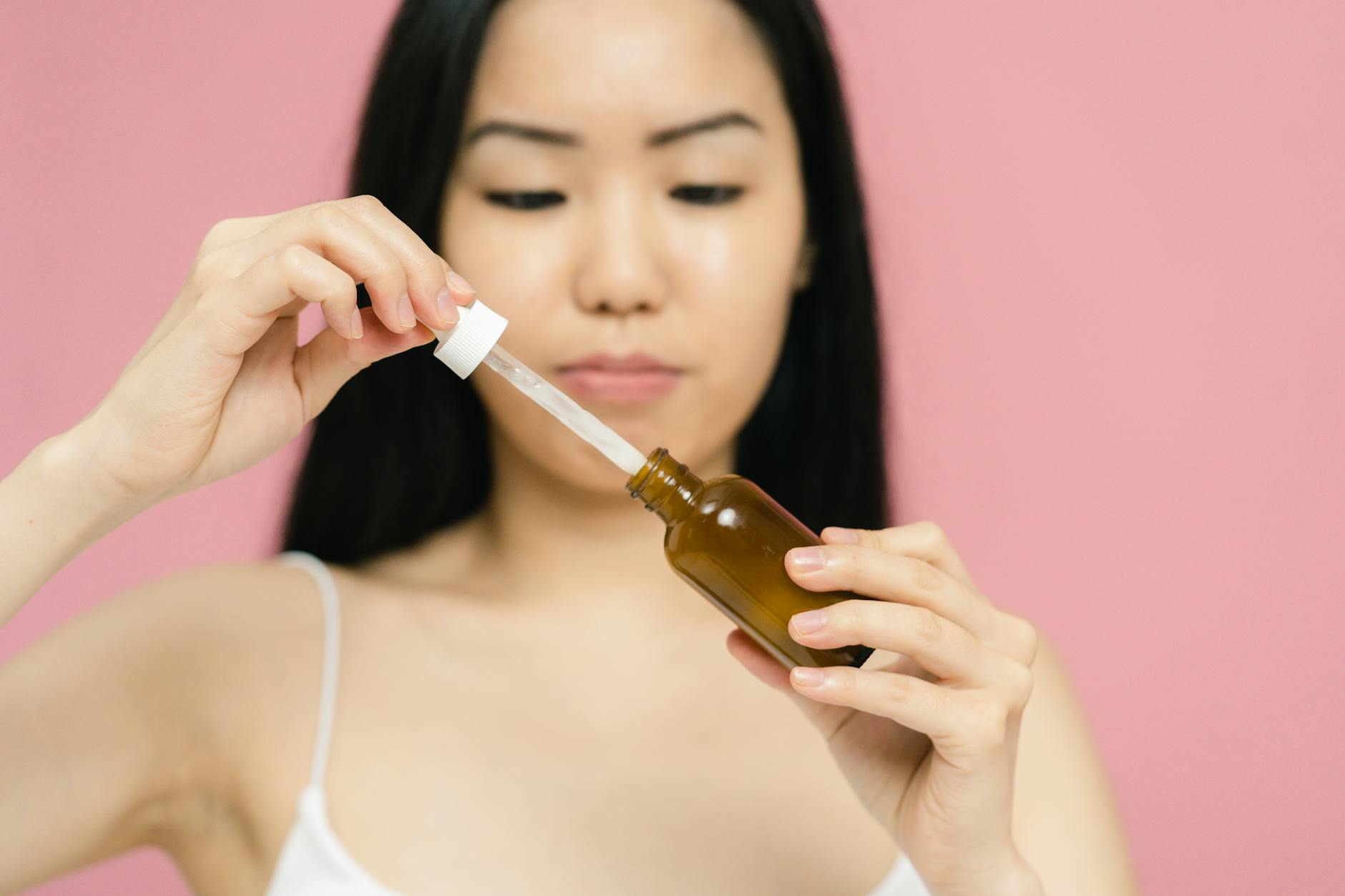
Proper application technique protects your skin from unnecessary irritation while maximizing serum benefits. Start with just 2-3 drops for your entire face—using more doesn't improve results and can overwhelm sensitive skin.
Combine one drop of serum with your regular moisturizer to dilute concentration and reduce irritation risk.
Start on your forehead and cheeks, avoiding the delicate eye area and corners of your nose initially.
Apply serums only in the evening during your introduction period to minimize sun sensitivity concerns.
Remember, gentle pressure works better than rubbing. Pat the mixture into your skin using your fingertips, allowing each layer to absorb completely before applying the next product. This careful approach prevents the redness and irritation that can lead to lasting skin concerns.
Warning Signs to Stop Usage

Recognizing when to stop using a serum protects your skin from lasting damage and prevents the scarring you're worried about. Immediate reactions include burning, stinging, or bright red patches that appear within minutes of application. Stop using the product immediately if you experience these symptoms.
Delayed reactions develop over days or weeks and include persistent redness, increased breakouts, or skin that feels constantly irritated. These signs indicate your skin barrier is compromised and needs time to heal.
Contact your dermatologist if symptoms persist beyond 48 hours after stopping the serum, if you develop blistering or severe swelling, or if your skin doesn't return to its normal state within a week. Professional guidance ensures proper treatment and prevents complications that could delay your journey to clear skin.
Next Steps for Success
Your serum introduction journey follows a careful three-phase process: patch testing for 48 hours, starting with every-other-night application for two weeks, then gradually building to nightly use. Expect visible improvements within 4-6 weeks, though some serums show benefits sooner. Remember, proper introduction prevents the scarring and irritation that concerns you most.
Wait at least one month after successfully introducing your first serum before adding a second product. Your skin needs time to fully adapt and show its true response pattern.
Slow, methodical serum introduction protects sensitive skin while building the clear complexion you're working toward.
Frequently Asked Questions
How should I introduce a new serum if I have sensitive skin?
Start by applying the serum on clean skin just once per week for the first two weeks. Gradually increase to twice weekly, then every other night over the next month. Always apply the serum after cleansing but before moisturizer, and reduce frequency immediately if you notice any redness, burning, or increased breakouts.
What is patch testing and why is it important for sensitive skin?
Patch testing involves applying a small amount of serum behind your ear or on your inner wrist and waiting 24-48 hours to monitor for reactions. This simple process prevents scarring and irritation by revealing how your skin will react before applying the serum to your entire face. Any irritation during the test signals that your skin needs a gentler formula or slower introduction schedule.
Why does sensitive skin react so quickly to new skincare products?
Sensitive skin has a compromised barrier function, making it more vulnerable to irritants and allergens. This heightened reactivity can cause redness, burning, stinging, itching, or visible inflammation within minutes of applying new products. Proper introduction helps prevent these uncomfortable reactions and avoids scarring or pigmentation from severe inflammation.
What should I do if my skin becomes irritated after introducing a new serum?
If you notice redness, burning, or increased breakouts, immediately reduce the frequency of use to the previous level that felt comfortable. This approach prevents permanent damage that aggressive introduction can cause. Your skin needs time to adapt to new ingredients without triggering inflammation, so stepping back allows your skin to recover and build tolerance gradually.
Disclaimer: This content is for informational purposes only and does not constitute medical advice. Always consult a qualified healthcare provider before making health decisions.