Why Eczema-Prone Skin Needs Special Serums

Eczema fundamentally changes how your skin functions, creating a cascade of problems that regular skincare products simply can't address. The condition damages your skin's protective barrier, leaving microscopic gaps that allow irritants to penetrate while moisture escapes. This compromised barrier makes your skin up to ten times more sensitive to ingredients that healthy skin tolerates easily.
Common serum ingredients like retinoids, alpha hydroxy acids, and certain preservatives trigger inflammation in eczema-prone skin. Even fragrance-free products often contain penetration enhancers that worsen barrier dysfunction. Your skin reacts to these ingredients with redness, burning, and increased flaking—concerns about permanent scarring from repeated inflammation cycles are completely valid.
"Eczema-prone skin requires serums that repair rather than penetrate, soothe rather than stimulate."
Specialized eczema serums focus on barrier repair through ceramides, calming inflammation with ingredients like niacinamide, and providing deep hydration without irritation. These formulations work with your compromised skin rather than against it, helping restore function while preventing the inflammatory flares that can lead to lasting skin changes.
Key Ingredients to Look For in Eczema Serums

Understanding which ingredients work best for eczema-prone skin can help you avoid the trial-and-error approach that often leads to more irritation and frustration. The right serum ingredients work together to strengthen your skin barrier, reduce inflammation, and provide lasting moisture without triggering flare-ups.
“Ceramides make up 50% of your skin barrier, but eczema reduces these essential lipids by up to 30%.”
Ceramides form the foundation of effective eczema serums. These naturally occurring lipids repair and strengthen your compromised skin barrier, helping prevent moisture loss and external irritants from penetrating. Look for serums containing ceramide 1, 3, and 6-II, which match your skin's natural composition most closely.
Hyaluronic acid delivers gentle, deep hydration without heaviness or greasiness. This molecule holds up to 1,000 times its weight in water, providing intense moisture that won't clog pores or cause breakouts. Choose serums with multiple molecular weights for both surface and deep skin hydration.
Niacinamide (vitamin B3) reduces inflammation and redness while strengthening your skin barrier. Clinical studies show 5% niacinamide significantly improves eczema symptoms within four weeks, making it particularly effective for preventing the scarring and discoloration that many people with eczema worry about.
Colloidal oatmeal provides immediate soothing relief for irritated skin. This finely ground oat flour contains compounds called avenanthramides that reduce itching and inflammation on contact. The FDA recognizes colloidal oatmeal as an effective skin protectant, making it a reliable choice for sensitive eczema-prone skin.
Ingredients to Avoid When You Have Eczema
When your skin barrier is compromised by eczema, certain serum ingredients can trigger painful flare-ups instead of providing relief. Understanding which ingredients to avoid protects your skin from unnecessary irritation and helps prevent the scarring and inflammation you're worried about.
Fragrances and essential oils rank among the most problematic ingredients for eczema-prone skin. Even "natural" essential oils like lavender, tea tree, or citrus extracts can cause severe reactions. These ingredients serve no therapeutic purpose in serums and only increase irritation risk.
High-concentration acids like glycolic acid, salicylic acid above 0.5%, or retinoids can strip your already weakened skin barrier. Alcohol-based formulas containing denatured alcohol, SD alcohol, or isopropyl alcohol create immediate stinging and long-term dryness.
Common allergens to watch for include formaldehyde-releasing preservatives (DMDM hydantoin, quaternium-15), lanolin, propylene glycol, and botanical extracts. Always patch test new products on a small skin area for 48 hours before full application.
How to Safely Introduce Serums to Eczema-Prone Skin
Adding a new serum to eczema-prone skin requires patience and careful monitoring. Rushing this process can trigger flare-ups that take weeks to heal, making gradual introduction essential for long-term success.
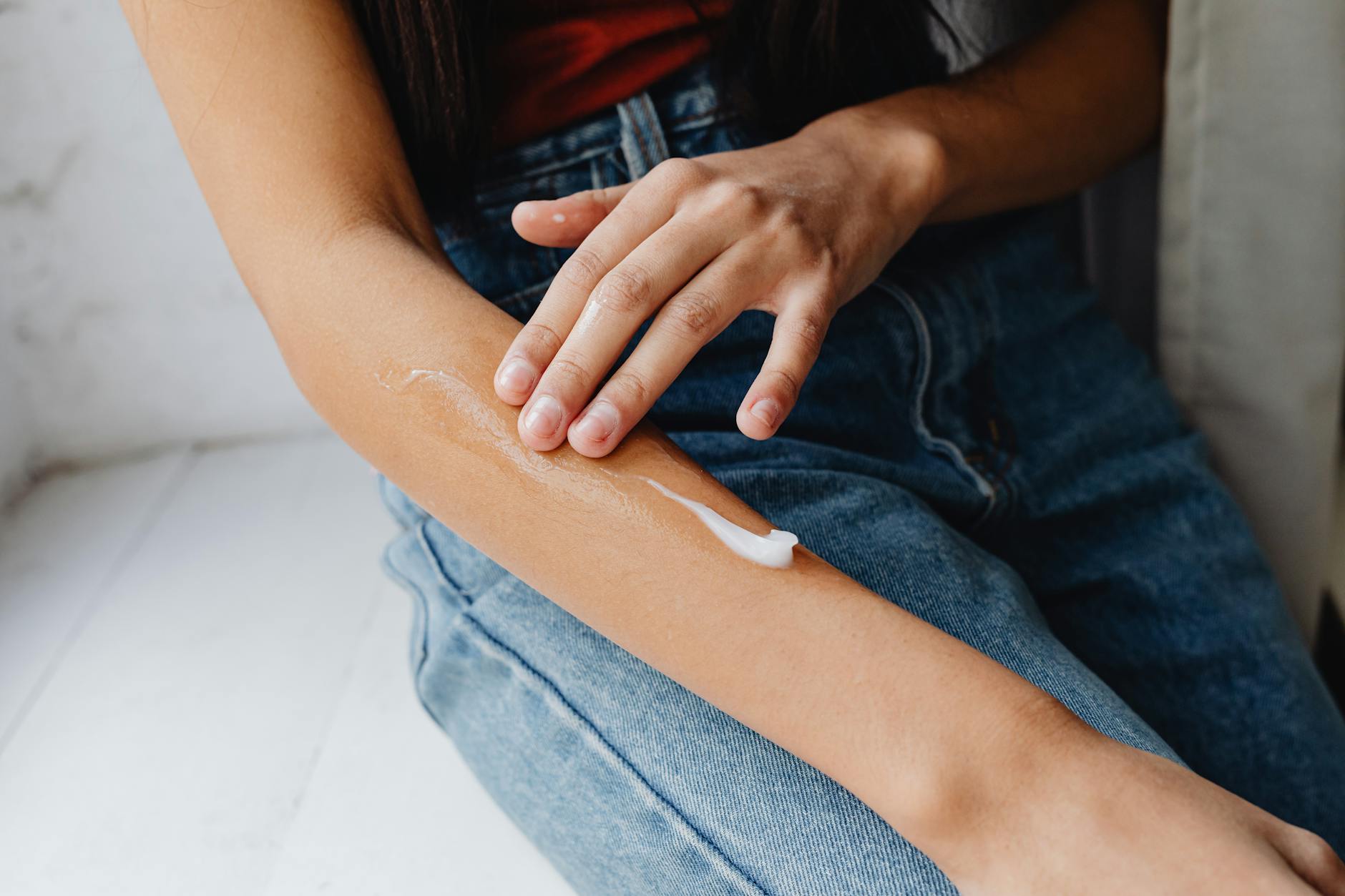
Apply a small amount of serum to your inner forearm and wait 24-48 hours to check for reactions.
Begin with the mildest version available and use only 2-3 drops on clean skin.
Apply the serum only twice per week for the first two weeks to gauge your skin's tolerance.
Watch for increased redness, itching, burning, or new patches appearing within 24 hours of application.
For example, if introducing a hyaluronic acid serum, start with a 1% concentration rather than jumping to 2%. Your skin needs time to adapt without overwhelming its already compromised barrier.
Keep a simple log noting application dates and any reactions. This helps identify patterns and prevents setbacks that could delay your progress toward clearer skin.
Best Application Methods for Eczema-Prone Skin

Proper application technique can make the difference between a soothing serum and an irritating setback. Your application method matters just as much as the product itself when managing eczema-prone skin.
Mist your face lightly with thermal water or apply serum immediately after cleansing while skin retains moisture.
Press the serum into your skin with your palms rather than rubbing, which can cause micro-tears and inflammation.
Wait two minutes for absorption, then seal with a ceramide-rich moisturizer to lock in hydration.
Timing matters significantly for eczema management. Apply serums during evening routines when your skin repairs itself naturally. Morning applications should be followed immediately with broad-spectrum sunscreen, since some eczema treatments increase photosensitivity.
For example, if using a hyaluronic acid serum, apply three drops to damp skin, press gently with clean hands, wait for absorption, then follow with your regular moisturizer. This technique prevents the pulling and tugging that can worsen existing irritation and helps prevent the visible damage that concerns many eczema sufferers.
When to Consult a Dermatologist
Seek professional help when eczema flare-ups persist despite consistent skincare routines or when symptoms worsen significantly. If your skin shows signs of infection, develops severe scarring, or interferes with daily activities, schedule an appointment immediately.
Dermatologists can prescribe stronger treatments like topical steroids or immunomodulators that aren't available over-the-counter. They also provide personalized treatment plans addressing your specific triggers and skin type, reducing concerns about permanent scarring through proper medical intervention and monitoring.
Professional dermatological care prevents complications and provides access to prescription treatments that clear stubborn eczema faster than over-the-counter options alone.
Frequently Asked Questions
Why do I need a special serum for eczema-prone skin?
Eczema fundamentally changes how your skin functions by damaging the protective barrier, creating microscopic gaps that allow irritants to penetrate while moisture escapes. This compromised barrier makes your skin up to ten times more sensitive to ingredients that healthy skin tolerates easily. Regular skincare products often contain ingredients like retinoids, alpha hydroxy acids, and penetration enhancers that can trigger inflammation and worsen barrier dysfunction.
What are the best ingredients to look for in an eczema serum?
The most effective eczema serum ingredients include ceramides (especially ceramide 1, 3, and 6-II) which repair and strengthen your compromised skin barrier. Hyaluronic acid provides gentle, deep hydration without heaviness, while niacinamide reduces inflammation and strengthens the barrier. Colloidal oatmeal offers immediate soothing relief and is FDA-recognized as an effective skin protectant for sensitive skin.
How does niacinamide help with eczema symptoms?
Niacinamide (vitamin B3) reduces inflammation and redness while strengthening your skin barrier. Clinical studies show that 5% niacinamide significantly improves eczema symptoms within four weeks. It's particularly effective for preventing the scarring and discoloration that many people with eczema worry about.
What makes ceramides important for eczema-prone skin?
Ceramides make up 50% of your skin barrier, but eczema reduces these essential lipids by up to 30%. These naturally occurring lipids repair and strengthen your compromised skin barrier, helping prevent moisture loss and stopping external irritants from penetrating. Look for serums containing ceramide 1, 3, and 6-II, which match your skin's natural composition most closely.
Disclaimer: This content is for informational purposes only and does not constitute medical advice. Always consult a qualified healthcare provider before making health decisions.