Understanding Rosacea and Serum Compatibility

Rosacea affects millions as a chronic inflammatory condition that causes persistent redness, visible blood vessels, and sensitive reactions to skincare products. Unlike general sensitive skin that may react occasionally, rosacea creates ongoing inflammation that makes your face vulnerable to flare-ups from ingredients that others tolerate easily.
“Rosacea creates ongoing inflammation that makes your face vulnerable to flare-ups from ingredients others tolerate easily.”
Serums can either calm your rosacea or trigger painful reactions depending on their formulation. The concentrated nature of serums means active ingredients penetrate deeper into compromised skin barriers, potentially causing burning, stinging, or worsening redness. Understanding which ingredients soothe versus inflame rosacea-prone skin helps you avoid the frustration of trial-and-error approaches that waste time and money while your skin suffers.
Best Serum Ingredients for Rosacea

Finding the right serum ingredients feels overwhelming when your skin reacts to seemingly everything. The key lies in choosing proven, gentle ingredients that calm inflammation rather than trigger it.
Niacinamide stands as the gold standard for rosacea-prone skin. This form of vitamin B3 reduces redness and inflammation while strengthening your skin barrier. Start with concentrations of 5% or lower to avoid irritation.
"Niacinamide reduces redness and inflammation while strengthening your skin barrier."
Hyaluronic acid provides essential hydration without clogging pores or causing sensitivity. This ingredient holds 1000 times its weight in water, helping damaged skin heal properly.
Ceramides repair your compromised skin barrier, which is crucial for rosacea management. These lipids restore your skin's natural protection against environmental triggers.
Azelaic acid offers gentle exfoliation and antimicrobial benefits. Unlike harsh acids, azelaic acid actually reduces inflammation while preventing the bacterial overgrowth that can worsen rosacea symptoms. Start with lower concentrations and patch test first.
Ingredients to Avoid with Rosacea
While searching for the perfect serum, knowing which ingredients to avoid protects your sensitive skin from painful flares and potential lasting damage. Many popular skincare ingredients that work well for others can trigger severe rosacea reactions.
Retinoids and high-concentration vitamin C serums often cause immediate burning and redness. Alpha hydroxy acids like glycolic acid strip away protective skin barriers, leaving you vulnerable to irritation. Alcohol-based formulas dry out already sensitive skin, creating a cycle of inflammation.
Essential oils and fragrances pose particularly high risks. Even natural-sounding ingredients like eucalyptus or lavender oil can trigger immediate flares. Always check ingredient lists for these common culprits before purchasing any serum for your rosacea-prone skin.
How to Safely Introduce Serums

Understanding how to properly introduce serums prevents the frustrating cycle of flares that many rosacea patients experience. Your sensitive skin needs careful, gradual exposure to new products to avoid triggering inflammation that could worsen your condition.
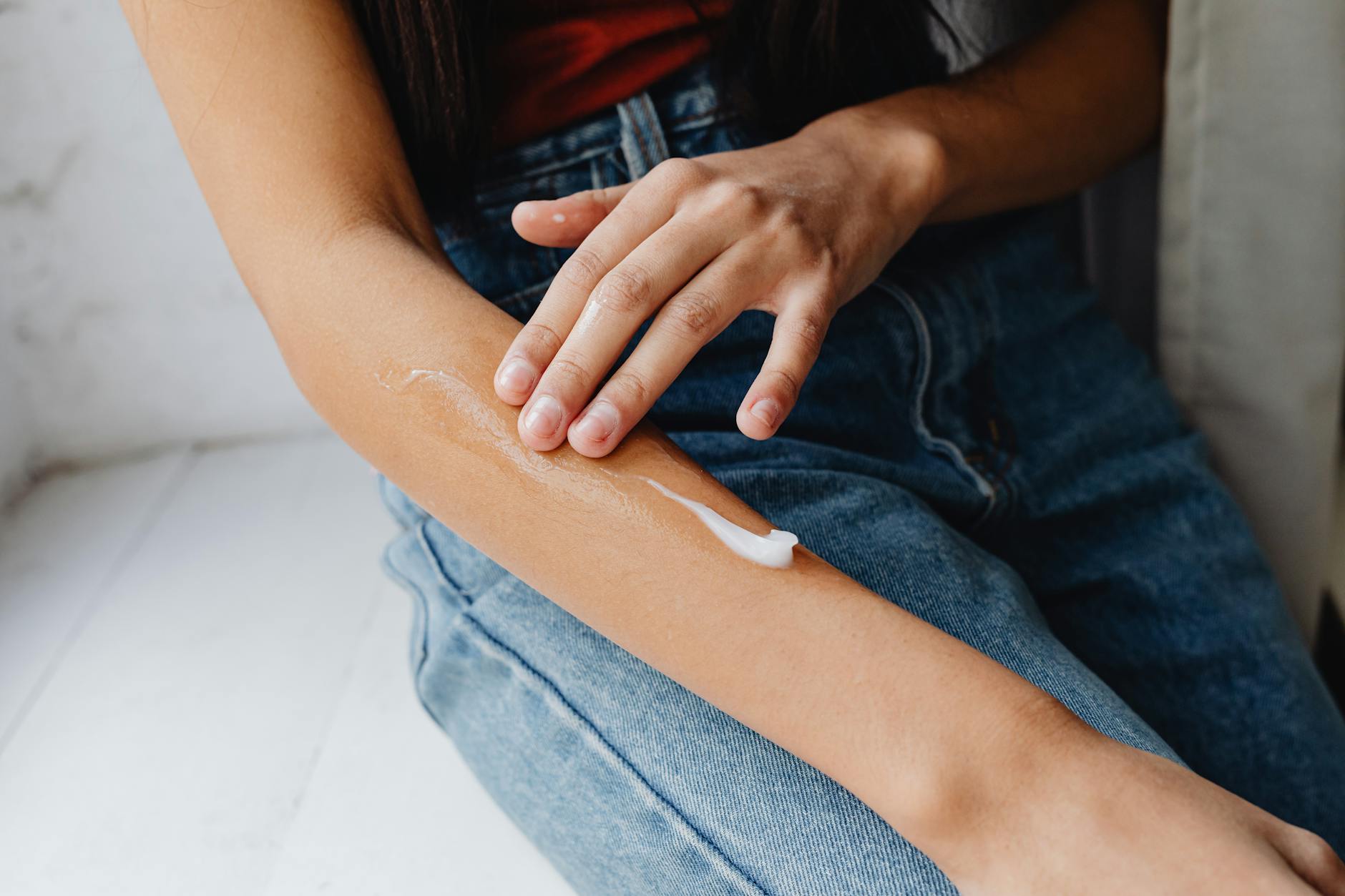
Apply a small amount to your inner forearm and wait 24-48 hours for any reaction.
Test the product on the skin behind your ear for three consecutive nights.
Use the serum on just one side of your face for one week to monitor differences.
Watch for increased redness, burning, stinging, or bumps that signal intolerance.
Wait two weeks between introducing new serums. This timeline allows your skin to fully adjust and helps you identify which specific product causes problems if reactions occur.
Building Your Rosacea-Safe Serum Routine
Creating an effective serum routine for sensitive skin requires strategic timing and careful layering. Morning routines should focus on protection, using antioxidant serums like vitamin C followed by broad-spectrum sunscreen. Evening routines allow for repair-focused ingredients like niacinamide or hyaluronic acid.
Start with water-based serums, then oil-based products, finishing with moisturizer.
Gradually increase frequency as your skin builds tolerance to prevent flare-ups.
Never layer more than two active serums at once to avoid overwhelming your compromised skin barrier. If redness persists beyond two weeks or worsens, consult a dermatologist immediately—early intervention prevents permanent damage and scarring that many rosacea patients fear.
Start slowly with one serum every other night, prioritize morning protection over evening treatment, and seek professional help if symptoms worsen.
Frequently Asked Questions
What serums are best for rosacea-prone skin?
Niacinamide is the gold standard for rosacea-prone skin, reducing redness and inflammation while strengthening the skin barrier. Hyaluronic acid provides essential hydration without causing sensitivity, and ceramides repair the compromised skin barrier. Azelaic acid offers gentle exfoliation and antimicrobial benefits while actually reducing inflammation. Start with lower concentrations of these ingredients and always patch test first.
Which serum ingredients should I avoid if I have rosacea?
Retinoids and high-concentration vitamin C serums often cause immediate burning and redness in rosacea patients. Alpha hydroxy acids like glycolic acid strip protective skin barriers, while alcohol-based formulas dry out sensitive skin and create inflammation cycles. Essential oils and fragrances pose particularly high risks, with 78% of people experiencing fragrance reactions and 65% reacting to alcohol ingredients.
Why do serums trigger rosacea flares?
Serums have concentrated active ingredients that penetrate deeper into compromised skin barriers, potentially causing burning, stinging, or worsening redness. Rosacea creates ongoing inflammation that makes your face vulnerable to flare-ups from ingredients that others tolerate easily. The concentrated nature of serums means even small amounts of problematic ingredients can trigger painful reactions.
How should I introduce new serums with rosacea?
Your sensitive skin needs careful, gradual exposure to new products to avoid triggering inflammation that could worsen your condition. Always patch test serums first before applying to your entire face. Start with lower concentrations and introduce products slowly to prevent the frustrating cycle of flares that many rosacea patients experience.
What concentration of niacinamide is safe for rosacea?
Start with niacinamide concentrations of 5% or lower to avoid irritation when you have rosacea. This form of vitamin B3 reduces redness and inflammation while strengthening your skin barrier, making it ideal for sensitive, rosacea-prone skin. Higher concentrations may be too strong and could trigger flares in sensitive individuals.
Disclaimer: This content is for informational purposes only and does not constitute medical advice. Always consult a qualified healthcare provider before making health decisions.