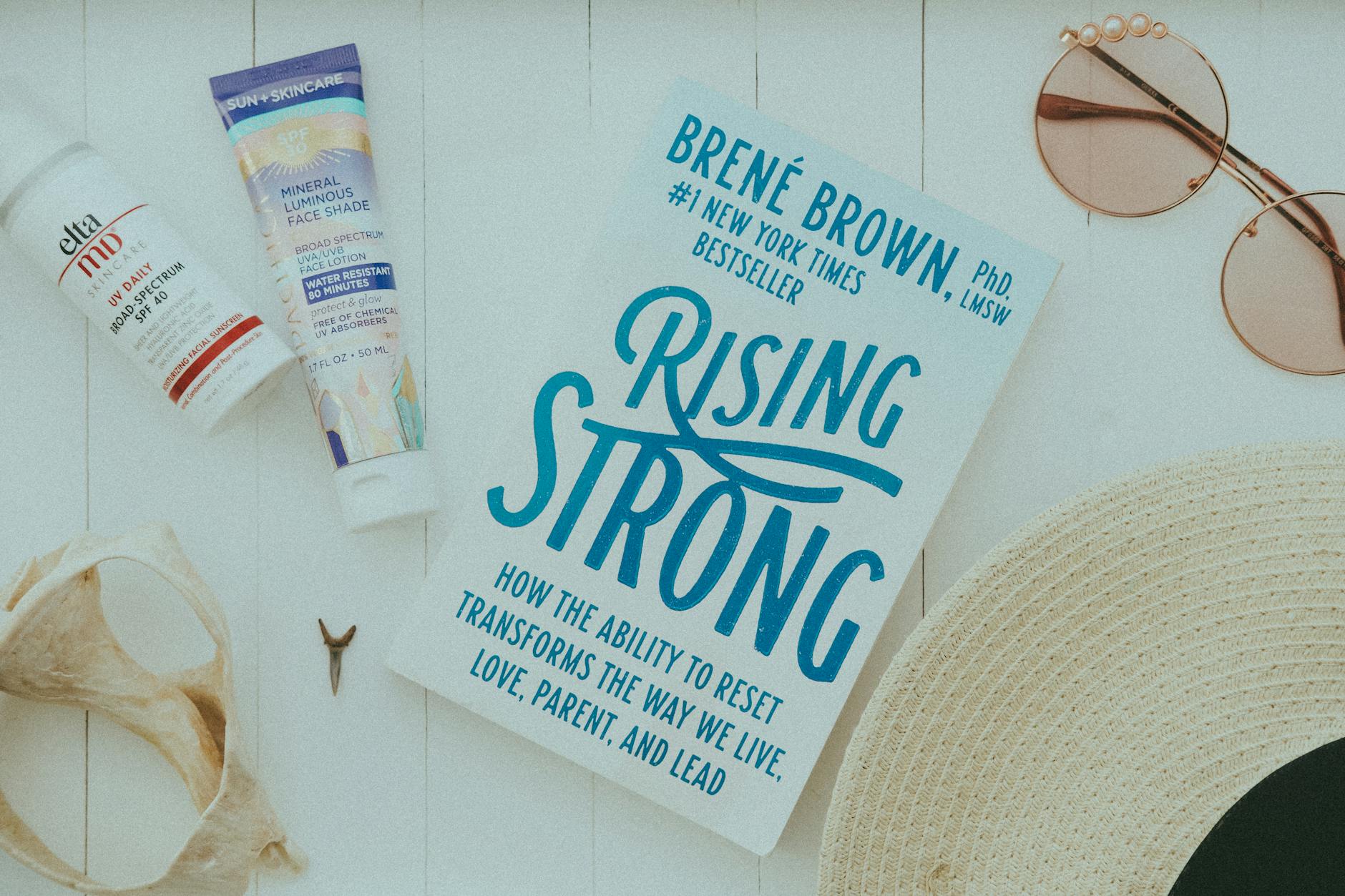
Why Sunscreen is Essential for Acne-Prone Skin

Many people with acne avoid sunscreen, fearing it will clog pores and worsen breakouts. This misconception leads to serious skin damage that can make acne scarring permanent and more visible.
“UV exposure deepens acne scars and makes them harder to treat later.”
Sun damage breaks down collagen in your skin, making existing acne scars deeper and more noticeable. This process can turn temporary red marks into permanent indentations that require expensive treatments to improve.
Many acne treatments like retinoids, benzoyl peroxide, and salicylic acid make your skin more sensitive to UV rays. Without proper protection, these helpful medications can cause severe burns and dark spots that take months to fade.
Key Ingredients to Look For

Finding the right sunscreen ingredients can prevent the scarring and breakouts you're worried about. Start by looking for products labeled "non-comedogenic," which means they've been tested to not clog pores. While this term isn't regulated by the FDA, reputable brands typically conduct actual testing to earn this claim.
“Zinc oxide and titanium dioxide are your skin's best friends—they protect without the irritation.”
Zinc oxide and titanium dioxide are mineral sunscreen ingredients that sit on your skin's surface rather than absorbing into it. These gentle giants provide excellent protection while actually having anti-inflammatory properties that can calm existing breakouts. Zinc oxide, in particular, has been used in acne treatments for decades.
Look for sunscreens containing niacinamide (vitamin B3) as a bonus ingredient. This powerhouse reduces oil production, minimizes pore appearance, and helps fade post-acne marks. For example, CeraVe's AM Facial Moisturizing Lotion combines broad-spectrum protection with niacinamide for dual benefits.
Ingredients to Avoid
Certain sunscreen ingredients can trigger breakouts or worsen existing acne, making your skin concerns more frustrating. Understanding what to avoid prevents setbacks in your journey toward clear skin.
Coconut oil and heavy oils like mineral oil create a barrier that traps bacteria and dead skin cells in your pores. These comedogenic ingredients often appear in sunscreens marketed as "natural" or "moisturizing." Similarly, cocoa butter and shea butter, while beneficial for dry skin elsewhere, can clog facial pores.
Fragrances and essential oils frequently cause irritation that manifests as red bumps resembling acne. Ingredients like lavender oil, bergamot, and synthetic fragrances listed simply as "parfum" can inflame sensitive, acne-prone skin.
Some chemical UV filters, particularly avobenzone and octinoxate, may irritate reactive skin types. These filters can cause stinging, burning, or contact dermatitis that creates inflammatory lesions.
Always check ingredient lists carefully—choosing the wrong sunscreen won't cause permanent scarring, but it can delay your progress toward the clear complexion you're working to achieve.
Application Tips for Acne-Prone Skin

Proper sunscreen application requires more than just rubbing it on your face. Use about a quarter-teaspoon for your entire face and neck, applying it in gentle upward motions rather than harsh rubbing that could irritate existing breakouts.
Wait 10-15 minutes after applying acne treatments before adding sunscreen to prevent pilling or reduced effectiveness.
Use a powder sunscreen over makeup or blot excess oil first with blotting papers before reapplying liquid formulas.
Apply sunscreen to active breakouts too, as UV exposure can darken acne marks and delay healing.
For example, if you use benzoyl peroxide in the morning, let it fully absorb before layering sunscreen on top. This prevents the products from interfering with each other and reduces the risk of irritation that could worsen your acne.
Common Mistakes to Avoid
Even with the right sunscreen, application errors can trigger breakouts and delay your journey to clear skin. Avoid these three common pitfalls that many acne-prone individuals encounter.
Using too much product overwhelms your skin and clogs pores. A quarter-teaspoon covers your entire face effectively. More product doesn't mean better protection—it just increases your risk of congestion and new blemishes.
Failing to remove sunscreen properly leaves residue that blocks pores overnight. Use a gentle cleanser or micellar water specifically designed for makeup removal. Your regular face wash might not eliminate all traces of mineral or chemical filters.
Mixing incompatible ingredients causes irritation and inflammation. Never layer retinoids, benzoyl peroxide, or salicylic acid directly under sunscreen without consulting your dermatologist first. These combinations can worsen acne instead of helping it heal.
Proper sunscreen removal each evening prevents pore blockages and maintains your acne treatment progress.
Frequently Asked Questions
Should people with acne-prone skin use sunscreen?
Yes, people with acne-prone skin should absolutely use sunscreen. Many avoid it fearing clogged pores, but this leads to serious skin damage that makes acne scarring permanent and more visible. UV exposure breaks down collagen and deepens acne scars, turning temporary red marks into permanent indentations.
What sunscreen ingredients are best for acne-prone skin?
Zinc oxide and titanium dioxide are the best sunscreen ingredients for acne-prone skin. These mineral ingredients sit on the skin's surface and have anti-inflammatory properties that can calm existing breakouts. Look for products labeled "non-comedogenic" and consider sunscreens containing niacinamide, which reduces oil production and helps fade post-acne marks.
What sunscreen ingredients should I avoid if I have acne?
Avoid coconut oil, mineral oil, cocoa butter, and shea butter as they can clog pores and trap bacteria. Fragrances and essential oils like lavender oil and bergamot can cause irritation that looks like acne. Some chemical UV filters like avobenzone and octinoxate may also irritate sensitive, acne-prone skin types.
Why do acne treatments make sunscreen more important?
Many acne treatments like retinoids, benzoyl peroxide, and salicylic acid make your skin more sensitive to UV rays. Without proper sun protection, these helpful medications can cause severe burns and dark spots that take months to fade. This makes daily sunscreen use essential when using acne treatments.
Disclaimer: This content is for informational purposes only and does not constitute medical advice. Always consult a qualified healthcare provider before making health decisions.