Why Your 30s Are Critical for Anti-Aging

Your skin hits a biological turning point at 30, making this decade crucial for establishing effective anti-aging habits. Starting at age 30, your body reduces collagen production by 1% each year. This protein keeps your skin firm and plump, so even small decreases create noticeable changes over time.
Cell turnover also slows significantly during your thirties, extending from 21 days to 28 days or longer. Dead skin cells linger on the surface, creating dullness and rough texture. Meanwhile, sun damage from your twenties starts appearing as dark spots and fine lines.
“Prevention is always more effective and less expensive than correction when it comes to aging skin.”
The good news is that starting prevention now can dramatically slow visible aging and help you avoid permanent scarring from neglect later.
Essential Steps for Your 30s Anti-Aging Routine

Building an effective anti-aging routine in your 30s doesn't require complicated ten-step programs. A strategic five-component approach targets the key concerns while preventing future damage that could lead to permanent changes in your skin's appearance.
“The right routine in your 30s prevents the skin damage that becomes expensive to reverse in your 40s and beyond.”
Apply broad-spectrum SPF 30+ sunscreen every morning, even on cloudy days or when staying indoors.
Use a vitamin C serum in the morning before sunscreen to fight free radical damage and brighten skin.
Incorporate AHA or BHA exfoliation 2-3 times per week to remove dead skin and improve texture.
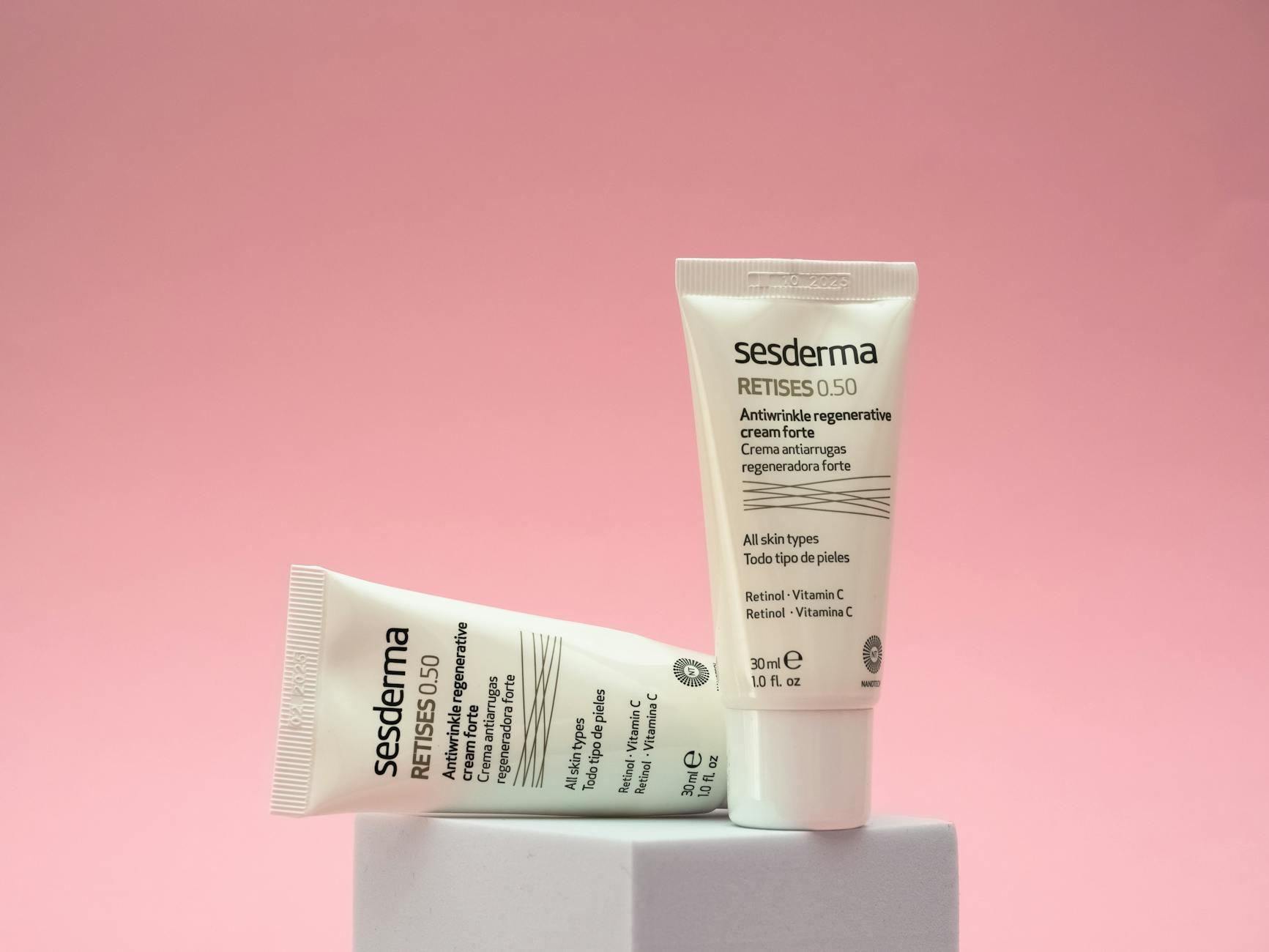
Start retinol 2-3 nights per week, beginning with 0.25% concentration to build tolerance.
Choose a moisturizer with ceramides to strengthen your skin barrier and maintain hydration levels.
This routine targets collagen production, sun damage prevention, and cellular turnover—the three pillars of effective anti-aging. Start with one new product every two weeks to avoid overwhelming your skin and monitor for any reactions.
Key Ingredients to Prioritize in Your 30s
Your 30s mark the perfect time to introduce proven anti-aging ingredients that prevent damage before it becomes visible. These four powerhouse ingredients form the foundation of any effective routine.
Retinol stands as the gold standard for anti-aging. This vitamin A derivative accelerates cell turnover, revealing fresh skin while stimulating collagen production to maintain firmness. Start with 0.25% concentration twice weekly to avoid irritation.
Vitamin C brightens skin while protecting against environmental damage. Look for L-ascorbic acid or magnesium ascorbyl phosphate in morning serums.
Hyaluronic acid holds up to 1,000 times its weight in water, plumping fine lines and maintaining moisture barriers that keep skin looking youthful.
Niacinamide minimizes pore appearance and controls oil production while reducing inflammation that can lead to permanent damage and scarring.
Common Mistakes to Avoid

Starting your anti-aging routine with too high retinol concentration leads to irritation, redness, and peeling that can cause permanent scarring if not managed properly. Begin with 0.25% retinol twice weekly, then gradually increase frequency and strength over months.
Skipping sunscreen on cloudy days remains a major error. UV rays penetrate clouds, causing daily damage that accelerates aging. Apply broad-spectrum SPF 30 every morning, regardless of weather.
Over-exfoliating strips your skin's protective barrier, creating inflammation and sensitivity. Limit chemical exfoliants to 2-3 times weekly maximum. For example, using glycolic acid daily plus retinol creates excessive irritation.
Neglecting your neck and décolletage shows your real age despite facial care. These areas have thinner skin and fewer oil glands, making them more vulnerable to wrinkles and sun damage. Extend your entire routine below your jawline.
Inconsistent application sabotages results completely. Skincare requires daily commitment for 8-12 weeks to show meaningful changes.
Building Your Routine Gradually
Rushing into a complex skincare routine can trigger irritation and breakouts, exactly what you're trying to avoid. Smart product introduction protects your skin while building an effective anti-aging foundation.
Begin with gentle cleanser, moisturizer, and broad-spectrum SPF 30+ daily for two weeks.
Introduce vitamin C in the morning after your skin adapts to the basic routine.
Wait four weeks before adding retinol, starting twice weekly to prevent irritation.
Watch for redness, peeling, or increased sensitivity between each addition.
This methodical approach prevents overwhelming your skin and helps identify which products work best for you.
Build your anti-aging routine slowly over 6-8 weeks, starting with basics and monitoring your skin's response to each new product.
Frequently Asked Questions
Why are your 30s important for anti-aging skincare?
Your skin hits a biological turning point at 30, making this decade crucial for establishing effective anti-aging habits. Starting at age 30, your body reduces collagen production by 1% each year, and cell turnover slows from 21 days to 28 days or longer. Meanwhile, sun damage from your twenties starts appearing as dark spots and fine lines, making prevention more important than ever.
What are the essential steps for an anti-aging routine in your 30s?
A strategic five-component approach includes daily broad-spectrum SPF 30+ sunscreen, vitamin C serum in the morning, gentle AHA or BHA exfoliation 2-3 times per week, retinol 2-3 nights per week starting at 0.25% concentration, and a hydrating moisturizer with ceramides. This routine targets collagen production, sun damage prevention, and cellular turnover—the three pillars of effective anti-aging. Start with one new product every two weeks to avoid overwhelming your skin.
How much collagen do you lose each year after 30?
Starting at age 30, your body reduces collagen production by 1% each year. This protein keeps your skin firm and plump, so even small decreases create noticeable changes over time. The gradual loss of collagen contributes to the appearance of fine lines and loss of skin firmness as you age.
What concentration of retinol should beginners start with in their 30s?
Beginners should start with 0.25% concentration retinol to build tolerance and avoid irritation. Use retinol 2-3 nights per week initially, as this vitamin A derivative accelerates cell turnover and stimulates collagen production. Starting slowly helps your skin adjust to this powerful anti-aging ingredient without causing excessive dryness or irritation.
How long does cell turnover take in your 30s compared to your 20s?
Cell turnover slows significantly during your thirties, extending from 21 days to 28 days or longer. This slower turnover means dead skin cells linger on the surface, creating dullness and rough texture. The extended cell cycle is one reason why exfoliation becomes more important in your 30s skincare routine.
Disclaimer: This content is for informational purposes only and does not constitute medical advice. Always consult a qualified healthcare provider before making health decisions.