How Your Skin Changes After 50

Your skin undergoes significant transformations once you reach your fifties. Collagen and elastin production decreases by approximately 1% each year after age 30, creating noticeable changes in firmness and bounce. Hormonal fluctuations, particularly during menopause, affect skin texture and thickness, making it appear less plump and resilient.
Increased dryness becomes a primary concern as sebaceous glands produce less natural oil. This reduction leads to heightened sensitivity and potential irritation from products that previously worked well. Cell turnover slows dramatically, taking up to 45 days instead of the typical 28-day cycle of younger skin.
“Understanding these natural changes helps you choose targeted treatments that work with your skin, not against it.”
Essential Steps for Your 50s Anti-Aging Routine

Building an effective anti-aging routine requires specific steps that work together to address mature skin's unique needs. Your routine doesn't need to be complicated, but it must target the key changes happening in your skin.
Use a cream or oil-based cleanser that removes makeup and impurities without stripping natural oils.
Apply a hyaluronic acid serum to plump skin and lock in moisture before other products.
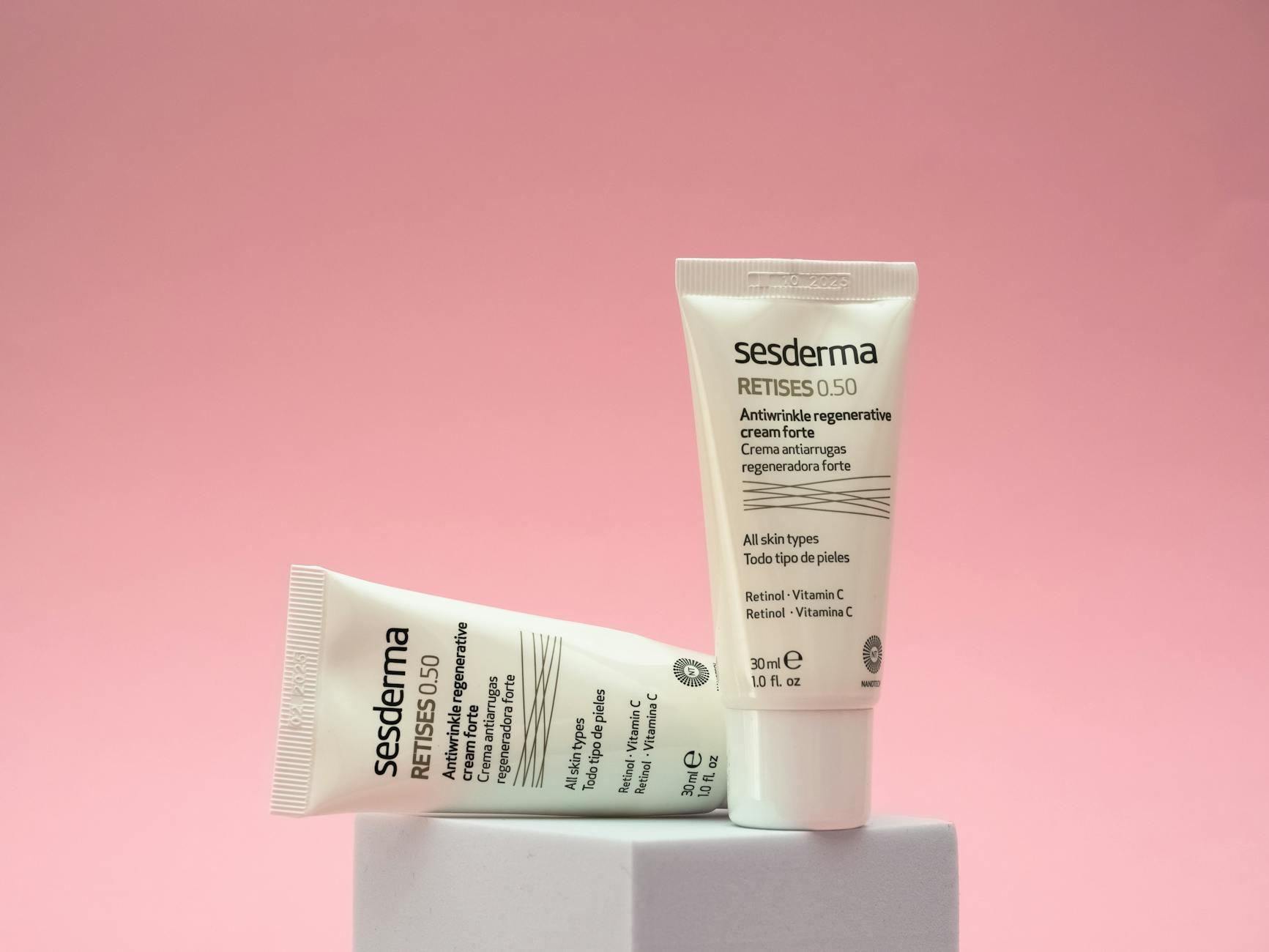
Start with a low-strength retinol product 2-3 times per week to boost collagen production.
Choose a formula with ceramides and peptides to restore your skin's barrier function.
Apply broad-spectrum SPF 30 or higher every morning, even when staying indoors.
"Consistency beats perfection when building an anti-aging routine that actually works."
Start slowly with new products. Introduce one new step every two weeks to avoid irritation. For example, begin with the gentle cleanser and moisturizer, then add the hydrating serum after your skin adjusts.
Key Ingredients to Look For
Understanding which active ingredients work best for mature skin helps you build an effective routine without wasting money on products that don't deliver results.
Retinol stands as the gold standard for accelerating cell turnover and reducing fine lines. Start with a low concentration (0.25%) and use it twice weekly to avoid irritation. Hyaluronic acid provides intense hydration by holding up to 1,000 times its weight in water, making skin appear plumper and smoother.
Peptides signal your skin to produce more collagen, improving firmness over time. Look for products containing matrixyl or copper peptides. Antioxidants like vitamin C and niacinamide protect against environmental damage while brightening skin tone. Ceramides repair your skin's protective barrier, preventing moisture loss and reducing sensitivity that often develops with age.
Common Mistakes to Avoid

While the urge to quickly transform your skin is understandable, rushing can backfire and potentially cause scarring. Over-exfoliating ranks as the biggest mistake mature skin owners make. Your 50+ skin needs gentle acids like lactic acid only 2-3 times weekly, not daily scrubbing.
Skipping moisturizer because your skin "feels oily" creates more problems. Dehydrated mature skin actually produces excess oil to compensate. Choose lightweight formulas with hyaluronic acid instead of avoiding moisturizer entirely.
Using harsh products designed for teenagers damages your skin barrier. Skip high-percentage retinoids and strong cleansers that strip natural oils. Start with gentle formulations specifically created for mature skin.
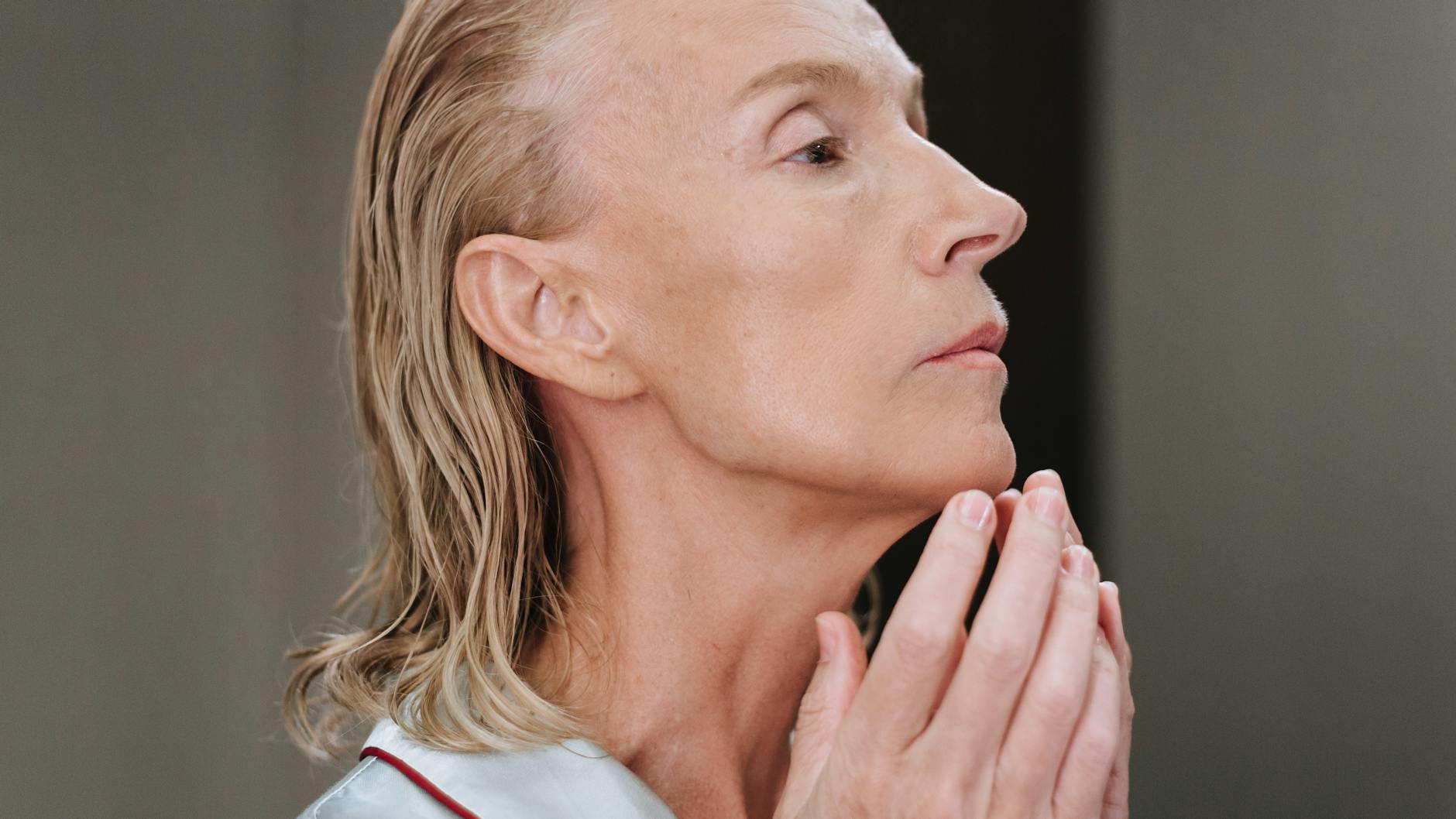
Don't forget your neck and hands – they show age faster than your face but receive minimal attention in most routines.
Building Your Routine Gradually
Starting slowly prevents overwhelming your mature skin and reduces the risk of irritation that could lead to lasting damage. Begin with a gentle cleanser, moisturizer, and SPF before introducing any active ingredients.
Use cleanser, moisturizer, and sunscreen for two weeks before adding anything else.
Introduce retinol or vitamin C every third night initially, then gradually increase frequency.
Test new products on your inner wrist for 24 hours before applying to your face.
Scale back frequency if you experience redness or increase if your skin tolerates products well.
Your skin will tell you what it needs—listen carefully and adjust accordingly rather than forcing a rigid schedule.
Start with basic products for two weeks, then introduce one active ingredient at a time while monitoring your skin's response.
Frequently Asked Questions
How does skin change after age 50?
After 50, your skin undergoes significant transformations as collagen and elastin production decreases by approximately 1% each year after age 30. Hormonal fluctuations, particularly during menopause, affect skin texture and thickness, making it appear less plump and resilient. Increased dryness becomes a primary concern as sebaceous glands produce less natural oil, and cell turnover slows dramatically, taking up to 45 days instead of the typical 28-day cycle.
What are the essential steps for an anti-aging routine in your 50s?
An effective anti-aging routine for your 50s includes five essential steps: gentle cleansing with cream or oil-based cleansers, applying hydrating serums with hyaluronic acid, using retinoids for cell renewal 2-3 times per week, moisturizing with ceramides and peptides, and daily SPF protection of 30 or higher. Start slowly with new products, introducing one new step every two weeks to avoid irritation.
What ingredients should I look for in anti-aging skincare after 50?
Retinol stands as the gold standard for accelerating cell turnover and reducing fine lines, starting with a low concentration (0.25%) used twice weekly. Hyaluronic acid provides intense hydration by holding up to 1,000 times its weight in water, making skin appear plumper and smoother. These ingredients are specifically effective for addressing the unique needs of mature skin.
How often should I use retinol in my 50s skincare routine?
Start with a low-strength retinol product 2-3 times per week to boost collagen production and avoid irritation. Begin with a low concentration of 0.25% and use it twice weekly initially. This gradual approach allows your skin to adjust to the ingredient without causing excessive dryness or sensitivity.
Disclaimer: This content is for informational purposes only and does not constitute medical advice. Always consult a qualified healthcare provider before making health decisions.