Understanding Anti-Aging for Sensitive Skin

Sensitive skin reacts easily to skincare products with immediate redness, burning, stinging, or irritation. This heightened reactivity makes traditional anti-aging approaches challenging, as powerful ingredients like retinoids, alpha hydroxy acids, and high-concentration vitamin C can trigger uncomfortable reactions that worsen your skin's appearance rather than improve it.
“Gentle anti-aging takes patience, but it prevents the inflammation that actually accelerates aging.”
Common anti-aging ingredients become problematic for sensitive skin because they work by increasing cell turnover or creating controlled irritation to stimulate renewal. Your reactive skin interprets this stimulation as an attack, responding with inflammation that can temporarily worsen your complexion. This reaction often triggers fears about permanent damage, but rest assured that proper gentle care prevents lasting harm.
Effective anti-aging for sensitive skin requires a slower, more methodical approach. You'll see gradual improvements over months rather than weeks, but this timeline actually works in your favor. Gentle methods build skin strength while reducing fine lines, creating lasting results without the setbacks that aggressive treatments often cause.
Your sensitive skin isn't a limitation—it simply requires a different strategy that prioritizes barrier protection and gradual introduction of active ingredients to achieve healthy, youthful-looking skin safely.
Essential Principles for Sensitive Skin Anti-Aging

Building an effective anti-aging routine for sensitive skin requires patience and strategic planning. Your skin needs gentle care that won't trigger irritation, redness, or inflammation that could worsen your concerns.
“The key to successful anti-aging with sensitive skin is starting slowly and being consistent rather than aggressive.”
Start with patch testing every new product on a small area of skin for 24-48 hours before applying to your face. This simple step prevents widespread reactions that could set back your progress for weeks.
Choose products labeled as fragrance-free and alcohol-free, as these ingredients are common irritants. Look for formulations specifically designed for sensitive skin, which typically use gentler preservatives and fewer potential allergens.
When incorporating active ingredients like retinoids or acids, begin with the lowest concentrations available. For example, start with 0.25% retinol rather than 1%, or use lactic acid at 5% instead of 10%. You can gradually increase strength as your skin builds tolerance.
Prioritize barrier repair and hydration above all else. A compromised skin barrier makes sensitivity worse and accelerates aging. Use ceramide-rich moisturizers and gentle cleansers that maintain your skin's natural pH balance. Products containing niacinamide, hyaluronic acid, and panthenol help strengthen your skin while providing anti-aging benefits without irritation.
Step-by-Step Sensitive Skin Anti-Aging Routine
Building an anti-aging routine for sensitive skin requires a methodical approach that prioritizes gentle effectiveness over aggressive results. Your skin needs consistent, predictable care to minimize irritation while still addressing signs of aging. This structured routine helps you achieve visible improvements without triggering the redness or breakouts that could lead to lasting marks.
Use a cream or lotion cleanser with a pH between 5.5-6.5 to maintain your skin barrier.
Apply a fragrance-free toner with hyaluronic acid or glycerin using gentle patting motions.
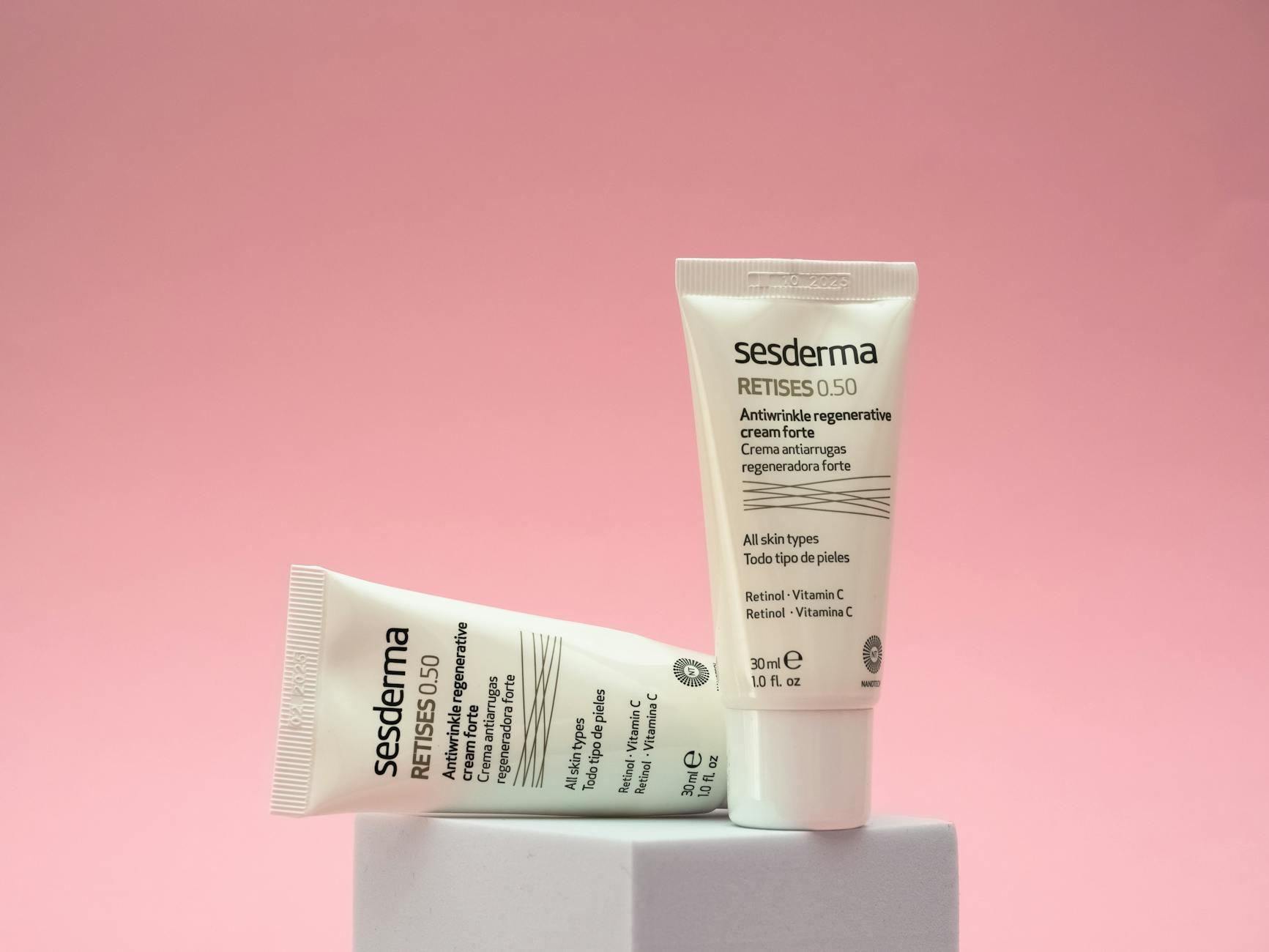
Use vitamin C serum in the morning or retinol alternative like bakuchiol in the evening.
Choose a ceramide-rich moisturizer that strengthens your skin barrier and locks in hydration.
Apply broad-spectrum SPF 30 or higher with zinc oxide or titanium dioxide for gentle coverage.
For evening routines, replace vitamin C with a gentle retinol alternative or peptide serum. Start with every third night to test tolerance. Products like CeraVe Hydrating Cleanser, Vanicream Gentle Facial Cleanser, or La Roche-Posay Toleriane Caring Wash work well for sensitive skin cleansing.
Your moisturizer should contain ceramides, niacinamide, or hyaluronic acid. Look for brands like Vanicream Daily Facial Moisturizer or CeraVe PM Facial Moisturizing Lotion. These ingredients repair and strengthen without causing irritation that could result in permanent discoloration.
Weekly treatments can include a gentle enzyme mask with papaya or pumpkin enzymes instead of harsh physical scrubs. Limit these to once per week maximum. Always patch test new products on your inner arm for 48 hours before applying to your face.
Remember that consistency beats intensity with sensitive skin. Results typically appear after 6-8 weeks of regular use, but this gradual approach prevents the inflammatory responses that can leave lasting marks on reactive skin.
Best Anti-Aging Ingredients for Sensitive Skin

Finding effective anti-aging ingredients that won't trigger reactions requires careful selection. Your sensitive skin deserves powerful ingredients that work gently without causing the irritation and damage you're trying to prevent.
Bakuchiol serves as nature's answer to retinol, delivering similar collagen-boosting benefits without the redness or peeling. This plant-derived ingredient increases skin firmness and reduces fine lines while remaining completely gentle on reactive skin types.
Vitamin C transforms your skin when used in low concentrations (5-10%). Choose magnesium ascorbyl phosphate or sodium ascorbyl phosphate over L-ascorbic acid, as these stable forms provide antioxidant protection and brightness without stinging or burning sensitive skin.
Peptides and growth factors rebuild your skin structure from within, stimulating natural collagen production without surface irritation. Look for copper peptides or epidermal growth factors in serums designed for sensitive skin.
Hyaluronic acid and niacinamide form your hydration powerhouse. Hyaluronic acid plumps fine lines instantly, while 2% niacinamide strengthens your skin barrier and reduces inflammation that accelerates aging.
Avoid glycolic acid, high-concentration retinol (over 0.5%), benzoyl peroxide, and fragranced products completely. These ingredients commonly trigger reactions that can worsen aging signs and create lasting damage you're working to prevent.
Common Mistakes and How to Avoid Them
Even with the gentlest intentions, sensitive skin can quickly become irritated when you make common anti-aging mistakes. Understanding these pitfalls helps you avoid setbacks that could leave your skin worse than when you started.
Over-exfoliating ranks as the biggest mistake people make. Using multiple active ingredients like retinol, vitamin C, and acids simultaneously overwhelms sensitive skin. Start with one product every few days, then slowly increase frequency. For example, use a gentle retinol twice weekly for two weeks before adding a third night.
Skipping patch tests seems harmless but can lead to painful reactions. Test any new product on your inner wrist for 24 hours before applying to your face. This simple step prevents widespread irritation and potential scarring.
Reading ingredient lists prevents another common error: choosing products with known irritants like fragrance, alcohol, or essential oils. These ingredients offer no anti-aging benefits but cause unnecessary inflammation.
Impatience derails many routines. Anti-aging results take 8-12 weeks to become visible. Switching products too quickly prevents you from seeing real benefits and keeps your skin in a constant state of adjustment.
Start slowly with one gentle anti-aging ingredient, patch test everything, and give products at least three months to show results.
Frequently Asked Questions
Why is anti-aging skincare more challenging for sensitive skin?
Sensitive skin reacts easily to traditional anti-aging ingredients like retinoids, alpha hydroxy acids, and high-concentration vitamin C with immediate redness, burning, stinging, or irritation. These powerful ingredients work by increasing cell turnover or creating controlled irritation, but reactive skin interprets this as an attack and responds with inflammation. This inflammatory response can temporarily worsen your complexion rather than improve it.
How should I introduce anti-aging products to sensitive skin?
Start with patch testing every new product on a small area of skin for 24-48 hours before applying to your face to prevent widespread reactions. When incorporating active ingredients like retinoids or acids, begin with the lowest concentrations available, such as 0.25% retinol instead of 1%. You can gradually increase strength as your skin builds tolerance over time.
What ingredients should I avoid in anti-aging products for sensitive skin?
Avoid products containing fragrance and alcohol, as these are common irritants for sensitive skin. Look for formulations specifically designed for sensitive skin, which typically use gentler preservatives and fewer potential allergens. Choose products labeled as fragrance-free and alcohol-free to minimize the risk of irritation.
What should I prioritize in my sensitive skin anti-aging routine?
Prioritize barrier repair and hydration above all else, as a compromised skin barrier makes sensitivity worse and accelerates aging. Use ceramide-rich moisturizers and gentle cleansers that maintain your skin's natural pH balance. Products containing niacinamide, hyaluronic acid, and panthenol help strengthen your skin while providing anti-aging benefits without irritation.
How long does it take to see anti-aging results with sensitive skin?
Effective anti-aging for sensitive skin requires a slower, more methodical approach where you'll see gradual improvements over months rather than weeks. This timeline actually works in your favor because gentle methods build skin strength while reducing fine lines. This creates lasting results without the setbacks that aggressive treatments often cause for sensitive skin.
Disclaimer: This content is for informational purposes only and does not constitute medical advice. Always consult a qualified healthcare provider before making health decisions.