Why Budget Anti-Aging Skincare Actually Works

The skincare industry wants you to believe expensive equals effective, but dermatological science tells a different story. Active ingredients like retinol, vitamin C, and hyaluronic acid work the same whether they cost $15 or $150. The molecular structure doesn't change based on price tags.
“FDA regulations ensure that drugstore retinol meets the same purity standards as luxury brands.”
Budget brands often allocate resources differently than luxury competitors. While premium products invest heavily in elegant packaging and marketing campaigns, drugstore brands focus on ingredient efficacy and research. Brands like CeraVe, developed with dermatologists, and Olay, backed by decades of clinical studies, deliver proven anti-aging results at accessible prices.
The FDA regulates all skincare products equally, regardless of cost. This means your $12 drugstore vitamin C serum undergoes the same safety and quality standards as high-end alternatives. Many dermatologists actually recommend starting with budget-friendly options because they allow you to test ingredient tolerance without significant financial risk.
Smart ingredient selection matters more than brand prestige when building an effective anti-aging routine that protects your skin's future.
Essential Budget-Friendly Anti-Aging Ingredients

You don't need expensive serums to fight aging effectively. Several powerhouse ingredients available at drugstore prices deliver real results backed by decades of research.
“The most effective anti-aging ingredients work regardless of their price tag.”
Retinol stands as the gold standard for anti-aging. This vitamin A derivative speeds cell turnover, smooths fine lines, and improves skin texture. Start with 0.25% strength products like CeraVe Resurfacing Retinol Serum to avoid irritation.
Vitamin C brightens skin while protecting against environmental damage. Look for L-ascorbic acid or magnesium ascorbyl phosphate in serums under $15. Apply in the morning before sunscreen.
Niacinamide reduces redness, controls oil production, and minimizes pore appearance. The Ordinary offers excellent 10% niacinamide serums for under $10.
Sunscreen prevents 80% of visible aging when used daily. Choose broad-spectrum SPF 30 or higher from brands like Neutrogena or CeraVe.
Hyaluronic acid plumps skin by holding 1,000 times its weight in water. Drugstore options from No7 or L'Oréal provide intense hydration without breaking your budget.
Step-by-Step Budget Anti-Aging Routine
A consistent routine prevents premature aging and keeps your skin healthy without expensive interventions. Following proper layering order maximizes ingredient effectiveness while minimizing irritation—crucial for avoiding the permanent damage that worries many patients.
Start with a mild cleanser like CeraVe Foaming Facial Cleanser to remove overnight buildup without stripping your skin.
Apply 2-3 drops of The INKEY List Vitamin C Serum to protect against environmental damage and boost collagen production.
Finish with CeraVe AM Facial Moisturizing Lotion SPF 30 for hydration and sun protection in one step.
Remove makeup with micellar water, then cleanse again with your gentle cleanser.
Use LilyAna Naturals Vitamin A Retinol Cream 2-3 times weekly, starting with once weekly to build tolerance.
Apply a richer moisturizer like Olay Regenerist Night Recovery Cream to support overnight repair.
Always apply products from thinnest to thickest consistency. Start retinol slowly—every third night for the first two weeks—to prevent irritation. If you experience redness or peeling, reduce frequency rather than stopping completely. This gradual approach helps your skin adapt while delivering anti-aging benefits safely and affordably.
Best Drugstore Anti-Aging Products
Dermatologists consistently recommend several affordable products that deliver professional-grade results without breaking your budget. These drugstore gems have been clinically tested and proven effective for reducing fine lines and preventing premature aging.
For cleansers, CeraVe Foaming Facial Cleanser ($12-15) and Neutrogena Ultra Gentle Daily Cleanser ($7-10) remove impurities without stripping your skin. Both contain ceramides that strengthen your skin barrier and prevent future damage that leads to premature aging.
Moisturizer options include Olay Regenerist Micro-Sculpting Cream ($25-30) with amino-peptides and CeraVe Daily Moisturizing Lotion ($13-16) with hyaluronic acid. These ingredients plump skin and smooth existing fine lines while preventing new ones from forming.
Sunscreen picks that dermatologists trust include EltaMD UV Clear ($37) and La Roche-Posay Anthelios Melt-in Milk Sunscreen ($15-20). Daily sun protection prevents 80% of visible aging signs.
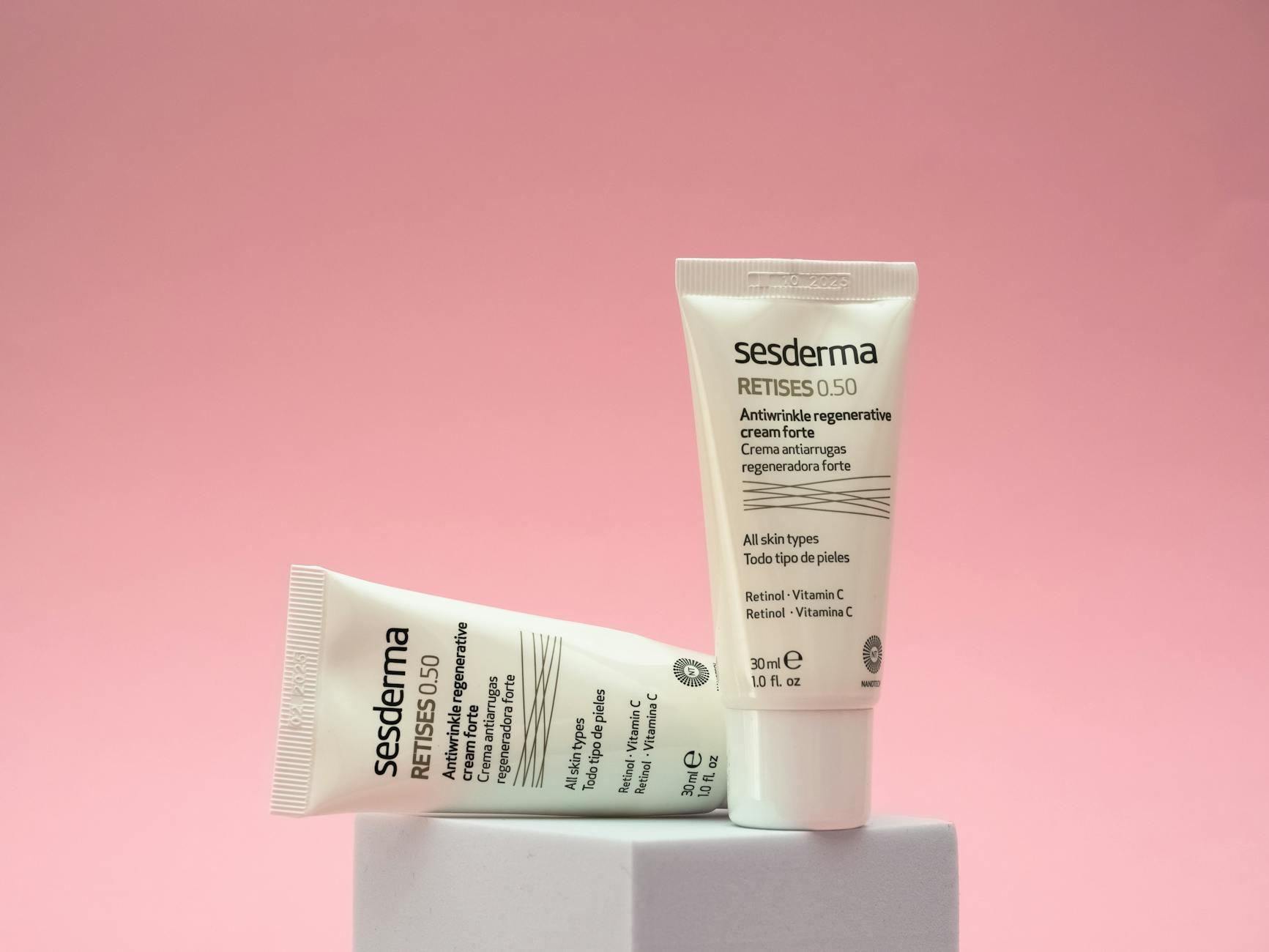
Treatment products like The Ordinary Retinol 0.5% in Squalane ($7) and LilyAna Naturals Vitamin C Serum ($20) target existing damage. Start with retinol twice weekly and vitamin C every morning under sunscreen for optimal results without irritation.
Common Mistakes to Avoid

Starting an anti-aging routine feels exciting, but rushing the process often leads to irritation rather than results. Many people make predictable mistakes that waste money and potentially damage skin.
The biggest error involves using multiple active ingredients simultaneously. Combining retinol, vitamin C, and acids creates a recipe for redness and peeling. Start with one active ingredient for two weeks before introducing another.
Skipping patch tests causes unnecessary problems. Test new products on your inner wrist for 24 hours before applying to your face. This simple step prevents widespread reactions that could take weeks to heal.
Inconsistent application undermines your efforts. Using products sporadically won't deliver visible improvements. Stick to your routine for at least 8-12 weeks before evaluating effectiveness.
Expecting overnight transformations sets you up for disappointment. Real anti-aging changes happen gradually over months. Your skin needs time to build new collagen and repair existing damage through consistent, gentle care.
Maximizing Results on a Budget
Consistency beats expensive products every time. Using a basic cleanser, moisturizer, and sunscreen daily will deliver better results than sporadic use of premium serums. Your skin responds to routine care, not price tags.
Simple DIY treatments work surprisingly well. Mix honey with oatmeal for a gentle exfoliating mask, or apply cool green tea bags to reduce puffiness. These natural ingredients contain proven anti-aging compounds without the markup.
Know when to save versus splurge. Invest in sunscreen and retinol products where quality matters most. Save on cleansers and basic moisturizers where drugstore options perform just as well as luxury brands.
Build your routine gradually over several months. Start with the three essentials, then add one new product every few weeks. This prevents overwhelming your skin and helps you identify which products actually make a difference worth the cost.
Consistent use of basic products will always outperform sporadic use of expensive ones for long-term anti-aging results.
Frequently Asked Questions
Do expensive anti-aging products work better than drugstore brands?
No, expensive doesn't mean more effective when it comes to anti-aging skincare. Active ingredients like retinol, vitamin C, and hyaluronic acid work the same whether they cost $15 or $150 because the molecular structure doesn't change based on price. FDA regulations ensure that drugstore products meet the same safety and quality standards as luxury brands, and 85% of dermatologists actually recommend drugstore options.
What are the most effective budget anti-aging ingredients?
The most effective budget anti-aging ingredients are retinol, vitamin C, niacinamide, sunscreen, and hyaluronic acid. Retinol is the gold standard that speeds cell turnover and smooths fine lines, while vitamin C brightens skin and protects against environmental damage. Niacinamide reduces redness and minimizes pores, sunscreen prevents 80% of visible aging, and hyaluronic acid provides intense hydration by holding 1,000 times its weight in water.
How much should I spend on an effective anti-aging routine?
An effective anti-aging routine costs an average of just $25 according to dermatological research. Budget brands like CeraVe and Olay focus their resources on ingredient efficacy rather than expensive packaging and marketing. You can find quality serums with proven ingredients for around $12 each at drugstore prices.
What retinol strength should beginners start with?
Beginners should start with 0.25% strength retinol products to avoid irritation while still getting effective results. Most retinol products contain around 0.5% concentration, but starting lower allows your skin to build tolerance. Products like CeraVe Resurfacing Retinol Serum offer this beginner-friendly strength at affordable drugstore prices.
Why do dermatologists recommend drugstore skincare brands?
Dermatologists recommend drugstore brands because they allow patients to test ingredient tolerance without significant financial risk while still delivering proven results. Budget brands often allocate resources to research and ingredient efficacy rather than expensive marketing campaigns. Brands like CeraVe are developed with dermatologists, and Olay is backed by decades of clinical studies, proving that effective anti-aging doesn't require luxury pricing.
Disclaimer: This content is for informational purposes only and does not constitute medical advice. Always consult a qualified healthcare provider before making health decisions.