Why Evening Anti-Aging Routines Matter More

Your skin works hardest while you sleep. During nighttime hours, your body activates its natural repair mechanisms, producing fresh collagen and accelerating cell turnover. This biological process makes evening the perfect window for anti-aging treatments that can prevent future damage and address existing concerns.
“Your skin repairs itself most efficiently between 11 PM and 4 AM when cell regeneration peaks.”
Evening routines offer unique advantages over morning care. Without UV exposure threatening your skin, you can use potent ingredients like retinoids and alpha hydroxy acids that might cause photosensitivity during daylight hours. These powerful actives work uninterrupted for 8-10 hours, maximizing their effectiveness.
The extended contact time allows ingredients to penetrate deeper into your skin layers. While morning products focus on protection, nighttime formulas concentrate on correction and renewal. This targeted approach helps address signs of aging more aggressively, giving you visible results faster while building long-term skin health.
The Complete Evening Anti-Aging Routine Steps

Your evening routine requires precision and patience to achieve the clearest, healthiest skin possible. The order of product application matters significantly—applying steps incorrectly can reduce effectiveness by up to 50% and may cause irritation that leads to unwanted marks or scarring.
“The order of product application matters significantly—applying steps incorrectly can reduce effectiveness by up to 50%.”
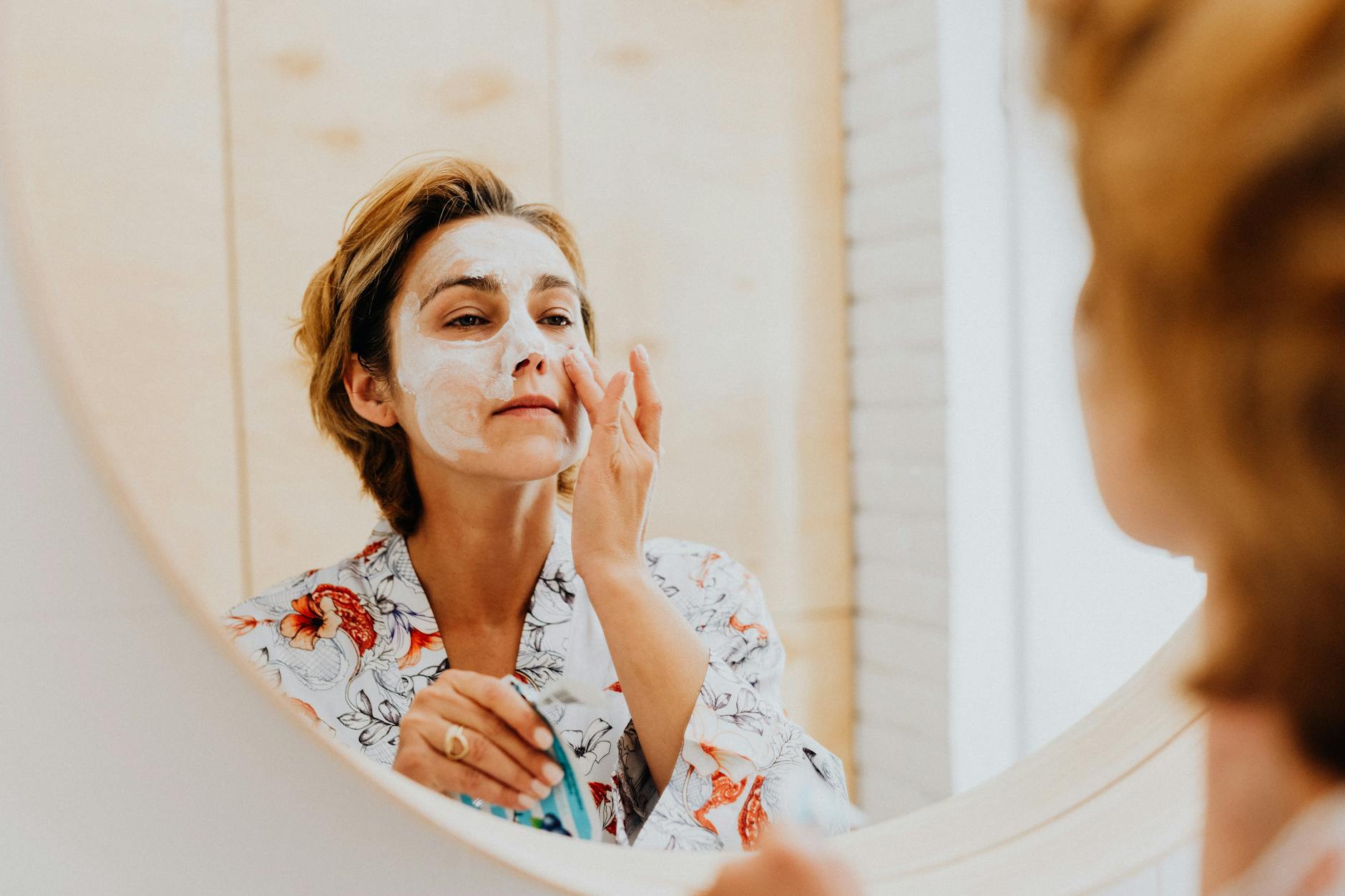
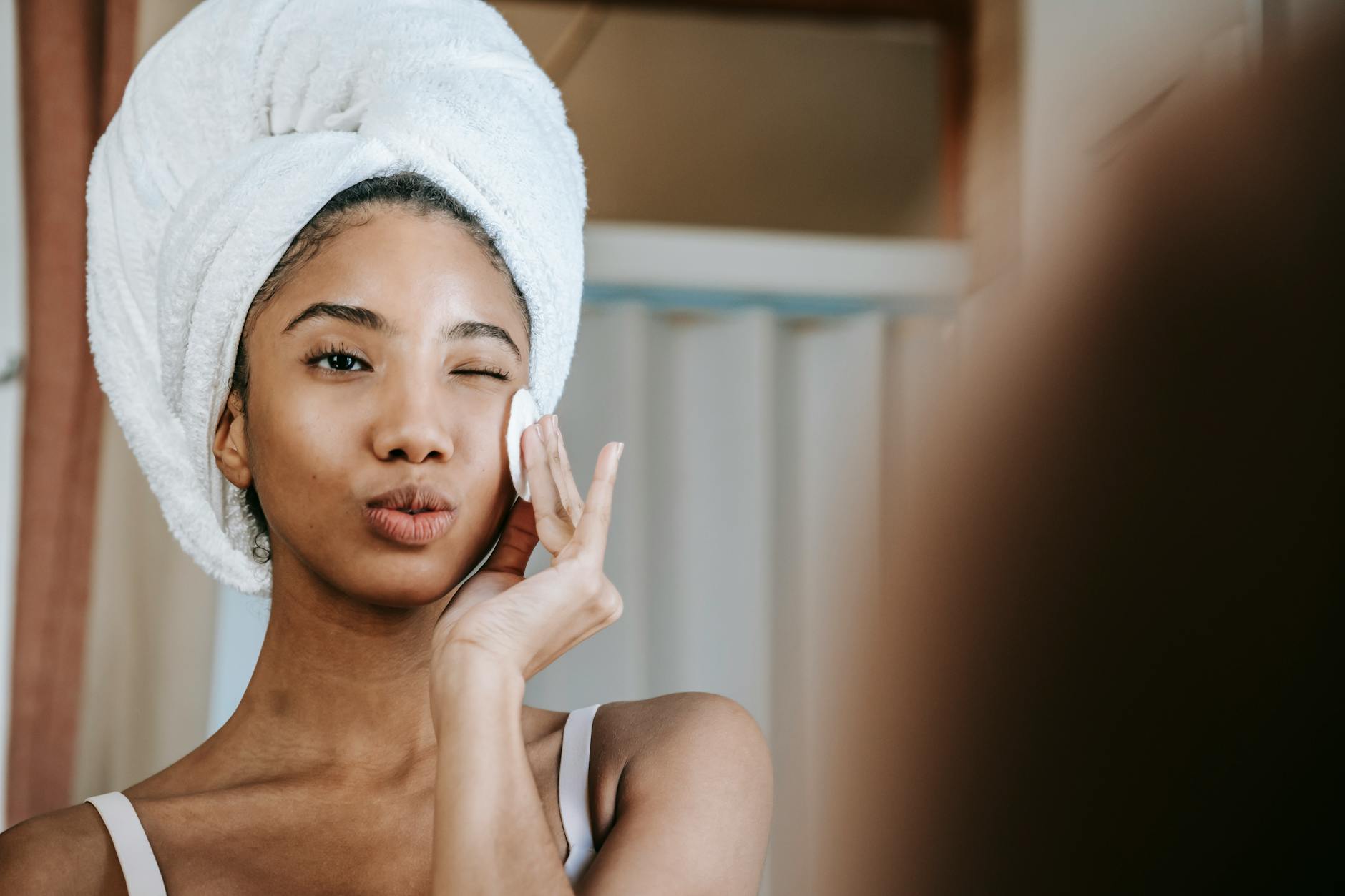
Start with the double cleansing method, which removes makeup, sunscreen, and daily pollutants that regular cleansing misses. Use an oil-based cleanser first to dissolve makeup and SPF, then follow with a gentle water-based cleanser to remove remaining impurities. This two-step process ensures your treatment products can penetrate properly.
Massage oil cleanser for 60 seconds, then rinse with lukewarm water.
Apply gentle foam or cream cleanser, massage for 30 seconds, then rinse thoroughly.
Apply thinnest to thickest consistency—serums first, then moisturizer, finishing with face oil if using.
Allow 3-5 minutes between each product application for optimal absorption.
Treatment application order follows the "thinnest to thickest" rule. Apply vitamin C or retinol serums first, wait 3-5 minutes, then follow with moisturizer. For example, if using both a hyaluronic acid serum and retinol, apply the more watery hyaluronic acid first, wait, then apply retinol.
Proper waiting times prevent products from mixing and ensure each ingredient works effectively without interference.
Key Anti-Aging Ingredients for Nighttime
Your skin performs its most intensive repair work while you sleep, making nighttime the perfect opportunity to introduce powerful anti-aging ingredients. These actives work more effectively in the dark when your skin isn't fighting UV damage or environmental stressors.
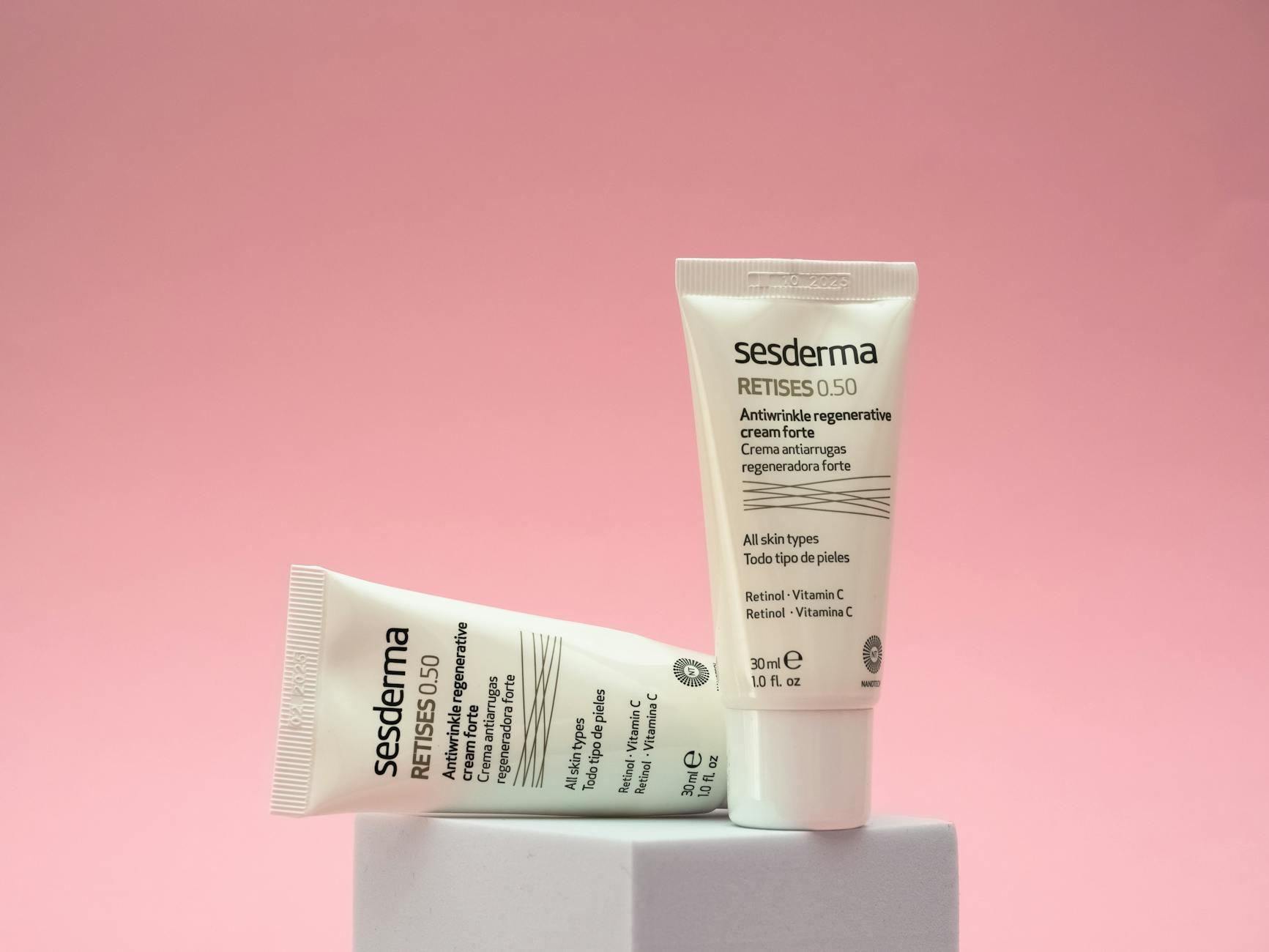
Retinoids stand as the gold standard for evening anti-aging care. These vitamin A derivatives accelerate cell turnover, revealing fresher skin underneath while smoothing fine lines. Start with a low concentration retinol twice weekly to avoid irritation, then gradually increase frequency as your skin adapts.
Peptides serve as building blocks for collagen production, sending signals to your skin to create new structural proteins. Look for copper peptides or palmitoyl pentapeptide-4 in your evening serums. These ingredients work steadily overnight without causing sensitivity.
Hyaluronic acid provides essential overnight hydration by attracting moisture from the environment. This ingredient helps plump skin and reduces the appearance of fine lines caused by dehydration. Apply it to slightly damp skin for maximum absorption, then seal with your moisturizer to prevent moisture loss during sleep.
How to Layer Products Correctly
Proper product layering determines whether your expensive anti-aging ingredients actually reach your skin or sit uselessly on the surface. The fundamental rule is applying products from thinnest to thickest consistency, allowing each layer to absorb before adding the next.
Apply vitamin C or niacinamide serums first, as their lightweight texture penetrates skin most effectively.
Allow 10-15 minutes between applying retinol and acids to prevent irritation that could cause the scarring you're trying to avoid.
Apply moisturizer after all serums have absorbed to lock in ingredients and prevent water loss overnight.
Use facial oils as your final step, since their molecular structure creates a protective barrier over all other products.
For example, your sequence should be: cleanser, hydrating toner, retinol serum (wait 15 minutes), moisturizer, then face oil. This methodical approach ensures maximum ingredient absorption while protecting your skin barrier.
Common Evening Routine Mistakes to Avoid

Many people sabotage their skincare progress through simple mistakes that can worsen acne instead of clearing it. The most damaging error involves combining multiple active ingredients in one session. Using retinol with glycolic acid or layering vitamin C with benzoyl peroxide creates chemical reactions that inflame skin rather than heal it.
Skipping moisturizer after applying treatments represents another critical mistake. Your skin needs hydration to repair itself overnight, especially after using drying acne treatments. Without proper moisture, treatments can cause peeling and irritation that delays healing.
Inconsistent timing also undermines results. Applying products at random intervals prevents your skin from adjusting to active ingredients, leading to continued breakouts and potential scarring from irritation.
Building Your Routine Gradually
Introducing anti-aging products slowly prevents the irritation and damage that lead to permanent scarring. Your skin needs time to adjust to new active ingredients, especially potent ones like retinoids and acids.
Choose either retinol or an acid, never both at once.
Apply a small amount behind your ear for 24-48 hours to check for reactions.
Start with once weekly, then every other day, finally nightly as tolerated.
For example, begin with a gentle 0.25% retinol once per week for two weeks. If your skin tolerates it well without redness or peeling, move to twice weekly. This patient approach protects your skin barrier while building tolerance.
Start with one anti-aging ingredient weekly and gradually increase frequency to prevent irritation and achieve lasting results.
Frequently Asked Questions
Why is an evening skincare routine more effective than morning skincare for anti-aging?
Your skin works hardest while you sleep, activating natural repair mechanisms and producing fresh collagen between 11 PM and 4 AM when cell regeneration peaks. Evening routines allow you to use potent ingredients like retinoids and alpha hydroxy acids without UV exposure concerns, and these actives work uninterrupted for 8-10 hours. The extended contact time allows ingredients to penetrate deeper into skin layers for more aggressive anti-aging treatment.
What is the correct order for applying skincare products at night?
Start with double cleansing using an oil-based cleanser first, then a water-based cleanser to remove all impurities. Follow the "thinnest to thickest" rule for treatments, applying serums first, then moisturizer, finishing with face oil if using. Wait 3-5 minutes between each product application for optimal absorption and to prevent products from mixing.
What does double cleansing mean and why is it important?
Double cleansing is a two-step process that starts with an oil-based cleanser to dissolve makeup and SPF, followed by a gentle water-based cleanser to remove remaining impurities. This method removes makeup, sunscreen, and daily pollutants that regular cleansing misses. The thorough cleansing ensures your treatment products can penetrate properly into clean skin.
How long should I wait between applying different skincare products?
You should wait 3-5 minutes between each product application for optimal absorption. This waiting time prevents products from mixing and ensures each ingredient works effectively without interference. Proper timing is crucial because applying steps incorrectly can reduce effectiveness by up to 50%.
Disclaimer: This content is for informational purposes only and does not constitute medical advice. Always consult a qualified healthcare provider before making health decisions.