What Is Retinol and Why It Works for Anti-Aging

Retinol is a form of vitamin A alcohol that has become the gold standard in anti-aging skincare. Unlike harsh treatments that can cause permanent scarring, retinol works gently by speeding up your skin's natural cell turnover process. This means old, damaged skin cells shed faster while new, healthy cells rise to the surface.
“Retinol transforms aging skin by accelerating cellular renewal, revealing fresher, younger-looking skin beneath.”
The magic happens at the cellular level. When you apply retinol, it converts to retinoic acid in your skin, which signals cells to behave like younger versions of themselves. This process stimulates collagen production, the protein responsible for skin firmness and elasticity.
For anti-aging benefits, retinol delivers impressive results. It smooths fine lines around your eyes and mouth, fades dark spots from sun damage, and improves skin texture. Many users notice their pores appear smaller and their complexion looks more even within weeks of consistent use.
The key advantage of retinol over other anti-aging treatments is its proven track record. Decades of research support its effectiveness, and dermatologists consistently recommend it as a first-line treatment for aging concerns. Unlike trendy ingredients that come and go, retinol remains the most scientifically validated option for turning back the clock on your skin.
Before You Start: Essential Preparation Steps
Starting retinol without proper preparation is the fastest way to develop irritated, red skin that takes weeks to heal. Smart preparation prevents the burning, peeling, and inflammation that scares many people away from this powerful anti-aging ingredient.
“Patch testing isn't optional—it's the difference between glowing skin and a painful setback.”
Begin with a patch test on your inner forearm. Apply a small amount of retinol and wait 24-48 hours. Look for redness, swelling, or excessive dryness. This simple step reveals how your skin will react before you apply retinol to your entire face.
Next, assess your current skincare routine. Stop using other active ingredients like alpha hydroxy acids, beta hydroxy acids, and benzoyl peroxide one week before starting retinol. These combinations create chemical burns that can leave temporary dark spots—exactly what you're trying to prevent.
Remove all actives except gentle cleanser and moisturizer for one week.
Plan for 12-16 weeks to see significant anti-aging results.
Use retinol once per week for the first month, then gradually increase frequency.
Most people expect instant results, but retinol works by rebuilding your skin from the cellular level. Realistic expectations prevent disappointment and help you stick with the routine long enough to see real improvements.
Your First Month: The Gradual Introduction Method

Starting retinol correctly protects your skin from irritation and potential scarring. The key lies in patience and systematic progression rather than rushing into daily use.
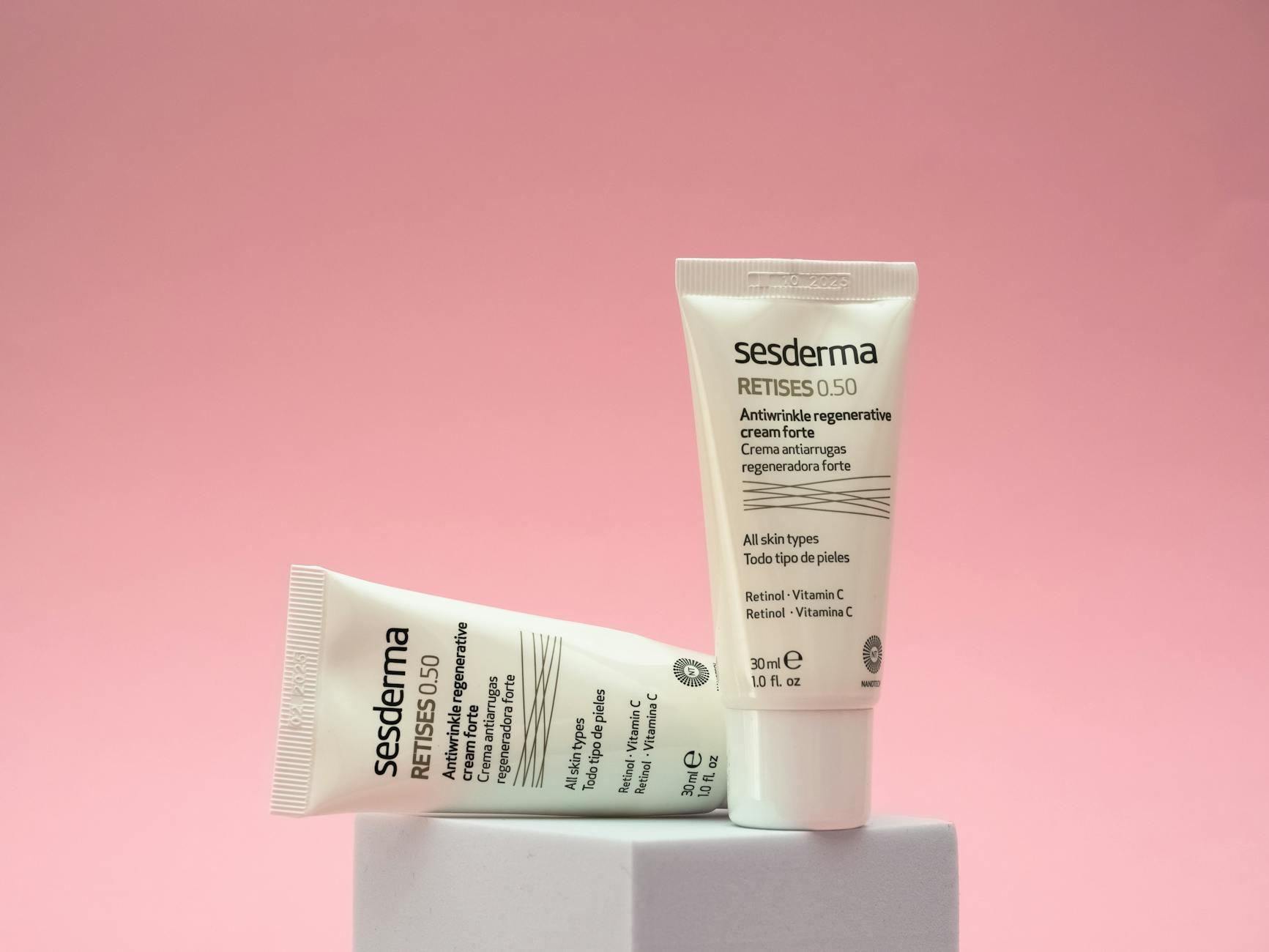
Begin with the lowest available concentration, typically 0.25% or 0.5%. Your skin needs time to build tolerance to retinol's cellular renewal process. Higher concentrations too early can trigger severe peeling and redness that takes weeks to heal.
Apply retinol once every three nights on clean, completely dry skin.
Move to every other night if no irritation occurs.
Apply every night if skin tolerates the increased frequency well.
Use the buffering technique to minimize irritation. Apply your regular moisturizer first, wait 20 minutes, then apply a pea-sized amount of retinol. This method slows absorption and reduces the likelihood of redness or flaking.
For example, if you normally use CeraVe moisturizer at night, apply it as usual, set a timer for 20 minutes, then gently pat retinol over your entire face avoiding the eye area. The moisturizer creates a protective barrier while still allowing retinol to penetrate effectively.
Monitor your skin daily for signs of over-exfoliation: persistent redness, burning sensations, or excessive peeling. If these occur, reduce frequency immediately and return to the previous week's schedule. Your skin will guide the pace of progression better than any rigid timeline.
Managing Side Effects and Retinol Irritation
Starting retinol often brings temporary side effects that worry new users. Understanding what's normal versus concerning helps you navigate this adjustment period without unnecessary panic about permanent damage to your skin.
Normal retinol side effects include mild redness, dryness, flaking, and slight stinging that appears within the first few days of use. These symptoms typically peak around week two and gradually subside as your skin builds tolerance. You might notice your skin looks slightly irritated in the morning or feels tight after application.
However, severe burning, deep cracks, persistent swelling, or worsening irritation after week three signals you need to pause your routine immediately. These concerning signs suggest your skin needs more time between applications or a lower concentration.
To reduce irritation, apply a gentle moisturizer before your retinol to create a buffer layer. Skip retinol for one or two nights if irritation becomes uncomfortable, then resume with less frequent application. For example, if you were using it every other night, switch to twice weekly until your skin calms down.
When irritation persists beyond the normal adjustment period, take a complete break for three to five days. Your skin won't lose progress from brief pauses, and rushing the process often creates setbacks that delay your anti-aging goals.
Building Your Complete Retinol Routine
Creating a safe retinol routine requires strategic timing and careful ingredient pairing. The wrong combinations can trigger irritation that takes weeks to heal, but following proven protocols protects your skin while maximizing results.
Apply retinol to completely dry skin 30 minutes after cleansing, then wait 20 minutes before moisturizer.
Use a broad-spectrum SPF 30 sunscreen every morning since retinol increases sun sensitivity.
Follow retinol with a ceramide or hyaluronic acid moisturizer to prevent excessive dryness.
Your retinol works beautifully with gentle cleansers, niacinamide serums, and ceramide moisturizers. Hyaluronic acid applied before retinol helps maintain moisture levels without interfering with absorption. Peptide creams complement retinol's anti-aging effects when used on alternate nights.
Never combine retinol with vitamin C, AHA acids like glycolic acid, BHA like salicylic acid, or benzoyl peroxide. These combinations create chemical reactions that cause severe irritation and potential scarring. Avoid using retinol with other exfoliating treatments or prescription acne medications unless your dermatologist specifically approves the combination.
For example, use a gentle cleanser, wait for dry skin, apply retinol, wait 20 minutes, then apply a ceramide moisturizer. Save your vitamin C serum for morning use under sunscreen. This systematic approach prevents the harsh reactions that can set back your progress by months.
Long-Term Success: When and How to Increase Strength

After 12-16 weeks of consistent retinol use, your skin may be ready for a stronger formulation. Your current product feels gentle, you experience minimal irritation, and you've noticed improvements in texture and tone. These signs indicate your skin has adapted successfully.
Don't rush this transition. Moving too quickly between strengths can trigger irritation that sets you back weeks. When you're ready to advance, introduce the stronger retinol gradually using the same approach you used initially.
Use your new strength once per week while continuing your current product on other nights.
Add one additional night every two weeks until you reach your desired frequency.
Watch for redness, peeling, or sensitivity that signals you need to slow down.
Remember that stronger doesn't always mean better. Many people achieve excellent results with moderate-strength retinol used consistently. Your maintenance routine should focus on steady, long-term use rather than constantly chasing higher concentrations. This approach prevents the irritation and scarring you want to avoid while delivering the clear, healthy skin you're working toward.
Common Mistakes to Avoid
Starting your retinol journey can feel overwhelming, but avoiding these common pitfalls will save your skin from unnecessary irritation and prevent the setbacks that worry you most.
The biggest mistake beginners make is starting too strong. Many people grab a high-concentration retinol thinking faster results are better, but this approach often leads to severe peeling, redness, and irritation that can last weeks. Start with 0.25% or 0.5% strength instead of jumping to 1% or higher formulations.
Inconsistent application sabotages your progress. Using retinol sporadically confuses your skin and prevents it from building tolerance. Stick to your schedule whether it's every third night or twice weekly. Your skin needs predictable exposure to adapt properly.
Mixing retinol with incompatible ingredients causes chemical reactions that can burn your skin. Never combine retinol with vitamin C, benzoyl peroxide, or alpha hydroxy acids in the same routine. For example, using a vitamin C serum in the morning and retinol at night works perfectly, but layering them together creates irritation.
Start low, go slow, and keep your retinol routine simple to avoid irritation and achieve the clear, youthful skin you want.
Frequently Asked Questions
What is retinol and how does it work for anti-aging?
Retinol is a form of vitamin A alcohol that has become the gold standard in anti-aging skincare. It works gently by speeding up your skin's natural cell turnover process, causing old, damaged skin cells to shed faster while new, healthy cells rise to the surface. When applied, retinol converts to retinoic acid in your skin, which signals cells to behave like younger versions of themselves and stimulates collagen production.
How should I prepare my skin before starting retinol?
Begin with a patch test on your inner forearm and wait 24-48 hours to check for reactions like redness, swelling, or excessive dryness. Stop using other active ingredients like alpha hydroxy acids, beta hydroxy acids, and benzoyl peroxide one week before starting retinol to prevent chemical burns. Clear your routine to include only gentle cleanser and moisturizer during this preparation period.
What concentration of retinol should beginners start with?
Begin with the lowest available concentration, typically 0.25% or 0.5%. Your skin needs time to build tolerance to retinol's cellular renewal process, and higher concentrations too early can trigger severe peeling and redness that takes weeks to heal.
How often should I use retinol when first starting?
Use retinol once per week for the first month, then gradually increase frequency. This slow introduction method protects your skin from irritation and potential scarring while allowing your skin to build tolerance systematically.
How long does it take to see anti-aging results from retinol?
Plan for 12-16 weeks to see significant anti-aging results from retinol. Retinol works by rebuilding your skin from the cellular level, so realistic expectations are important to prevent disappointment and help you stick with the routine long enough to see real improvements.
Disclaimer: This content is for informational purposes only and does not constitute medical advice. Always consult a qualified healthcare provider before making health decisions.