Why Morning Anti-Aging Routines Differ from Regular Skincare

Your morning anti-aging routine serves a fundamentally different purpose than your evening regimen or basic skincare maintenance. While evening routines focus on repair and recovery after daily damage, morning anti-aging care prioritizes protection and prevention.
“Morning anti-aging skincare acts as your daily shield against environmental damage that accelerates skin aging.”
Antioxidants become your primary weapon in the morning. Vitamin C serums, niacinamide, and antioxidant-rich moisturizers neutralize free radicals from UV exposure and pollution before they can damage your collagen and elastin. This preventive approach helps avoid the permanent damage that leads to fine lines, dark spots, and texture changes.
Product layering order becomes critical for anti-aging effectiveness. Unlike basic cleanse-and-moisturize routines, anti-aging requires strategic application: thinnest to thickest consistency, allowing each active ingredient proper absorption. Starting with serums, then treatments, moisturizer, and always finishing with broad-spectrum SPF 30 or higher ensures maximum protection throughout your day.
Step 1: Gentle Cleansing for Mature Skin
Over-cleansing strips away natural oils that aging skin desperately needs to maintain its protective barrier. When you remove these essential lipids, your skin becomes vulnerable to damage and actually ages faster. This explains why harsh scrubs and strong cleansers often leave mature skin looking dull and feeling tight.
“Gentle cleansing preserves the natural oils that keep aging skin plump and protected.”
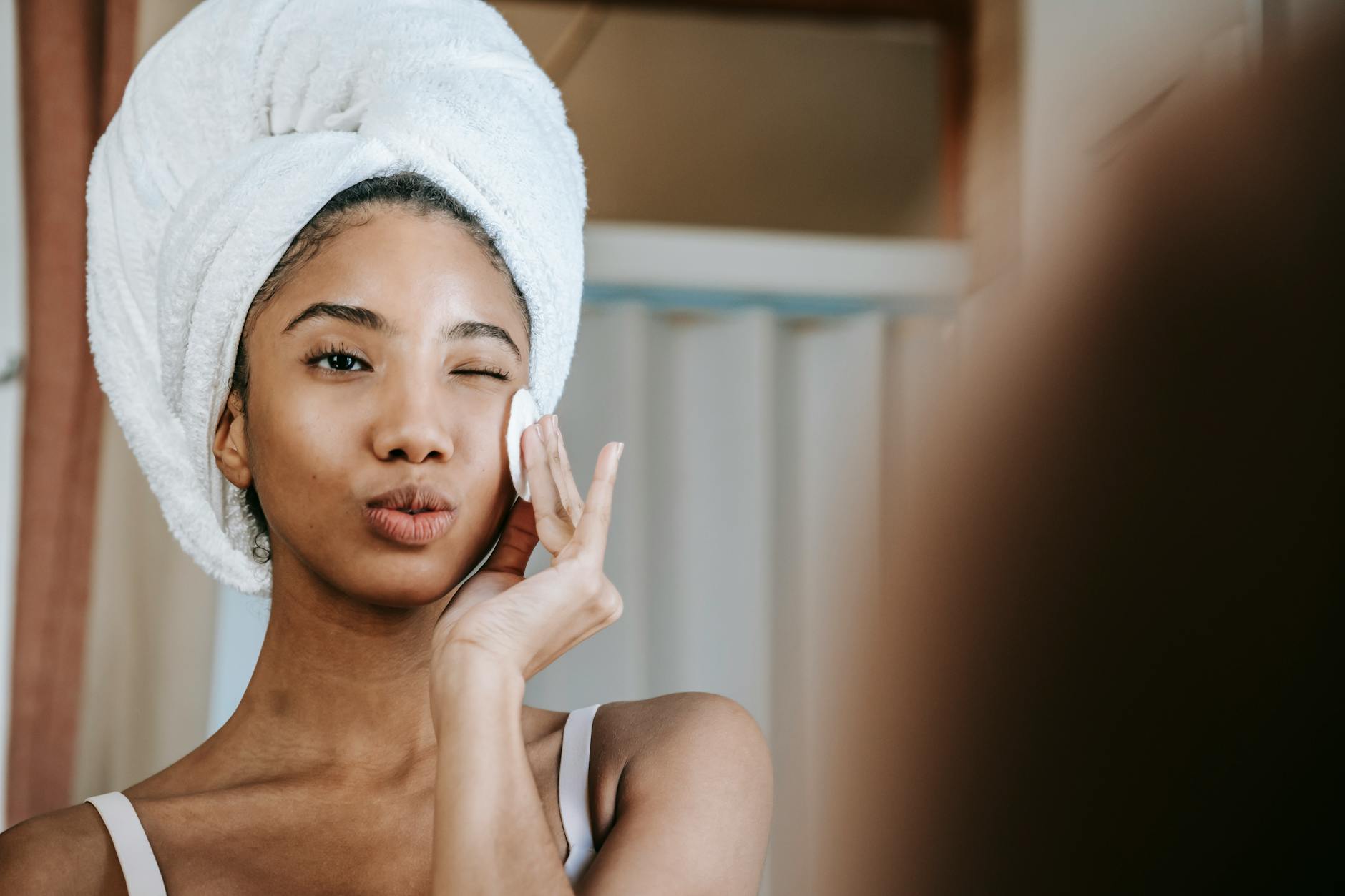
Cream and oil-based cleansers work best for anti-aging routines because they dissolve makeup and impurities without disrupting your skin's natural moisture. Look for ingredients like ceramides or hyaluronic acid that actually add hydration during cleansing.
Hot water strips protective oils and causes inflammation that can worsen fine lines.
Light circular motions remove debris without pulling delicate skin.
Step 2: Vitamin C Serum Application

Vitamin C serum serves as your morning skincare routine's powerhouse ingredient. This antioxidant protects your skin from environmental damage while stimulating collagen production, helping prevent future signs of aging that many worry about.
Morning application maximizes vitamin C's protective benefits. Unlike retinoids that make skin photosensitive, vitamin C actually enhances your skin's defense against UV damage and pollution throughout the day.
Use 3-5 drops on freshly cleansed face before moisturizer.
Press serum into skin with fingertips, avoiding harsh rubbing motions.
Allow 5-10 minutes for absorption before applying sunscreen.
Choose serums containing L-ascorbic acid (10-20% concentration) or magnesium ascorbyl phosphate for sensitive skin. Look for dark glass bottles that protect the formula from light degradation. Brands like SkinCeuticals CE Ferulic or Mad Hippie Vitamin C Serum offer proven formulations that deliver consistent results without irritation.
Step 3: Targeted Anti-Aging Treatments
After your vitamin C serum, add targeted anti-aging treatments that complement your morning routine. These ingredients work synergistically to address specific aging concerns without overwhelming your skin.
Peptides and growth factors make excellent morning additions. Copper peptides like GHK-Cu stimulate collagen production, while signal peptides help repair damaged skin barriers. These ingredients are gentle enough for daily use and won't increase sun sensitivity like some anti-aging actives.
Niacinamide deserves special mention for morning routines. This vitamin B3 derivative reduces inflammation, minimizes pores, and regulates oil production—all without photosensitivity concerns that plague other anti-aging ingredients.
Avoid retinol, AHAs, and BHAs in morning routines. These ingredients increase sun sensitivity and can cause irritation when combined with UV exposure, potentially leading to the very damage you're trying to prevent.
Step 4: Moisturizing for Anti-Aging
Proper moisturizing creates a protective barrier that prevents water loss and maintains your skin's natural plumpness. When skin becomes dehydrated, fine lines become more pronounced and your complexion appears dull. A quality anti-aging moisturizer fills these concerns while preparing your skin for sunscreen application.
Look for moisturizers containing hyaluronic acid, which holds up to 1,000 times its weight in water, and ceramides that restore your skin's protective barrier. Peptides stimulate collagen production, while niacinamide reduces inflammation and improves skin texture. Avoid heavy oils in the morning that may interfere with sunscreen adherence.
Pat moisturizer onto slightly wet skin to lock in extra hydration.
Massage gently from neck to forehead using upward strokes to support skin firmness.
Allow two minutes for complete absorption before applying sunscreen to prevent pilling and ensure maximum protection.
Step 5: Sunscreen - Your Most Important Anti-Aging Step
Sunscreen is your skin's best defense against premature aging. UV rays cause up to 80% of visible aging signs including wrinkles, dark spots, and sagging skin. Daily sunscreen use can prevent these changes and help you maintain clear, healthy skin without the social embarrassment that comes with premature aging.
Choose SPF 30 or higher with broad-spectrum protection. Mineral sunscreens containing zinc oxide or titanium dioxide work well for sensitive skin. Chemical sunscreens like avobenzone offer lightweight coverage. Apply one teaspoon for your face and neck, then reapply every two hours.
For example, CeraVe AM Facial Moisturizing Lotion combines SPF 30 with ceramides for dual protection and hydration. Apply sunscreen as your final morning step, even on cloudy days when UV rays still penetrate through windows and clouds.
Common Mistakes That Sabotage Your Anti-Aging Routine

Even the best anti-aging products fail when applied incorrectly. Three critical mistakes destroy your routine's effectiveness and can actually worsen skin concerns you're trying to address.
Wrong product order nullifies benefits completely. Apply thinnest to thickest consistency: cleanser, toner, serum, moisturizer, then sunscreen. Putting heavy creams before lightweight serums blocks absorption entirely.
Using nighttime ingredients during morning routines causes serious problems. Retinol, for example, increases sun sensitivity and can lead to burning or permanent dark spots when exposed to UV rays. Save these powerful ingredients for evening use only.
Rushing between applications prevents proper absorption. Wait thirty seconds between each product layer. This simple pause allows ingredients to penetrate your skin barrier rather than sitting uselessly on the surface, ensuring you get maximum anti-aging benefits from every product.
Building Your Routine Gradually
Starting an anti-aging routine requires patience to avoid irritation and the scarring you're worried about. Begin with one active ingredient and introduce it slowly to give your skin time to adjust.
Use cleanser, moisturizer, and sunscreen for two weeks before adding actives.
Introduce retinol or vitamin C every third day for the first week.
Look for reduced fine lines and improved texture after 4-6 weeks of consistent use.
Wait at least four weeks before introducing additional products. Signs of success include smoother skin texture, fewer breakouts, and gradual improvement in fine lines without persistent redness or irritation.
Introduce one anti-aging product at a time and wait four weeks to assess results before adding more ingredients.
Frequently Asked Questions
What's the difference between morning and evening anti-aging skincare routines?
Morning anti-aging routines focus on protection and prevention, while evening routines concentrate on repair and recovery after daily damage. Morning skincare acts as your daily shield against environmental damage that accelerates skin aging. Antioxidants like vitamin C serums become your primary weapon in the morning to neutralize free radicals from UV exposure and pollution.
Why should I avoid harsh cleansers for mature skin?
Over-cleansing strips away natural oils that aging skin desperately needs to maintain its protective barrier. When you remove these essential lipids, your skin becomes vulnerable to damage and actually ages faster. This explains why harsh scrubs and strong cleansers often leave mature skin looking dull and feeling tight.
When should I apply vitamin C serum in my morning routine?
Vitamin C serum should be applied to clean skin before moisturizer, using 3-5 drops on freshly cleansed face. Morning application maximizes vitamin C's protective benefits since it enhances your skin's defense against UV damage and pollution throughout the day. Allow 5-10 minutes for absorption before applying sunscreen.
What's the correct order for applying anti-aging products in the morning?
Product layering order is critical for anti-aging effectiveness, requiring strategic application from thinnest to thickest consistency. Start with serums, then treatments, moisturizer, and always finish with broad-spectrum SPF 30 or higher. This order allows each active ingredient proper absorption and ensures maximum protection throughout your day.
What type of cleanser is best for anti-aging morning routines?
Cream and oil-based cleansers work best for anti-aging routines because they dissolve makeup and impurities without disrupting your skin's natural moisture. Look for ingredients like ceramides or hyaluronic acid that actually add hydration during cleansing. Use lukewarm water and massage gently for 30 seconds with light circular motions to remove debris without pulling delicate skin.
Disclaimer: This content is for informational purposes only and does not constitute medical advice. Always consult a qualified healthcare provider before making health decisions.