How We Selected These Seasonal Skincare Products

Selecting the right seasonal skincare products requires careful consideration of how your skin changes throughout the year. We consulted board-certified dermatologists to understand which ingredients work best for different seasonal challenges, from winter dryness to summer breakouts.
“The key to preventing permanent scarring is using products that address seasonal skin changes before problems become severe.”
Our selection process focused on products that adapt to your skin's changing needs. We evaluated ingredients proven effective for different skin types, whether you have oily skin that worsens in humidity or dry skin that cracks in cold weather. Each recommended product passed dermatologist review for safety and effectiveness.
We prioritized products that prevent common seasonal skin issues rather than just treating them after damage occurs. This approach helps you maintain clear skin year-round and reduces the risk of scarring that causes long-term confidence issues. Every product recommendation considers real-world seasonal challenges that affect your daily skincare routine.
Best Winter Skincare Products
Winter weather strips your skin's protective barrier, leaving it vulnerable to irritation and damage that can worsen existing breakouts. Cold air holds less moisture than warm air, while indoor heating systems further dehydrate your skin. This creates the perfect storm for dryness, flaking, and compromised skin that's more prone to scarring.
“Heavy moisturizers become your skin's armor against winter's harsh assault.”
Start with a gentle, cream-based cleanser like CeraVe Hydrating Foaming Oil Cleanser instead of harsh, stripping formulas. Your skin needs extra protection, not additional stress. Follow with a hydrating serum containing hyaluronic acid or glycerin to pull moisture into your skin cells.
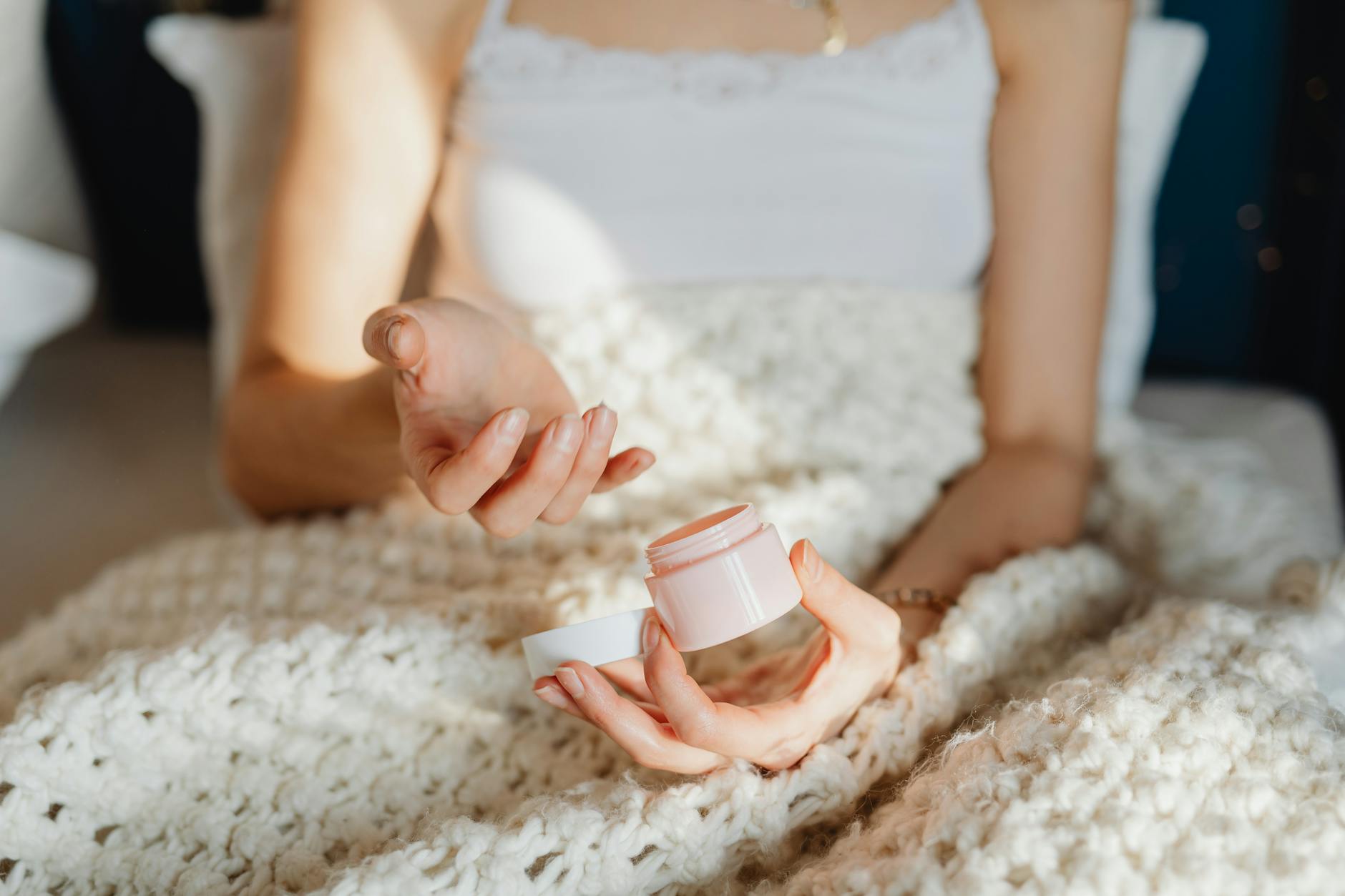
Heavy moisturizers are non-negotiable during winter months. Look for products with ceramides, shea butter, or petrolatum that create a protective seal. Vanicream Moisturizing Cream and Aquaphor Healing Ointment work exceptionally well for severely dry areas.
Barrier repair products containing niacinamide help strengthen your skin's natural defenses while reducing inflammation. The Ordinary Niacinamide 10% + Zinc 1% offers an affordable option that won't clog pores. Apply these products immediately after cleansing while your skin is still damp to lock in maximum moisture and prevent the dryness that can lead to picking and potential scarring.
Best Spring Skincare Products

Spring calls for a complete skincare transition as your winter routine becomes too heavy for warming weather. Your skin needs lighter formulations that won't clog pores while still providing adequate moisture and protection.
Switch to gel-based moisturizers like Neutrogena Hydro Boost or CeraVe Daily Moisturizing Lotion. These lighter formulas hydrate without the thick consistency of winter creams that can trap heat and cause breakouts—avoiding the scarring and embarrassment you're working to prevent.
Introduce gentle exfoliation with products containing salicylic acid or glycolic acid, like Paula's Choice 2% BHA Liquid Exfoliant. Start twice weekly to remove winter's dead skin buildup without irritation.
Begin daily sunscreen application now—EltaMD UV Clear provides broad-spectrum protection without greasiness. Choose fragrance-free, hypoallergenic products like Vanicream Gentle Facial Cleanser to combat spring allergies that can inflame sensitive skin.
This transition period sets the foundation for clearer summer skin ahead.
Best Summer Skincare Products
Summer's heat, humidity, and intense UV rays demand a complete shift in your skincare approach. The wrong products can clog pores, cause breakouts, and leave you vulnerable to sun damage that leads to permanent scarring and dark spots.
Broad spectrum SPF 30 or higher becomes your non-negotiable daily essential. Look for zinc oxide or titanium dioxide-based sunscreens that protect against both UVA and UVB rays. CeraVe Hydrating Mineral Sunscreen and EltaMD UV Clear provide excellent protection without leaving white residue.
Lightweight, oil-free moisturizers prevent dehydration without adding shine. Neutrogena Oil-Free Moisture Gel and Clinique Dramatically Different Moisturizing Gel absorb quickly and won't clog pores.
Oil-control products become crucial for preventing breakouts. Salicylic acid cleansers like CeraVe Foaming Facial Cleanser remove excess sebum and dead skin cells. Niacinamide serums, such as The Ordinary Niacinamide 10% + Zinc 1%, reduce oil production and minimize pores.
After-sun care soothes irritated skin and prevents peeling. Aloe vera gels and hydrating masks repair damage while your skin recovers from heat exposure.
Best Fall Skincare Products
As temperatures drop and humidity decreases, your skin needs different protection than summer's lightweight formulas. Fall marks the perfect time to transition to richer moisturizers that create a stronger barrier against cooler, drier air.
Switch to cream-based moisturizers containing ceramides or hyaluronic acid. These ingredients help your skin retain moisture more effectively than summer's gel formulas. Look for products like CeraVe Daily Moisturizing Cream or Neutrogena Hydra Boost, which provide deeper hydration without clogging pores.
Gentle exfoliation becomes crucial for removing summer sun damage and preventing the buildup that can lead to scarring. Use products with lactic acid or gentle physical scrubs twice weekly. This prepares your skin for winter's harsher conditions while promoting healthy cell turnover.
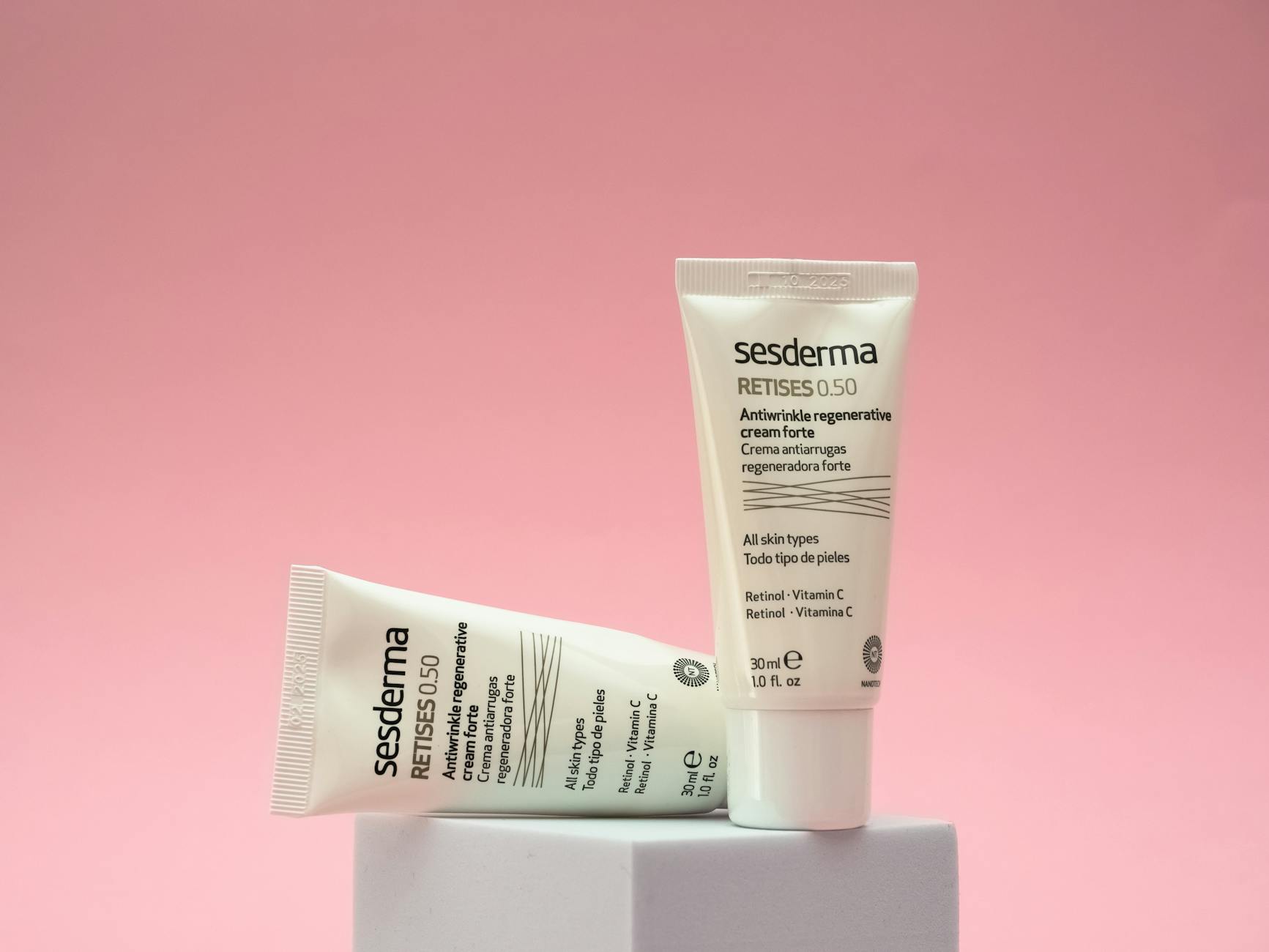
Repair treatments containing retinol or vitamin C help address any lingering summer damage. Start with lower concentrations to avoid irritation as your skin adjusts to cooler weather.
Seasonal Skincare Product Comparison Summary

Understanding which products work best for your skin type across seasons helps prevent the scarring and irritation that comes from using the wrong formulations. Spring cleansers typically range from $15-40 and focus on gentle renewal with salicylic acid. Summer products cost $20-50, emphasizing lightweight SPF formulas and oil control for all skin types.
Fall transitions require ceramide-rich moisturizers priced $25-60, perfect for preparing dry and combination skin for winter. Winter products are the most expensive at $30-70, featuring heavy occlusives like petrolatum that work best on normal to dry skin types. Sensitive skin benefits most from fragrance-free options available year-round in the $20-45 range.
When to Consult a Dermatologist
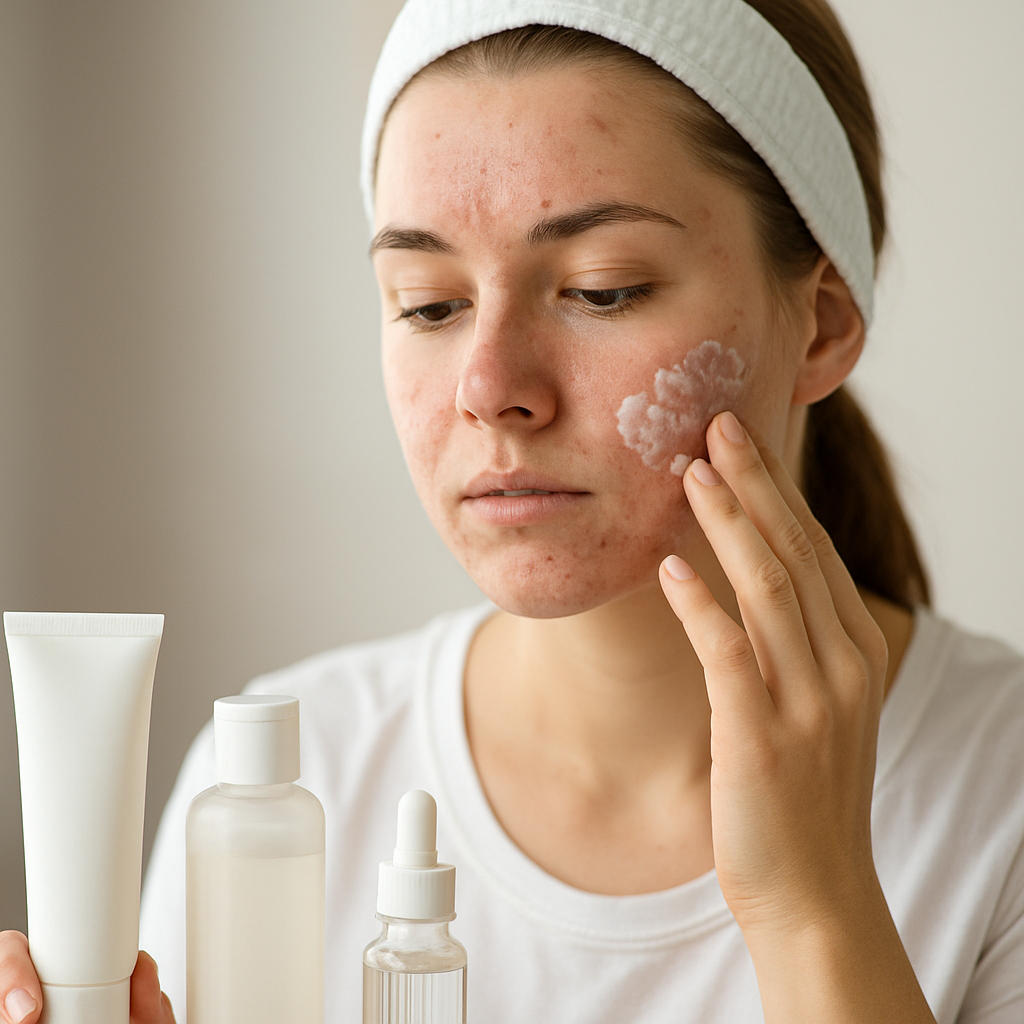
Seasonal breakouts that persist beyond four weeks warrant professional evaluation. Schedule an appointment if you experience severe allergic reactions, burning sensations from new products, or worsening acne despite consistent care. Dermatologists prevent scarring through early intervention and create personalized treatment plans when over-the-counter products fail to deliver results.
Professional intervention prevents permanent scarring and provides customized solutions when seasonal skincare challenges exceed over-the-counter remedies.
Frequently Asked Questions
What skincare products should I use in winter?
During winter, switch to a gentle cream-based cleanser like CeraVe Hydrating Foaming Oil Cleanser instead of harsh formulas. Follow with a hydrating serum containing hyaluronic acid or glycerin, then apply heavy moisturizers with ceramides, shea butter, or petrolatum like Vanicream Moisturizing Cream. Barrier repair products with niacinamide, such as The Ordinary Niacinamide 10% + Zinc 1%, help strengthen your skin's defenses while reducing inflammation.
How should I change my skincare routine for spring?
Spring requires transitioning to lighter formulations as winter routines become too heavy for warming weather. Switch to gel-based moisturizers like Neutrogena Hydro Boost or CeraVe Daily Moisturizing Lotion that hydrate without thick consistency. Introduce gentle exfoliation twice weekly with products containing salicylic acid or glycolic acid, like Paula's Choice 2% BHA Liquid Exfoliant, to remove winter's dead skin buildup.
Why does my skin get worse in winter?
Winter weather strips your skin's protective barrier, leaving it vulnerable to irritation and damage. Cold air holds less moisture than warm air, while indoor heating systems further dehydrate your skin. This creates perfect conditions for dryness, flaking, and compromised skin that's more prone to scarring and breakouts.
What ingredients should I look for in seasonal skincare products?
For winter, look for ceramides, shea butter, petrolatum, hyaluronic acid, glycerin, and niacinamide to provide protection and moisture. In spring, focus on lighter formulations with salicylic acid or glycolic acid for gentle exfoliation. Board-certified dermatologists recommend choosing ingredients proven effective for your specific skin type and seasonal challenges.
Disclaimer: This content is for informational purposes only and does not constitute medical advice. Always consult a qualified healthcare provider before making health decisions.