Why Your Skin Needs Different Care in Fall

Your skin faces unique challenges as temperatures drop and summer humidity disappears. The transition from warm, moist air to cool, dry conditions strips moisture from your skin's protective barrier, leaving it vulnerable to irritation and breakouts that could worsen existing concerns about scarring.
“Fall's lower humidity levels can reduce skin moisture by up to 25%, making your existing skincare routine insufficient for the season ahead.”
Temperature fluctuations stress your skin as you move between chilly outdoor air and heated indoor spaces. This constant adjustment forces your sebaceous glands to work overtime, potentially triggering more oil production and clogged pores. Meanwhile, reduced sun exposure decreases natural vitamin D synthesis, which plays a role in skin cell turnover and healing.
Indoor heating systems compound these problems by further reducing air moisture. For example, central heating can drop indoor humidity below 30%, while healthy skin thrives in 40-60% humidity levels. Without adjusting your skincare routine, you may notice increased dryness, flakiness, or unexpected breakouts that seem to appear from nowhere.
Understanding these seasonal changes helps you proactively modify your routine before problems develop, protecting your skin's health and your confidence.
Essential Morning Fall Skincare Steps

Your morning routine sets the foundation for healthy skin throughout fall's challenging weather conditions. Start with a gentle, cream-based cleanser instead of harsh foaming formulas that can strip your skin's protective barrier when humidity drops.
“Fall mornings require building a protective shield, not stripping your skin bare.”
Apply a vitamin C serum immediately after cleansing to combat environmental damage from pollution and UV rays that remain strong even on cloudy autumn days. Look for serums containing 10-20% L-ascorbic acid or magnesium ascorbyl phosphate for beginners.
Use lukewarm water and a cream cleanser to preserve natural oils.
Apply vitamin C serum to damp skin for better absorption.
Use a heavier moisturizer with ceramides or hyaluronic acid.
Apply broad-spectrum SPF 30 minimum, even on overcast days.
Never skip sunscreen—UV damage accumulates year-round and can worsen acne scarring concerns. Choose a mineral sunscreen with zinc oxide if you have sensitive skin prone to breakouts.
Evening Fall Skincare Routine
Your nighttime routine becomes crucial during fall transition as cooler air and indoor heating strip away moisture while you sleep. Evening skincare focuses on repair and recovery, giving your skin eight hours to absorb healing ingredients without environmental interference.
Start with an oil cleanser to remove makeup and sunscreen, followed by a gentle gel cleanser to eliminate remaining impurities and prep skin for treatment products.
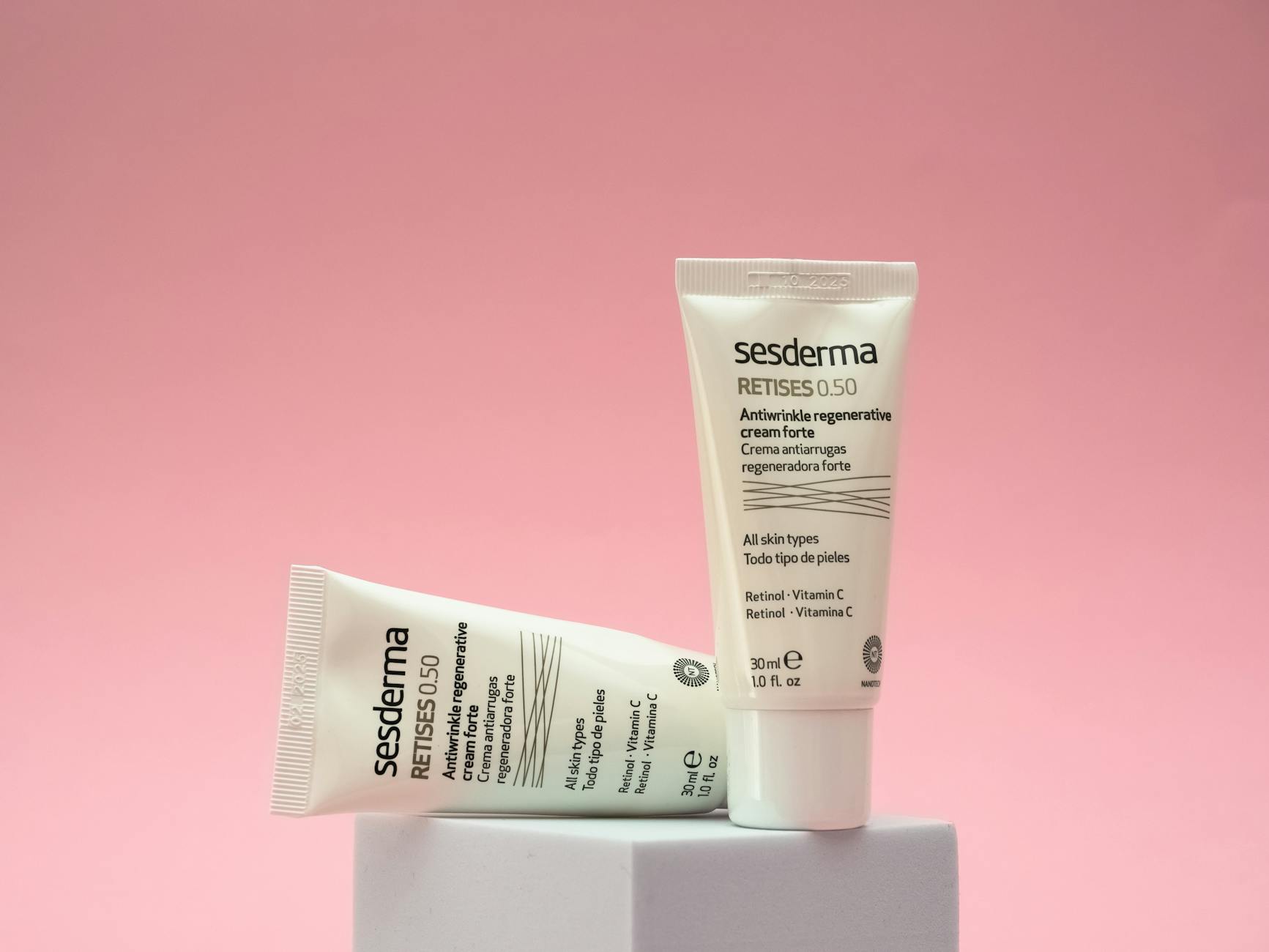
Use retinol every other night initially, gradually building tolerance as fall progresses to prevent irritation on already sensitive transition skin.
Apply a hydrating serum with hyaluronic acid, then seal with a barrier-repairing moisturizer containing ceramides or peptides.
Focus heavily on barrier repair during fall evenings. Your skin rebuilds its protective layer overnight, making this the perfect time for ingredients like niacinamide and centella asiatica. These components help prevent future breakouts while reducing existing irritation that could lead to scarring concerns.
Key Ingredients to Use and Avoid
Choosing the right ingredients during fall can make the difference between healthy skin and irritated, damaged skin that leads to permanent scarring. Your skin becomes more sensitive as temperatures drop, making ingredient selection crucial for achieving clear skin without setbacks.
Embrace hydrating powerhouses like hyaluronic acid and ceramides. Hyaluronic acid holds up to 1,000 times its weight in water, making it perfect for fall's drying conditions. Ceramides repair your skin barrier, preventing moisture loss that can trigger breakouts. Look for serums containing sodium hyaluronate or products with ceramide complexes.
Limit potentially irritating ingredients like high-concentration retinoids and glycolic acid. Your summer tolerance for aggressive exfoliation disappears as humidity drops. Scale back from daily use to every other day, or switch to gentler alternatives like lactic acid.
For example, if you used 1% retinol nightly in summer, reduce to 0.5% every other night in fall. This prevents over-exfoliation that can cause micro-tears and subsequent scarring.
Common Fall Skincare Mistakes to Avoid

Even well-intentioned skincare changes can backfire during fall's tricky transition period. Understanding these common pitfalls helps you avoid the frustration of worsened breakouts or unexpected irritation.
Over-cleansing tops the list of seasonal mistakes. When skin feels tight from cooler weather, many people scrub harder or wash more frequently, thinking it will help. This strips your skin's protective barrier, leading to increased oil production and potential scarring from aggressive rubbing. Stick to gentle cleansing twice daily maximum.
Dropping sunscreen because "it's not sunny" leaves skin vulnerable to UV damage that can worsen acne marks and delay healing. Fall sun still penetrates clouds and reflects off surfaces.
Switching multiple products simultaneously makes it impossible to identify what's helping or hurting your skin. Change one product every two weeks to monitor your skin's response properly.
Finally, don't neglect your neck and hands. These areas show seasonal dryness first and need the same gentle transition care as your face to maintain overall skin health.
When to Consult a Dermatologist
While a solid skincare routine handles most seasonal transitions, certain situations require professional intervention. Persistent dryness that doesn't improve after two weeks of consistent moisturizing warrants medical attention, as it could indicate underlying skin conditions like eczema or dermatitis.
New skin reactions during fall—sudden breakouts, unusual redness, or irritation from previously tolerated products—need expert evaluation. These changes might signal allergic reactions or require prescription treatments to prevent permanent scarring.
Preventive consultations offer significant value for customized routine planning. A dermatologist can assess your specific skin type, recommend professional-grade products, and create targeted protocols for your concerns. This proactive approach often prevents problems before they develop, saving time and frustration.
Schedule an appointment if you're struggling with persistent issues or want professional guidance for optimal skin health.
Consult a dermatologist when home remedies fail after two weeks or when you want professional guidance for customized fall skincare planning.
Frequently Asked Questions
Why does my skin need different care in fall?
Fall's lower humidity levels can reduce skin moisture by up to 25%, while temperature fluctuations between outdoor and heated indoor air stress your skin. Indoor heating systems drop humidity below 30%, when healthy skin thrives in 40-60% humidity levels. These seasonal changes strip moisture from your skin's protective barrier, potentially triggering more oil production and clogged pores.
What should I use to cleanse my face in the fall morning routine?
Use a gentle, cream-based cleanser instead of harsh foaming formulas that can strip your skin's protective barrier when humidity drops. Apply it with lukewarm water to preserve your skin's natural oils. This helps maintain your skin's moisture levels during fall's challenging weather conditions.
Do I still need sunscreen in fall and winter?
Yes, you should never skip sunscreen as UV damage accumulates year-round and can worsen acne scarring concerns. Apply broad-spectrum SPF 30 minimum, even on overcast autumn days, since UV rays remain strong even on cloudy days. Choose a mineral sunscreen with zinc oxide if you have sensitive skin prone to breakouts.
What type of moisturizer should I use in fall?
Use a heavier moisturizer with ceramides or hyaluronic acid to lock in moisture during fall's dry conditions. Your skin needs more intensive hydration as humidity levels drop and indoor heating further reduces air moisture. Apply moisturizer to damp skin for better absorption and protection against environmental stressors.
Should I use vitamin C serum in my fall skincare routine?
Yes, apply a vitamin C serum immediately after cleansing to combat environmental damage from pollution and UV rays. Look for serums containing 10-20% L-ascorbic acid or magnesium ascorbyl phosphate for beginners. Apply the serum to damp skin for better absorption as part of your morning antioxidant protection.
Disclaimer: This content is for informational purposes only and does not constitute medical advice. Always consult a qualified healthcare provider before making health decisions.