Why Your Skin Needs Different Care in Spring

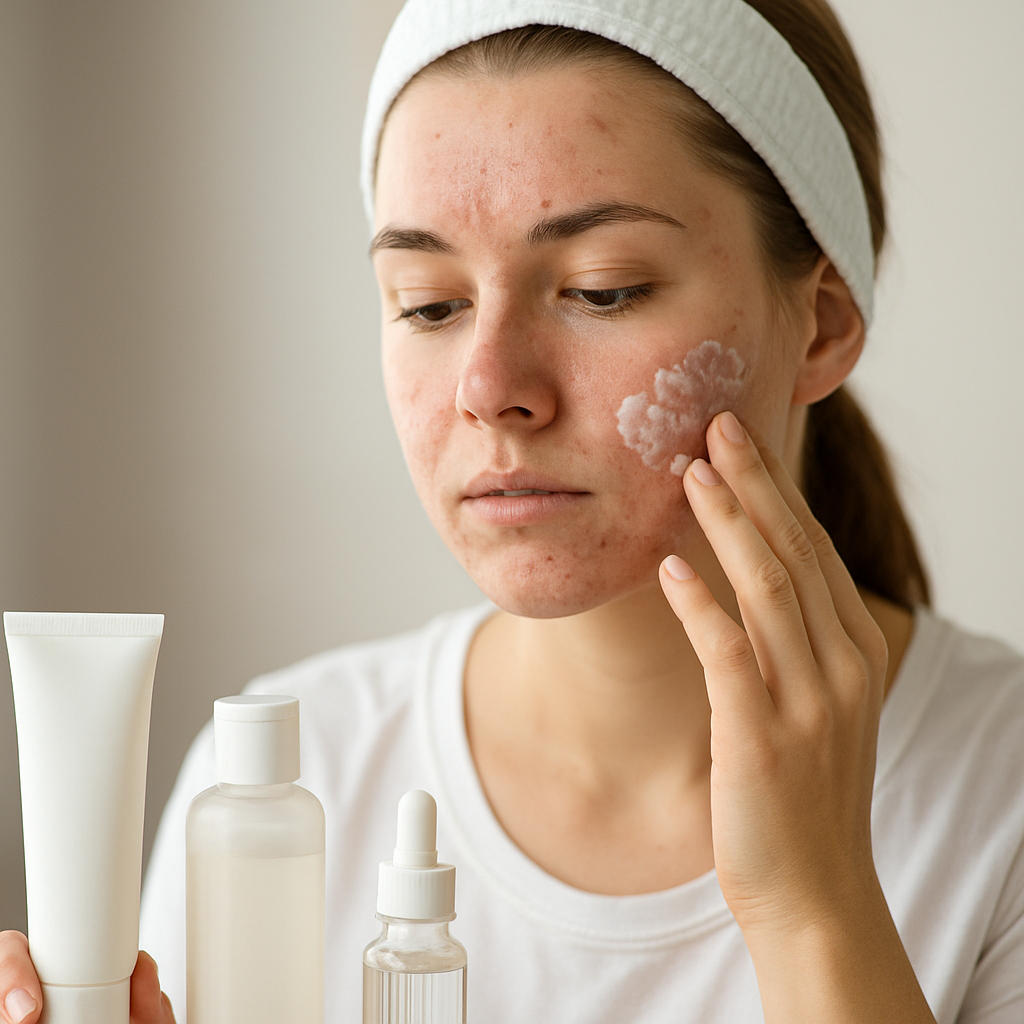
As winter fades, your skin faces a dramatic environmental shift that requires immediate attention. Rising temperatures, fluctuating humidity levels, and increased UV exposure challenge your skin barrier in new ways, potentially triggering breakouts and irritation that could lead to the scarring and embarrassment you're working to avoid.
“Spring weather changes force your skin to recalibrate its natural protective functions.”
Allergens like pollen create additional stress on already sensitive skin, making it more reactive and prone to inflammation. Your heavy winter moisturizers and rich creams, once essential for surviving harsh cold, now clog pores and trap sweat as temperatures warm. This combination creates the perfect storm for acne flare-ups.
For example, switching from a thick petroleum-based moisturizer to a lighter, water-based formula prevents pore congestion while maintaining necessary hydration. Understanding these seasonal changes helps you adjust your routine proactively rather than reactively treating problems after they appear.
Essential Morning Spring Skincare Steps

A consistent morning routine protects your skin from spring's unique challenges while preventing the breakouts and irritation that can lead to lasting marks. Start with these three fundamental steps that dermatologists recommend for transitioning skin.
Use a mild, non-comedogenic cleanser to remove pollen and allergens that accumulate overnight without stripping your skin's natural barrier.
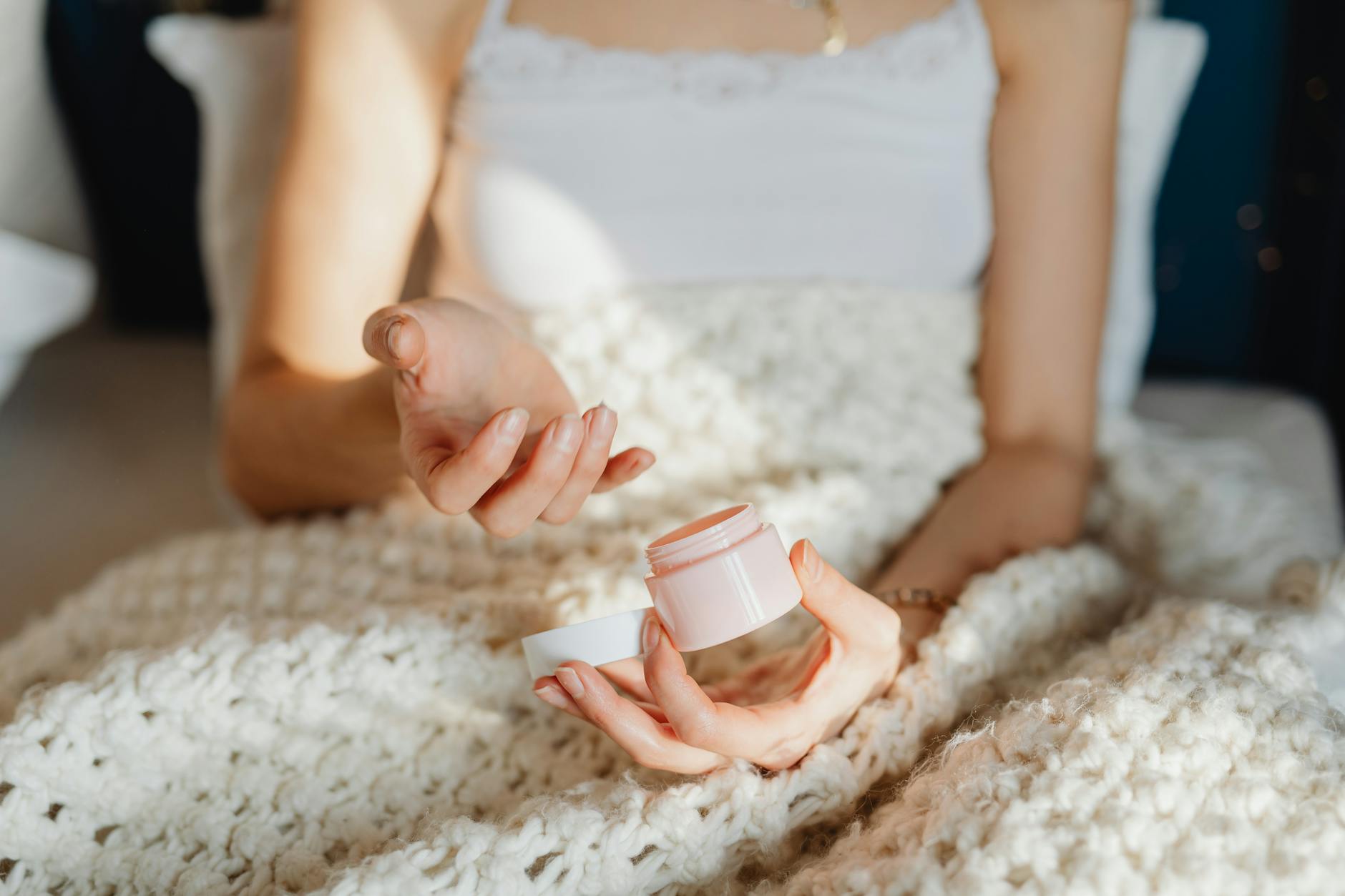
Switch from heavy winter creams to a lighter, oil-free formula that hydrates without clogging pores as temperatures rise.
Apply SPF 30 or higher daily, as spring sun is stronger than winter but often underestimated, leading to unexpected burns and pigmentation.
"The key to preventing spring breakouts is removing allergens while maintaining your skin's protective barrier."
For example, if you used CeraVe Hydrating Cleanser and a heavy night cream all winter, switch to their Foaming Facial Cleanser and Daily Moisturizing Lotion with SPF for spring protection.
Evening Spring Skincare Routine
Your nighttime routine becomes crucial during spring transitions, focusing on repairing daily damage while preparing skin for tomorrow's challenges. This is your opportunity to remove accumulated allergens and environmental pollutants that can lead to irritation and potential scarring if left unchecked.
Use an oil-based cleanser first, then a gentle water-based cleanser to remove all traces of sunscreen, makeup, and allergens like pollen.
Switch from heavy winter moisturizers to gel-based or lightweight creams that provide moisture without clogging pores.
Start with once-weekly chemical exfoliation using mild BHA or AHA to prevent buildup and promote cell turnover.
For example, if you've been using a thick night cream all winter, try switching to a hyaluronic acid serum followed by a lightweight moisturizer to prevent spring breakouts.
Key Ingredients to Use and Avoid
Spring skincare requires a strategic shift in ingredients to match the season's unique demands. Your skin needs protection from allergens while maintaining proper hydration without heaviness.
Hyaluronic acid becomes your best friend during spring transitions. This lightweight humectant draws moisture from the air, providing hydration without the greasy feel of winter creams. Look for serums containing 1-2% hyaluronic acid to boost moisture levels effectively.
Antioxidants like vitamin C and niacinamide create a protective barrier against environmental stressors and allergens floating in spring air. These ingredients help prevent the inflammation that can lead to breakouts and permanent scarring concerns.
Avoid heavy oils like coconut oil and thick butters such as shea butter during this transition. These occlusive ingredients can trap allergens against your skin and clog pores, potentially causing the breakouts you're working to prevent.
Common Spring Skincare Mistakes to Avoid

Spring skincare transitions require patience, but many people make costly errors that can worsen acne and cause irritation. Understanding these pitfalls helps you avoid setbacks that could delay your progress toward clear skin.
Switching your entire routine overnight shocks your skin and often triggers breakouts. Your skin needs 2-4 weeks to adjust to new products. Introduce one new product at a time, waiting at least a week before adding another. This gradual approach prevents overwhelming your skin and helps you identify which products work best.
Cloudy spring days still deliver 80% of UV rays that can darken acne scars and cause lasting discoloration. Apply SPF 30 or higher every morning, even when it looks overcast. This simple step prevents the permanent scarring that many people fear most about their acne journey.
Over-exfoliating destroys your skin barrier when it's already adjusting to seasonal changes. Limit exfoliation to 2-3 times weekly maximum, and stop immediately if you notice redness or increased sensitivity.
When to Consult a Dermatologist
Some spring skin changes require professional evaluation beyond basic skincare adjustments. Persistent allergic reactions lasting more than two weeks, despite removing triggers, warrant dermatological assessment to prevent potential scarring or worsening symptoms.
Sudden sensitivity changes that occur without explanation need medical attention. If your skin develops severe reactions to previously tolerated products or environments, a dermatologist can identify underlying causes and provide targeted treatment options.
Struggling with routine transitions despite careful adjustments signals the need for professional guidance. A dermatologist can create personalized protocols that work with your specific skin type and seasonal sensitivities, ensuring effective results without trial-and-error damage.
Seek professional help when spring skin changes persist beyond two weeks or worsen despite proper care adjustments.
Frequently Asked Questions
Why does my skin need different care in spring?
As winter transitions to spring, your skin faces dramatic environmental changes including rising temperatures, fluctuating humidity, and increased UV exposure that challenge your skin barrier. Heavy winter moisturizers that were essential for cold weather now clog pores and trap sweat as temperatures warm. Additionally, spring allergens like pollen create stress on sensitive skin, making it more reactive and prone to inflammation that can lead to breakouts.
What should I use for morning skincare in spring?
Start with a mild, non-comedogenic cleanser to remove pollen and allergens without stripping your skin's natural barrier. Follow with a lightweight, oil-free moisturizer instead of heavy winter creams to prevent pore clogging. Always finish with broad-spectrum SPF 30 or higher, as spring sun is stronger than winter sun but often underestimated, leading to unexpected burns and pigmentation.
How should I change my evening skincare routine for spring?
Switch to a double cleansing method using an oil-based cleanser first, then a gentle water-based cleanser to thoroughly remove sunscreen, makeup, and allergens like pollen. Replace heavy winter moisturizers with gel-based or lightweight creams that provide hydration without clogging pores. Introduce gentle chemical exfoliation once weekly using mild BHA or AHA to prevent buildup and promote cell turnover.
What type of moisturizer should I switch to in spring?
Transition from thick petroleum-based moisturizers to lighter, water-based formulas that prevent pore congestion while maintaining necessary hydration. Look for oil-free, lightweight creams or gel-based moisturizers that won't trap sweat as temperatures rise. This switch helps prevent the perfect storm for acne flare-ups that heavy winter products can create in warmer weather.
Disclaimer: This content is for informational purposes only and does not constitute medical advice. Always consult a qualified healthcare provider before making health decisions.