Why Your Skin Needs Different Care in Winter

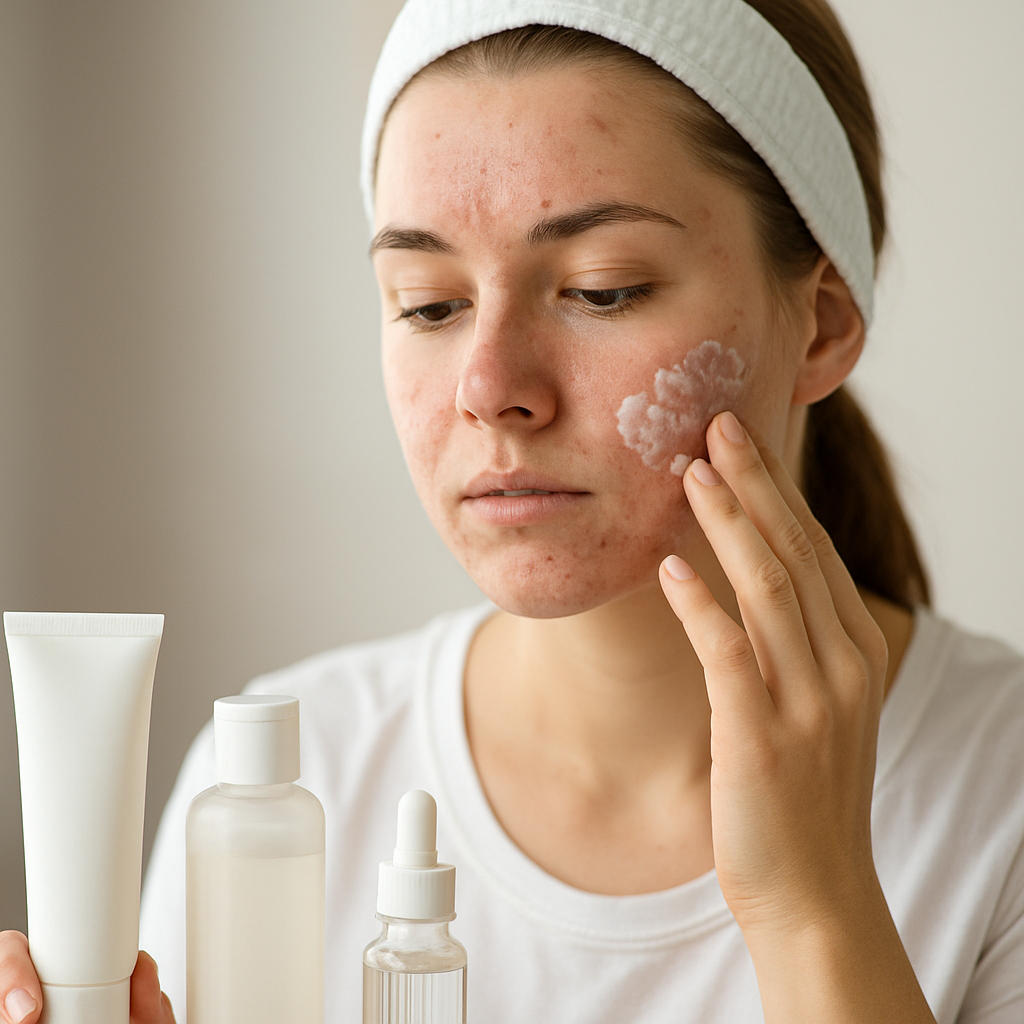
Your skin faces a completely different environment during winter months, and using the same products year-round can actually worsen skin problems. Cold outdoor air holds much less moisture than warm air, creating an immediate moisture deficit when you step outside. This dry air pulls water directly from your skin's surface, leaving it tight and flaky.
“Winter humidity levels can drop to just 10-20%, compared to summer's 40-60%.”
Indoor heating systems compound this problem by stripping away your skin's protective barrier. Forced air heating, radiators, and fireplaces all reduce indoor humidity while circulating dry air that continuously dehydrates your skin. Your skin becomes more sensitive and reactive as its natural defenses weaken.
For example, someone with normally clear skin might suddenly develop red patches or persistent dryness simply because their lightweight summer moisturizer can't handle winter's harsh conditions. Without proper seasonal adjustments, minor irritation can worsen into lasting skin damage that takes months to repair.
Essential Morning Winter Skincare Steps

Winter mornings require a careful balance of cleansing without stripping your skin's natural protective barrier. While you might worry about clogged pores leading to permanent scarring, harsh winter cleansing actually increases this risk by compromising your skin's defense system.
“Winter skincare isn't about doing more—it's about doing things differently to protect what your skin already has.”
Use a cream or oil-based cleanser instead of foaming formulas to preserve moisture while removing overnight buildup.
Apply hyaluronic acid or glycerin-based serums to damp skin, which helps lock in moisture before your moisturizer.
Switch to cream formulas with ceramides or petrolatum that create a protective barrier against wind and cold.
Use broad-spectrum SPF 30+ daily since snow reflects up to 80% of UV rays, increasing exposure risk.
For example, replace summer's lightweight gel moisturizer with a rich cream containing shea butter or squalane. These ingredients repair and strengthen your skin barrier, preventing the dryness and irritation that can worsen existing breakouts or create new ones.
Evening Winter Skincare Routine
Your nighttime routine becomes your skin's recovery period during harsh winter months. While morning routines focus on protection, evenings prioritize repair and deep hydration to prevent the dryness and irritation that can lead to lasting skin damage.
Start with an oil-based cleanser to remove sunscreen and makeup, followed by a gentle cream cleanser to avoid stripping natural oils.
Use hyaluronic acid or niacinamide serums on damp skin to lock in moisture overnight.
Choose thicker creams with ceramides or peptides that work while you sleep to repair your skin barrier.
Place a humidifier in your bedroom to maintain 40-50% humidity and prevent overnight moisture loss.
Consider using overnight masks once or twice weekly with ingredients like shea butter or squalane. These intensive treatments help rebuild your skin's protective barrier, reducing the risk of irritation and scarring from winter damage.
Key Ingredients to Use and Avoid
Understanding which ingredients work best for winter skin helps you build an effective routine without triggering irritation that could lead to scarring. Your skin's needs change dramatically when temperatures drop, making ingredient selection crucial for maintaining a healthy barrier.
Prioritize humectants like hyaluronic acid and glycerin, which pull moisture from the air into your skin. Ceramides rebuild your protective barrier, while niacinamide reduces inflammation and controls oil production. Squalane mimics your skin's natural oils, providing lightweight hydration that won't clog pores.
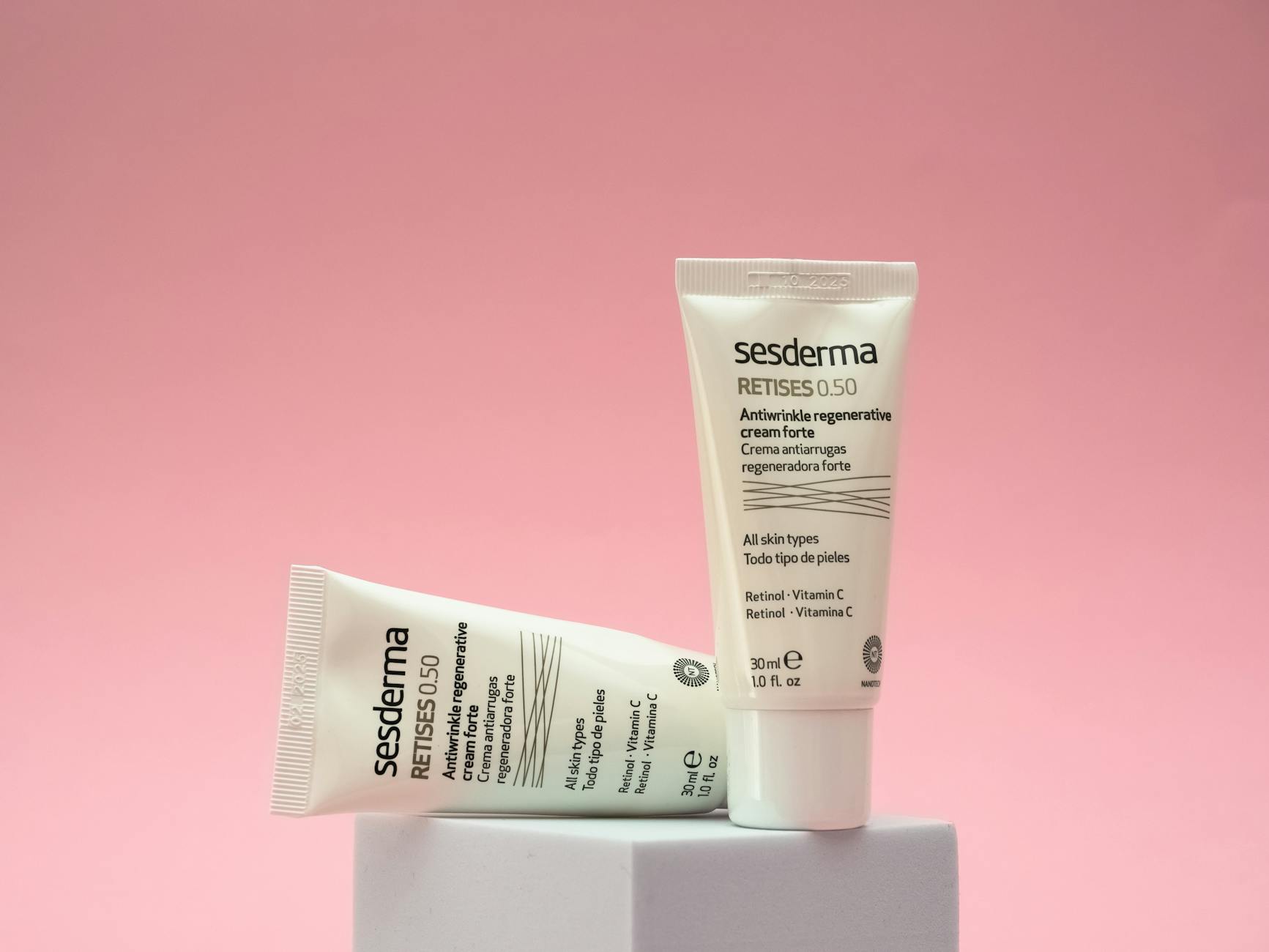
Limit harsh actives during winter months. Reduce retinol frequency or switch to gentler retinyl palmitate. Skip alcohol-based toners and high-concentration salicylic acid products that strip natural oils. Benzoyl peroxide can be particularly drying, so use lower concentrations or spot-treat only.
For sensitive winter skin, choose fragrance-free formulas with soothing ingredients like colloidal oatmeal, allantoin, or panthenol. These provide anti-inflammatory benefits without compromising your barrier function, helping prevent the irritation that can worsen existing skin concerns.
Common Winter Skincare Mistakes to Avoid

Winter skincare mistakes can worsen existing breakouts and create new skin problems that feel impossible to fix. Understanding these common errors helps you avoid setbacks that could delay your progress toward clear skin.
Over-cleansing ranks as the biggest winter mistake. Many people think washing their face multiple times daily will clear breakouts faster, but this strips your skin's protective barrier. Stick to cleansing twice daily maximum, even when your skin feels oily or dirty.
Using summer products year-round creates another problem. That lightweight gel moisturizer that worked in July won't provide enough protection against December's harsh conditions. Switch to cream-based formulas when temperatures drop below 50°F.
Skipping sunscreen seems logical when it's cloudy, but UV rays penetrate winter weather and reflect off snow. For example, fresh snow reflects up to 80% of UV radiation back at your face.
Ignoring environmental factors like indoor heating damages skin overnight. Place a humidifier in your bedroom to counteract the drying effects of forced air heating systems.
When to Consult a Dermatologist
While most winter skin concerns respond well to proper skincare routines, certain situations require professional intervention. Recognizing when your skin needs expert care can prevent permanent damage and help you achieve clear, healthy skin faster.
Watch for signs of a compromised skin barrier: persistent redness that doesn't improve after two weeks of gentle care, deep cracks that bleed, or skin that stings even with fragrance-free moisturizers. These symptoms indicate your skin's protective barrier has sustained significant damage requiring targeted treatment.
Schedule a dermatology appointment if winter-related issues persist despite consistent skincare efforts. Chronic eczema flares, severe dryness that creates painful fissures, or new rashes that appear during cold months often need prescription treatments like topical corticosteroids or barrier repair creams.
Professional treatment options include customized chemical peels for winter-induced texture issues, prescription retinoids for acne that worsens in dry conditions, and injectable treatments for severe dehydration lines. Dermatologists can also formulate personalized winter skincare plans based on your specific skin type, climate, and lifestyle factors.
Early professional intervention prevents the permanent scarring and social embarrassment you're concerned about while establishing an effective long-term strategy for winter skin health.
Seek professional help when skin barrier damage persists beyond two weeks or when winter conditions worsen existing skin problems.
Frequently Asked Questions
Why does my skin get so dry in winter?
Cold outdoor air holds much less moisture than warm air, creating an immediate moisture deficit that pulls water directly from your skin's surface. Indoor heating systems compound this problem by stripping away your skin's protective barrier and reducing indoor humidity. Winter humidity levels can drop to just 10-20%, compared to summer's 40-60%, making your skin more sensitive and reactive as its natural defenses weaken.
What type of moisturizer should I use in winter?
You should switch to heavy-duty cream formulas with ingredients like ceramides, petrolatum, shea butter, or squalane that create a protective barrier against wind and cold. These ingredients repair and strengthen your skin barrier, preventing the dryness and irritation that can worsen existing breakouts or create new ones. Replace summer's lightweight gel moisturizer with these richer formulations to handle winter's harsh conditions.
Do I still need sunscreen in winter?
Yes, you need broad-spectrum SPF 30+ daily during winter since snow reflects up to 80% of UV rays, significantly increasing your exposure risk. Winter sunscreen is an essential step in your morning routine to protect against both direct and reflected UV radiation. The combination of cold air and increased UV exposure from snow reflection makes sun protection even more critical during winter months.
What cleanser should I use for winter skincare?
Use a cream or oil-based cleanser instead of foaming formulas to preserve moisture while removing overnight buildup and daily impurities. Harsh winter cleansing can compromise your skin's defense system and increase irritation risk. For evening routines, start with an oil-based cleanser to remove sunscreen and makeup as part of a gentle double cleanse approach.
Should I use the same skincare products year-round?
No, using the same products year-round can actually worsen skin problems because your skin faces a completely different environment during winter months. Someone with normally clear skin might suddenly develop red patches or persistent dryness simply because their lightweight summer moisturizer can't handle winter's harsh conditions. Without proper seasonal adjustments, minor irritation can worsen into lasting skin damage that takes months to repair.
Disclaimer: This content is for informational purposes only and does not constitute medical advice. Always consult a qualified healthcare provider before making health decisions.