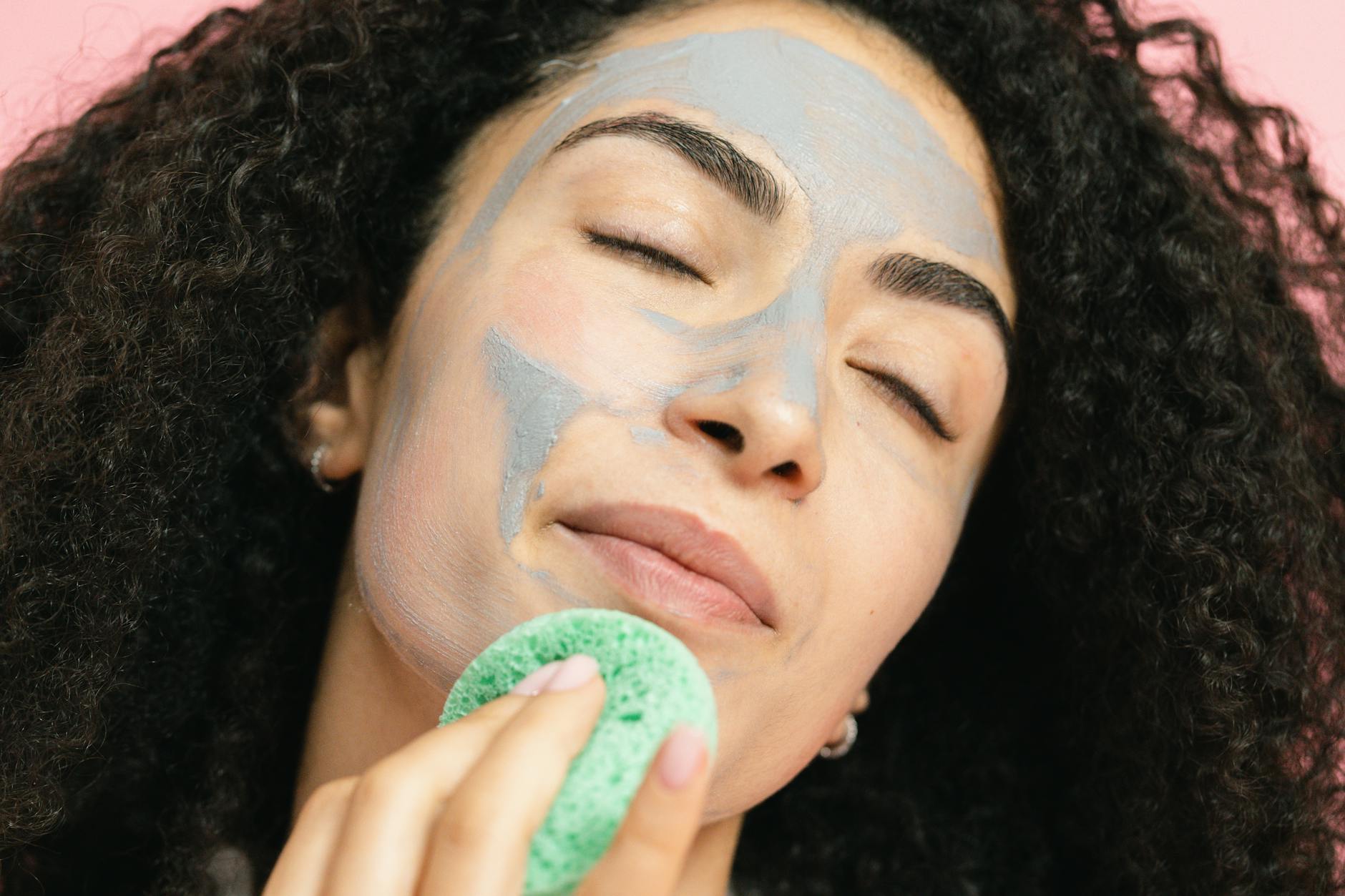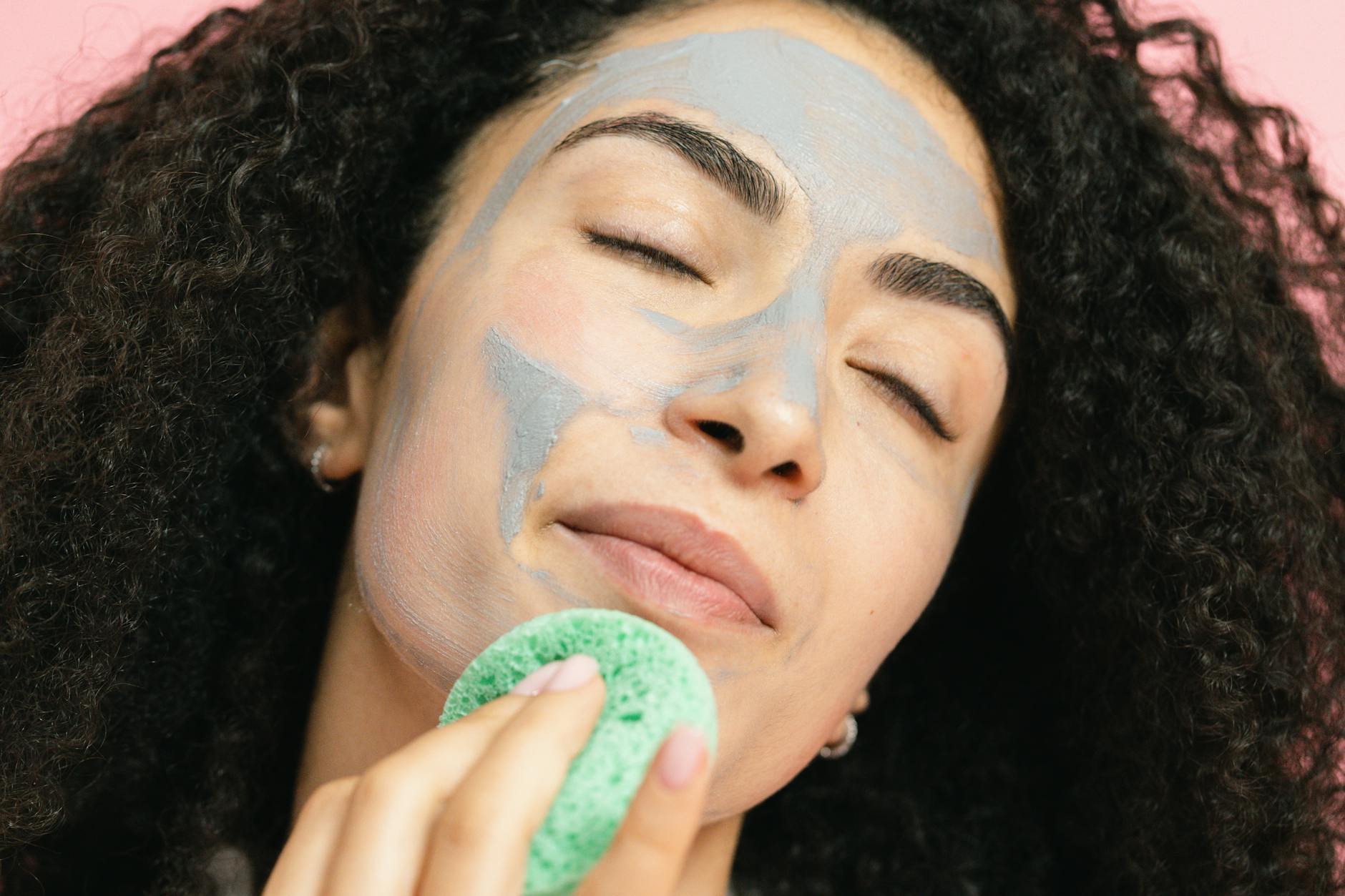
Understanding Oily Skin

Oily skin occurs when your sebaceous glands produce excess sebum, the natural oil that keeps your skin moisturized. While everyone needs some oil for healthy skin, overproduction creates that telltale shiny appearance, especially on your forehead, nose, and chin.
“Oily skin isn't a flaw to fix, but a skin type that needs the right approach to stay balanced.”
Your sebaceous glands work overtime due to genetics, hormones, or environmental factors. This excess oil can mix with dead skin cells and clog pores, potentially leading to blackheads and breakouts that cause the scarring and embarrassment many people fear.
The biggest misconception about oily skin is that you should strip it completely dry. This actually triggers your glands to produce even more oil as compensation. Instead, proper care focuses on gentle cleansing and oil control without over-drying your skin's protective barrier.
Morning Routine for Oily Skin

Starting your day with the right skincare routine sets the foundation for preventing future breakouts while managing excess oil production. A consistent morning routine helps control shine throughout the day and creates a protective barrier against environmental damage that can worsen acne.
“The key to managing oily skin is consistency, not aggression.”
Use a foaming cleanser with salicylic acid or benzoyl peroxide to remove overnight oil buildup without stripping your skin.
Apply a lightweight, non-comedogenic moisturizer to maintain skin barrier function and prevent overproduction of oil.
Finish with SPF 30 or higher to prevent sun damage and post-inflammatory hyperpigmentation from existing blemishes.
For example, CeraVe Foaming Facial Cleanser followed by Neutrogena Oil-Free Moisture Gel provides effective cleansing and hydration without clogging pores.
Evening Routine for Oily Skin
Your evening routine serves as the foundation for overnight skin repair and oil regulation. Night skincare addresses damage from daily pollutants while preventing breakouts that could lead to scarring.
Start with an oil cleanser to remove makeup and sunscreen, followed by your gentle foaming cleanser.
Use salicylic acid or retinol every other night to prevent clogged pores and accelerate cell turnover.
Apply a lightweight, non-comedogenic moisturizer to maintain skin barrier function overnight.
For example, use CeraVe Foaming Facial Cleanser followed by Paula's Choice 2% BHA Liquid Exfoliant three times weekly. Always wait 20 minutes between applying actives and moisturizer to maximize effectiveness.
Key Ingredients for Oily Skin
Choosing the right ingredients prevents future breakouts and helps you achieve clear skin without causing irritation that leads to scarring.
Salicylic acid penetrates deep into pores to dissolve oil and dead skin cells. This beta hydroxy acid reduces inflammation while preventing clogged pores that cause acne. Start with 0.5% concentration and gradually increase to 2% as your skin adjusts.
Niacinamide regulates oil production without over-drying your skin. This form of vitamin B3 minimizes pore appearance and reduces redness from existing breakouts. Look for products containing 5-10% niacinamide for optimal results.
Avoid harsh alcohols like denatured alcohol, which strip natural oils and trigger increased oil production. Skip heavy oils like coconut oil and comedogenic ingredients that block pores and worsen acne.
Common Mistakes to Avoid

Over-cleansing your skin creates more problems than it solves. Washing your face more than twice daily strips natural oils, triggering increased sebum production and potential irritation that won't cause permanent scarring but delays your progress.
Skipping moisturizer because your skin feels oily is counterproductive. Dehydrated skin compensates by producing excess oil. Choose lightweight, oil-free formulas instead of avoiding moisture entirely.
Layering too many active ingredients like salicylic acid and retinoids simultaneously causes inflammation and setbacks. For example, using a benzoyl peroxide cleanser, glycolic acid toner, and retinol serum together overwhelms your skin's barrier function.
When to See a Dermatologist
Seek professional help if your oiliness remains severe after six to eight weeks of consistent routine. Dermatologists can prevent scarring from persistent acne and prescribe stronger treatments like retinoids or hormonal therapy. Don't wait if painful cystic breakouts develop—early intervention protects your skin long-term.
Professional care prevents permanent scarring when home routines aren't controlling severe oiliness or acne after two months.
Frequently Asked Questions
What causes oily skin?
Oily skin occurs when your sebaceous glands produce excess sebum, the natural oil that keeps your skin moisturized. Your sebaceous glands work overtime due to genetics, hormones, or environmental factors. This excess oil can mix with dead skin cells and clog pores, potentially leading to blackheads and breakouts.
What should I use to cleanse oily skin in the morning?
Use a foaming cleanser with salicylic acid or benzoyl peroxide to remove overnight oil buildup without stripping your skin. For example, CeraVe Foaming Facial Cleanser is effective for oily skin types. Follow with a lightweight, non-comedogenic moisturizer to maintain your skin barrier function.
Should I avoid moisturizer if I have oily skin?
No, you should always use moisturizer even with oily skin. Apply a lightweight, non-comedogenic moisturizer to maintain skin barrier function and prevent overproduction of oil. The biggest misconception about oily skin is that you should strip it completely dry, which actually triggers your glands to produce even more oil as compensation.
What evening skincare routine is best for oily skin?
Start with double cleansing using an oil cleanser to remove makeup and sunscreen, followed by a gentle foaming cleanser. Apply active ingredients like salicylic acid or retinol every other night to prevent clogged pores and accelerate cell turnover. Finish with a lightweight, non-comedogenic moisturizer and wait 20 minutes between applying actives and moisturizer to maximize effectiveness.
What ingredients should I look for in oily skin products?
Salicylic acid is key for oily skin as it penetrates deep into pores to dissolve oil and dead skin cells. Benzoyl peroxide is also effective for removing oil buildup and preventing breakouts. Look for non-comedogenic, oil-free products that won't clog your pores while maintaining your skin's protective barrier.
Disclaimer: This content is for informational purposes only and does not constitute medical advice. Always consult a qualified healthcare provider before making health decisions.