Why Your Face Needs a Weekly Mask Routine

Your face endures constant assault from environmental aggressors that your body's protected areas never face. UV radiation, pollution particles, and harsh weather conditions bombard your facial skin daily, creating oxidative stress that accelerates aging and triggers inflammation. Unlike your arms or legs, your face cannot hide under clothing for protection.
“Weekly face masks deliver concentrated ingredients that penetrate deeper than daily products, targeting specific skin concerns with precision.”
Weekly targeted treatments provide your skin with intensive repair sessions that daily cleansers and moisturizers cannot match. Clay masks extract deep-seated impurities from pores, while hydrating masks restore moisture balance after harsh environmental exposure. This prevents the buildup of debris that leads to persistent breakouts and potential scarring.
Face masks work synergistically with your existing skincare routine rather than replacing it. Your daily cleanser removes surface dirt, but weekly masks address deeper concerns like clogged pores, uneven texture, and dehydration. This layered approach creates a comprehensive defense system that keeps your skin clear, healthy, and resilient against future damage.
Establishing this routine now prevents minor skin issues from developing into more serious concerns that require professional intervention.
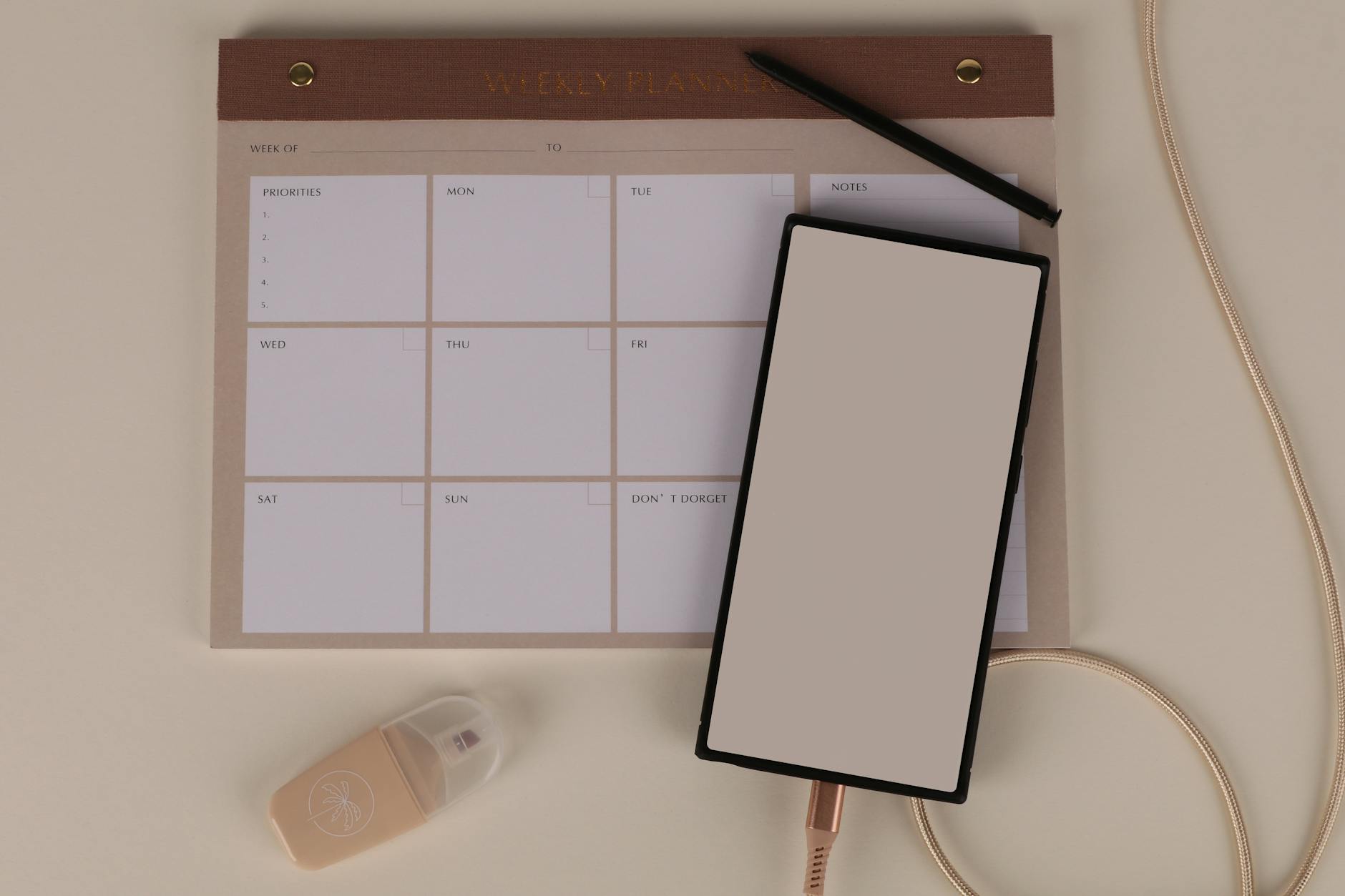
Creating Your 7-Day Face Mask Schedule

A structured weekly routine prevents overuse while ensuring your face gets consistent care. Most dermatologists recommend spacing active treatments to avoid irritation that could worsen existing concerns or create new ones.
"Consistency beats intensity when building healthy skin habits."
Monday serves as your deep cleansing day. Use clay or charcoal masks to remove weekend buildup and start fresh. Your skin recovers from any weekend indulgences while preparing for the week ahead.
Tuesday and Thursday become rest days. Your face needs time to maintain its natural barrier function between treatments. Use your regular cleanser and moisturizer only.
Wednesday focuses on hydration. Apply sheet masks, gel masks, or cream-based treatments to restore moisture. This midweek boost helps counteract environmental stress and keeps skin plump.
Friday brings targeted treatment masks. Use retinol masks for anti-aging, salicylic acid for acne, or vitamin C for brightening. Friday timing allows weekend recovery if sensitivity occurs.
Weekends remain treatment-free unless your skin needs extra hydration. This prevents overloading your face with too many active ingredients.
For example, someone with oily skin might use a clay mask Monday, hydrating sheet mask Wednesday, and BHA treatment mask Friday. Dry skin types could substitute gentle enzyme masks Monday and rich overnight masks Friday.
Start with this framework, then adjust timing based on your skin's response. Some people need longer rest periods, while others tolerate more frequent treatments. Track what works best for your specific needs.
Choosing the Right Mask for Your Skin Type
Your face deserves targeted treatment that matches its unique needs. Using the wrong mask type won't cause permanent damage, but it can delay your progress toward clear, healthy skin.
Oily skin benefits most from clay masks containing bentonite or kaolin. These ingredients absorb excess oil without over-drying your face. Look for masks with salicylic acid to unclog pores. Apply clay masks twice weekly, focusing on your T-zone where oil production runs highest.
Dry skin requires hydrating masks with hyaluronic acid, ceramides, or glycerin. Sheet masks work particularly well because they prevent moisture loss during application. Use hydrating masks 2-3 times weekly, leaving them on for the full recommended time.
Sensitive skin responds best to gentle, fragrance-free options with calming ingredients like aloe vera or oatmeal. Start with once-weekly applications to test your tolerance. Avoid masks containing alcohol, retinoids, or strong acids.
Combination skin requires strategic application. Use clay masks only on oily areas like your nose and forehead, while applying hydrating masks to dry cheek areas. This targeted approach prevents over-treating any single zone on your face.
Application Techniques and Timing
Proper application transforms your face mask from a simple routine into an effective treatment. Start with a completely clean face using your regular cleanser, then pat dry with a clean towel. Avoid applying masks to damp skin, as this prevents proper adhesion and can dilute active ingredients.
Cleanse thoroughly and ensure your face is completely dry before application.
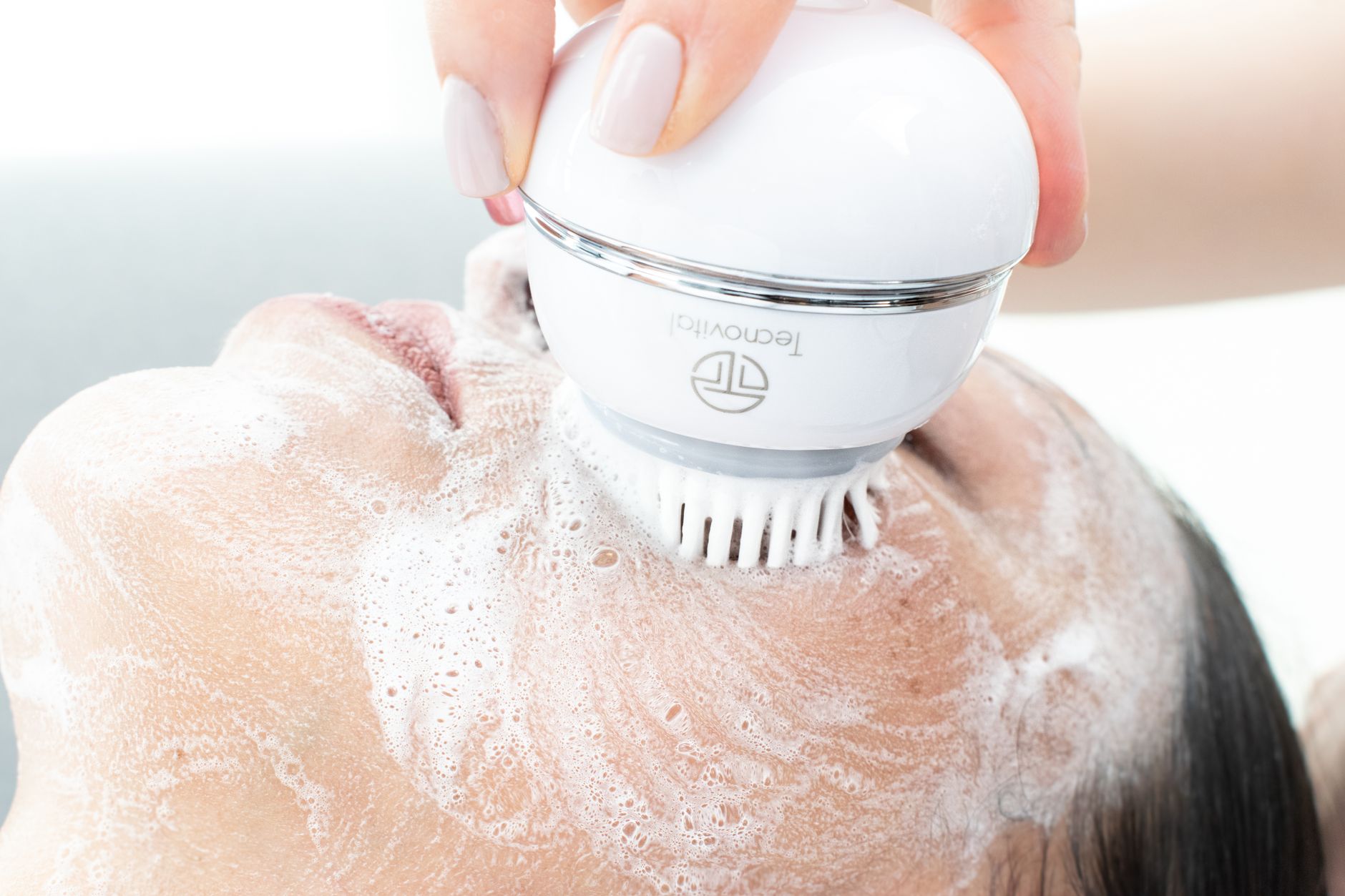
Use clean fingers or a brush to spread the mask in thin, even layers, avoiding the eye area.
Follow package directions precisely—typically 10-15 minutes for clay masks and 15-20 for hydrating masks.
Rinse with lukewarm water using gentle circular motions, then pat dry with a clean towel.
When removing your mask, never scrub aggressively—this can cause irritation that leads to temporary redness, not permanent scarring. For example, clay masks should feel slightly tight but never painful. If you experience stinging or burning, remove the mask immediately. Sheet masks peel off easily when properly saturated, while cream masks rinse away smoothly with lukewarm water.
Common Mistakes to Avoid

Face mask mistakes can worsen existing skin issues and create new problems. Over-masking ranks as the most dangerous error beginners make. Using masks daily strips your skin's natural barrier, leading to irritation, redness, and breakouts. Stick to your scheduled frequency even when you're eager for faster results.
Wrong mask selection causes immediate problems. Clay masks on dry skin create flaking and tightness, while hydrating masks on oily skin can clog pores. Match your mask type to your current skin condition, not your desired outcome.
Improper removal damages skin through aggressive scrubbing or leaving masks on too long. Dried clay masks become difficult to remove and can cause micro-tears when scraped off. Always follow timing instructions and use lukewarm water with gentle circular motions.
Never ignore skin reactions like burning, excessive redness, or new breakouts. These warning signs indicate ingredient sensitivities or overuse. Stop immediately and consult a dermatologist if reactions persist beyond 24 hours.
Building Your Complete Weekly Routine
Plan masks for Monday and Thursday evenings to avoid overlapping with exfoliation days.
Take weekly photos and note any changes in skin texture or breakouts.
Reduce mask frequency if redness persists beyond 24 hours after application.
Coordinate your face mask routine with other treatments by spacing them 48 hours apart. Never layer active ingredients like retinol with clay masks on the same day. If you notice persistent irritation or worsening breakouts after four weeks, schedule a dermatologist consultation to prevent potential scarring.
Success comes from consistency and patience—stick to your routine for at least 6-8 weeks before making major changes.
Frequently Asked Questions
Why do I need a weekly face mask routine?
Your face is constantly exposed to environmental aggressors like UV radiation, pollution, and harsh weather that accelerate aging and cause inflammation. Weekly face masks deliver concentrated ingredients that penetrate deeper than daily products, providing intensive repair sessions that cleansers and moisturizers cannot match. This prevents the buildup of debris that leads to breakouts and helps maintain clear, healthy, resilient skin.
How often should I use face masks per week?
Most dermatologists recommend a structured schedule with 2-3 mask treatments per week, spaced out to avoid irritation. A typical routine includes deep cleansing masks on Monday, hydration masks on Wednesday, and targeted treatment masks on Friday. Tuesday, Thursday, and weekends should be rest days using only your regular cleanser and moisturizer to maintain your skin's natural barrier function.
What type of face mask is best for oily skin?
Oily skin benefits most from clay masks containing bentonite or kaolin, which absorb excess oil without over-drying your face. Look for masks with salicylic acid to help unclog pores and reduce breakouts. Apply clay masks twice weekly, focusing on your T-zone where oil production is typically highest.
Can face masks replace my daily skincare routine?
No, face masks work synergistically with your existing skincare routine rather than replacing it. Your daily cleanser removes surface dirt, while weekly masks address deeper concerns like clogged pores, uneven texture, and dehydration. This layered approach creates a comprehensive defense system that keeps your skin clear and healthy.
Disclaimer: This content is for informational purposes only and does not constitute medical advice. Always consult a qualified healthcare provider before making health decisions.