Understanding Your Sensitive Skin Weekly Needs

Sensitive skin reacts more intensely to environmental factors, products, and treatments than normal skin types. This heightened reactivity occurs when your skin barrier becomes compromised, allowing irritants to penetrate deeper layers and trigger inflammatory responses. While this might feel overwhelming, understanding your skin's specific needs helps you create an effective weekly care routine.
“Sensitive skin requires consistent, gentle care rather than aggressive treatments that promise quick fixes.”
Weekly treatments matter for reactive skin because they provide sustained nourishment without overwhelming your skin's delicate balance. Unlike daily routines that focus on basic cleansing and protection, weekly care addresses deeper hydration needs and helps strengthen your skin barrier over time. This approach prevents the cycle of irritation and inflammation that often leads to permanent damage.
Common triggers include fragranced products, harsh exfoliants, extreme temperatures, and stress. For example, using a scrub with walnut shells can create micro-tears, while heavily perfumed moisturizers can cause immediate redness and stinging. Avoiding these triggers while implementing gentle weekly treatments helps your skin heal properly and reduces the risk of long-term scarring or discoloration.
Building Your Gentle Weekly Treatment Schedule

Creating a weekly routine for sensitive skin requires careful planning and patience. Your skin needs time to adapt to new products without overwhelming your protective barrier. Starting slowly prevents the irritation and potential scarring that many people with sensitive skin worry about.
"Less is more when building a sustainable routine for sensitive skin."
Begin with just one new treatment per week. Choose either Sunday or Wednesday as your treatment day, giving your skin maximum recovery time between sessions. This spacing allows you to monitor how your skin responds before introducing additional products or increasing frequency.
Apply your chosen treatment to a small patch behind your ear 48 hours before full-face use.
Use the treatment once weekly for four weeks, monitoring for redness, burning, or increased sensitivity.
If tolerated well, you may increase to twice weekly after one month of consistent use.
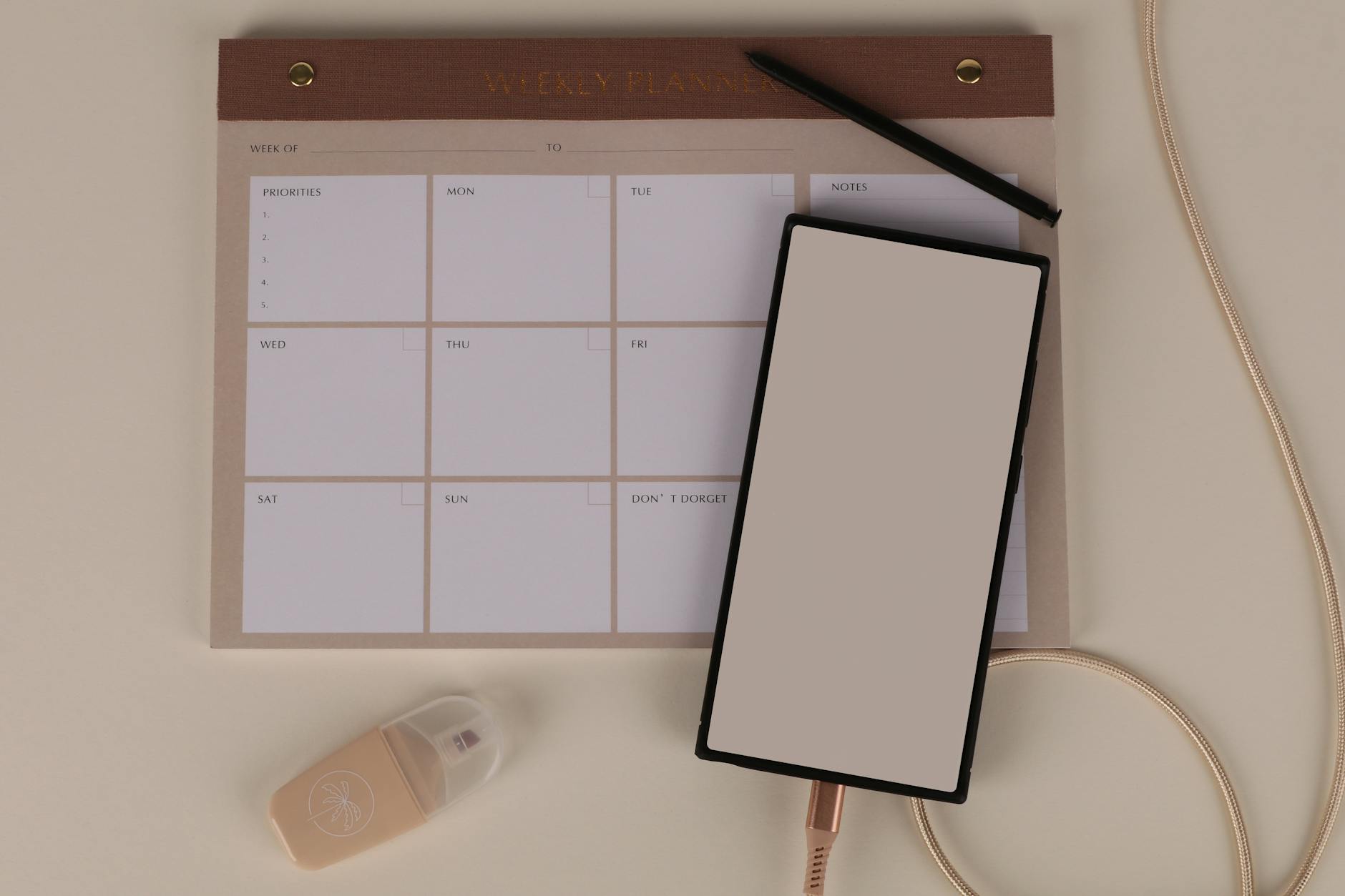
Track your skin's response in a simple journal or phone notes. Record application dates, products used, and any reactions within 24-48 hours. Morning-after assessments are particularly important, as delayed reactions often appear overnight.
For example, if you experience mild tingling during application but wake up with clear, calm skin, you're likely tolerating the product well. However, persistent redness or flaking indicates you should reduce frequency or discontinue use.
Safe Weekly Treatments for Reactive Skin
Finding the right weekly treatments for sensitive skin requires careful selection of gentle, non-irritating products. Your skin needs extra care to avoid inflammation while still receiving beneficial treatments that support healthy cell turnover and hydration.
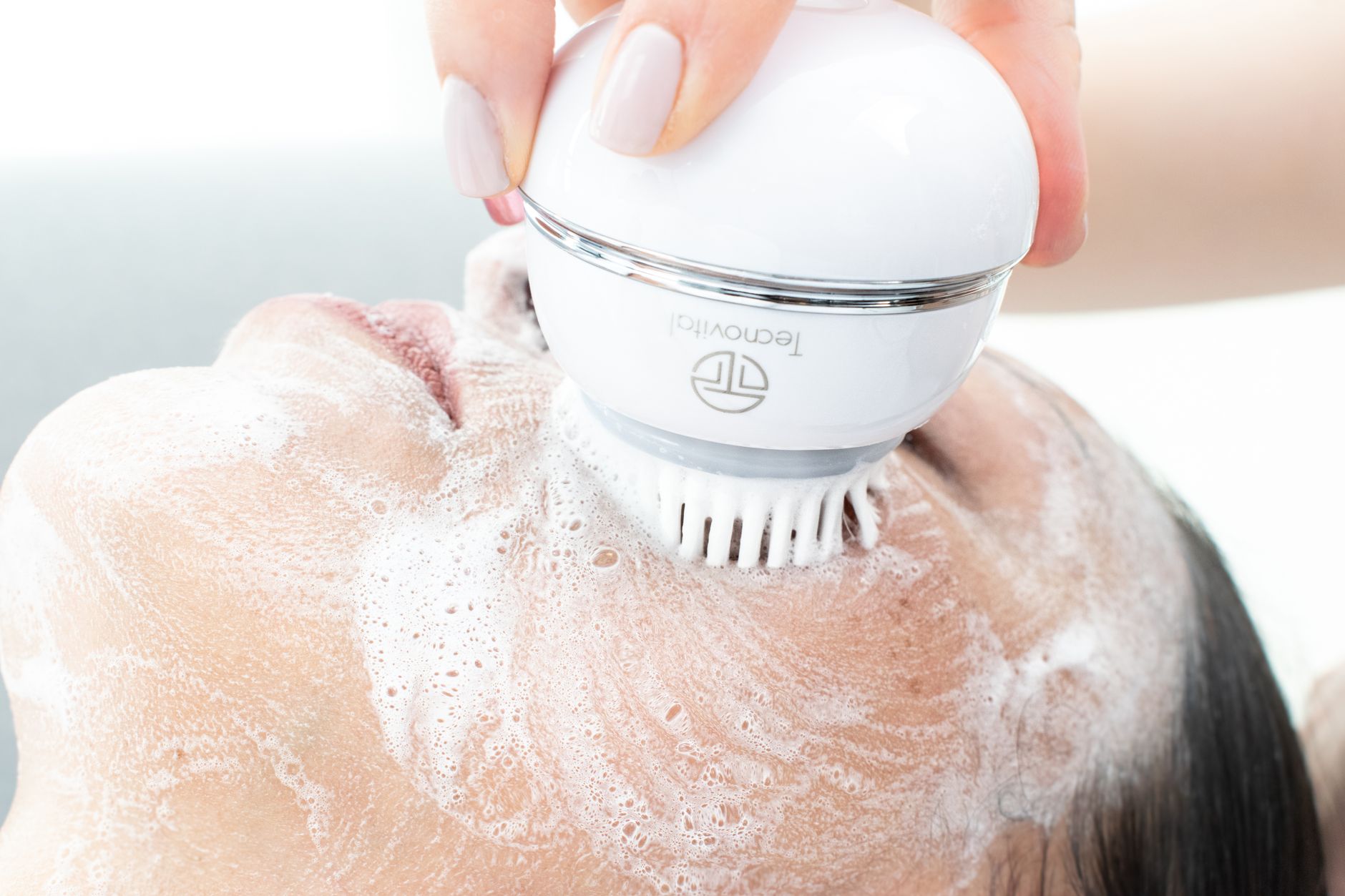
Gentle cleansing treatments form the foundation of safe weekly care. Clay masks made with kaolin or bentonite clay provide mild purification without stripping your skin's natural barrier. Apply a thin layer once weekly for 5-10 minutes, never allowing the mask to dry completely. Enzyme masks containing papaya or pumpkin offer gentle exfoliation without physical scrubbing that can trigger reactivity.
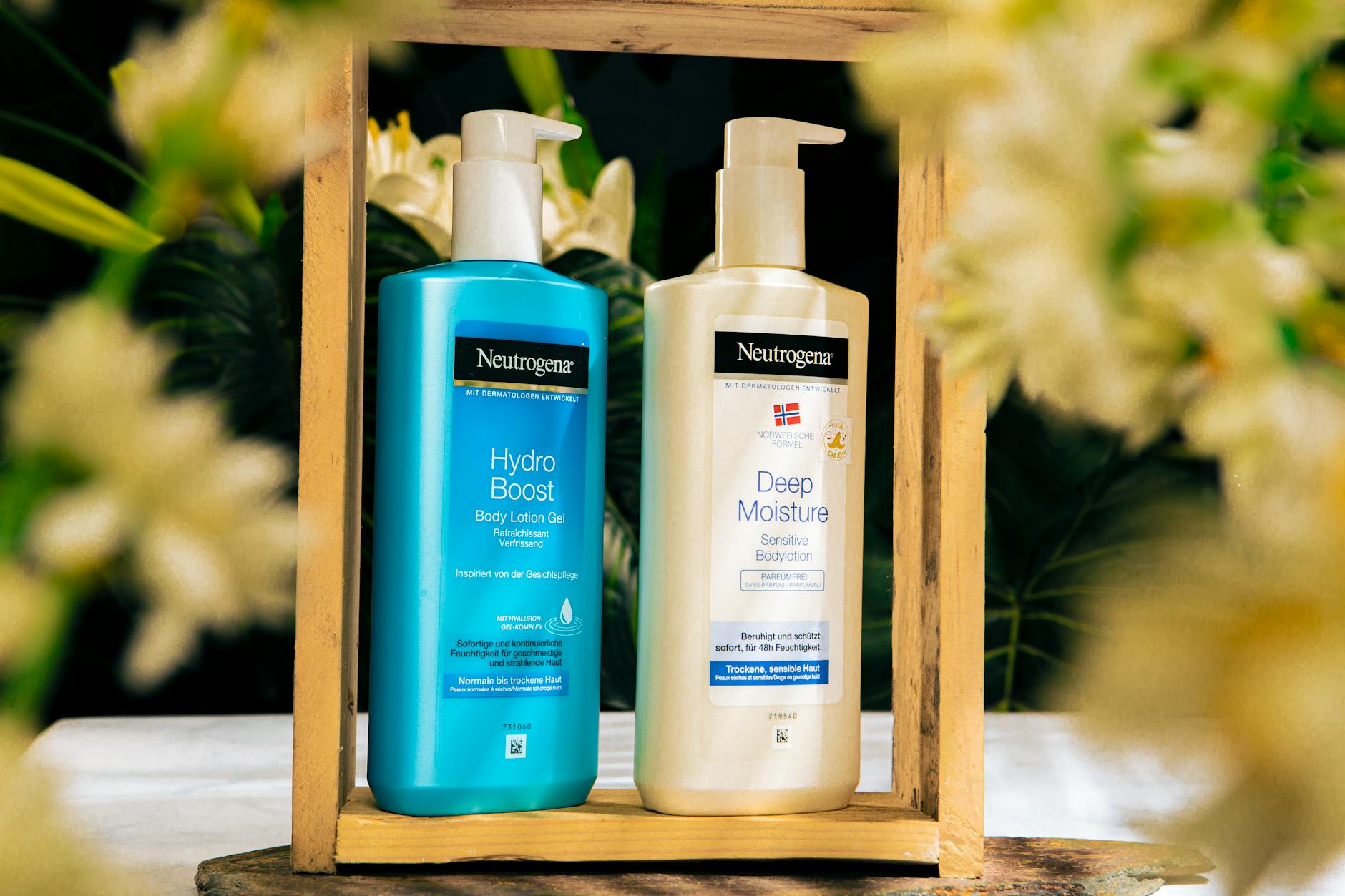
Mild hydrating masks become your weekly moisture boost. Hyaluronic acid masks, ceramide-rich treatments, and colloidal oatmeal masks provide deep hydration without clogging pores. Sheet masks soaked in soothing ingredients like aloe vera or centella asiatica work well for reactive skin types.
Soothing treatments help calm inflammation and reduce redness. Weekly applications of cooled green tea compresses, diluted honey masks, or calendula-infused treatments provide anti-inflammatory benefits. These treatments work particularly well after sun exposure or during stress-related flare-ups.
Patch testing requirements cannot be ignored with sensitive skin. Test every new treatment on your inner forearm 48 hours before facial application. This simple step prevents widespread reactions that could lead to lasting skin damage or visible irritation that affects your confidence and daily activities.
Start with one treatment per week, introducing new products gradually to monitor your skin's response and build tolerance safely.
What to Avoid in Your Weekly Routine

Certain ingredients and practices can trigger severe reactions in sensitive skin, potentially causing the scarring and irritation you're working to prevent. Understanding these hazards protects your progress and prevents setbacks.
Avoid harsh physical scrubs, alpha hydroxy acids, beta hydroxy acids, and retinoids in your weekly treatments. These ingredients strip your skin's protective barrier and increase sensitivity. Fragrances, essential oils, and alcohol-based products also commonly trigger reactions. Even "natural" ingredients like lemon juice or baking soda can cause chemical burns on reactive skin.
Over-treatment poses another significant risk. Using multiple active products weekly overwhelms sensitive skin and causes inflammation. Stick to one gentle treatment per week maximum.
Watch for reaction signs: immediate stinging, persistent redness lasting over an hour, new breakouts within 24 hours, or unusual dryness. Stop using the product immediately if these occur. Your skin communicates clearly when something doesn't suit it—listening prevents long-term damage and helps you achieve the clear, healthy complexion you're seeking.
Monitoring and Adjusting Your Routine
Your skin will tell you exactly how it feels about your weekly routine through clear signals. Track these responses in a simple journal or phone notes. Record what products you used, when you applied them, and how your skin looked and felt the next day.
Watch for warning signs that indicate you need to reduce frequency. Persistent redness, burning sensations, or increased breakouts mean you're overdoing it. Cut back to every other week or use gentler concentrations until your skin calms down.
Note skin texture, redness levels, and any new irritation each morning.
Scale back treatments during winter when skin becomes drier and more sensitive.
Contact a dermatologist if irritation persists beyond two weeks or worsens despite modifications.
Seasonal changes require routine modifications. Your skin needs lighter treatments in humid summer months and gentler approaches during dry winter weather. Remember, permanent damage from gentle adjustments is extremely rare when you listen to your skin's feedback.
Start slowly, track your skin's responses, and adjust frequency based on what your skin tells you rather than rushing toward results.
Frequently Asked Questions
What makes sensitive skin different from normal skin types?
Sensitive skin reacts more intensely to environmental factors, products, and treatments than normal skin types. This heightened reactivity occurs when your skin barrier becomes compromised, allowing irritants to penetrate deeper layers and trigger inflammatory responses. Common triggers include fragranced products, harsh exfoliants, extreme temperatures, and stress.
How often should I do weekly treatments for sensitive skin?
Begin with just one new treatment per week, choosing either Sunday or Wednesday as your treatment day to give your skin maximum recovery time between sessions. Use the treatment once weekly for four weeks while monitoring for reactions. If tolerated well, you may increase to twice weekly after one month of consistent use.
How should I test new products before using them on sensitive skin?
Apply your chosen treatment to a small patch behind your ear 48 hours before full-face use. Track your skin's response in a simple journal, recording application dates, products used, and any reactions within 24-48 hours. Morning-after assessments are particularly important, as delayed reactions often appear overnight.
What are the common triggers that irritate sensitive skin?
Common triggers include fragranced products, harsh exfoliants, extreme temperatures, and stress. For example, using a scrub with walnut shells can create micro-tears, while heavily perfumed moisturizers can cause immediate redness and stinging. Sensitive skin is 2.5 times more reactive to fragrances than normal skin types.
How long does it take for sensitive skin barrier to recover?
The skin barrier typically takes 72 hours to recover from irritation or damage. This is why weekly treatments are spaced out to allow maximum recovery time between sessions. Consistent, gentle care rather than aggressive treatments helps prevent the cycle of irritation and inflammation that often leads to permanent damage.
Disclaimer: This content is for informational purposes only and does not constitute medical advice. Always consult a qualified healthcare provider before making health decisions.