What Are Weekly Chemical Peels?

Chemical peels are skincare treatments that use acids to remove dead skin cells and reveal fresher skin underneath. These treatments work by dissolving the bonds between old skin cells, allowing them to shed naturally without aggressive scrubbing that could cause irritation or scarring.
"Weekly chemical peels offer the perfect balance between visible results and skin safety for beginners."
The two main types of acids used are Alpha Hydroxy Acids (AHAs) like glycolic acid, which work on the skin's surface, and Beta Hydroxy Acids (BHAs) like salicylic acid, which penetrate deeper into pores to clear blackheads and prevent breakouts.
Weekly frequency is ideal for beginners because it gives your skin time to recover between treatments while maintaining consistent progress. This schedule prevents over-exfoliation that can lead to redness, peeling, or sensitivity, making it a safe way to achieve clearer skin gradually.
Choosing the Right Chemical Peel for Weekly Use

The key to safe weekly peeling lies in selecting the right acid and concentration. Glycolic acid works best for anti-aging and surface texture, while lactic acid suits sensitive skin types with its gentler action. Salicylic acid targets acne-prone skin by penetrating oil-filled pores effectively.
“Start with lower concentrations to avoid irritation that could lead to scarring or prolonged redness.”
For weekly use, stick to glycolic acid at 5-10%, lactic acid at 5-15%, or salicylic acid at 0.5-2%. Higher concentrations require professional supervision and longer recovery times between treatments.
Consider your skin type carefully. Dry or sensitive skin responds better to lactic acid, while oily, acne-prone skin benefits from salicylic acid's oil-soluble properties. Normal skin can typically handle glycolic acid well. For example, someone with combination skin might use salicylic acid on their T-zone and lactic acid on drier cheek areas.
Step-by-Step Weekly Chemical Peel Application
Following proper application technique prevents the permanent scarring that many people fear when starting chemical peels. Your skin preparation determines whether you achieve clear results or face complications.
Cleanse your face with a gentle cleanser and wait 15 minutes for skin to completely dry.
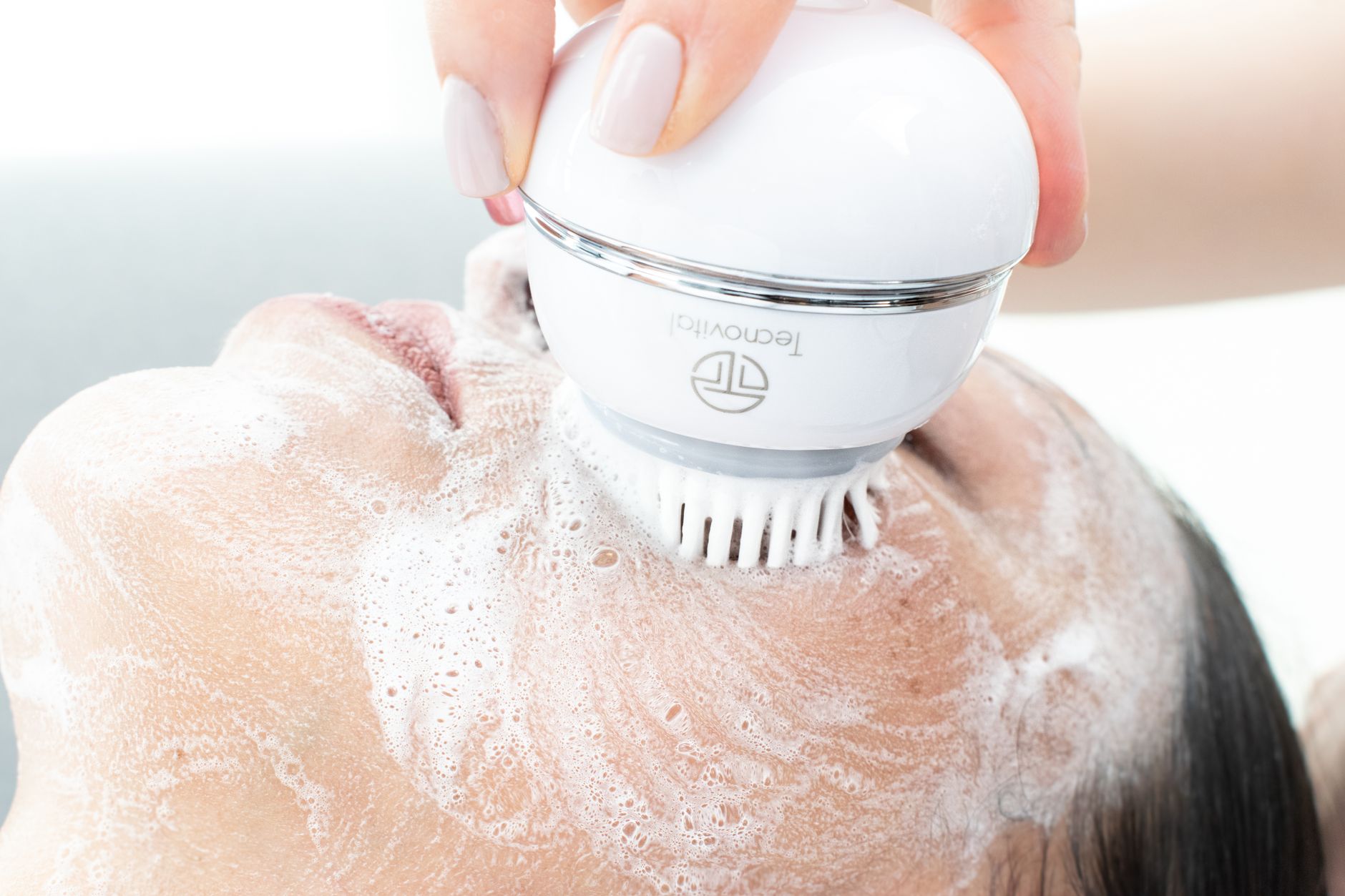
Use a fan brush to apply thin, even layers, avoiding the eye area and starting with 2-3 minutes for your first treatment.
Watch for mild tingling and remove immediately with cool water or provided neutralizer when time expires.
Never leave a peel on longer than recommended, even if you don't feel stinging. For example, glycolic acid peels continue working after application, so precise timing protects your skin barrier. Pat your face dry gently and apply a soothing moisturizer to complete the process safely.
Post-Peel Care and Recovery

Proper aftercare prevents complications and maximizes your chemical peel results. Your skin will be more sensitive for several days, requiring gentle treatment to avoid permanent damage or scarring.
Use lukewarm water and a mild, fragrance-free cleanser twice daily.
Apply a thick, healing moisturizer containing ceramides or hyaluronic acid every few hours.
Wear SPF 30+ sunscreen daily and avoid direct sunlight for one week minimum.
Avoid retinoids, glycolic acid, salicylic acid, and scrubs for at least one week. Skip makeup for 24-48 hours to prevent irritation. Never pick at peeling skin, as this increases infection risk and can cause permanent scarring.
Common Mistakes and Safety Warnings
Many people make dangerous errors with chemical peels that can lead to permanent scarring. The biggest mistake is over-application—using peels too frequently or leaving them on longer than directed. This creates severe burns and lasting damage to your skin barrier.
Watch for these warning signs: excessive redness lasting more than 48 hours, white or gray patches, severe swelling, or pus-filled bumps. For example, if your skin looks like a severe sunburn three days after treatment, stop immediately.
Consult a dermatologist if you experience persistent pain, unusual discoloration, or signs of infection. Professional guidance prevents complications and ensures safe treatment progression for your skin type.
Stop treatment immediately if you notice severe reactions and always follow product instructions exactly to prevent permanent skin damage.
Frequently Asked Questions
What are chemical peels and how do they work?
Chemical peels are skincare treatments that use acids to remove dead skin cells and reveal fresher skin underneath. They work by dissolving the bonds between old skin cells, allowing them to shed naturally without aggressive scrubbing that could cause irritation or scarring.
How often should I do chemical peels for safe results?
Weekly frequency is ideal for beginners because it gives your skin time to recover between treatments while maintaining consistent progress. This schedule prevents over-exfoliation that can lead to redness, peeling, or sensitivity, making it a safe way to achieve clearer skin gradually.
What concentration of acid should I use for weekly chemical peels?
For weekly use, stick to glycolic acid at 5-10%, lactic acid at 5-15%, or salicylic acid at 0.5-2%. Higher concentrations require professional supervision and longer recovery times between treatments.
Which type of chemical peel is best for my skin type?
Glycolic acid works best for anti-aging and surface texture, while lactic acid suits sensitive skin types with its gentler action. Salicylic acid targets acne-prone skin by penetrating oil-filled pores effectively, and normal skin can typically handle glycolic acid well.
How long should I leave a chemical peel on my face?
Start with 2-3 minutes for your first treatment and never leave a peel on longer than recommended, even if you don't feel stinging. Use a fan brush to apply thin, even layers and remove immediately with cool water or provided neutralizer when time expires.
Disclaimer: This content is for informational purposes only and does not constitute medical advice. Always consult a qualified healthcare provider before making health decisions.