Why a Structured Weekly Exfoliation Schedule Matters

Your skin naturally sheds dead cells every 28-30 days through a process called cell turnover. When you exfoliate randomly or too frequently, you disrupt this natural rhythm and can cause more harm than good. A structured weekly schedule works with your skin's biology rather than against it.
“Over-exfoliation causes more skin damage in eager beginners than under-exfoliation ever will.”
Over-exfoliation leads to inflammation, increased sensitivity, and paradoxically more breakouts. When you scrub away healthy skin cells too often, your skin produces excess oil to compensate, creating the exact problem you're trying to solve. This aggressive approach can also cause micro-tears that leave permanent marks—addressing a common fear about scarring from improper skincare.
Consistent scheduling prevents these issues while maximizing benefits. Following a planned routine helps you track what works and avoid overdoing treatments. For example, using a gentle chemical exfoliant like salicylic acid twice weekly on specific days prevents the temptation to add extra sessions when you see a new breakout.
A structured approach also builds sustainable habits. Instead of sporadic intense treatments that irritate your skin, regular gentle exfoliation gradually improves texture and prevents pore blockages. This methodical strategy delivers clearer skin without the setbacks that come from enthusiastic but misguided daily scrubbing sessions that many beginners attempt.
Understanding Your Skin Type for Exfoliation
Knowing your skin type prevents the scarring and irritation that comes from over-exfoliating. Each skin type responds differently to exfoliation, and the wrong approach can worsen existing problems or create new ones.
"Understanding your skin type is the foundation of safe, effective exfoliation that transforms your complexion without damage."
Oily skin produces excess sebum, especially in the T-zone, and appears shiny within hours of cleansing. This skin type handles more frequent exfoliation—up to 3-4 times weekly—because the thicker oil layer provides natural protection. Look for enlarged pores and frequent blackheads as additional indicators.
Dry skin feels tight after cleansing and rarely develops shine throughout the day. This skin type requires gentler, less frequent exfoliation—maximum twice weekly—to avoid compromising the already-fragile moisture barrier. Focus on hydrating exfoliants rather than aggressive scrubs.
Sensitive skin reacts to new products with redness, stinging, or burning. Start with once-weekly exfoliation using the mildest formulas possible. Patch test everything first and watch for delayed reactions that can appear 24-48 hours later.
Combination skin shows different characteristics across facial zones. Your T-zone might be oily while cheeks remain dry. Treat each area according to its specific needs—exfoliate oily zones more frequently than dry areas. Many people have this skin type but treat their entire face uniformly, leading to problems.
When unsure, start conservatively with once-weekly exfoliation and observe how your skin responds over two weeks before adjusting frequency.
Chemical vs Physical Exfoliation in Your Weekly Routine

Understanding the two main types of exfoliation helps you build a routine that clears skin without causing irritation or damage. Chemical exfoliants dissolve dead skin cells using acids, while physical exfoliants manually remove them through scrubbing action.
Chemical exfoliants work through two main categories: Alpha Hydroxy Acids (AHAs) and Beta Hydroxy Acids (BHAs). AHAs like glycolic and lactic acid excel at surface exfoliation, smoothing texture and brightening dull skin. BHAs, primarily salicylic acid, penetrate deeper into pores to clear blackheads and prevent breakouts. These chemical options reduce the risk of over-scrubbing that can lead to micro-tears and permanent scarring.
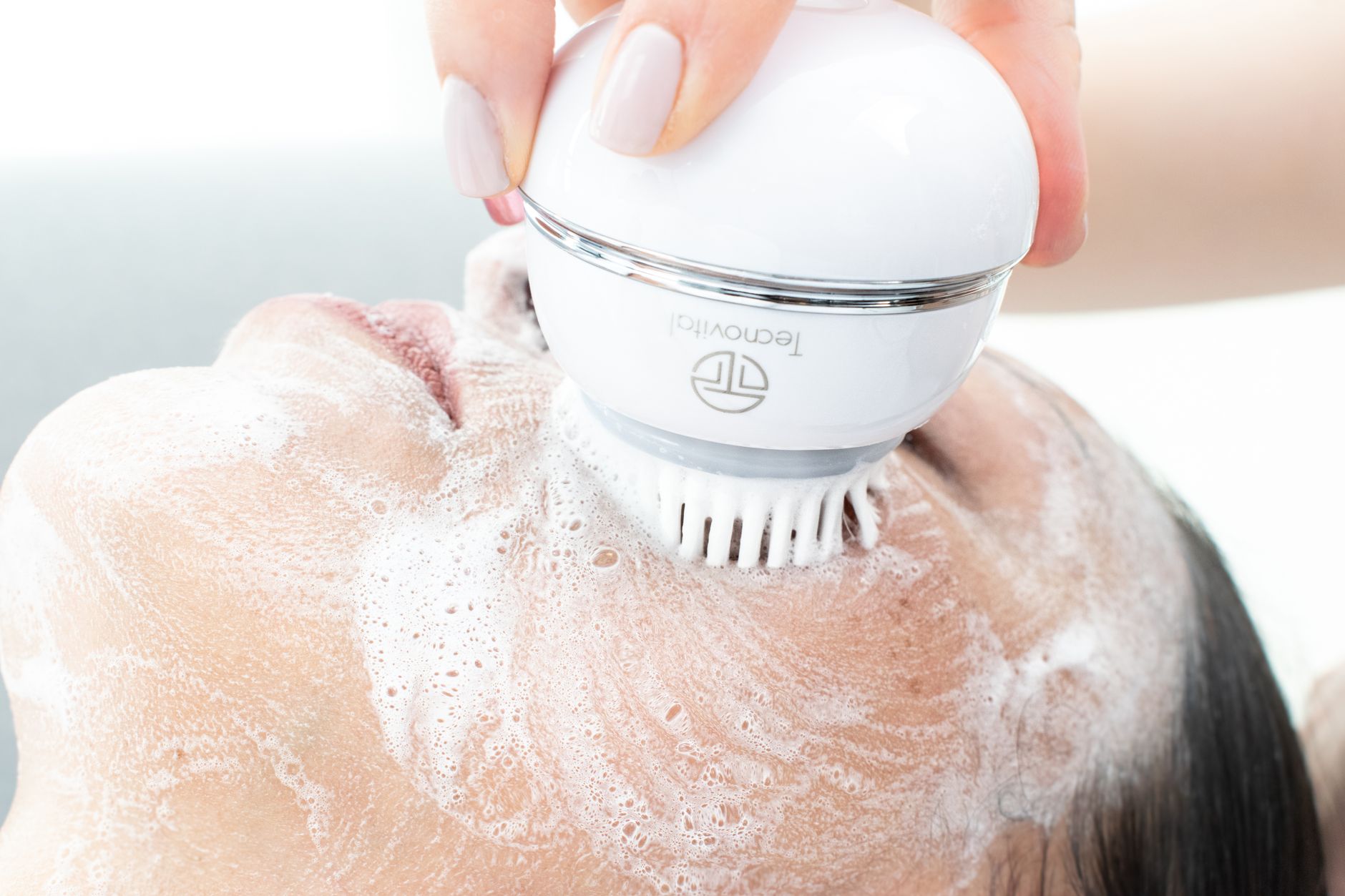
Physical exfoliants include scrubs with jojoba beads, rice powder, or gentle brushes. These work best for removing flaky skin and preparing your face for better product absorption. Choose fine, round particles over harsh, jagged scrubs that can create microscopic wounds.
Timing matters significantly for both types. Use chemical exfoliants in the evening since they increase sun sensitivity. Start with once weekly application and gradually increase frequency based on your skin's tolerance. Physical exfoliation works well 2-3 times per week, preferably on nights when you skip chemical treatments.
You can safely combine both methods by alternating days or using them on different areas of your face. For example, use a BHA toner on your T-zone twice weekly and a gentle scrub on your cheeks once weekly. This strategic approach targets multiple concerns while preventing over-exfoliation that delays your journey to clear skin.
Weekly Exfoliation Schedule by Skin Type
Your skin type determines how often you should exfoliate each week. Following the wrong schedule can worsen breakouts or cause irritation that takes weeks to heal. Here are proven schedules based on dermatological guidelines for each skin type.
Oily skin produces excess sebum that clogs pores quickly, requiring more frequent exfoliation. Schedule exfoliation 3-4 times weekly on Monday, Wednesday, Friday, and optionally Sunday. Use a BHA like salicylic acid on weekdays and a gentle physical scrub once weekly. Your skin can handle this frequency because oil provides natural protection against over-exfoliation.
Normal skin maintains balanced oil production and tolerates moderate exfoliation. Aim for 2-3 times weekly on Tuesday, Thursday, and Saturday. Alternate between AHA and BHA products, or combine them if your skin shows no irritation. This schedule prevents buildup without disrupting your skin's natural barrier.
Dry skin lacks sufficient oil production and needs gentle treatment. Limit exfoliation to 1-2 times weekly, preferably Wednesday and Saturday evenings. Focus on AHA products like glycolic or lactic acid, which hydrate while removing dead cells. Avoid physical scrubs completely, as they can create micro-tears that lead to increased dryness and potential scarring.
Sensitive skin reacts easily to active ingredients and friction. Start with once weekly exfoliation, typically on Saturday night when you have recovery time. Use the gentlest AHA concentration available, around 5% glycolic acid or 10% lactic acid. Monitor your skin's response for two weeks before considering frequency increases.
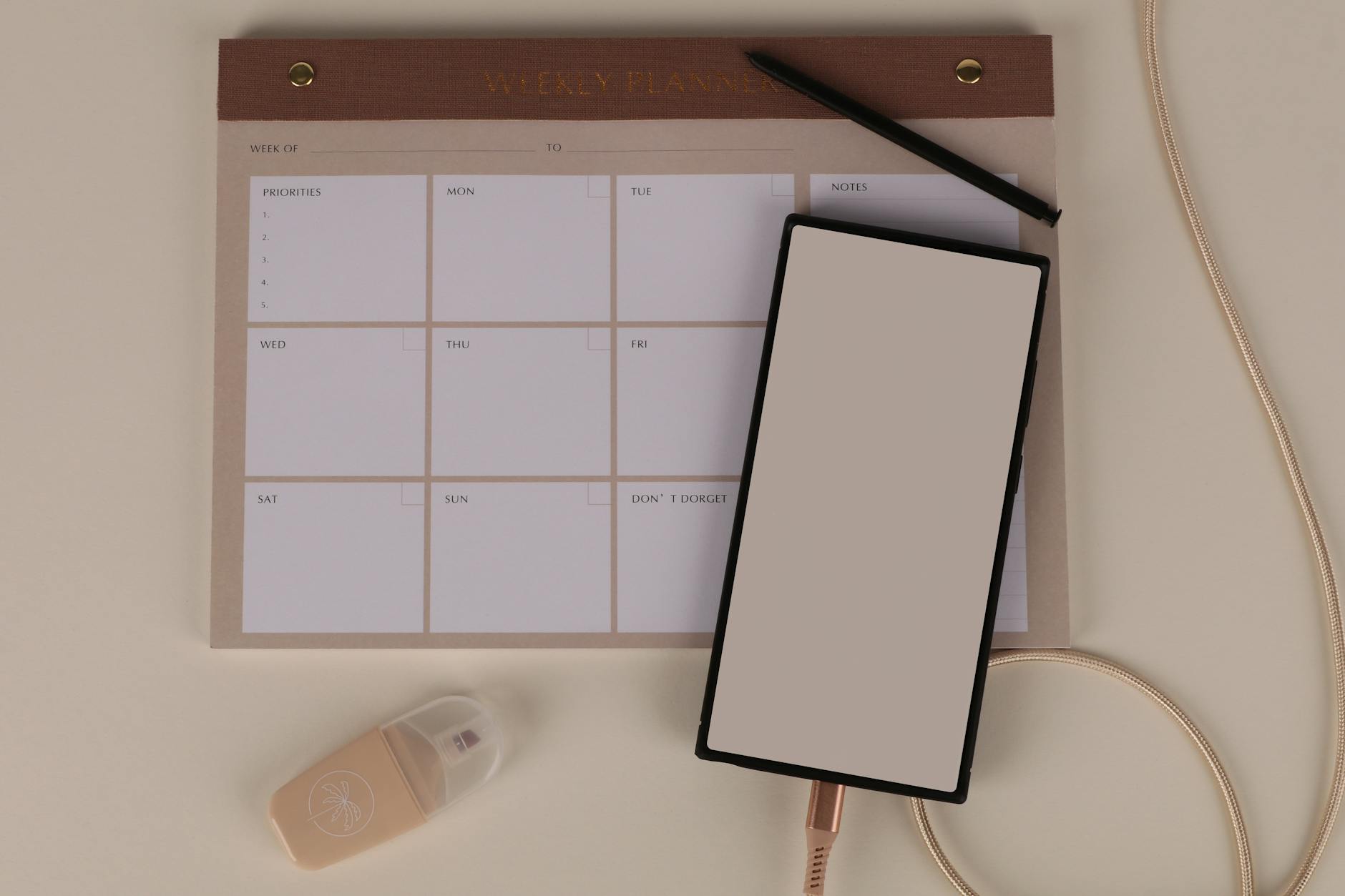
Example weekly schedule for oily skin: Monday (salicylic acid serum), Wednesday (glycolic acid toner), Friday (salicylic acid serum), Sunday (gentle enzyme scrub). Always follow exfoliation with moisturizer and never exfoliate consecutive nights during your first month.
Best Days and Times to Exfoliate
Timing your exfoliation sessions correctly prevents irritation and maximizes skin benefits. Evening exfoliation works better than morning because your skin repairs itself overnight, and you avoid sun exposure when your freshly exfoliated skin is most vulnerable. The evening routine also gives you time to apply moisturizer and let your skin recover before facing environmental stressors.
Space exfoliation sessions at least 48 hours apart to prevent over-irritation and potential scarring. For example, if you exfoliate Monday evening, wait until Wednesday evening for your next session. This gap allows your skin barrier to restore itself completely between treatments.
Plan your strongest exfoliation session earlier in the week, giving your skin time to heal before weekend social events. Tuesday or Wednesday evenings work perfectly for this approach. Your skin will look fresh and smooth by Friday without appearing red or irritated.
Recovery time varies by skin sensitivity and exfoliation intensity. Gentle chemical exfoliants need 24 hours between uses, while physical scrubs require 48-72 hours. Start your weekly routine on the same day each week to establish consistency and track how your skin responds to regular exfoliation timing.
Common Exfoliation Mistakes to Avoid

Making exfoliation errors can worsen your skin problems and potentially cause permanent damage. Understanding these common mistakes helps protect your skin barrier while achieving clearer results.
Over-exfoliation represents the biggest danger. Signs include persistent redness, stinging when applying products, increased breakouts, and flaky patches that won't heal. Your skin shouldn't feel raw or look irritated after exfoliating. If you notice these symptoms, stop exfoliating immediately and let your skin recover for one week.
Product combinations create another frequent problem. Never mix retinoids with chemical exfoliants like glycolic acid, as this combination can burn your skin. Avoid using vitamin C serums immediately after exfoliating, since freshly exfoliated skin absorbs products more intensely. Space these products apart by at least 12 hours.
Ignoring your skin's reactions leads to worsened conditions. If your skin feels tight, burns, or develops new breakouts after exfoliating, reduce frequency immediately. Some people can only handle exfoliation once weekly, especially those with sensitive or compromised skin barriers.
Seasonal adjustments prevent unnecessary irritation. Winter air strips moisture from skin, making it more sensitive to exfoliation. Reduce frequency during cold months and increase moisturizing afterward. Summer humidity might allow more frequent exfoliation, but always start conservatively and adjust based on your skin's response.
Adjusting Your Schedule: When and How
Your skin's needs change throughout the year and as you age, so your exfoliation routine should adapt accordingly. Winter's dry air requires gentler, less frequent exfoliation to prevent irritation and flaking. Summer's increased oil production and sun exposure may allow for slightly more frequent sessions, but always prioritize sun protection over aggressive exfoliation.
Age brings different challenges. Teenagers battling acne may benefit from consistent twice-weekly exfoliation, while mature skin often needs gentler products applied less frequently. Your skin produces less oil as you age, making over-exfoliation more likely to cause lasting damage—a concern for anyone worried about permanent scarring.
Certain medications significantly impact your exfoliation schedule. Retinoids, antibiotics, and acne treatments make skin more sensitive and vulnerable. If you start new medications, reduce exfoliation frequency by half and monitor your skin's response carefully.
Check for increased sensitivity, dryness, or irritation patterns.
Increase or decrease frequency by one session per week, then evaluate.
For example, if your skin becomes red and tight after winter weather arrives, switch from twice-weekly to once-weekly exfoliation until spring returns.
Successful exfoliation requires constant adjustment based on seasonal changes, life stage, and medication use—flexibility prevents damage while maintaining results.
Frequently Asked Questions
How often should I exfoliate my skin per week?
The frequency depends on your skin type. Oily skin can handle 3-4 times weekly, dry skin should be limited to maximum twice weekly, and sensitive skin should start with once weekly. Combination skin requires treating different areas according to their specific needs, with oily zones getting more frequent exfoliation than dry areas.
What happens if I over-exfoliate my skin?
Over-exfoliation leads to inflammation, increased sensitivity, and paradoxically more breakouts. When you scrub away healthy skin cells too often, your skin produces excess oil to compensate, creating the exact problem you're trying to solve. This aggressive approach can also cause micro-tears that leave permanent marks.
How do I know what skin type I have for exfoliation?
Oily skin produces excess sebum and appears shiny within hours of cleansing, while dry skin feels tight after cleansing and rarely develops shine. Sensitive skin reacts to new products with redness, stinging, or burning. Combination skin shows different characteristics across facial zones, with the T-zone often being oily while cheeks remain dry.
Why is a structured exfoliation schedule better than random exfoliation?
Your skin naturally sheds dead cells every 28-30 days through cell turnover, and random exfoliation disrupts this natural rhythm. A structured weekly schedule works with your skin's biology rather than against it, preventing over-exfoliation while maximizing benefits. Consistent scheduling helps you track what works and builds sustainable habits that gradually improve skin texture without setbacks.
How should I start exfoliating if I have sensitive skin?
Start with once-weekly exfoliation using the mildest formulas possible if you have sensitive skin. Patch test everything first and watch for delayed reactions that can appear 24-48 hours later. When unsure about your skin type, start conservatively with once-weekly exfoliation and observe how your skin responds over two weeks before adjusting frequency.
Disclaimer: This content is for informational purposes only and does not constitute medical advice. Always consult a qualified healthcare provider before making health decisions.