Why Provider Qualifications Matter for Botox Safety

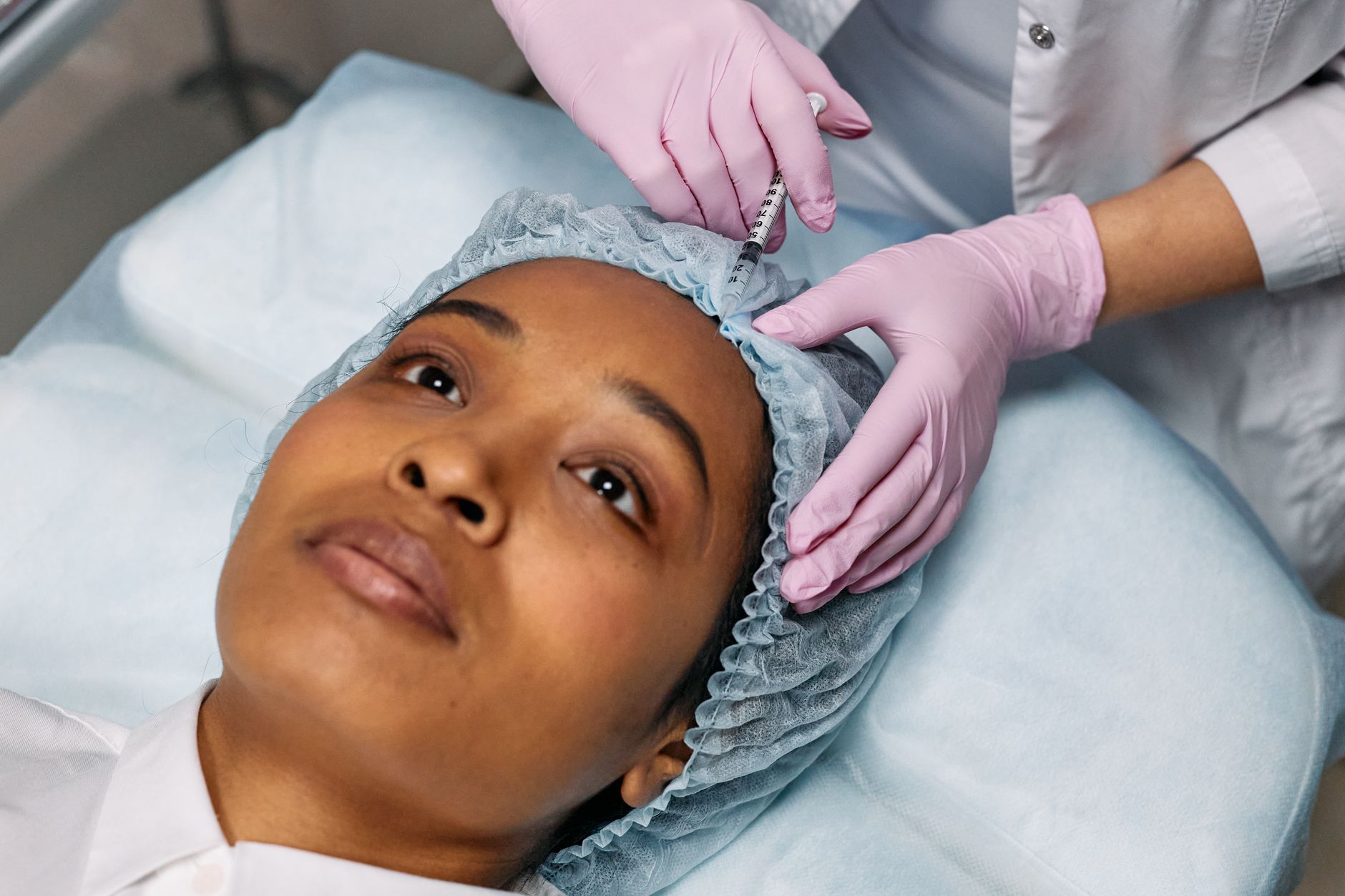
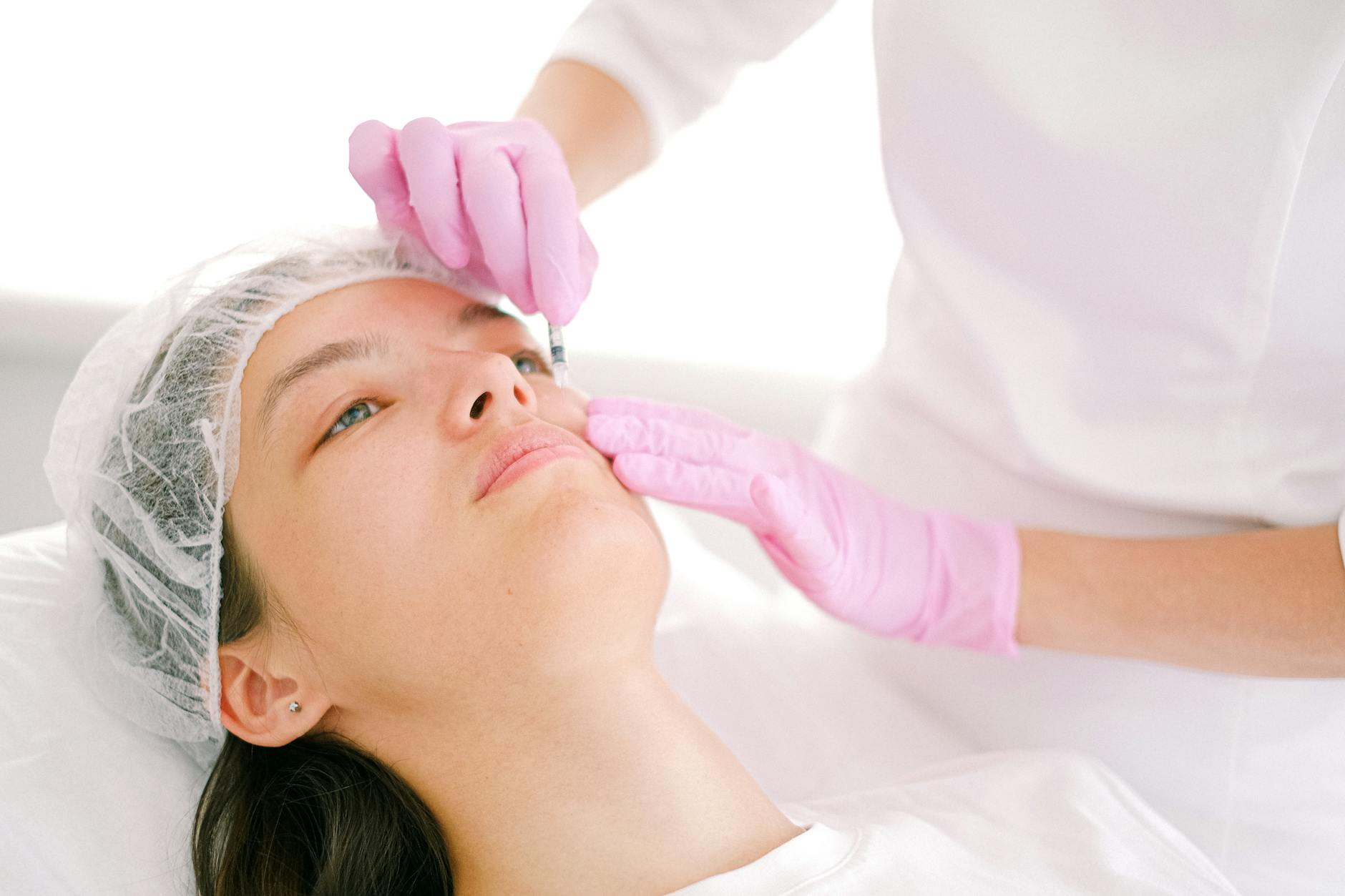
Choosing the right Botox provider isn't just about getting good results—it's about protecting yourself from serious complications that could leave permanent marks on your face. The FDA strictly regulates who can administer Botox injections, requiring providers to be licensed medical professionals with proper training in facial anatomy and injection techniques.
“A single injection from an unqualified provider can cause nerve damage, muscle weakness, or asymmetrical results that take months to resolve.”
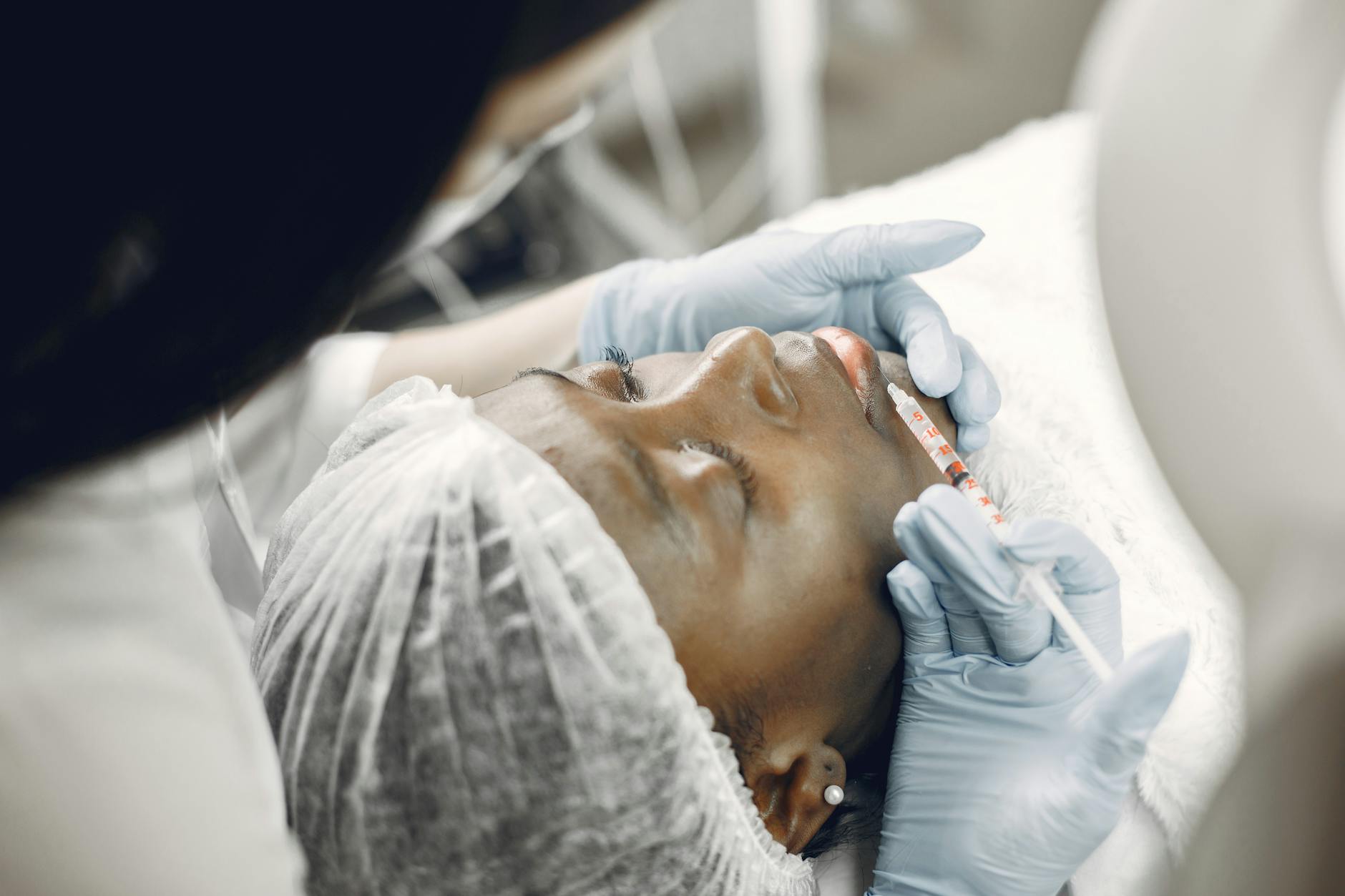
Unqualified injectors pose real dangers to your skin and overall health. These practitioners often lack understanding of facial muscle structure, proper injection depths, and sterile techniques. When things go wrong, you might face drooping eyelids, uneven eyebrows, or infections that create the very scarring and social embarrassment you're trying to avoid.
Each state defines the legal scope of practice differently. Dermatologists, plastic surgeons, and some nurse practitioners can legally perform Botox injections, while aestheticians and unlicensed practitioners cannot. For example, in California, only licensed physicians or registered nurses under physician supervision can inject Botox, but some med spas operate outside these boundaries.
Understanding these regulations helps you identify legitimate providers and avoid potentially dangerous situations that compromise both your safety and your skin goals.
Medical Credentials to Look For
Only specific medical professionals have the training and legal authority to perform Botox injections safely. Understanding who can legally administer these treatments protects you from potential complications that could lead to permanent scarring or unwanted results.
Board-certified dermatologists represent the gold standard for Botox treatments. These doctors complete four years of medical school, followed by a four-year dermatology residency focusing exclusively on skin, hair, and nail conditions. Their extensive training in facial anatomy and injection techniques makes them ideal candidates for cosmetic procedures.
“Board certification ensures your provider has met rigorous standards and maintains current knowledge through continuing education.”
Board-certified plastic surgeons also qualify as excellent Botox providers. These specialists undergo five to seven years of surgical training after medical school, with significant focus on facial structures and aesthetic procedures. Their surgical background provides deep understanding of facial muscles and potential complications.
Some nurse practitioners and physician assistants can perform Botox under proper medical supervision, but they must work within established protocols and have appropriate training. Always verify that these providers operate under direct physician oversight.
You can verify any provider's credentials through your state medical board's website or the American Board of Medical Specialties database. Simply search the doctor's name to confirm their board certification status and check for any disciplinary actions.
For example, Dr. Sarah Johnson in California can be verified through the Medical Board of California's online license lookup tool, which shows her board certification in dermatology and current license status.
Experience and Training Indicators

When evaluating a Botox provider, experience matters more than flashy marketing. Look for practitioners who have performed thousands of injections rather than someone who just completed their certification last month. A provider with five or more years of dedicated cosmetic injection experience typically demonstrates the steady hand and eye for detail needed to avoid complications that could lead to scarring or asymmetrical results.
Ask potential providers about their injection volume. Practitioners who perform 50+ Botox treatments monthly maintain their skills and stay current with techniques. This frequency indicates they're not dabbling in cosmetic procedures as a side service.
Continuing education reveals commitment to excellence. Look for providers who attend annual conferences, complete advanced training courses, or hold certifications from organizations like the American Society for Dermatologic Surgery. These professionals invest in staying updated on the latest injection techniques and safety protocols.
Request to see before-and-after portfolios of actual patients. Quality providers maintain extensive photo galleries showing natural-looking results across different age groups and skin types. For example, a skilled injector's portfolio will show subtle brow lifts and smooth foreheads without the frozen appearance that creates social embarrassment.
Questions to Ask During Consultation
Your consultation conversation determines whether you've found the right provider. Smart questions reveal red flags before treatment begins and help prevent the complications that cause permanent scarring or social embarrassment.
Start with training background questions. Ask "What specific Botox training have you completed?" and "How many Botox procedures do you perform monthly?" A qualified provider should mention board certification, specialized neurotoxin training, and perform hundreds of treatments annually. If they seem hesitant or vague about their credentials, consider this a warning sign.
Address complication handling directly by asking "What complications have you encountered with Botox, and how did you manage them?" Experienced providers will discuss potential issues like asymmetry, drooping eyelids, or bruising without defensiveness. They should also explain their emergency protocols and correction procedures.
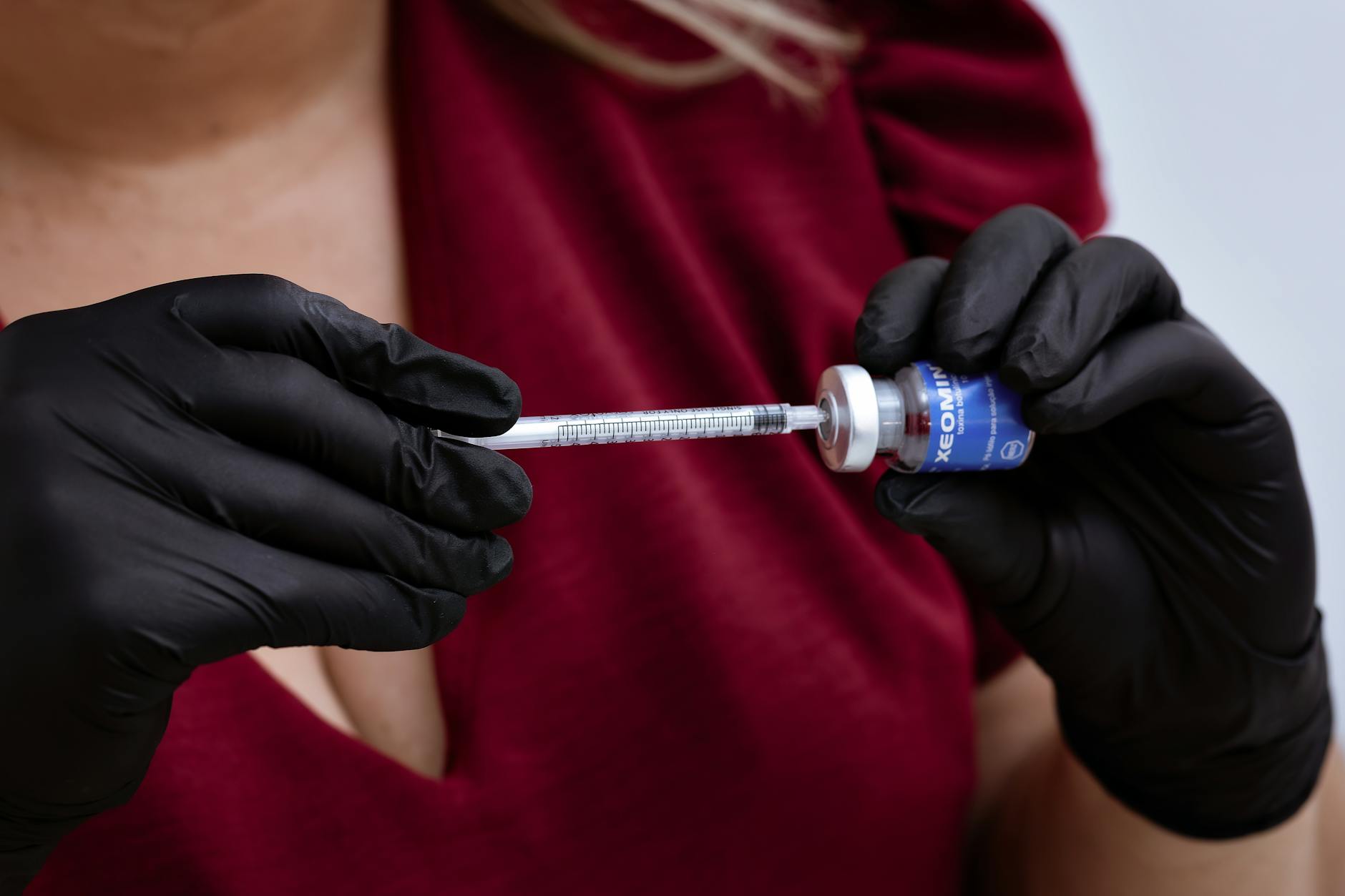
Product authenticity matters significantly for safety and results. Ask "Do you use FDA-approved Botox, and can I see the vial?" Legitimate providers use genuine Allergan Botox and will gladly show you unopened vials with proper labeling. Avoid anyone offering suspiciously discounted treatments or who refuses to show product packaging.
Evaluate their treatment approach by asking "How do you determine the right dosage for my specific needs?" and "What results should I expect, and when?" Quality providers customize treatments based on your facial anatomy, muscle strength, and aesthetic goals. They should provide realistic timelines—typically 3-5 days for initial effects and 10-14 days for full results.
Finally, ask about follow-up care: "What support do you provide if I'm unhappy with results?" Reputable providers offer adjustment appointments and clear revision policies, demonstrating confidence in their work and commitment to your satisfaction.
Red Flags That Signal Unqualified Providers
Spotting dangerous providers early protects you from permanent scarring and botched results that could leave you feeling embarrassed and regretful. These warning signs should send you running to find a different practitioner.
Unlicensed facilities represent the biggest danger. Always verify your provider holds active medical licenses and board certifications. Legitimate practitioners display their credentials proudly and provide license numbers when asked. Medical spas operating without physician oversight or using unlicensed staff to inject Botox violate safety regulations and put your health at risk.
Unrealistic promises about results should raise immediate concerns. No qualified provider guarantees specific outcomes or claims Botox will eliminate every wrinkle completely. Honest practitioners explain realistic expectations, discuss potential side effects, and acknowledge that individual results vary based on skin type, age, and muscle strength.
High-pressure sales tactics indicate questionable business practices. Reputable providers never rush you into same-day treatments or create artificial urgency with limited-time discounts. They encourage you to take time considering your decision and welcome second opinions.
Unusually low prices often signal diluted products, expired medications, or inexperienced injectors cutting corners. Quality Botox treatments require significant overhead costs for genuine products, proper storage, and trained staff. Prices significantly below market rates typically mean compromised safety or effectiveness.
Evaluating the Treatment Environment

The treatment environment reveals everything about your provider's professionalism and commitment to safety. Walk into the clinic with a critical eye—your skin's health depends on it.
A legitimate medical practice operates from a proper medical office, not a spa, salon, or someone's home. Look for medical-grade equipment, sterile surfaces, and proper lighting. The facility should maintain the same standards you'd expect from any doctor's office, whether they're performing Botox injections or Chemical Peels.
Observe safety protocols during your consultation. Staff should wash hands between patients, use fresh gloves, and properly dispose of needles. Emergency equipment must be readily available—ask about their protocols for allergic reactions or complications.
Staff qualifications matter beyond the injector. Nurses and assistants should have proper medical training and current certifications. They're your first line of support if something goes wrong.
Trust your instincts about cleanliness and organization. A chaotic, unclean environment increases infection risk and suggests poor attention to detail—qualities that directly impact your treatment outcome and safety.
Making Your Final Provider Decision
Choosing the right Botox provider requires weighing multiple factors against your priorities. Start by ranking your top three candidates based on credentials, experience with your specific concerns, and communication style. Consider each provider's approach to conservative treatment—starting with smaller doses allows room for adjustment without risking overdone results that could lead to an unnatural appearance.
Trust your instincts during consultations. A provider who rushes through explanations or pressures you into immediate treatment should raise red flags. The right practitioner will welcome questions, explain realistic outcomes, and never make you feel embarrassed about your skin concerns.
List credentials, experience, and consultation quality for each provider.
Consult another qualified provider if you feel uncertain about recommendations.
Choose the provider who suggests starting with minimal treatment and building gradually.
Don't hesitate to seek a second opinion if treatment recommendations vary significantly between providers. This step can provide valuable perspective and confirm you're making an informed choice. Remember, the cheapest option rarely delivers the safest or most effective results.
Choose a board-certified provider who prioritizes conservative treatment and makes you feel comfortable asking questions.
Frequently Asked Questions
Who is legally allowed to perform Botox injections?
The FDA strictly regulates Botox administration, requiring providers to be licensed medical professionals with proper training in facial anatomy and injection techniques. Board-certified dermatologists and plastic surgeons represent the gold standard for Botox treatments. Some nurse practitioners and physician assistants can also perform Botox injections, but they must work under direct physician supervision and within established protocols.
What qualifications should I look for in a Botox provider?
Look for board-certified dermatologists who have completed four years of medical school and a four-year dermatology residency, or board-certified plastic surgeons with five to seven years of surgical training. These specialists have extensive training in facial anatomy and injection techniques. You can verify any provider's credentials through your state medical board's website or the American Board of Medical Specialties database.
What are the risks of getting Botox from an unqualified provider?
Unqualified injectors can cause serious complications including nerve damage, muscle weakness, or asymmetrical results that take months to resolve. These practitioners often lack understanding of facial muscle structure, proper injection depths, and sterile techniques. When things go wrong, you might face drooping eyelids, uneven eyebrows, or infections that create scarring and social embarrassment.
How much experience should my Botox provider have?
Look for practitioners who have performed thousands of injections rather than someone who just completed their certification recently. A provider with five or more years of dedicated cosmetic injection experience typically demonstrates the steady hand and eye for detail needed to avoid complications. Experience matters more than flashy marketing when evaluating potential Botox providers.
How can I verify my Botox provider's credentials?
You can verify any provider's credentials through your state medical board's website or the American Board of Medical Specialties database. Simply search the doctor's name to confirm their board certification status and check for any disciplinary actions. This verification process helps you identify legitimate providers and avoid potentially dangerous situations.
Disclaimer: This content is for informational purposes only and does not constitute medical advice. Always consult a qualified healthcare provider before making health decisions.