What Is Botox and How Does It Target Wrinkles

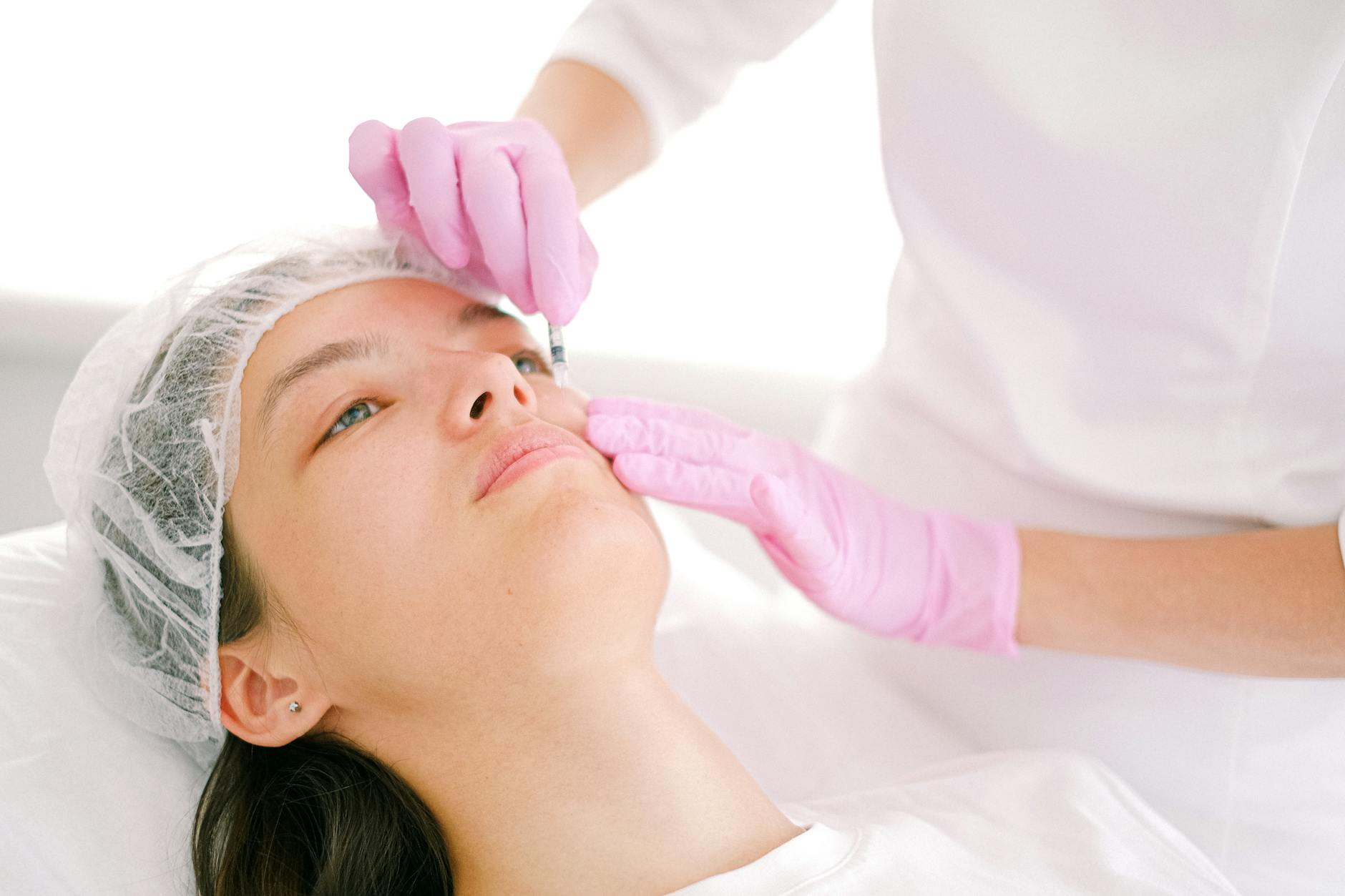
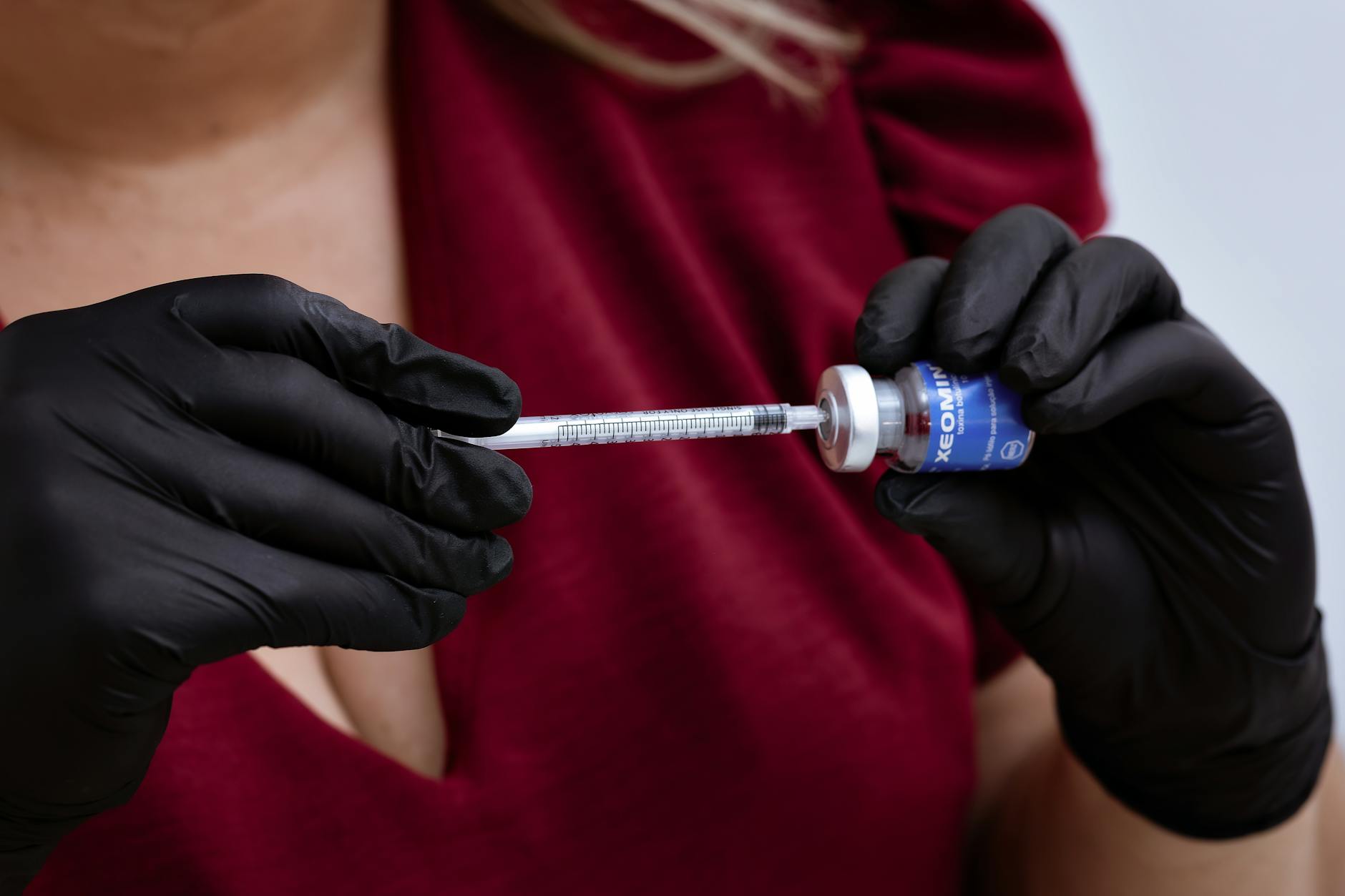
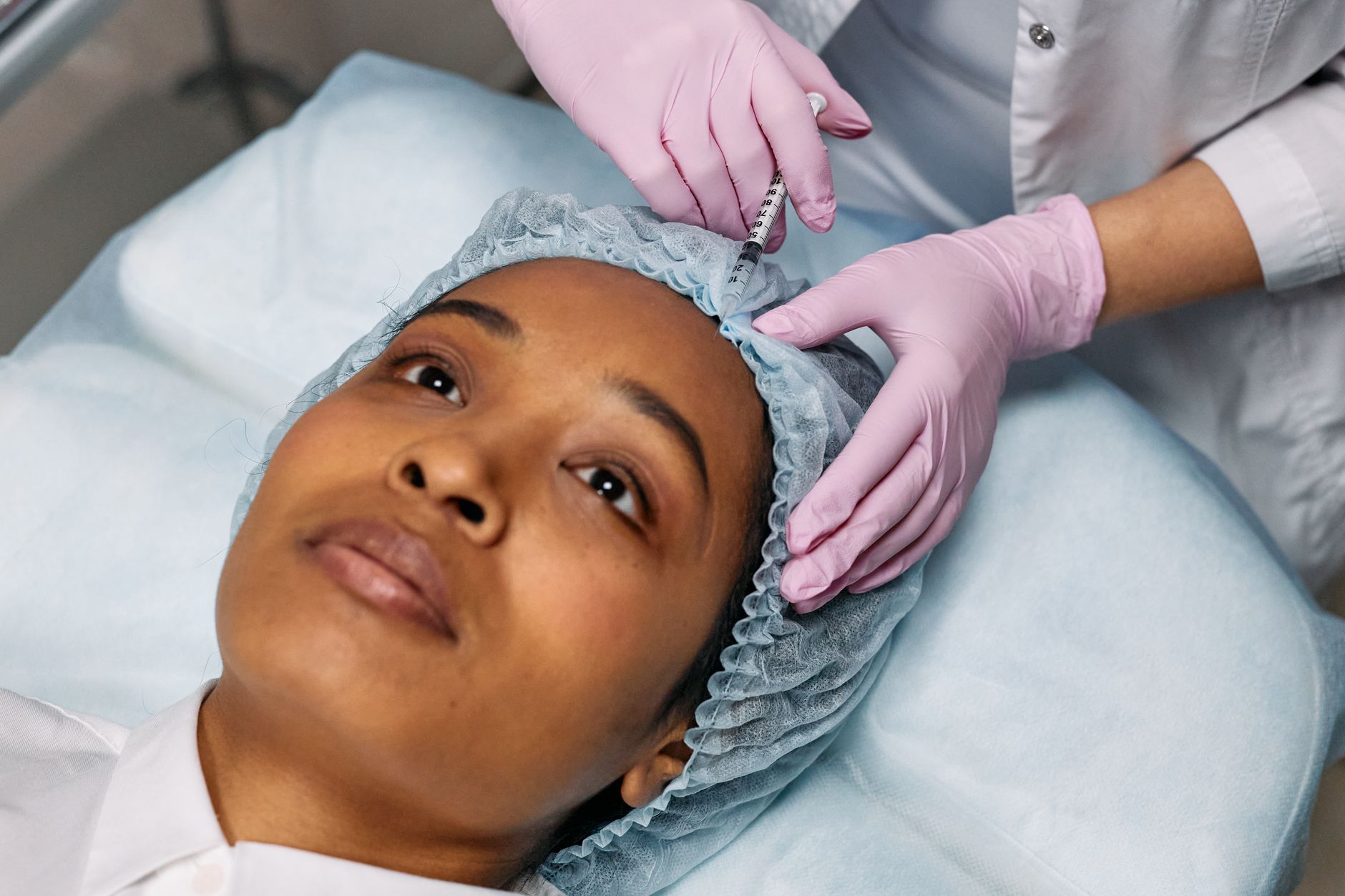
Botox is a purified form of botulinum toxin type A, a naturally occurring protein that temporarily blocks nerve signals to muscles. When injected into specific facial muscles, this FDA-approved treatment prevents the muscle contractions that create dynamic wrinkles.
Dynamic wrinkles form when facial muscles repeatedly contract during expressions like smiling, frowning, or squinting. Over time, these muscle movements create creases in the overlying skin. Common examples include crow's feet around the eyes, forehead lines, and frown lines between the eyebrows.
“Botox specifically targets expression lines by temporarily relaxing the muscles responsible for creating them.”
Unlike static wrinkles caused by sun damage or aging, dynamic wrinkles respond exceptionally well to Botox treatment. The neurotoxin works by blocking acetylcholine, a chemical messenger that tells muscles to contract. When these signals are interrupted, the treated muscles relax, allowing the skin above to smooth out.
This targeted approach means Botox only affects the injected area, leaving surrounding muscles functioning normally. The treatment is temporary and reversible, addressing concerns about permanent changes to facial appearance while effectively reducing wrinkle formation.
The Science: How Botox Blocks Nerve Signals

Understanding how Botox works requires looking at the communication system between your nerves and muscles. When you smile, frown, or raise your eyebrows, your brain sends electrical signals down nerve pathways to specific facial muscles. These signals travel through specialized connections called neuromuscular junctions, where nerves meet muscle fibers.
At these junctions, nerve endings release a chemical messenger called acetylcholine. Think of acetylcholine as a key that unlocks muscle contraction. When this neurotransmitter binds to receptors on muscle cells, it triggers the muscle to contract, creating facial expressions and, over time, wrinkles from repeated movement.
“Botox works by precisely interrupting the nerve-muscle conversation without causing permanent damage to either structure.”
Botox contains botulinum toxin, which targets specific proteins called SNARE proteins inside nerve endings. These proteins normally help release acetylcholine. The toxin cleaves or cuts these SNARE proteins, preventing the nerve from releasing its chemical messenger. Without acetylcholine, the muscle cannot receive the signal to contract.
This creates temporary muscle relaxation, not permanent paralysis. The nerve endings gradually regenerate new SNARE proteins over three to six months, which explains why Botox effects are reversible. During this relaxation period, existing wrinkles smooth out while new ones cannot form from repetitive muscle movements.
Muscle Relaxation and Wrinkle Reduction Process
Once Botox blocks nerve signals, your facial muscles begin a gradual relaxation process that unfolds over several days. The targeted muscles progressively lose their ability to contract with full strength, creating a controlled weakening effect that's both temporary and reversible. This isn't the permanent muscle damage that some patients fear—it's a precise, temporary interruption that allows your skin to recover.
As muscles stop their repetitive contractions, your skin begins smoothing naturally. Think of it like releasing a crumpled piece of paper—when the constant folding pressure disappears, the material gradually flattens. Dynamic wrinkles, which form from repeated muscle movements, become less pronounced as the underlying muscle activity decreases.
Existing wrinkles fade because your skin has time to repair itself without constant mechanical stress. Collagen fibers can reorganize, and the dermis recovers from years of repetitive folding. For example, crow's feet around your eyes will soften as the orbicularis oculi muscle relaxes, giving your skin the break it needs to smooth out naturally.
Timeline: When and How Results Appear
Botox results don't appear instantly after injection. The neurotoxin needs time to block nerve signals and allow muscles to gradually relax. Understanding this timeline helps set realistic expectations and prevents unnecessary worry about the treatment's effectiveness.
Most patients notice subtle changes between days three and seven after treatment. The forehead feels less tight when raising eyebrows, and expression lines begin softening. Peak results appear around two weeks when the muscle relaxation reaches maximum effect.
Results typically last three to four months before muscles gradually regain movement. Nerve endings regenerate over time, restoring the connection between nerves and muscles. The skin returns to its pre-treatment state without permanent changes or scarring, making Botox a reversible option for wrinkle reduction.
Scheduling follow-up appointments every three to four months maintains consistent results and prevents wrinkles from returning to their original depth.
Why Botox Works Better for Some Wrinkles Than Others

Not all wrinkles respond equally to Botox injections. Understanding the difference between dynamic and static wrinkles helps explain why some people see dramatic results while others may need alternative treatments.
Dynamic wrinkles form from repeated muscle contractions during facial expressions. These include crow's feet from squinting, frown lines between eyebrows, and forehead lines from raising eyebrows. Botox excels at treating dynamic wrinkles because it temporarily relaxes the underlying muscles that cause them.
Static wrinkles exist even when your face is completely relaxed. These deeper lines result from sun damage, genetics, and natural aging that breaks down collagen and elastin. Botox alone cannot fully address static wrinkles because the structural damage remains even when muscles relax.
The best Botox candidates have prominent dynamic wrinkles but minimal static lines. Younger patients typically see more dramatic improvements because their wrinkles are primarily muscle-related rather than structural.
For static wrinkles, Chemical Peels often prove more effective. These acid treatments remove damaged skin layers to improve texture and appearance through controlled chemical exfoliation. Chemical Peels address acne scars, fine lines, age spots, and sun damage that Botox cannot treat, offering improved skin texture and more even tone within 1-4 weeks.
Understanding Your Next Steps
Your journey toward smoother skin begins with a thorough consultation with a qualified dermatologist or plastic surgeon. This professional assessment determines whether your wrinkles respond well to Botox treatment and identifies the specific injection areas that will benefit you most.
During your consultation, your provider examines your facial muscles and wrinkle patterns. They evaluate how your skin moves when you smile, frown, or raise your eyebrows. This analysis helps create a personalized treatment plan targeting your specific concerns without affecting your natural expressions.
Meet with a board-certified provider to assess your skin and discuss treatment goals.
Learn which specific muscles and injection sites will address your concerns effectively.
Understand that results appear gradually over 3-14 days and last 3-4 months.
Setting realistic expectations protects you from disappointment and helps you make informed decisions. Botox works gradually, with full results visible within two weeks. Most patients need maintenance treatments every three to four months to maintain their results.
A professional consultation ensures safe, effective treatment tailored to your specific wrinkle patterns and aesthetic goals.
Frequently Asked Questions
What is Botox and how does it work?
Botox is a purified form of botulinum toxin type A that temporarily blocks nerve signals to muscles. When injected into specific facial muscles, it prevents muscle contractions that create dynamic wrinkles by blocking acetylcholine, a chemical messenger that tells muscles to contract. This targeted approach only affects the injected area while leaving surrounding muscles functioning normally.
How long does it take for Botox to work?
Botox begins working gradually over 3-7 days for initial effects, with full results visible at 14 days. The muscle relaxation process unfolds progressively as the targeted muscles lose their ability to contract with full strength. The effects are temporary and reversible, lasting approximately 3-6 months.
What types of wrinkles does Botox treat?
Botox specifically targets dynamic wrinkles that form from repeated facial muscle contractions during expressions like smiling, frowning, or squinting. Common examples include crow's feet around the eyes, forehead lines, and frown lines between the eyebrows. Unlike static wrinkles caused by sun damage or aging, dynamic wrinkles respond exceptionally well to Botox treatment.
Is Botox permanent and does it cause muscle damage?
No, Botox is not permanent and does not cause permanent muscle damage. The treatment creates temporary muscle relaxation by cutting SNARE proteins that help release acetylcholine, but nerve endings gradually regenerate these proteins over three to six months. This temporary interruption allows existing wrinkles to smooth out while preventing new ones from forming during the relaxation period.
Disclaimer: This content is for informational purposes only and does not constitute medical advice. Always consult a qualified healthcare provider before making health decisions.