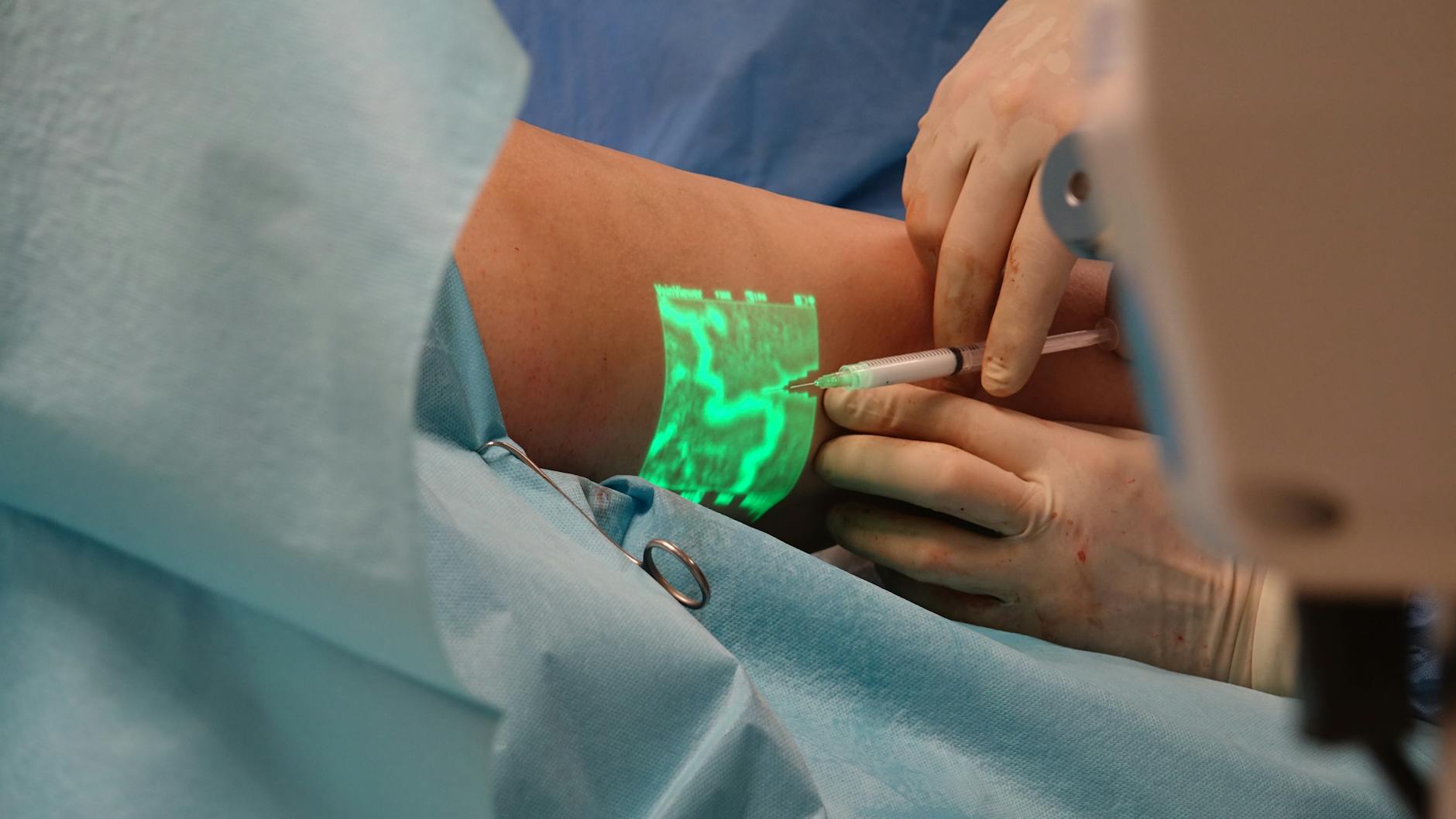
Understanding Your Skin Concerns

Before exploring injectable treatments, you need to accurately identify what's happening with your skin. Different injectables target specific problems, so understanding your concerns determines which treatments will actually work for you.
Start by examining your skin in natural light using a handheld mirror. Look for acne scars, which appear as indented or raised marks where breakouts once occurred. Fine lines typically show up around your eyes and mouth first. Volume loss creates hollow cheeks or temples. Hyperpigmentation appears as dark spots or patches, while active acne presents as inflamed bumps or cysts.
“Accurate self-assessment prevents choosing treatments that won't address your actual skin problems.”
Many people have multiple concerns simultaneously. For example, you might have both acne scars and active breakouts, or fine lines combined with dark spots. This complexity requires prioritizing which issue bothers you most or affects your confidence significantly.
Consider whether your concerns stem from aging or lifestyle factors. Sun damage and smoking create different problems than natural collagen loss. Hormonal acne differs from stress-related breakouts. Understanding these distinctions helps avoid treatments that address symptoms rather than root causes, reducing your risk of disappointing results or complications.
Types of Injectable Treatments Available

Injectable treatments fall into several distinct categories, each designed to address specific skin concerns through different mechanisms. Understanding these categories helps you make informed decisions about which approach might work best for your particular needs.
Neurotoxins represent the most well-known injectable category. These treatments temporarily relax facial muscles that create dynamic wrinkles—the lines that appear when you smile, frown, or squint. Botox, Dysport, and Xeomin are common examples that work by blocking nerve signals to targeted muscles, smoothing expression lines around the eyes, forehead, and between the brows.
"The key to successful injectable treatments lies in matching the right product to your specific concern."
Dermal fillers take a different approach by adding volume and structure to areas that have lost fullness over time. Hyaluronic acid fillers like Juvederm and Restylane plump lips, fill nasolabial folds, and restore cheek volume. These products integrate with your skin's natural moisture systems to create smooth, natural-looking results.
Specialized injectables target more specific issues. Sculptra stimulates collagen production for gradual skin thickening, while Kybella dissolves fat under the chin. Some treatments combine multiple approaches for comprehensive facial rejuvenation.
Beyond cosmetic applications, medical injectables treat conditions like excessive sweating and chronic migraines. These FDA-approved treatments demonstrate the versatility and safety profile of injectable therapies when administered by qualified professionals.
Matching Treatments to Your Goals
Understanding which injectable treatment matches your specific skin concerns prevents wasted time and money while reducing the risk of disappointment. Different treatments target different problems, and choosing the right one depends on whether you're addressing existing issues or preventing future damage.
For wrinkle reduction, the approach depends on the type of lines you see. Dynamic wrinkles that appear when you move your face respond best to neuromodulators like Botox. Static wrinkles that remain visible at rest require dermal fillers to plump the skin from underneath. Many patients need both treatments for comprehensive results.
Volume restoration focuses on replacing lost facial fat and bone structure. Hyaluronic acid fillers work well for cheeks, temples, and under-eye hollows. These treatments restore youthful contours without looking artificial when performed correctly.
For skin texture improvement, Chemical Peels remove damaged skin layers through controlled chemical exfoliation, addressing acne scars, fine lines, age spots, and uneven tone. The treatment involves cleansing skin, applying chemical solution evenly, and allowing controlled peeling over 1-4 weeks depending on depth.
Preventative treatments start earlier with lighter interventions, while corrective approaches address established aging signs with more intensive procedures.
Factors to Consider Before Treatment
Before scheduling any injectable treatment, you need to evaluate several practical factors that will affect your experience and results. Budget planning is crucial since most injectable treatments require ongoing maintenance every three to six months. Factor in both initial costs and long-term commitments when making your decision.
Consider your schedule when planning treatment. Most injectable procedures involve minimal downtime, but you may experience temporary redness, swelling, or bruising. Plan treatments around important events, avoiding injections within two weeks of weddings or major presentations.
Your medical history plays a vital role in treatment selection. Discuss any allergies, medications, or previous adverse reactions with your provider. Certain conditions like autoimmune disorders or blood clotting issues may affect your candidacy for specific treatments.
Set realistic expectations about timing. While some improvements appear within days, optimal results often take two to four weeks. Your provider should explain what to expect and when, helping you avoid disappointment and ensuring you understand the gradual nature of most improvements.
Working with Your Provider

Your dermatologist becomes your partner in achieving clear skin safely. During your consultation, ask specific questions about the recommended treatment timeline, potential side effects, and expected results. For example, inquire about how long before you see improvement and what warning signs to watch for.
Understanding your provider's recommendations means discussing why they suggest specific treatments over others. A skilled dermatologist will explain how cortisone injections target your particular type of acne and why this approach fits your skin condition better than alternatives.
Share your worries about scarring and social situations openly with your provider.
Work together to establish achievable goals for your treatment progress.
Creating a treatment plan involves mapping out injection frequency, follow-up appointments, and backup strategies if initial treatments don't work as expected. Your dermatologist should address your concerns about permanent scarring by explaining how proper injection technique minimizes risks.
Setting realistic expectations protects you from disappointment. Most patients see initial improvement within 48-72 hours, but complete healing takes longer. Trust your provider's experience while staying actively involved in decisions about your care.
Next Steps in Your Treatment Journey
Taking action starts with scheduling a consultation with a qualified dermatologist or cosmetic provider. Research providers in your area who specialize in injectable treatments and read reviews from patients with similar skin concerns. Most consultations cost between $100-200, but many providers apply this fee toward your treatment cost.
Book with a board-certified provider who specializes in your specific concerns.
Write down your goals, concerns about scarring, and timeline expectations.
Schedule your next appointment before leaving to ensure consistent progress monitoring.
Bring photos of your skin at different stages and a list of products you currently use. Ask about realistic timelines for seeing results and what signs indicate successful treatment versus potential complications. Your provider should explain exactly how they'll monitor your progress and when to schedule follow-up appointments.
Choose a qualified provider, ask detailed questions about your treatment plan, and commit to the recommended follow-up schedule for optimal results.
Frequently Asked Questions
How do I know which injectable treatment is right for my skin concerns?
Start by examining your skin in natural light to identify specific issues like acne scars, fine lines, volume loss, or dark spots. Different injectables target specific problems - neurotoxins like Botox work on expression lines, while dermal fillers restore volume and fullness. Understanding whether your concerns stem from aging, lifestyle factors, or other causes helps ensure you choose treatments that address root causes rather than just symptoms.
What's the difference between Botox and dermal fillers?
Neurotoxins like Botox temporarily relax facial muscles that create dynamic wrinkles when you smile, frown, or squint by blocking nerve signals to targeted muscles. Dermal fillers take a different approach by adding volume and structure to areas that have lost fullness over time. Hyaluronic acid fillers integrate with your skin's natural moisture systems to plump lips, fill nasolabial folds, and restore cheek volume for smooth, natural-looking results.
How long do injectable treatments last and what do they cost?
Injectable treatments typically last 3-6 months depending on the specific product and treatment area. The average cost is around $300 per treatment session. Most patients report a 92% satisfaction rate with their injectable treatments when administered by qualified professionals.
What should I look for when examining my skin before getting injectables?
Examine your skin in natural light using a handheld mirror to identify specific concerns like acne scars (indented or raised marks), fine lines around eyes and mouth, volume loss in cheeks or temples, dark spots, or active breakouts. Many people have multiple concerns simultaneously, so prioritize which issue bothers you most or significantly affects your confidence. Consider whether your concerns stem from sun damage, smoking, natural aging, hormonal changes, or stress to help choose the most appropriate treatment.
Disclaimer: This content is for informational purposes only and does not constitute medical advice. Always consult a qualified healthcare provider before making health decisions.