Common Side Effects of Cortisone Injections

Most people experience mild, temporary reactions after cortisone injections that resolve on their own within a few days to weeks. Understanding what's normal helps you distinguish between expected healing and signs that require medical attention.
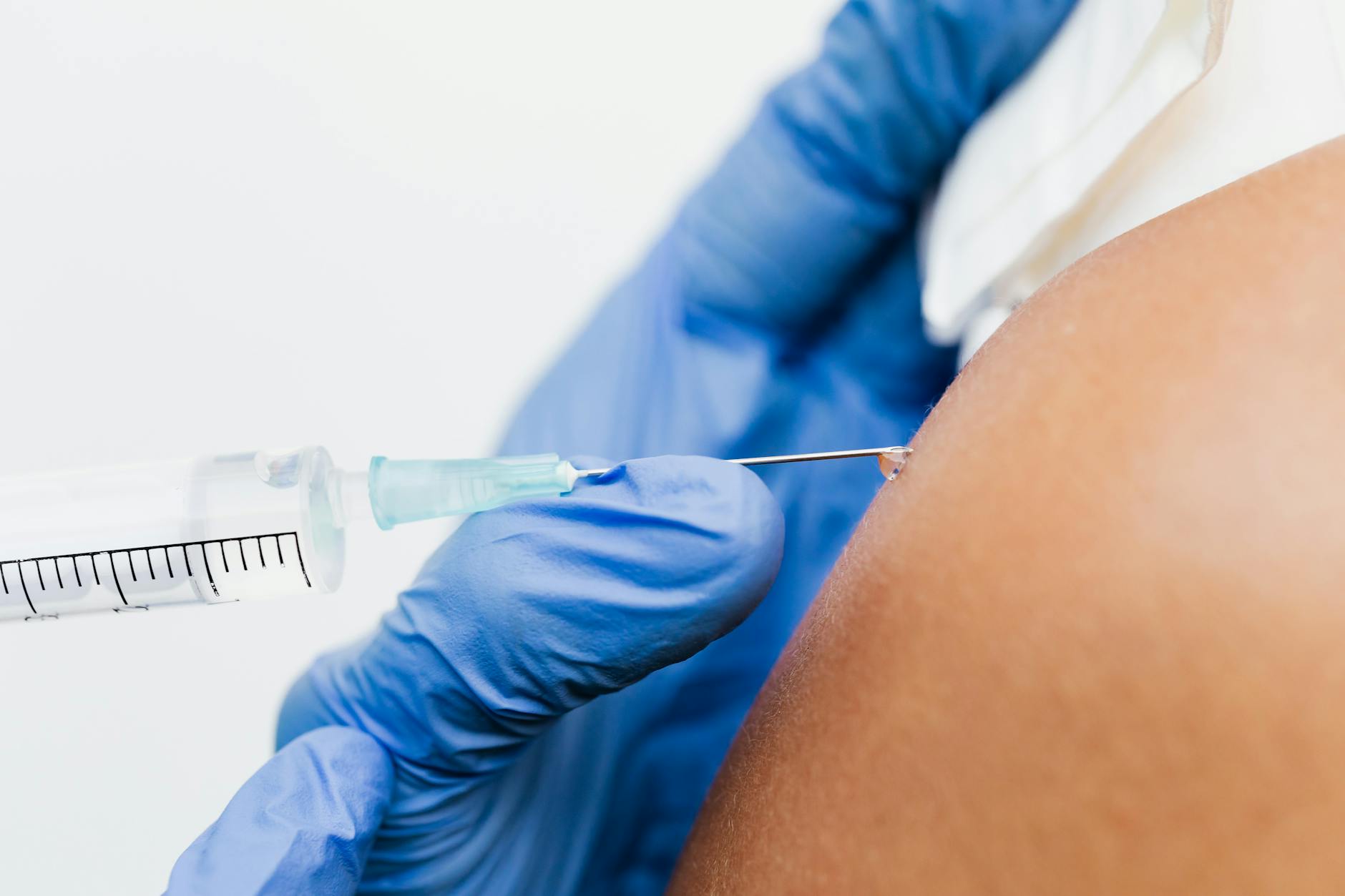
The most common side effect is temporary pain and tenderness at the injection site. This discomfort typically peaks within the first 24 hours and gradually decreases. You might also notice mild swelling and redness around the treated area, which usually subsides within 2-3 days.
"While side effects can feel concerning, most resolve completely without permanent changes to your skin."
Skin lightening, called hypopigmentation, can occur where the injection was given. This creates a lighter patch that may take several months to return to normal color. Some patients also develop temporary skin indentation at the injection site.
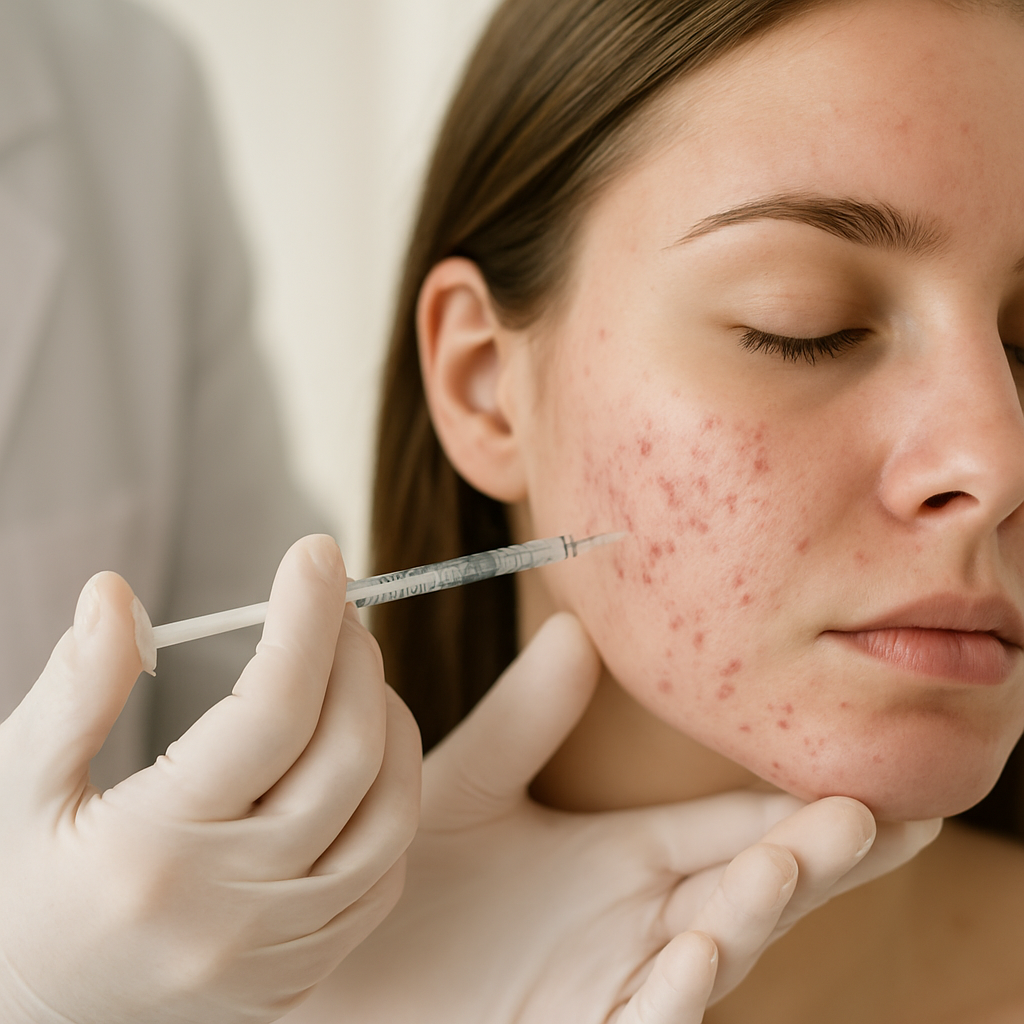
For example, someone receiving a cortisone shot for cystic acne might notice the treated bump becomes slightly depressed for 4-6 weeks before the skin surface evens out. These reactions are temporary and don't indicate permanent scarring.
Rare But Serious Side Effects

While most cortisone injection side effects are mild, some uncommon reactions require immediate attention. Understanding these risks helps you make informed decisions about your skin treatment.
“Permanent skin changes from cortisone injections are rare but can occur with repeated treatments in the same area.”
Skin atrophy represents the most concerning long-term risk. Your skin may become permanently thinner at the injection site, creating visible depressions or dimpling. This thinning also makes blood vessels more visible through the skin, giving areas a translucent appearance.
Allergic reactions can develop suddenly, causing severe swelling, redness, or breathing difficulties. These require emergency medical care.
Infection at the injection site, though uncommon, presents with increasing pain, warmth, pus, or red streaking. Your dermatologist uses sterile techniques to minimize this risk, but any concerning symptoms warrant immediate evaluation.
These serious complications occur infrequently but monitoring injection sites closely ensures early detection and treatment.
Timeline: When Side Effects Typically Occur
Understanding when cortisone injection side effects appear helps you distinguish between normal healing and concerning reactions. Most patients experience a predictable pattern of effects that correspond with how your body processes the medication.
Immediate effects within the first 24-48 hours include injection site tenderness, mild swelling, or temporary skin lightening. These reactions are normal and typically resolve quickly without intervention.
Short-term effects emerge over 1-2 weeks as the cortisone takes effect. You might notice slight skin thinning or changes in texture around the injection site. While concerning for those worried about permanent scarring, these changes are usually temporary.
Long-term considerations develop over weeks to months. Rarely, permanent skin changes or small depressions may occur, particularly with repeated injections in the same area.
Managing and Minimizing Side Effects

You can significantly reduce your risk of complications by following proper pre-treatment and post-injection protocols. Before your cortisone injection, inform your doctor about all medications and avoid blood thinners if medically safe. After injection, apply ice for 15-20 minutes several times daily to reduce swelling and avoid strenuous activities for 48 hours.
Apply ice wrapped in cloth for 15-20 minutes every 2-3 hours for the first day.
Avoid heavy lifting, intense exercise, and direct pressure on injection site for 48 hours.
Watch for signs of infection like increased redness, warmth, or pus formation.
If cortisone injections aren't suitable or cause unwanted effects, Chemical Peels offer an alternative approach. These acid treatments remove damaged skin layers through controlled chemical exfoliation, effectively treating acne scars and improving skin texture without injection-related risks.
When to Contact Your Dermatologist
While cortisone injections are generally safe, certain symptoms require immediate medical attention to prevent complications that could worsen your skin condition or lead to scarring.
Contact your dermatologist immediately if you notice signs of infection, including increased redness spreading beyond the injection site, warmth, pus, or red streaking. Severe or worsening pain that doesn't improve with over-the-counter pain relievers also warrants urgent evaluation.
Watch for unexpected skin changes like deep indentations, white patches, or visible blood vessels at the injection site. These could indicate tissue damage requiring prompt treatment.
Allergic reaction symptoms include widespread rash, difficulty breathing, swelling of face or throat, or severe itching. These require emergency care to prevent serious complications.
Don't hesitate to contact your dermatologist with any concerning symptoms after cortisone injection—early intervention prevents complications and protects your skin.
Frequently Asked Questions
What are the most common side effects of cortisone injections?
The most common side effects are temporary pain and tenderness at the injection site that typically peaks within 24 hours. You might also experience mild swelling and redness that usually subsides within 2-3 days. Skin lightening (hypopigmentation) can occur, creating a lighter patch that may take several months to return to normal color.
How long do cortisone injection side effects last?
Most side effects follow a predictable timeline with immediate effects occurring within 24-48 hours, including tenderness and mild swelling. Short-term effects develop over 1-2 weeks and may include slight skin thinning or texture changes. Most reactions are temporary and resolve completely within a few days to weeks.
Can cortisone injections cause permanent skin damage?
While rare, permanent skin changes can occur with cortisone injections, particularly with repeated treatments in the same area. The most concerning long-term risk is skin atrophy, where the skin becomes permanently thinner, creating visible depressions or making blood vessels more visible. However, permanent skin changes from cortisone injections are uncommon.
When should I be concerned about cortisone injection side effects?
You should seek immediate medical attention for allergic reactions causing severe swelling, redness, or breathing difficulties. Signs of infection including increasing pain, warmth, pus, or red streaking at the injection site also require prompt evaluation. While most side effects are mild and temporary, these serious complications need immediate care.
Is skin indentation after cortisone injection permanent?
Temporary skin indentation at the injection site is common and usually not permanent. For example, patients receiving cortisone shots for cystic acne might notice a slightly depressed area for 4-6 weeks before the skin surface evens out. These reactions are typically temporary and don't indicate permanent scarring, though monitoring is important.
Disclaimer: This content is for informational purposes only and does not constitute medical advice. Always consult a qualified healthcare provider before making health decisions.