What Are Cortisone Injections for Atopic Dermatitis

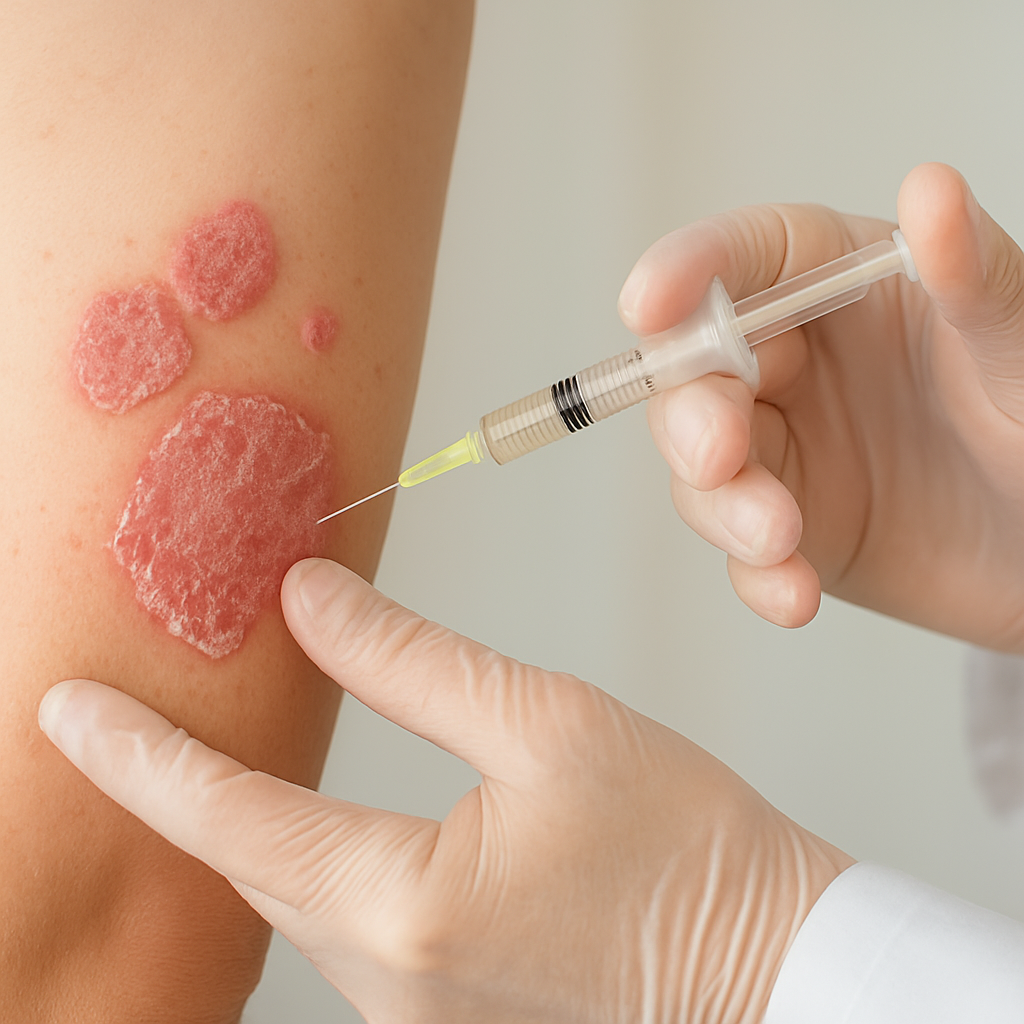
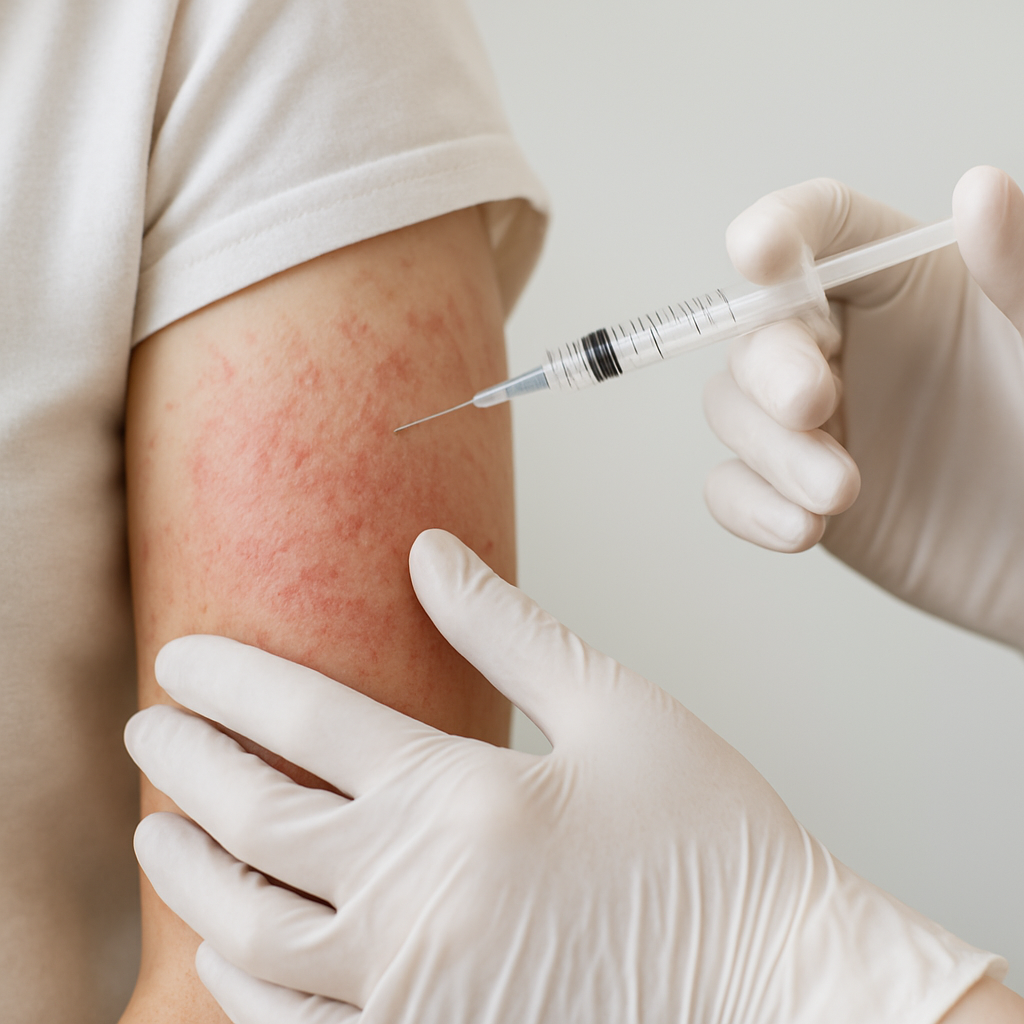
Cortisone injections are steroid medications delivered directly into inflamed skin areas through a thin needle. These intralesional injections contain corticosteroids, powerful anti-inflammatory drugs that work faster and more effectively than topical creams for severe atopic dermatitis flare-ups.
“Cortisone injections target inflammation at its source, providing rapid relief when topical treatments aren't enough.”
When you have atopic dermatitis, your immune system overreacts to triggers, causing intense inflammation in your skin. Cortisone injections work by suppressing this immune response directly at the problem site. The medication reduces swelling, redness, and itching within days rather than weeks.
Dermatologists recommend cortisone injections when topical treatments fail to control thick, stubborn patches of eczema. For example, if you have chronic hand eczema that doesn't respond to prescription creams, or lichenified areas from constant scratching, injections can break the cycle more effectively.
These injections are particularly useful for localized severe flares that risk permanent scarring or thickening. Your doctor might suggest them for small, targeted areas rather than widespread eczema, making them ideal when you need quick results to prevent lasting skin changes that could cause ongoing embarrassment.
How Cortisone Injections Work for Eczema Symptoms

Cortisone injections target atopic dermatitis by delivering powerful anti-inflammatory medicine directly into affected skin areas. This direct approach bypasses your digestive system and bloodstream, concentrating the medication exactly where inflammation occurs.
“Cortisone injections deliver concentrated anti-inflammatory power directly to inflamed skin, often providing relief within hours.”
The medication works by suppressing your immune system's overactive response that triggers eczema flares. In atopic dermatitis, your immune cells mistakenly attack healthy skin tissue, creating the red, swollen patches you see. Cortisone blocks the chemical signals that fuel this inflammatory process.
Within hours to days after injection, you'll typically notice reduced redness and swelling in treated areas. The intense itching that drives scratching behavior often subsides first, helping prevent the scratch-itch cycle that can lead to permanent scarring and skin thickening. Dry, scaly patches begin smoothing out as inflammation decreases.
This targeted treatment proves especially effective for stubborn, localized eczema patches that haven't responded to topical creams or oral medications. By directly addressing chronic inflammation at its source, cortisone injections can break the cycle of persistent symptoms that interfere with daily life.
When Cortisone Shots Are Used for Atopic Dermatitis
Doctors reserve cortisone injections for specific situations when your atopic dermatitis becomes particularly stubborn or severe. These shots aren't the first line of defense—they're brought in when other treatments fall short.
You might be a candidate for cortisone injections when severe flares refuse to respond to topical corticosteroids, even after weeks of consistent use. This often happens when inflammation runs deep beneath the skin surface, where creams and ointments can't penetrate effectively.
Localized thick patches present another clear indication for injections. Areas like your face, neck, inner elbows, and behind your knees—places where skin folds create persistent irritation—often develop these stubborn plaques that resist topical treatments.
Your dermatologist may also suggest injections when calcineurin inhibitors or other non-steroid medications prove ineffective. Rather than watching patches worsen and risk permanent scarring, targeted injections can quickly calm severe inflammation and restore your skin's appearance.
Benefits and Limitations of Cortisone Injections
Cortisone injections offer powerful advantages for treating stubborn atopic dermatitis patches that resist other treatments. The medication works directly at the injection site, delivering concentrated anti-inflammatory relief exactly where you need it most. This targeted approach makes cortisone shots particularly effective for thick, scaly patches that topical creams struggle to penetrate.
You'll typically see improvement within days rather than weeks, which can provide significant relief when dealing with persistent flares that affect your confidence and daily activities. The rapid response helps prevent the cycle of scratching that can lead to scarring and skin thickening.
However, cortisone injections have important limitations. They only treat small, localized areas, making them unsuitable for widespread eczema covering large portions of your body. Potential side effects include temporary skin thinning, color changes, and small depressions at injection sites. Your dermatologist will limit the frequency of injections to prevent these complications.
Most people can safely receive cortisone injections every few months, but your doctor will evaluate each situation individually based on your specific needs and response to treatment.
What to Expect During Treatment

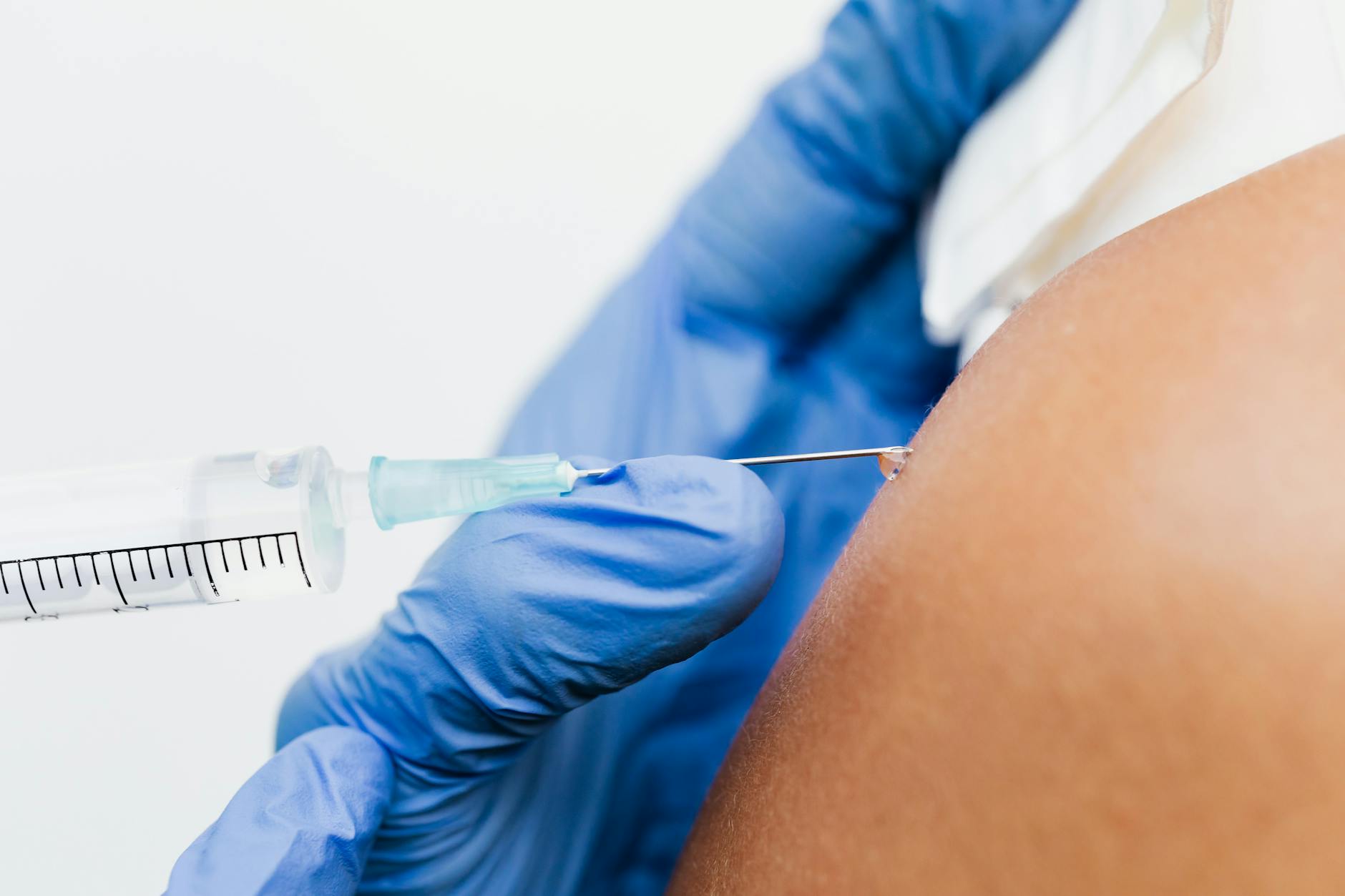
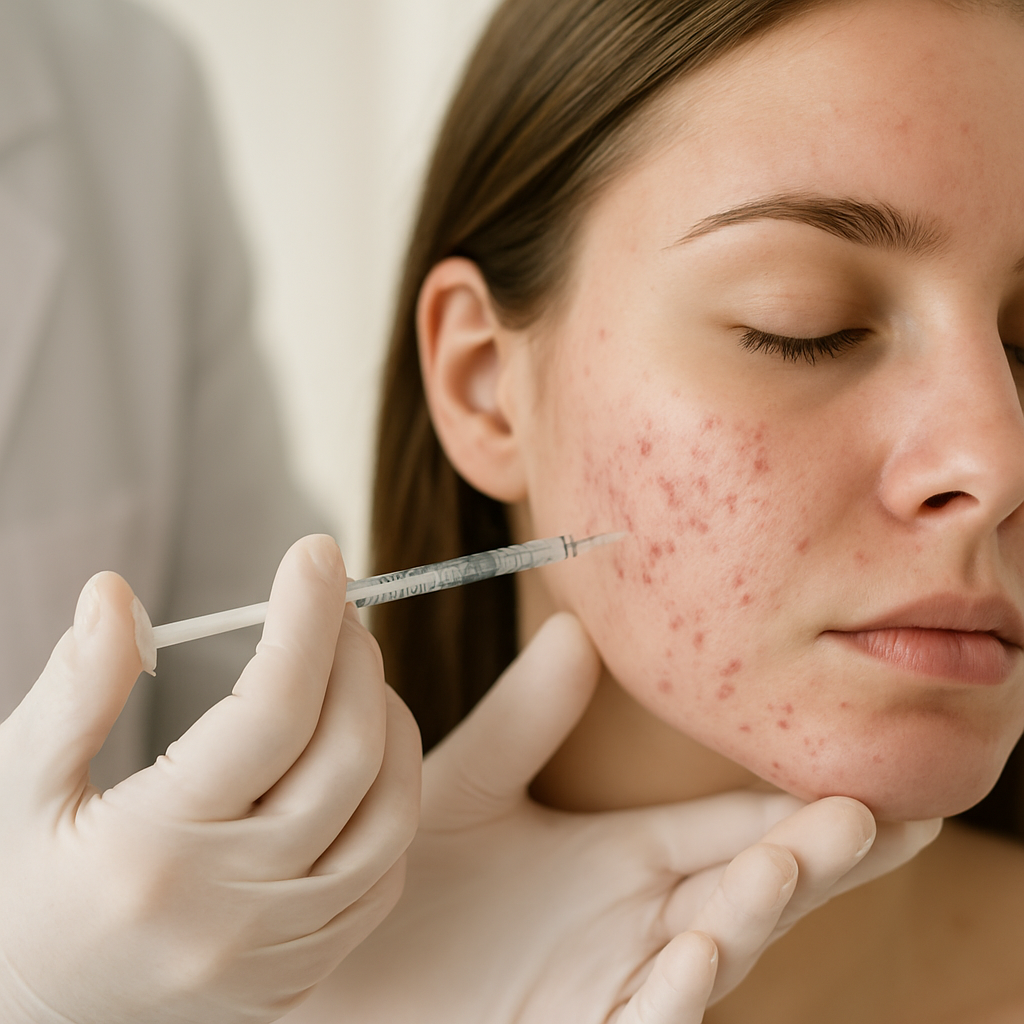
Your dermatologist will clean the affected eczema patches and use a thin needle to inject cortisone directly into the inflamed areas. The procedure takes just minutes and feels like a brief pinch. Most patients describe the discomfort as minimal and tolerable.
Your doctor identifies the most inflamed patches and injects small amounts of cortisone using a fine needle.
Apply ice for comfort and avoid touching the injection sites for several hours.
Return visits help track healing progress and prevent potential scarring complications.
Symptoms typically improve within 48-72 hours, with redness and swelling reducing first. Complete healing often takes 2-4 weeks. Your dermatologist will schedule follow-up appointments to monitor progress and ensure proper healing without scarring concerns.
During recovery, avoid scratching treated areas and follow your prescribed skincare routine. Report any unusual changes like increased redness or skin thinning immediately to prevent complications.
Alternative Treatments to Consider
Cortisone injections represent just one option in atopic dermatitis treatment. Most patients start with topical corticosteroids, which serve as the first-line therapy for managing flare-ups. These creams and ointments work directly on affected skin areas without the systemic effects of injections.
Moisturizers and barrier repair products form the foundation of any eczema management plan. Daily use of fragrance-free, hypoallergenic moisturizers helps maintain skin hydration and prevents the cycle of dryness that triggers flare-ups. This approach reduces your risk of permanent scarring by keeping skin healthy between treatment periods.
When topical treatments fail to control severe symptoms, dermatologists consider systemic immunosuppressants like methotrexate or cyclosporine. These medications work throughout your body to calm overactive immune responses causing inflammation.
Phototherapy offers another effective alternative, using controlled UV light exposure to reduce inflammation and itching. This treatment requires multiple sessions but provides sustained improvement for many patients.
Interestingly, some dermatologists explore Chemical Peels for post-inflammatory hyperpigmentation left behind by severe eczema patches. While not a primary eczema treatment, chemical peels can address lasting skin discoloration concerns.
Start with gentle topical treatments and consistent moisturizing before considering more intensive options like cortisone injections.
Frequently Asked Questions
What are cortisone injections for atopic dermatitis?
Cortisone injections are steroid medications delivered directly into inflamed skin areas through a thin needle. These intralesional injections contain corticosteroids, powerful anti-inflammatory drugs that work faster and more effectively than topical creams for severe atopic dermatitis flare-ups. They target inflammation at its source, providing rapid relief when topical treatments aren't enough.
How do cortisone shots work for eczema?
Cortisone injections work by delivering powerful anti-inflammatory medicine directly into affected skin areas, bypassing the digestive system and bloodstream. The medication suppresses your immune system's overactive response that triggers eczema flares by blocking chemical signals that fuel the inflammatory process. Within hours to days, you'll typically notice reduced redness, swelling, and itching in treated areas.
When are cortisone injections used for atopic dermatitis?
Doctors reserve cortisone injections for specific situations when atopic dermatitis becomes particularly stubborn or severe and other treatments fall short. You might be a candidate when severe flares refuse to respond to topical corticosteroids, even after weeks of consistent use. They're particularly useful for thick, stubborn patches of eczema, chronic hand eczema, or lichenified areas from constant scratching.
How fast do cortisone injections work for eczema?
Cortisone injections often provide relief within hours, with noticeable improvements typically seen within days rather than weeks. The intense itching that drives scratching behavior often subsides first, helping prevent the scratch-itch cycle. Dry, scaly patches begin smoothing out as inflammation decreases over the following days.
Disclaimer: This content is for informational purposes only and does not constitute medical advice. Always consult a qualified healthcare provider before making health decisions.