Understanding Cortisone Shot Costs

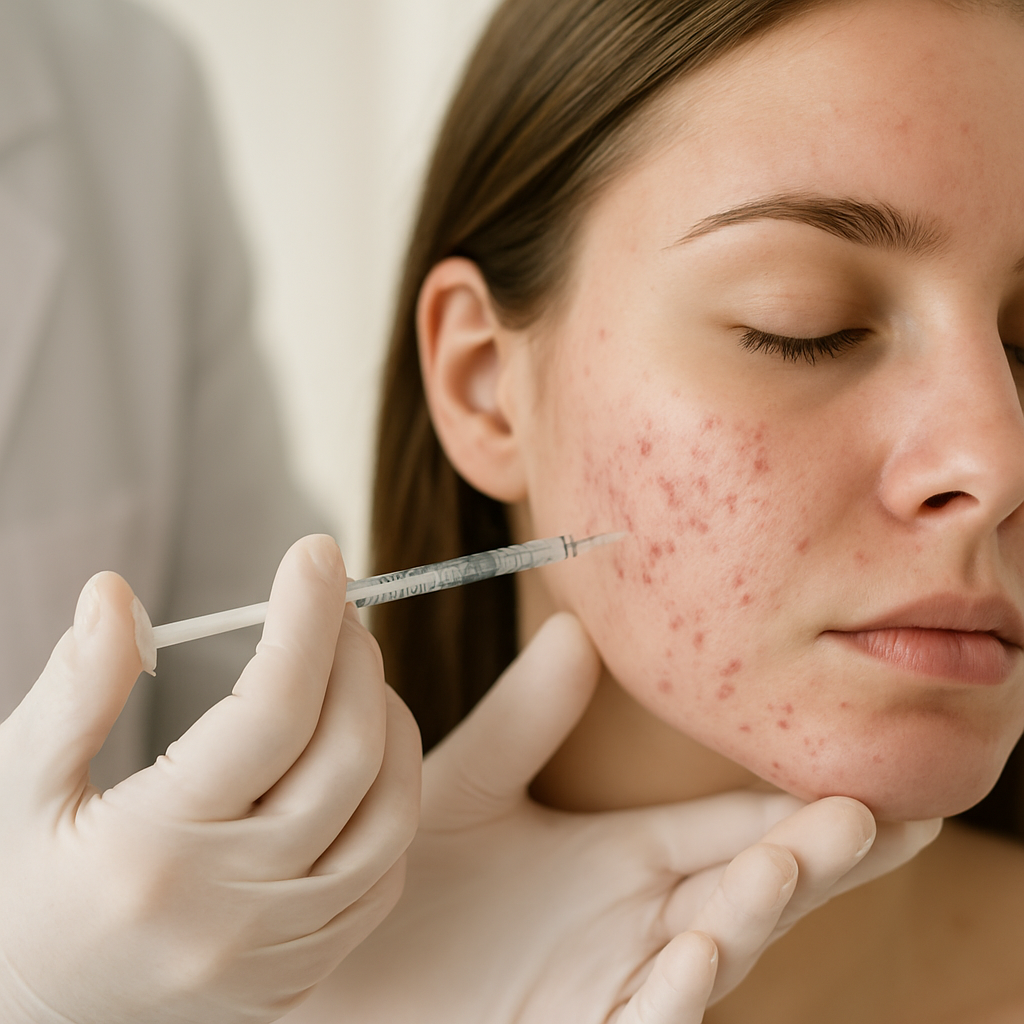
Cortisone injections for acne come with varying price tags that depend on several key factors. Understanding these cost components helps you budget effectively and avoid surprise medical bills when seeking quick relief for stubborn breakouts.
“The total cost of a cortisone injection typically ranges from $100 to $300, but location and provider type create significant price variations.”
Base injection fees form the foundation of cortisone shot pricing. Most dermatologists charge between $75 and $200 for the actual procedure, which includes the medication and administration. This fee covers the corticosteroid itself, typically triamcinolone acetonide, plus the healthcare provider's time and expertise in performing the injection safely.
Facility costs add another layer to your total expense. Office-based procedures generally cost less than those performed in hospital outpatient departments or surgical centers. A dermatology clinic might charge $25 to $50 in facility fees, while hospital-based treatments can add $100 or more to your bill.
Geographic pricing variations create substantial differences across regions. Urban areas like New York City or Los Angeles typically charge 30 to 50 percent more than rural locations. A cortisone injection that costs $150 in a small Midwest town might reach $250 in a major metropolitan area.
Provider type differences also impact pricing significantly. Board-certified dermatologists typically charge more than family physicians or urgent care providers who offer cortisone injections. However, specialists bring greater expertise in treating cystic acne safely, reducing your risk of complications that could lead to the permanent scarring you want to avoid.
Insurance Coverage for Cortisone Injections
Most health insurance plans cover cortisone injections when they're medically necessary for treating inflammatory skin conditions like cystic acne, keloid scars, or severe dermatitis. Your dermatologist needs to document that the injection addresses a specific medical problem rather than purely cosmetic concerns.
“Insurance approval depends on proving medical necessity, not cosmetic enhancement.”
The coverage approval process typically starts when your dermatologist submits a treatment plan to your insurance company. They must explain why the cortisone injection is the appropriate treatment for your condition. For acne-related injections, insurers usually approve coverage when you have painful, inflamed cysts that haven't responded to topical treatments.
Your out-of-pocket costs depend on your specific plan's copay and deductible structure. Most patients pay between $20 to $50 as a specialist copay, though you'll need to meet your annual deductible first if your plan requires it. For example, if you have a $1,500 deductible and haven't met it yet, you might pay the full injection cost upfront.
Some insurance plans require prior authorization before approving cortisone injections. This means your dermatologist must get approval before the procedure, which can add 3-5 business days to your treatment timeline. While this might feel frustrating when you're dealing with visible skin issues that cause social embarrassment, the authorization process ensures your treatment is covered.
Always verify your coverage details by calling your insurance company directly. Ask specifically about dermatology copays, prior authorization requirements, and whether your dermatologist is in-network to avoid surprise bills.
Factors That Affect Your Out-of-Pocket Costs

Several variables beyond the base price of cortisone injections will determine what you actually pay out of pocket. Understanding these factors helps you budget effectively and avoid surprise bills that could delay your treatment.
Your insurance plan type creates the biggest cost difference. HMO plans typically require referrals and have lower copays, while PPO plans offer more flexibility but higher deductibles. High-deductible health plans mean you pay full price until reaching your deductible, which can be $3,000 or more annually.
Choosing in-network versus out-of-network providers dramatically impacts costs. In-network dermatologists have negotiated rates with your insurer, keeping your portion lower. Out-of-network providers can charge their full rates, leaving you responsible for the difference between what insurance pays and what the doctor charges.
Treatment frequency affects your total expenses. Acne that responds quickly might need only one injection, while stubborn cystic breakouts could require multiple treatments over several months. Insurance companies sometimes limit coverage after a certain number of injections per year.
The condition being treated influences approval and coverage. Insurance readily covers cortisone shots for severe cystic acne that risks permanent scarring, but may question cosmetic uses. Documentation from your dermatologist explaining medical necessity helps ensure coverage and prevents delays that could worsen your skin condition.
Comparing Cortisone Costs to Alternative Treatments
Understanding how cortisone injection costs stack up against other dermatology treatments helps you make informed decisions about your skin care investment. While cortisone shots typically range from $50-200 per injection, alternative treatments vary significantly in both upfront costs and long-term value.
Chemical Peels represent one of the most common alternatives for treating inflammatory skin conditions. These acid treatments that remove damaged skin layers to improve texture and appearance through controlled chemical exfoliation cost between $100-800 per session depending on depth. Light chemical peels for acne and texture issues start around $100-300, while deeper peels addressing scarring and significant damage reach $400-800. Most patients need 3-6 sessions for optimal results, making the total investment $300-4,800.
Prescription topical medications offer another cost comparison point. Topical steroids range from $20-150 monthly, while newer treatments like calcineurin inhibitors cost $200-400 monthly. These require consistent use and may take 8-12 weeks to show results.
Cortisone injections often prove more cost-effective for immediate relief of specific inflammatory lesions. One injection typically provides 2-6 months of improvement, making the cost per month of relief competitive with daily medications. For treating isolated cysts or severe inflammatory acne that could lead to permanent scarring, cortisone offers faster results with fewer sessions than most alternatives.
How to Maximize Your Insurance Benefits
Getting insurance approval for cortisone shots requires strategic preparation and clear documentation. Your dermatologist's support plays a crucial role in this process, so work closely with their office to build a compelling case for coverage.
Start by documenting your skin condition thoroughly. Take photos showing the affected areas and keep a detailed record of symptoms, pain levels, and how the condition affects your daily life. Insurance companies want proof that cortisone injections are medically necessary, not cosmetic treatments. Your fear of permanent scarring is actually valuable documentation—explain how the condition impacts your emotional wellbeing and social interactions.
Collect documentation of failed alternative treatments and symptom progression.
Have your dermatologist submit detailed treatment plans before your appointment.
Ensure your provider uses precise diagnostic codes that support medical necessity.
Timing matters significantly for insurance approval. Schedule injections early in your benefit year when deductibles reset, and avoid submitting claims during insurance company budget reviews in late December. If your initial claim gets denied, don't give up—the appeals process succeeds in roughly 30% of cases when proper documentation supports medical necessity.
For example, if you have keloid scars from acne, your dermatologist should document how cortisone injections prevent further scarring and reduce existing scar tissue. This medical justification carries more weight than cosmetic concerns alone. Work with billing specialists in your dermatologist's office who understand insurance requirements and can code procedures correctly from the start.
Payment Options and Financial Assistance

When insurance doesn't cover your cortisone shots or you face high out-of-pocket costs, several payment options can make treatment more affordable. Don't let financial concerns delay treatment that could prevent permanent scarring from severe acne or other skin conditions.
Payment plans offer the most straightforward solution for managing large medical bills. Most dermatology clinics provide interest-free installment options, allowing you to spread costs over 3-6 months. Some practices partner with medical financing companies like CareCredit, which offers longer terms with promotional interest rates.
Health Savings Accounts (HSAs) and Flexible Spending Accounts (FSAs) provide tax-free payment for cortisone injections. These accounts reduce your taxable income while covering qualified medical expenses. If you don't have an HSA, consider opening one before your next treatment to maximize tax savings.
Pharmaceutical companies occasionally offer patient assistance programs for specific corticosteroid formulations. While less common for injection treatments, these programs can provide significant discounts for qualifying patients based on income levels.
Many clinics maintain internal financial assistance programs for patients experiencing hardship. These confidential programs often provide sliding scale pricing or payment deferrals. Ask your dermatology office's billing department about available options – they want to help you receive necessary care while managing payment responsibly.
What to Do If Insurance Denies Coverage
Insurance denials for cortisone shots happen more often than you might expect. Understanding your options helps you get the treatment you need without letting denial derail your progress toward clear skin.
Start by reviewing the denial letter carefully. Common reasons include insufficient medical necessity documentation, treatment being considered cosmetic rather than medical, or your provider not following prior authorization requirements. Your dermatologist's office can help clarify which specific criteria triggered the denial.
Contact your insurance company within the timeframe specified in your denial letter, usually 60 days.
Request your dermatologist provide detailed medical records showing treatment necessity and failed previous therapies.
Ask your doctor to speak directly with the insurance company's medical director about your case.
While waiting for appeal results, explore alternative coverage through flexible spending accounts or health savings accounts if you have them. Many dermatology offices offer payment plans that make self-pay more manageable.
Consider switching to in-network providers if your current dermatologist is out-of-network. Sometimes changing the treatment location resolves coverage issues entirely.
Insurance denials aren't final decisions—persistent appeals with proper documentation often succeed in getting cortisone shot coverage approved.
Frequently Asked Questions
How much does a cortisone shot for acne cost?
The total cost of a cortisone injection typically ranges from $100 to $300, depending on several factors. Base injection fees from dermatologists range between $75 and $200, plus additional facility costs of $25 to $50 for clinic-based procedures. Geographic location significantly impacts pricing, with urban areas charging 30 to 50 percent more than rural locations.
Does insurance cover cortisone injections for acne?
Most health insurance plans cover cortisone injections when they're medically necessary for treating inflammatory skin conditions like cystic acne. Your dermatologist must document that the injection addresses a specific medical problem rather than purely cosmetic concerns. Insurance typically approves coverage for painful, inflamed cysts that haven't responded to topical treatments, with an 85% approval rate.
How much will I pay out of pocket for a cortisone shot with insurance?
Most patients with insurance pay between $20 to $50 as a specialist copay for cortisone injections. However, you'll need to meet your annual deductible first if your plan requires it. If you haven't met your deductible yet, you might pay the full injection cost upfront before insurance coverage kicks in.
How quickly do cortisone shots work for acne?
Cortisone injections for acne typically show results within 24 hours of treatment. About 72% of patients see improvement after receiving the injection. The treatment delivers quick relief for stubborn breakouts, particularly for painful, inflamed cystic acne that hasn't responded to other treatments.
What factors affect the cost of cortisone injections?
Several key factors influence cortisone injection costs, including provider type, geographic location, and facility fees. Board-certified dermatologists typically charge more than family physicians but offer greater expertise in treating cystic acne safely. Urban areas charge significantly more than rural locations, and hospital-based treatments add $100 or more compared to office-based procedures.
Disclaimer: This content is for informational purposes only and does not constitute medical advice. Always consult a qualified healthcare provider before making health decisions.