Pre-Injection Consultation and Assessment

Before receiving a cortisone injection, your dermatologist conducts a thorough consultation to ensure the treatment suits your specific needs. This careful assessment protects you from complications and maximizes your chances of achieving clear skin without permanent scarring.
“A proper consultation identifies the best candidates for cortisone injections while screening out cases that could lead to complications.”
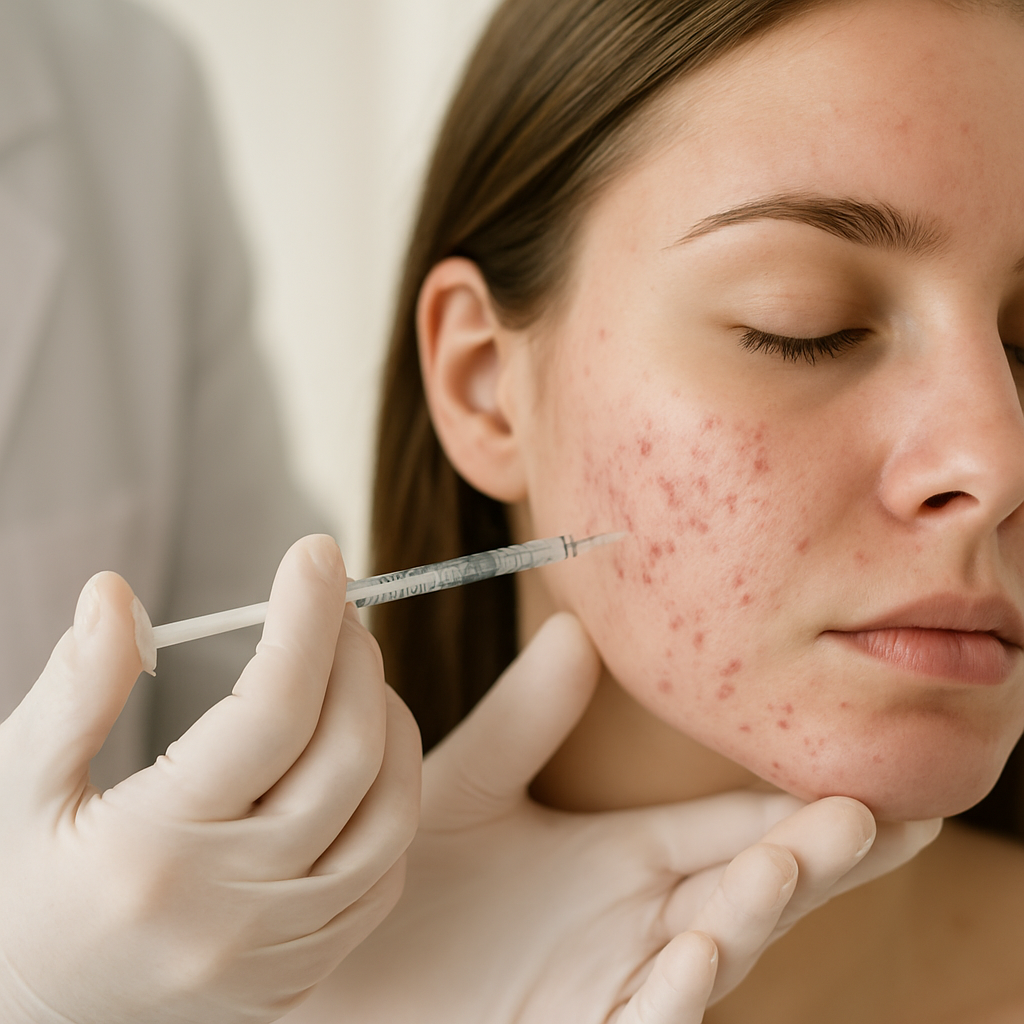
Your doctor begins by reviewing your medical history, focusing on previous skin treatments, allergies, and current medications. They examine the targeted area closely, identifying the type of acne lesion and measuring its size. Deep cystic acne typically responds best to cortisone injections, while surface-level breakouts may require different approaches.
The dermatologist then marks treatment areas with a surgical pen, ensuring precise injection placement. This mapping prevents missed spots and reduces the risk of over-treatment that could cause skin depression or discoloration.
Finally, you'll discuss the consent process, covering potential side effects like temporary skin lightening or minor bruising. Your doctor explains realistic expectations for healing time, typically 24 to 72 hours for significant improvement. This transparency helps you make an informed decision about proceeding with the injection.
Preparation of Injection Site

Once your dermatologist determines you're a good candidate for the cortisone injection, the preparation phase begins. This critical step ensures the procedure remains safe and effective, addressing your concerns about potential complications or scarring.
“Proper site preparation is your first line of defense against infection and complications.”
The target area is cleaned with antiseptic solution to remove bacteria, oils, and debris.
Medical-grade antiseptic is applied in circular motions, working outward from the injection site.
Sterile drapes or gauze isolate the clean area from surrounding skin to maintain sterility.
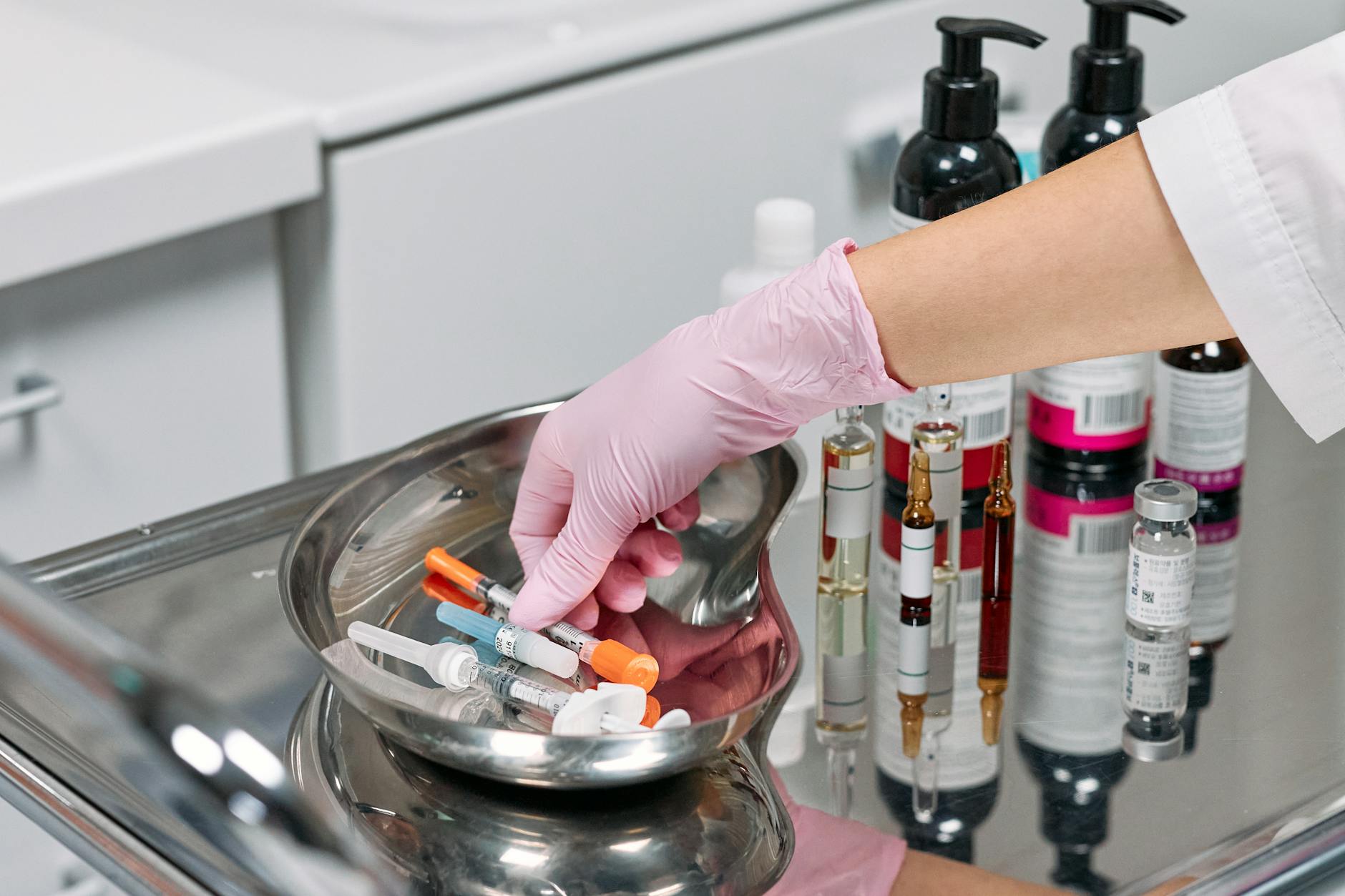
Fresh needles and syringes are prepared while maintaining strict sterile technique.
This preparation differs significantly from treatments like Chemical Peels, where skin cleansing focuses on removing surface oils for even acid penetration. Here, the goal is complete sterility to prevent infection at the injection site.
The Injection Process Step by Step
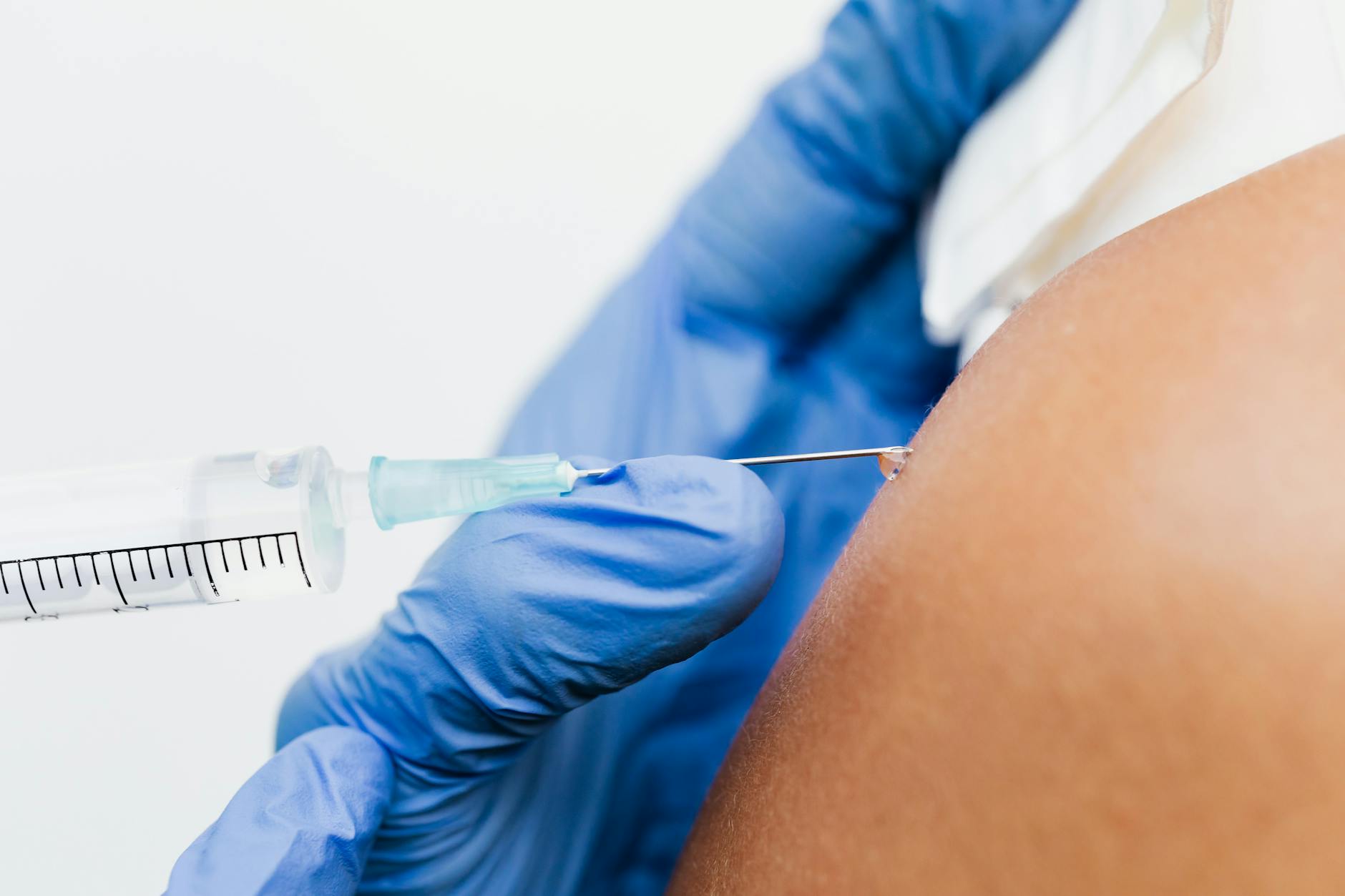
The actual cortisone injection happens quickly, typically lasting less than 30 seconds from start to finish. Your dermatologist will use a very thin needle, usually smaller than what you'd see for blood draws, which minimizes discomfort and reduces the chance of visible marks on your skin.
The doctor angles the needle at 45-90 degrees depending on the lesion depth.
You'll feel a small pinch as the needle enters the skin surface.
The steroid solution flows directly into the affected tissue over 10-15 seconds.
Quick removal followed by gentle pressure to prevent bleeding.
Most patients describe the sensation as a brief stinging feeling, similar to a mosquito bite. The injection depth varies based on your specific condition – superficial cysts require shallow placement while deeper nodules need the medication delivered further into the tissue.
Your doctor will inject just enough medication to blanch the area slightly white, indicating proper distribution. This whitening effect disappears within minutes and won't cause permanent discoloration or scarring when performed correctly by a trained dermatologist.
Immediate Post-Injection Care
Right after your cortisone injection, your dermatologist will apply gentle pressure to the injection site for about 30 seconds to prevent bleeding. A small bandage covers the area, which you can remove after a few hours. The injection site might appear slightly red or swollen, but this normal reaction typically fades within minutes.
Your doctor applies firm pressure to stop any minor bleeding from the injection site.
You'll wait 5-10 minutes while staff monitors for any immediate adverse reactions.
Your provider explains home care guidelines and warning signs to watch for.
During the brief observation period, your healthcare team watches for unusual swelling, excessive redness, or allergic reactions. While permanent scarring from cortisone injections is extremely rare when performed correctly, your doctor will explain signs of proper healing versus concerning changes.
Before leaving, you'll receive specific instructions about keeping the area clean, avoiding harsh products for 24 hours, and when to contact the office. Most patients resume normal activities immediately, though some doctors recommend avoiding intense exercise for the rest of the day.
Common Sensations and What's Normal

Your skin will likely feel tender at the injection site for the first 24 to 48 hours after your cortisone shot. This discomfort feels similar to a deep bruise and typically rates 3 to 5 out of 10 on a pain scale. The area may throb slightly, especially when touched or when you move facial muscles nearby.
Mild swelling around the injection site is completely normal and expected. You'll notice the area looks slightly puffy, almost like you have a small mosquito bite. This swelling usually peaks within 6 to 12 hours and gradually subsides over the next few days. Some patients see a small indentation or dimple where the needle entered, which fills in as healing progresses.
Your skin may appear slightly red or pink around the injection spot, similar to how it looks after removing a bandage. This color change won't cause permanent scarring and fades within a week.
Contact your dermatologist immediately if you experience severe pain that worsens after day two, increasing redness that spreads beyond the injection site, warmth to the touch, or any pus or unusual discharge. These signs could indicate infection and require prompt medical attention.
Timeline for Your Next Steps
Your dermatologist will schedule a follow-up appointment 4-6 weeks after your cortisone injection to assess your progress. This timing allows enough time to see the full effects while catching any issues early. Most patients see significant improvement within 3-5 days, with peak results appearing after one to two weeks.
For the first 24 hours, avoid strenuous exercise, hot baths, or activities that cause excessive sweating. You can return to normal daily activities immediately, but protect the injection site from direct sun exposure for several days. The treated area may appear slightly depressed for a few days before normalizing.
Your skin will continue improving for up to a month after treatment. If you don't see satisfactory results by your follow-up appointment, your dermatologist may recommend additional treatments or alternative approaches. Many patients require only one injection, while others benefit from a series of treatments spaced several weeks apart.
Schedule your follow-up appointment and be patient with results, as full healing takes 4-6 weeks to complete.
Frequently Asked Questions
What happens during a cortisone injection consultation?
During the consultation, your dermatologist reviews your medical history, examines the targeted acne lesions, and marks treatment areas with a surgical pen. They also discuss potential side effects like temporary skin lightening or minor bruising and explain realistic expectations for healing time. This thorough assessment ensures the treatment suits your specific needs and helps prevent complications.
How long does a cortisone injection take?
The actual cortisone injection process is very quick, typically lasting less than 30 seconds from start to finish. Your dermatologist uses a very thin needle, smaller than what's used for blood draws, to minimize discomfort and reduce visible marks on your skin.
How is the injection site prepared for cortisone shots?
The injection site is prepared through a four-step sterile process that includes thorough skin cleansing with antiseptic solution, medical-grade antiseptic application in circular motions, area isolation with sterile drapes, and preparation of fresh needles and syringes. This preparation is critical for preventing infection and ensuring the procedure remains safe and effective.
What type of acne responds best to cortisone injections?
Deep cystic acne typically responds best to cortisone injections, while surface-level breakouts may require different treatment approaches. Your dermatologist will examine the targeted area closely to identify the type of acne lesion and determine if cortisone injection is the most appropriate treatment for your specific case.
How long does it take to see results from cortisone injections?
You can typically expect to see significant improvement within 24 to 72 hours after receiving a cortisone injection. Your doctor will explain these realistic expectations for healing time during the consultation process to help you make an informed decision about the treatment.
Disclaimer: This content is for informational purposes only and does not constitute medical advice. Always consult a qualified healthcare provider before making health decisions.