Immediate Response: First 24-48 Hours

Your skin starts responding to a cortisone injection within hours, but the first day or two can feel confusing. The injection site typically becomes tender and may appear slightly red or swollen—this is completely normal and not a sign that something went wrong.
“The initial tenderness you feel is your body's natural response to the injection, not the cortisone itself causing problems.”
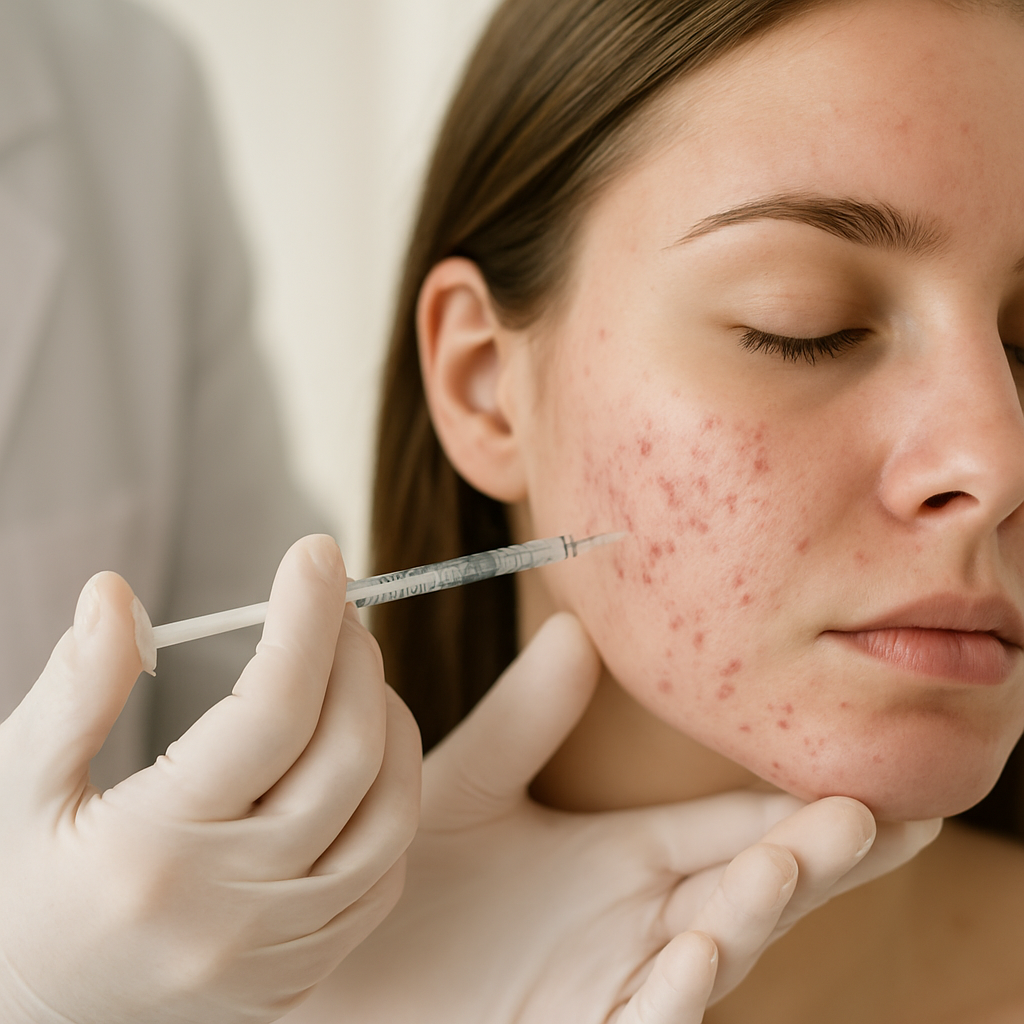
Most patients notice the first signs of inflammation reduction within 12 to 24 hours. A large, angry cystic pimple that was throbbing yesterday might feel softer to the touch and less painful when you accidentally brush against it. However, visible shrinkage usually takes a bit longer to become obvious.
Some people worry that early redness means the injection will leave a permanent mark. This concern about scarring is understandable, but the initial injection site reaction fades quickly and doesn't indicate future scarring problems. The small needle used creates minimal trauma to surrounding tissue.
Contact your dermatologist if you experience severe pain, excessive swelling, or signs of infection like pus or red streaking. These symptoms are rare but require immediate attention.
Early Results: Days 3-7

The magic of cortisone shots typically becomes visible during days three through seven. This is when patients see the most dramatic improvements that make the injection worthwhile.
“Most patients notice their cystic acne shrinking by half within the first week.”
Your inflamed lesion will start shrinking noticeably. A large, painful cyst that dominated your chin might reduce from the size of a grape to a small bump. The angry red color fades to pink, then closer to your natural skin tone. Swelling decreases significantly, making the area feel less tender to touch.
Pain relief often comes first, sometimes within 48 hours, followed by visible size reduction. That throbbing sensation that kept you awake disappears. Itching subsides as inflammation calms down.
For example, a patient with a wedding in two weeks might see their jawline cyst flatten enough to cover with makeup by day five. The key is patience during these early days – your skin is healing beneath the surface even when changes seem slow.
Remember that every person responds differently. Some see dramatic results by day three, while others need the full week to notice significant improvement.
Peak Effectiveness: Weeks 1-4
During weeks 1-4, cortisone shots reach their maximum therapeutic potential. Your skin inflammation drops to its lowest levels, and you'll see the clearest improvements in texture, redness, and overall appearance. This peak period represents the sweet spot where the medication works hardest against your specific condition.
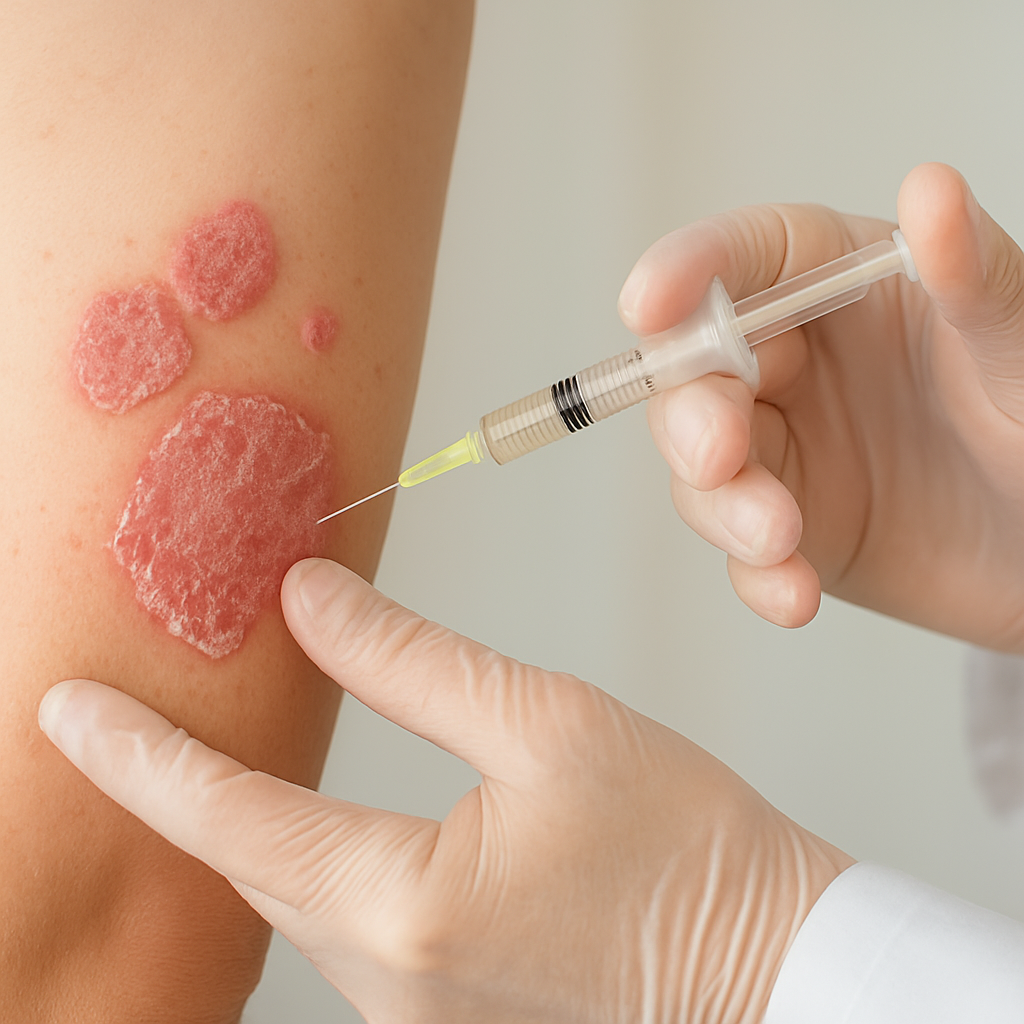
Different conditions respond at varying speeds during this window. Cystic acne typically shows dramatic improvement by week 2, with deep nodules flattening significantly. Psoriasis plaques become noticeably thinner and less scaly around week 3. Eczema patches often clear completely by week 4, leaving smooth skin behind.
Signs of successful treatment include reduced pain when touching affected areas, decreased redness that doesn't return by evening, and smoother skin texture. Your risk of permanent scarring drops substantially during this phase as inflammation subsides. The deep tissue damage that creates lasting marks simply cannot occur when cortisone effectively controls the inflammatory response.
Take photos weekly to track your progress objectively. Many patients underestimate their improvement because they see their skin daily. Document your results to better understand your response pattern for future treatments.
Long-term Duration: How Long Results Last
Cortisone shot results typically last between 6-8 weeks for most inflammatory skin conditions, though this varies significantly based on your specific situation. Acne cysts often see permanent improvement since the injection destroys the inflamed tissue, while conditions like psoriasis patches may return within 4-6 weeks as the underlying condition persists.
Several factors influence how long your results last. Your skin type, the severity of your original condition, and your body's natural healing response all play important roles. People with naturally oily skin may see faster return of acne-related issues, while those with chronic inflammatory conditions like eczema typically experience shorter-lasting relief.
You might need repeat treatments if your condition returns to its original severity. Most dermatologists recommend waiting at least 6-8 weeks between injections to prevent skin thinning. For example, someone treating recurring cystic acne might get quarterly injections, while psoriasis patients may need treatments every 2-3 months depending on their response.
The good news is that cortisone shots help prevent the permanent scarring you're worried about, making repeat treatments worthwhile when your skin condition returns.
What Affects Your Timeline

Your cortisone shot results depend on several key factors that make each person's experience unique. Understanding these variables helps set realistic expectations and avoid the disappointment that can lead to social anxiety about your skin's appearance.
Injection depth and location play crucial roles in your timeline. Shallow injections targeting surface acne resolve faster than deeper shots for cystic lesions. Face injections typically show results within 24-48 hours, while body treatments may take 3-5 days due to thicker skin and different blood flow patterns.
The severity of your condition directly impacts healing speed. A small, early pimple responds within hours, while large, inflamed cysts need several days to flatten completely. More severe inflammation requires more time for your body to process the medication and reduce swelling.
Individual healing factors vary significantly between patients. Your age, immune system strength, stress levels, and overall health influence how quickly you respond to treatment. Some people naturally heal faster than others.
Proper aftercare accelerates your results and prevents complications. Following your dermatologist's instructions about gentle cleansing, avoiding picking, and protecting treated areas ensures optimal healing. Patients considering additional treatments like Chemical Peels should discuss timing with their provider, as these acid treatments that remove damaged skin layers through controlled chemical exfoliation may need to be scheduled appropriately around cortisone injections.
When to Contact Your Dermatologist
Call your dermatologist immediately if you experience severe pain that worsens after 48 hours, signs of infection like pus or red streaking, or unusual swelling that doesn't improve with ice. These red flags require prompt attention to prevent complications.
Normal healing includes mild tenderness, slight redness, and temporary skin texture changes. Your injection site may feel firm for several weeks, which is completely normal and won't lead to permanent scarring.
Schedule your follow-up appointment within two to four weeks of treatment. This timing allows your dermatologist to assess your response and determine if additional treatment is needed. Don't wait for your skin to be "perfect" before this visit – early evaluation helps optimize your results and address any concerns before they become problems.
Contact your dermatologist immediately for severe pain, infection signs, or unusual swelling, and schedule follow-up within two to four weeks.
Frequently Asked Questions
How long does it take for a cortisone shot to work?
You'll start feeling relief within 12 to 24 hours as inflammation begins to reduce, though the injection site may be tender initially. The most dramatic visible improvements typically occur between days 3-7, with peak effectiveness reached during weeks 1-4. Most patients notice their cystic acne shrinking by half within the first week.
Is it normal for the injection site to be red and swollen after a cortisone shot?
Yes, tenderness, slight redness, and swelling at the injection site are completely normal in the first day or two. This is your body's natural response to the injection itself, not the cortisone causing problems. The initial injection site reaction fades quickly and doesn't indicate future scarring problems.
When should I be concerned after getting a cortisone injection?
Contact your dermatologist if you experience severe pain, excessive swelling, or signs of infection like pus or red streaking. These symptoms are rare but require immediate attention. Normal reactions like initial tenderness and mild redness are not cause for concern.
How much will my cystic acne shrink after a cortisone shot?
Most patients notice their cystic acne shrinking by half within the first week. A large, painful cyst might reduce from the size of a grape to a small bump during days 3-7. By week 2, cystic acne typically shows dramatic improvement with deep nodules flattening significantly.
What percentage of inflammation reduction can I expect from a cortisone shot?
Cortisone shots typically achieve up to 90% inflammation reduction during their peak effectiveness period. This peak is usually reached around 2.5 weeks after injection, with 80% of patients experiencing maximum therapeutic benefits. Your risk of permanent scarring also drops substantially during this peak period.
Disclaimer: This content is for informational purposes only and does not constitute medical advice. Always consult a qualified healthcare provider before making health decisions.