What Are Cortisone Shots for Psoriasis Plaques

Cortisone shots for psoriasis plaques are targeted steroid injections delivered directly into thick, stubborn patches of psoriatic skin. These injections contain corticosteroids that work by calming the overactive immune system responsible for the rapid skin cell production that creates those raised, scaly plaques.
“Cortisone shots target the root cause by suppressing the immune dysfunction that drives psoriasis plaque formation.”
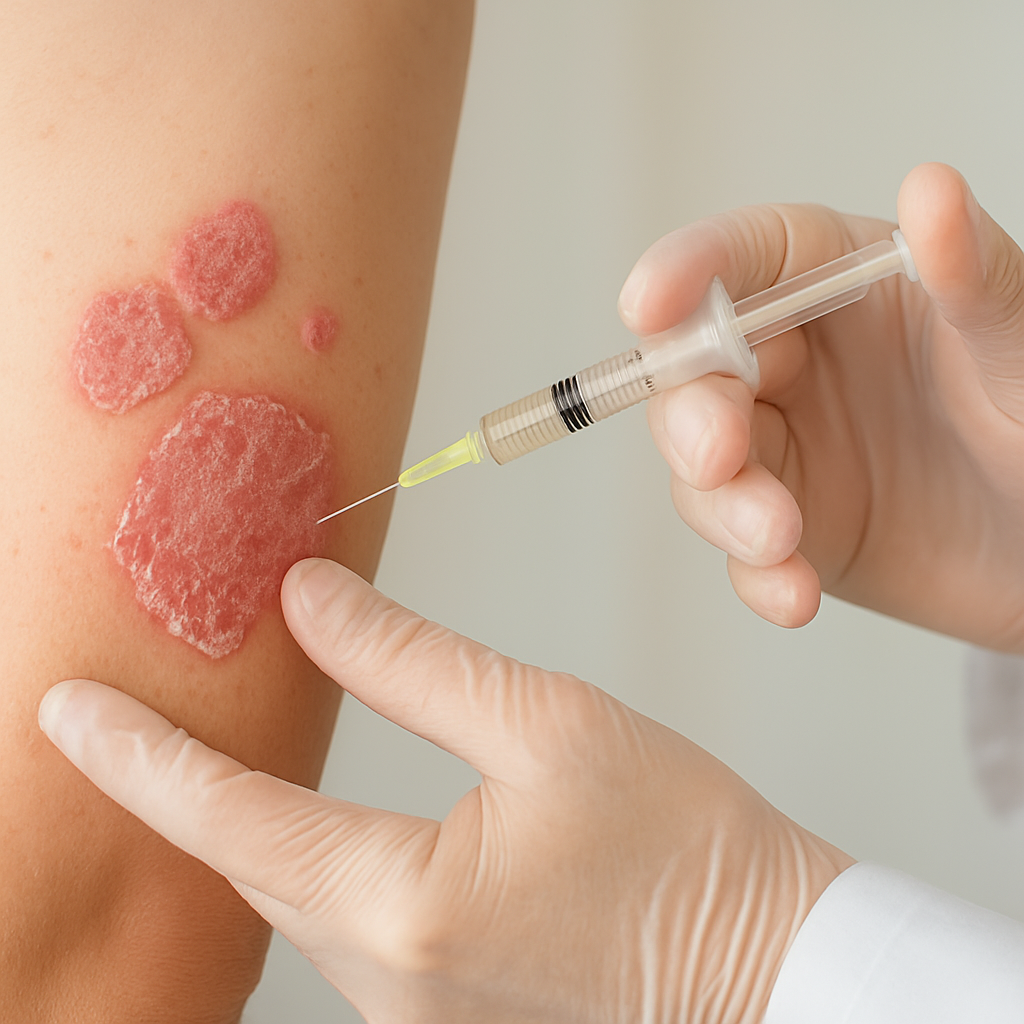
Your dermatologist injects the medication precisely into areas where plaque psoriasis has created those characteristic thick, red patches topped with silvery-white scales. The treatment specifically addresses the autoimmune dysfunction causing your skin cells to multiply up to ten times faster than normal. Unlike topical treatments that sit on the surface, these injections deliver anti-inflammatory medication directly into the affected tissue, helping flatten raised plaques and reduce the inflammation that can lead to visible scarring if left untreated.
How Cortisone Injections Work for Plaque Psoriasis

Cortisone injections target plaque psoriasis by delivering concentrated anti-inflammatory medication directly into affected skin areas. These powerful corticosteroid shots work at the cellular level to calm your overactive immune system, which is the root cause of psoriatic plaques on your elbows, knees, scalp, and lower back.
“Cortisone injections work at the cellular level to calm your overactive immune system.”
The medication slows down your body's accelerated skin cell production, which normally creates those thick, scaly patches you see. By reducing inflammation directly at the source, cortisone helps flatten raised plaques and reduces the redness that often causes social discomfort. For example, a single injection into a stubborn elbow plaque can begin showing visible improvement within days, helping restore smoother skin texture and reducing the appearance of obvious psoriatic lesions.
Benefits and Effectiveness
Cortisone shots deliver medication directly into thick, stubborn plaque psoriasis patches that resist other treatments. This targeted approach bypasses the skin barrier that often blocks topical medications from reaching deeper inflammation.
Patients typically experience rapid relief from burning, itching, and scaling within 48-72 hours. The visible flattening of raised plaques helps reduce the social embarrassment many people feel about their skin's appearance.
Dermatologists recommend cortisone injections when topical corticosteroids and vitamin D analogs haven't provided sufficient improvement after several weeks of consistent use, particularly for isolated thick plaques on elbows, knees, or scalp.
Who Should Consider Cortisone Shots
Cortisone injections work best for specific types of plaque psoriasis patients. You're an ideal candidate if you have thick, stubborn plaques that resist topical creams and ointments. These shots particularly help people with localized patches rather than widespread psoriasis covering large body areas.
Your dermatologist will likely recommend cortisone shots if your plaques appear on challenging spots like palms, soles, or fingernails where topical treatments struggle to penetrate effectively. For example, a thick plaque on your palm that interferes with gripping objects often responds well to direct injection.
Don't worry about permanent scarring from properly administered cortisone shots—they actually help prevent scarring by reducing the thick, raised tissue that characterizes stubborn plaques.
Potential Side Effects and Considerations

While cortisone shots are generally safe, they can cause temporary skin thinning at injection sites. This usually reverses within a few months after treatment ends. Some patients experience temporary color changes where the skin may appear lighter or darker than surrounding areas.
These injections work best for small, localized plaques rather than widespread psoriasis. Your doctor will limit the number of shots per year to minimize risks. Most side effects are temporary and won't cause permanent scarring when administered properly by experienced dermatologists.
What to Expect During Treatment
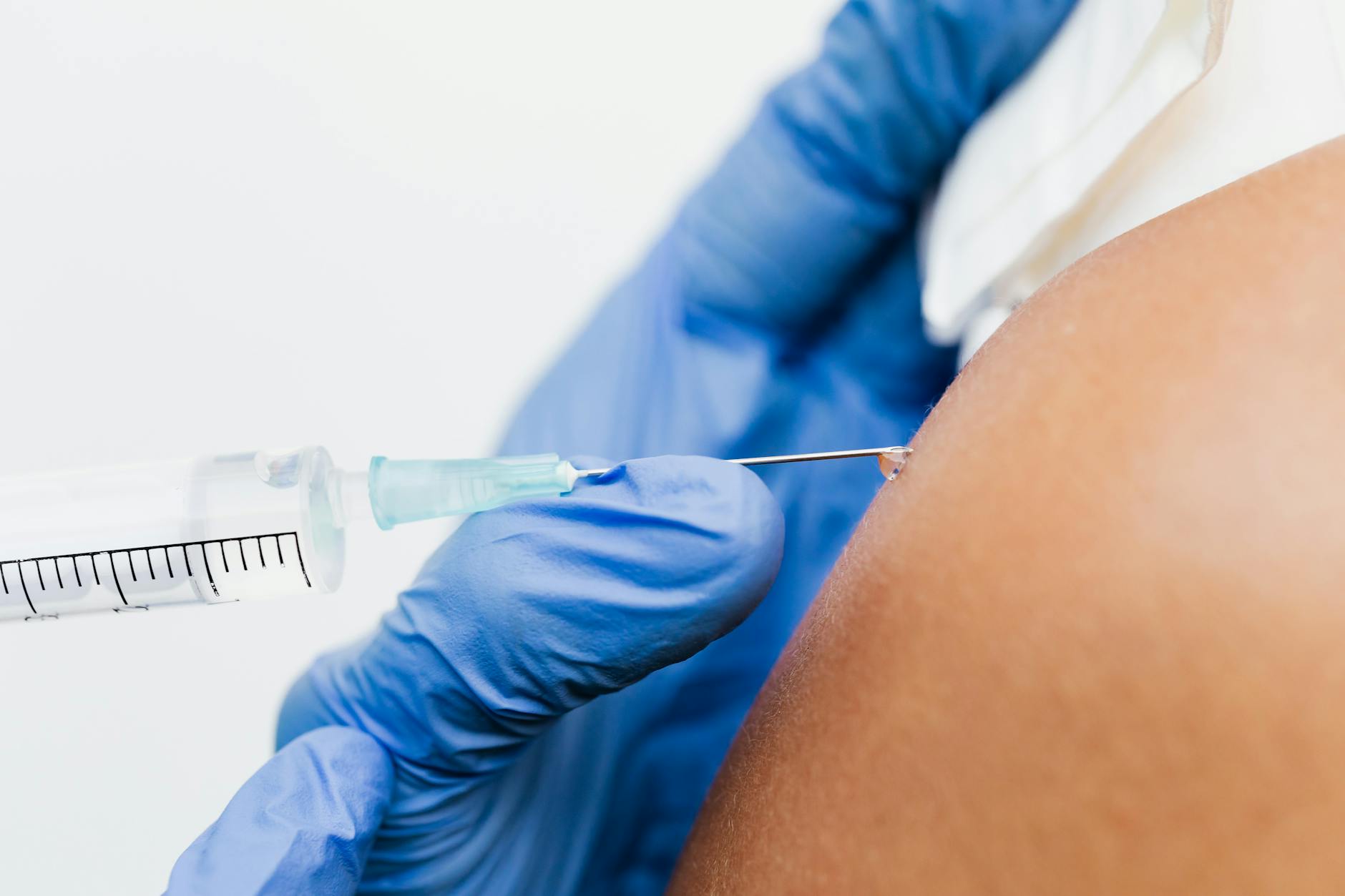
Cortisone shots for plaque psoriasis are quick office procedures that typically take just 5-10 minutes per session. Your dermatologist will clean the affected area, then inject the medication directly into the thick, scaly plaque using a thin needle. You'll feel a brief pinch, but most patients find the discomfort minimal and tolerable.
Your skin is cleaned and the injection site is marked.
The cortisone is injected directly into the plaque tissue.
You can return to normal activities immediately afterward.
Improvement typically begins within 3-7 days, with plaques becoming flatter and less red. Thicker plaques may require 2-3 treatment sessions spaced several weeks apart for complete clearance. Most patients see significant improvement that lasts 3-6 months, giving your skin time to heal without permanent scarring.
Cortisone shots offer fast relief for stubborn psoriasis plaques with minimal downtime and visible results within one week.
Frequently Asked Questions
What are cortisone shots for psoriasis?
Cortisone shots for psoriasis are targeted steroid injections delivered directly into thick, stubborn patches of psoriatic skin. These injections contain corticosteroids that work by calming the overactive immune system responsible for the rapid skin cell production that creates raised, scaly plaques. Unlike topical treatments that sit on the surface, these injections deliver anti-inflammatory medication directly into the affected tissue to help flatten raised plaques and reduce inflammation.
How quickly do cortisone shots work for psoriasis?
Patients typically experience rapid relief from burning, itching, and scaling within 48-72 hours of receiving a cortisone injection. A single injection into a stubborn plaque can begin showing visible improvement within days. Most patients see 75% improvement in their plaques within 4 weeks, with effects typically lasting around 6 months.
Who is a good candidate for cortisone shots for psoriasis?
You're an ideal candidate if you have thick, stubborn plaques that resist topical creams and ointments, particularly localized patches rather than widespread psoriasis. Dermatologists especially recommend cortisone shots for challenging spots like palms, soles, or fingernails where topical treatments struggle to penetrate effectively. These injections are typically recommended when topical corticosteroids and vitamin D analogs haven't provided sufficient improvement after several weeks of consistent use.
How do cortisone injections work for plaque psoriasis?
Cortisone injections work at the cellular level to calm your overactive immune system, which is the root cause of psoriatic plaques. The medication slows down your body's accelerated skin cell production and reduces inflammation directly at the source. This targeted approach bypasses the skin barrier that often blocks topical medications from reaching deeper inflammation, helping to flatten raised plaques and reduce redness.
Disclaimer: This content is for informational purposes only and does not constitute medical advice. Always consult a qualified healthcare provider before making health decisions.