What Are Cortisone Shot Injections?

Cortisone shot injections are direct medical treatments that deliver anti-inflammatory medication straight into problem areas of your skin. These injections contain corticosteroids, powerful synthetic versions of cortisol, a hormone your body naturally produces to reduce inflammation and calm overactive immune responses.
“Cortisone injections work by directly targeting inflammation at its source, offering faster results than surface treatments alone.”
Unlike topical corticosteroid creams that sit on your skin's surface, cortisone injections penetrate deep into the tissue where inflammation starts. This direct delivery method makes them particularly effective for stubborn cystic acne, keloid scars, and inflamed lesions that don't respond well to surface treatments. Think of topical treatments as painting over a problem, while injections address the issue from within.
The FDA classifies these injections as prescription medications, meaning only licensed healthcare providers can administer them. Dermatologists commonly use triamcinolone acetonide, a specific type of corticosteroid that's proven safe and effective for skin conditions. The concentration varies based on your specific needs and the severity of your condition.
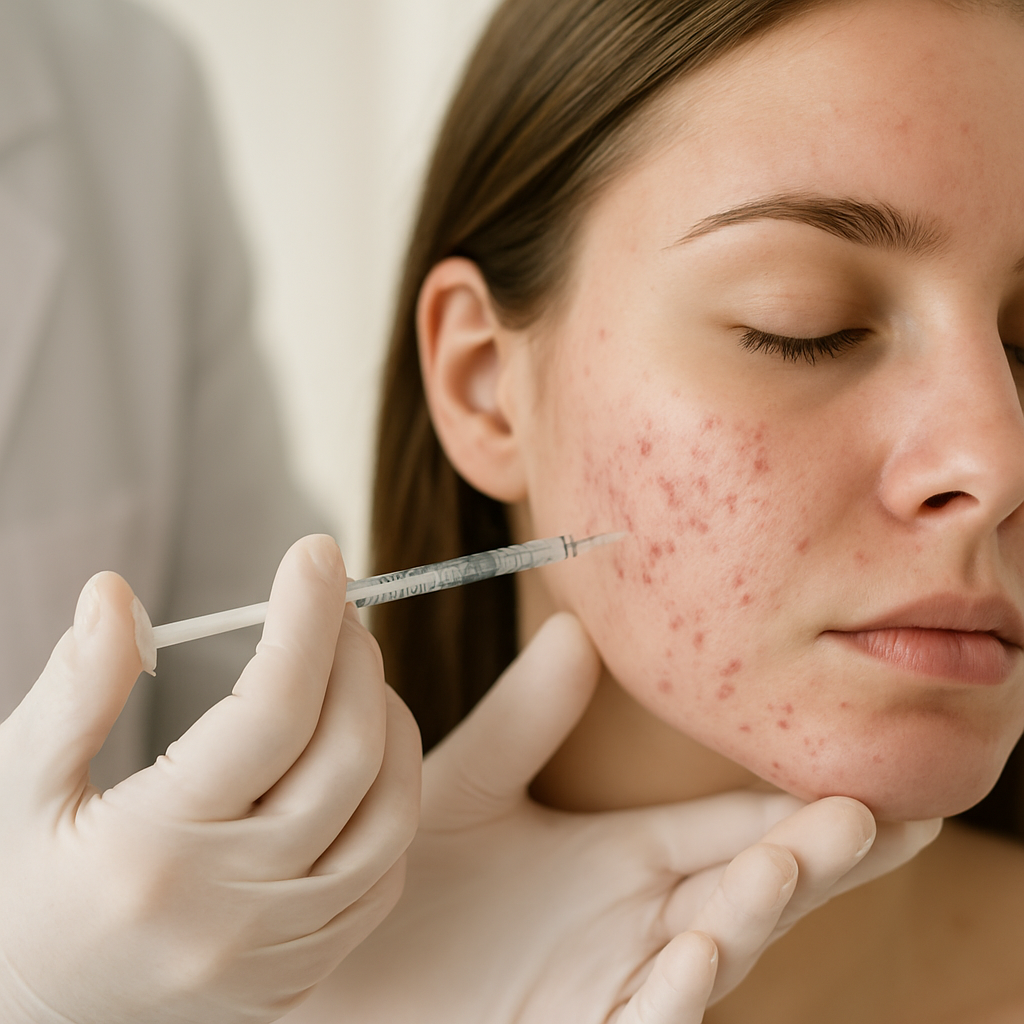
For patients worried about permanent scarring, cortisone injections often prevent the deep tissue damage that leads to lasting marks. A dermatologist injects a small amount directly into an inflamed lesion, which typically flattens within 24 to 72 hours. This rapid response helps minimize the risk of scarring while addressing the immediate concern that's causing social discomfort.
These treatments represent a middle ground between gentle topical care and more aggressive surgical interventions, offering targeted relief without systemic effects throughout your body.
How Cortisone Injections Work in Your Skin
When a dermatologist injects cortisone into a blemish, the medication immediately begins working to calm your skin's overactive immune response. Cortisone is a synthetic version of cortisol, a hormone your body naturally produces to reduce inflammation. The injection delivers a concentrated dose directly to the problem area, bypassing your digestive system for faster results.
“Cortisone injections work by suppressing the inflammatory cascade that creates painful, swollen acne lesions.”
Your skin reacts to acne bacteria and clogged pores by sending white blood cells to fight the perceived threat. This immune response causes the redness, swelling, and pain you feel with deep cystic acne. Cortisone interrupts this process by blocking inflammatory chemicals called cytokines and reducing blood vessel dilation around the injection site.
The anti-inflammatory mechanism works on multiple levels. Cortisone stabilizes cell membranes, prevents inflammatory cells from migrating to the area, and reduces the production of substances that trigger swelling. This targeted approach helps minimize the risk of permanent scarring by preventing the deep tissue damage that occurs when inflammation persists unchecked.
Most patients notice improvement within 24 to 48 hours as the lesion begins shrinking and becomes less tender. The full effect typically develops over three to five days, with the injected area gradually flattening and returning to normal skin tone. The medication continues working for several weeks, helping prevent the lesion from returning while your skin heals.
Types of Cortisone Used in Dermatology

Dermatologists use several different types of cortisone injections, each formulated for specific skin conditions and severity levels. The choice depends on your particular skin concern and how deep the treatment needs to penetrate.
Triamcinolone acetonide is the most commonly used cortisone for skin injections. It comes in different concentrations, typically ranging from 2.5 mg/mL for delicate facial areas to 40 mg/mL for thicker skin or stubborn lesions. Your dermatologist might use the lower concentration for acne cysts on your face to minimize the risk of skin thinning or indentations that could cause permanent scarring.
Betamethasone offers stronger anti-inflammatory power and works well for keloid scars or hypertrophic scars that haven't responded to other treatments. Hydrocortisone variations provide gentler options for sensitive areas or when multiple injections are needed over time.
The concentration matters significantly. Higher concentrations work faster but carry greater risks of side effects like skin atrophy or hypopigmentation. Your dermatologist will start with the lowest effective concentration to achieve clear skin while protecting your skin's integrity long-term.
Common Skin Conditions Treated with Cortisone Shots
Cortisone injections effectively treat several stubborn skin conditions that resist topical treatments. These targeted shots deliver anti-inflammatory medication directly to problem areas, offering faster results than creams or oral medications alone.
Cystic acne responds particularly well to cortisone injections. When you develop those deep, painful bumps under the skin, a dermatologist can inject diluted cortisone directly into the cyst. The inflammation reduces within 24-48 hours, and the lesion typically flattens without leaving the permanent scarring that untreated cystic acne often causes.
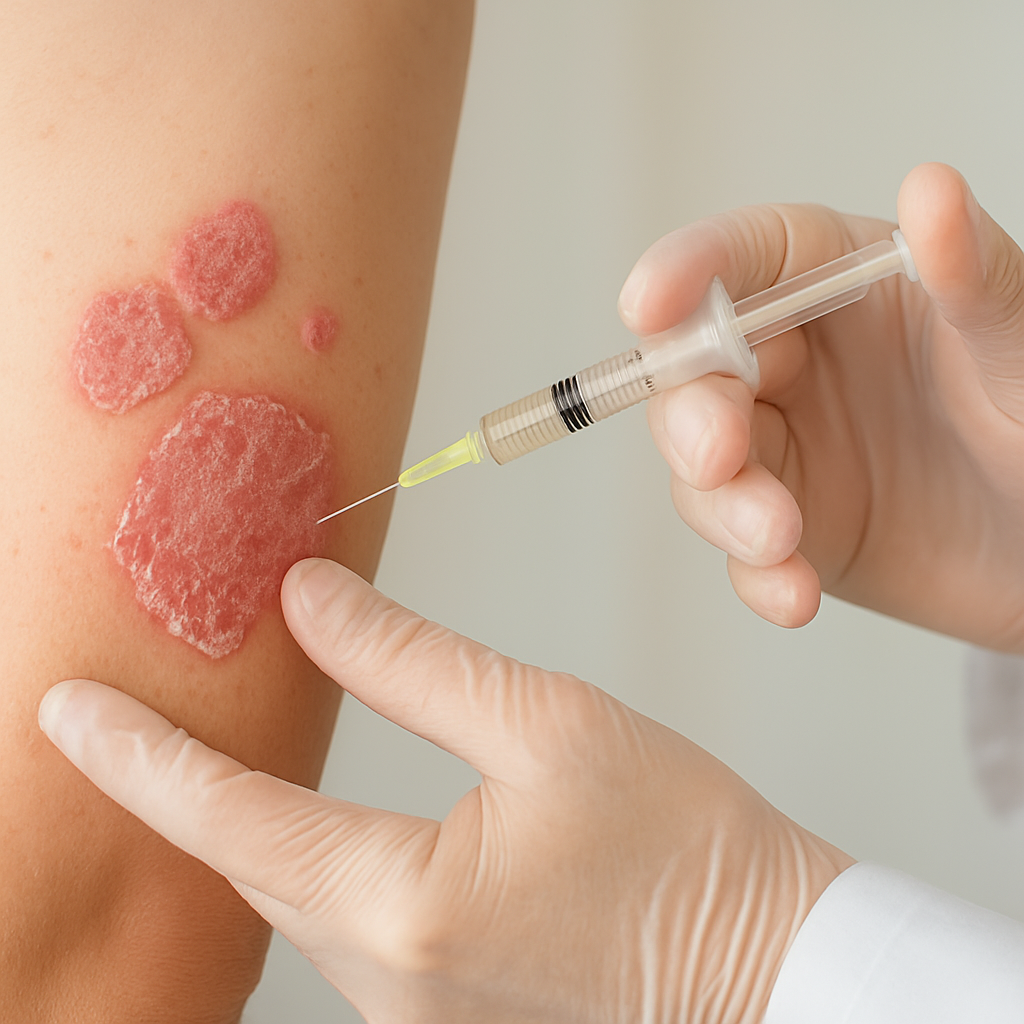
Psoriasis plaques that don't improve with topical steroids often shrink dramatically after cortisone shots. The injection breaks the cycle of inflammation that keeps these thick, scaly patches active. Dermatologists target the most visible or uncomfortable plaques first.
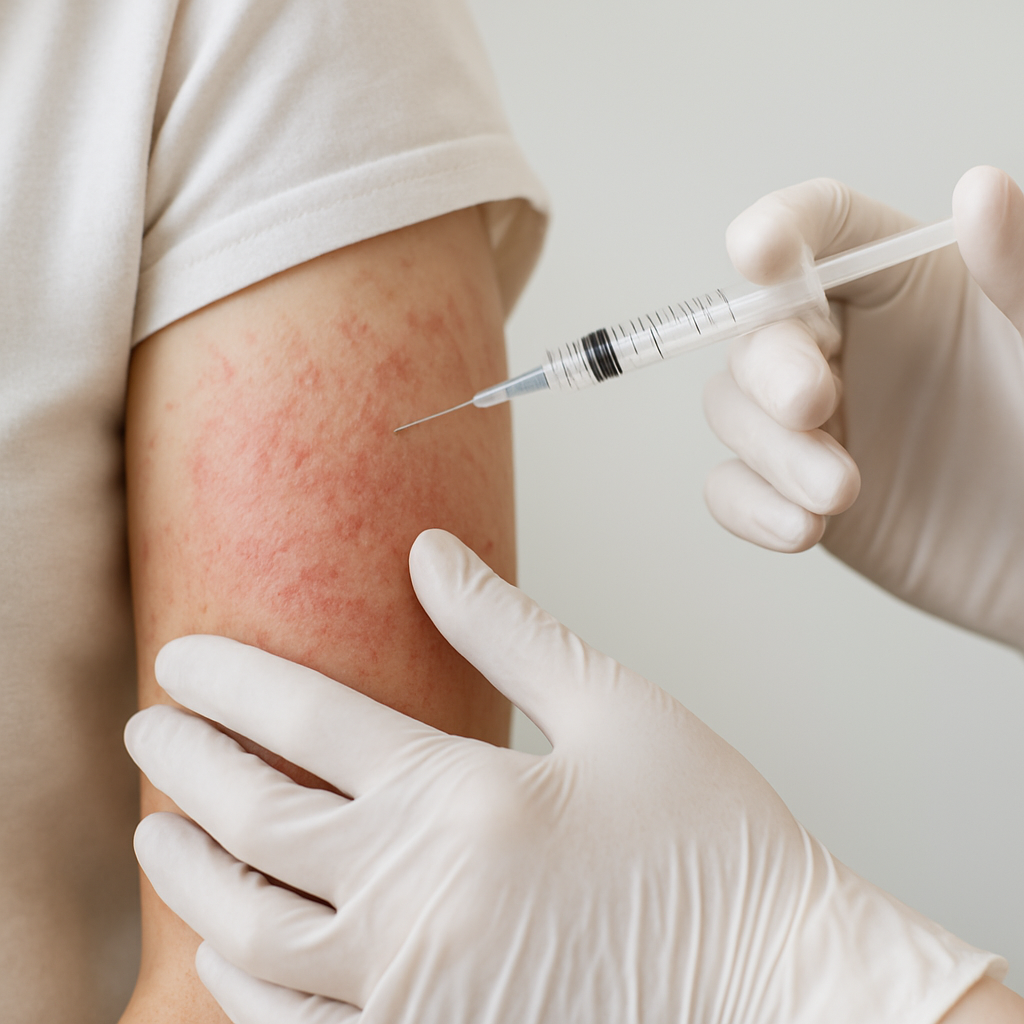
Atopic dermatitis flares benefit from cortisone injections when eczema patches become severely inflamed or infected. The shot calms the immune response causing the flare, allowing the skin barrier to heal properly.
Keloid scars flatten significantly with cortisone treatments. These raised, often itchy scars form when your body produces too much collagen during healing. Regular cortisone injections every 4-6 weeks can reduce keloid size and prevent regrowth after surgical removal.
Alopecia areata, which causes sudden hair loss patches, responds to cortisone shots injected into the scalp. The treatment suppresses the autoimmune attack on hair follicles, often triggering regrowth within 3-4 months. For example, a quarter-sized bald patch might show new hair growth after just two treatment sessions.
What to Expect During Treatment
Understanding what happens during a cortisone injection helps reduce anxiety and ensures you're prepared for the experience. The actual procedure is straightforward and typically takes just a few minutes in your dermatologist's office.
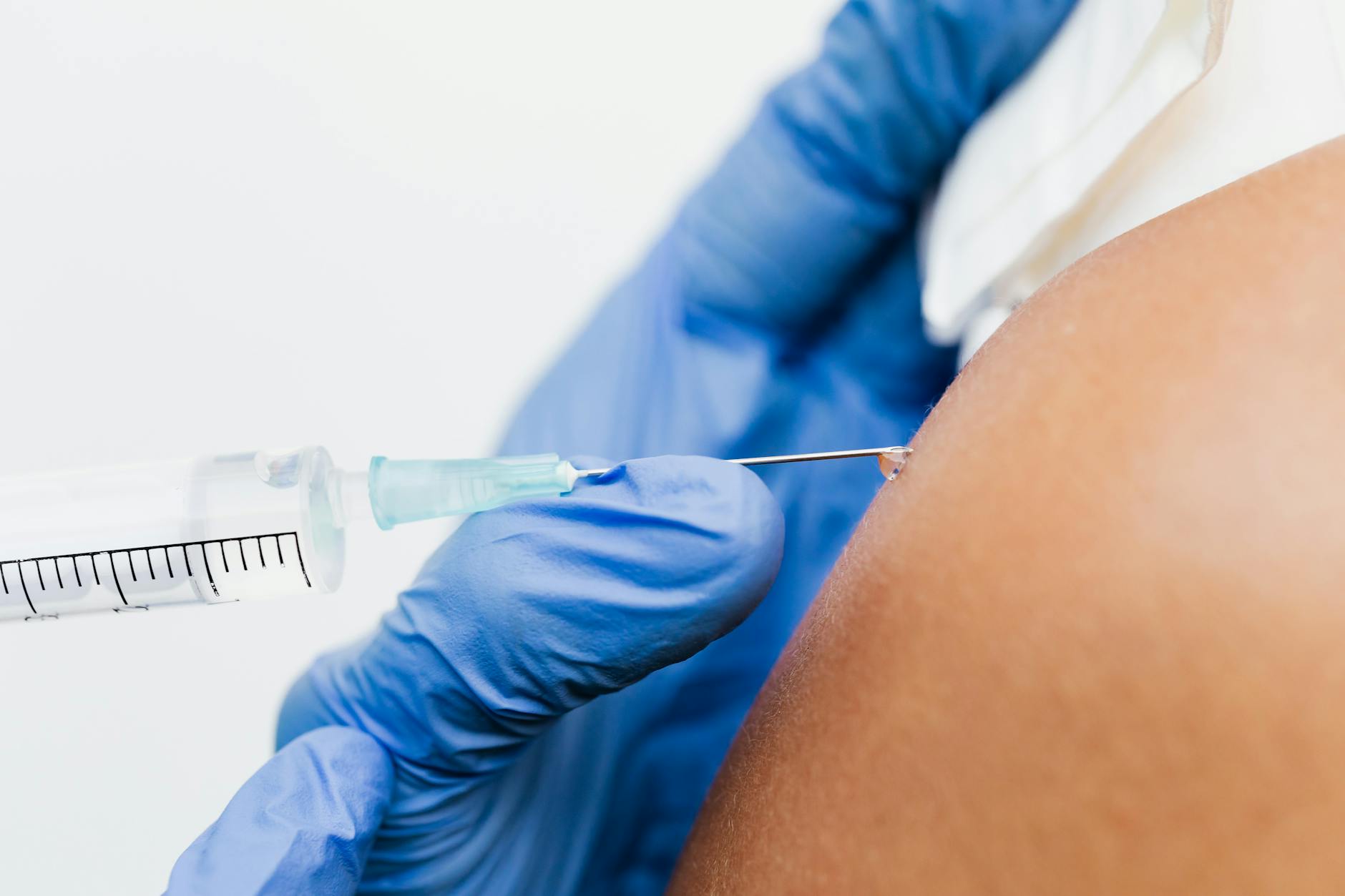
Your doctor will first clean the injection site with an antiseptic solution. Using a very fine needle, they'll inject a small amount of cortisone directly into the lesion or affected area. The injection technique varies slightly depending on the condition being treated - shallow injections for surface conditions like eczema, or deeper injections for cysts or nodular acne.
Most patients describe the pain as a brief pinch or burning sensation that subsides quickly. The discomfort is generally less intense than the original skin condition itself. Some areas, like the scalp or joints, may be slightly more sensitive than others.
Immediately after injection, you might notice slight swelling or redness at the site. This is completely normal and usually resolves within a few hours. Apply ice for 10-15 minutes if needed, and avoid touching or rubbing the area.
While cortisone injections are designed to improve your skin's appearance and won't cause permanent scarring when administered properly, watch for signs that warrant immediate attention. Contact your dermatologist if you experience severe pain, excessive swelling, signs of infection, or any unusual reactions that persist beyond 48 hours.
Alternatives to Cortisone Injections

Several effective treatments exist beyond cortisone injections, each targeting specific skin concerns through different mechanisms. Understanding these options helps you make informed decisions about your skincare journey.
Topical corticosteroids offer a gentler approach for inflammatory conditions like eczema or dermatitis. These creams and ointments deliver anti-inflammatory benefits directly to affected areas without injection discomfort. They work well for widespread skin issues that would require multiple injection sites.
Chemical Peels address acne scars and texture issues through controlled acid treatments that remove damaged skin layers. This process improves skin appearance through chemical exfoliation, targeting concerns like uneven tone, fine lines, and scarring. The treatment requires skin preparation and sun protection afterward, but results become visible within 1-4 weeks depending on peel depth.
Oral medications like antibiotics or hormonal treatments target underlying causes of skin inflammation. These systemic approaches work well for widespread acne or conditions requiring internal treatment rather than localized injection therapy.
Other injectable options include hyaluronic acid fillers for volume restoration or botulinum toxin for dynamic wrinkles. Each injectable serves different purposes than cortisone's anti-inflammatory action.
Your dermatologist will recommend the most appropriate treatment based on your specific condition, severity, and treatment goals rather than using a one-size-fits-all approach.
When to Consider Cortisone Shot Injections
Cortisone injections work best for specific types of acne lesions, particularly large, painful cysts that haven't responded to topical treatments. You're an ideal candidate if you have deep, inflamed breakouts that persist despite consistent skincare routines or if you need quick results for an important event.
Timing matters significantly. Consider cortisone shots when you notice a cyst forming early, as treatment within the first few days produces better results. If you're dealing with stubborn nodules that have lasted weeks or cysts that keep returning in the same spots, professional intervention becomes necessary.
Your readiness for treatment depends on realistic expectations and commitment to proper aftercare. Ask your dermatologist about potential side effects, how many sessions you might need, and what to expect during healing. Understanding that cortisone shots address individual lesions rather than preventing future breakouts helps you make informed decisions about your acne management strategy.
Cortisone shots are most effective for large, painful cysts when administered early in their development by a qualified dermatologist.
Frequently Asked Questions
What are cortisone shot injections for skin?
Cortisone shot injections are direct medical treatments that deliver anti-inflammatory medication straight into problem areas of your skin. These injections contain corticosteroids, powerful synthetic versions of cortisol, which your body naturally produces to reduce inflammation and calm overactive immune responses. Unlike topical creams that sit on the surface, cortisone injections penetrate deep into the tissue where inflammation starts.
How fast do cortisone injections work for acne?
Most patients notice improvement within 24 to 48 hours as the lesion begins shrinking and becomes less tender. The full effect typically develops over three to five days, with the injected area gradually flattening. For inflamed lesions, the area typically flattens within 24 to 72 hours after injection.
How do cortisone injections work in the skin?
Cortisone interrupts the inflammatory process by blocking inflammatory chemicals called cytokines and reducing blood vessel dilation around the injection site. The medication calms your skin's overactive immune response by stabilizing cell membranes and preventing inflammatory cells from migrating to the area. This targeted approach delivers concentrated anti-inflammatory medication directly to the problem area for faster results than topical treatments.
Do cortisone injections prevent acne scarring?
Yes, cortisone injections often prevent the deep tissue damage that leads to lasting marks and permanent scarring. The rapid response helps minimize the risk of scarring while addressing the immediate inflammation that causes social discomfort. This targeted approach helps prevent the deep tissue damage that occurs when inflammation persists unchecked.
Who can give cortisone injections for skin problems?
Only licensed healthcare providers can administer cortisone injections since the FDA classifies them as prescription medications. Dermatologists commonly use triamcinolone acetonide, a specific type of corticosteroid that's proven safe and effective for skin conditions. The concentration varies based on your specific needs and the severity of your condition.
Disclaimer: This content is for informational purposes only and does not constitute medical advice. Always consult a qualified healthcare provider before making health decisions.