What Are Dermal Filler Treatment Areas

Dermal filler treatment areas refer to specific regions of the face where injectable fillers can be safely and effectively administered to restore volume, smooth wrinkles, or enhance facial features. These areas are carefully mapped by medical professionals based on facial anatomy, blood vessel locations, and the depth of underlying tissues.
“Understanding treatment zones helps ensure both safety and natural-looking results.”
Your face is divided into distinct zones, each requiring different injection techniques and filler types. Common treatment areas include the cheeks, nasolabial folds, lips, under-eye hollows, jawline, and temples. Each zone has unique characteristics that influence how fillers behave and integrate with existing tissue.
Safety considerations vary significantly between treatment areas. Some regions, like the lips and cheeks, are considered lower-risk zones, while areas near major blood vessels require extra caution. Professional practitioners assess factors like skin thickness, muscle movement, and vascular anatomy before determining appropriate treatment approaches. This careful evaluation helps minimize risks and ensures optimal outcomes for each specific facial zone.
Upper Face Treatment Areas

The upper portion of your face contains several key areas where dermal fillers can create dramatic improvements. These zones typically show the first signs of aging as facial fat naturally diminishes over time, creating hollows and loss of youthful volume.
“Temple fillers can instantly restore the youthful fullness that makes your entire face appear more balanced and refreshed.”
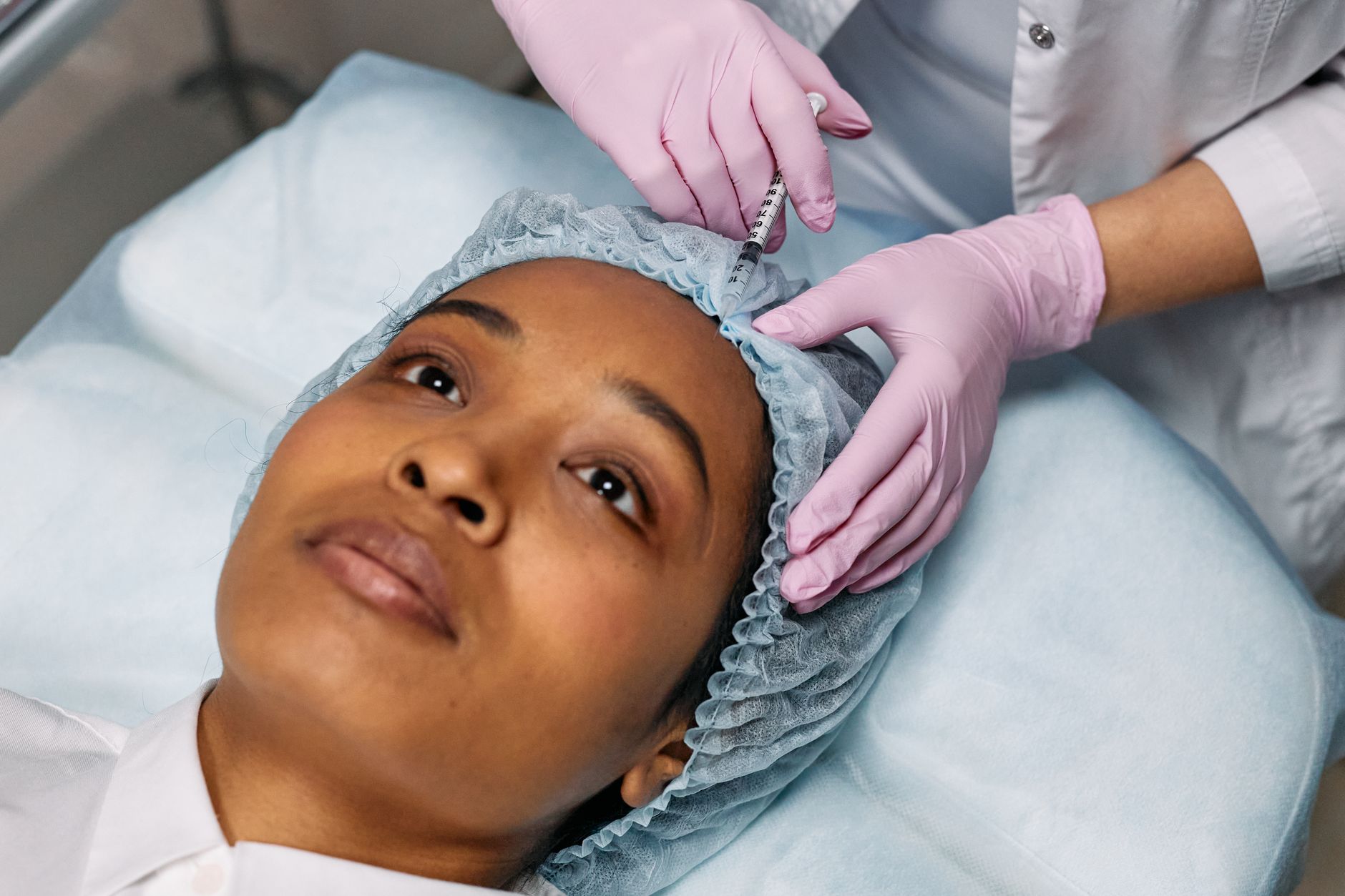
Temple hollowing creates shadows that age your appearance significantly. Dermal fillers strategically placed in the temporal region restore the gentle curve that frames your eyes beautifully. This treatment often surprises patients with how much younger it makes them look without appearing overdone.
Forehead volume restoration addresses the flattening that occurs as we age. Skilled practitioners use fillers to recreate natural contours, softening harsh lines while maintaining your facial expressions. The results appear completely natural when performed correctly.
Under-eye tear trough treatment targets those persistent dark circles and hollows beneath your eyes. While this area requires exceptional expertise to avoid complications, successful treatment eliminates the tired appearance that makeup cannot fully conceal. The transformation often exceeds patient expectations.
Dermal fillers can also create subtle brow lift effects by supporting the tissue above your eyebrows. This technique opens up your eye area without surgery, creating a more alert and youthful expression that enhances your natural beauty.
Mid-Face Treatment Areas
The mid-face region represents one of the most transformative areas for dermal filler treatment. This central zone of your face includes the cheeks, nasolabial folds (smile lines), and marionette lines that frame your mouth. These areas naturally lose volume and elasticity over time, creating a tired or aged appearance.
Cheek volume enhancement forms the cornerstone of mid-face rejuvenation. Dermal fillers restore the natural fullness that diminishes with age, lifting sagging skin and creating better facial proportions. The treatment targets the apple of the cheek and the cheekbone area to rebuild lost structure.
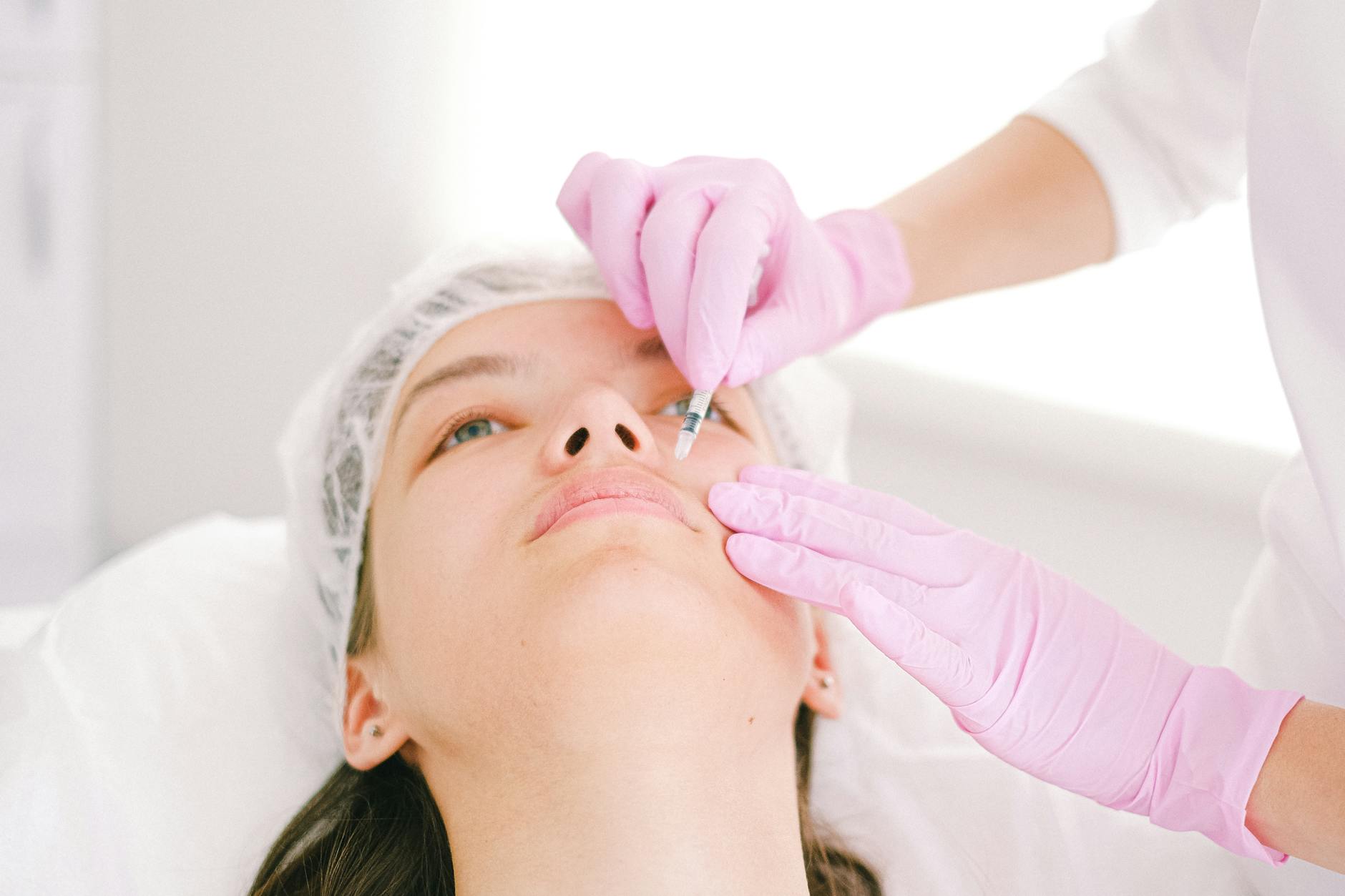
Nasolabial fold reduction addresses those pronounced lines running from your nose to the corners of your mouth. Modern injection techniques use small amounts of filler placed strategically beneath these lines to smooth their appearance without creating an unnatural look.
Marionette line treatment targets the vertical lines extending downward from the mouth corners. These lines can make you appear sad or stern even when relaxed. Professional treatment uses precise placement to soften these lines while maintaining natural facial movement.
For example, a 45-year-old patient might receive cheek filler to restore volume, combined with targeted injections for smile lines, creating a comprehensive mid-face refresh that looks completely natural.
Lower Face Treatment Areas
The lower face offers multiple opportunities for enhancement through dermal fillers, targeting areas that significantly impact your overall facial harmony. These treatments focus on structural improvements and subtle refinements that create natural-looking results.
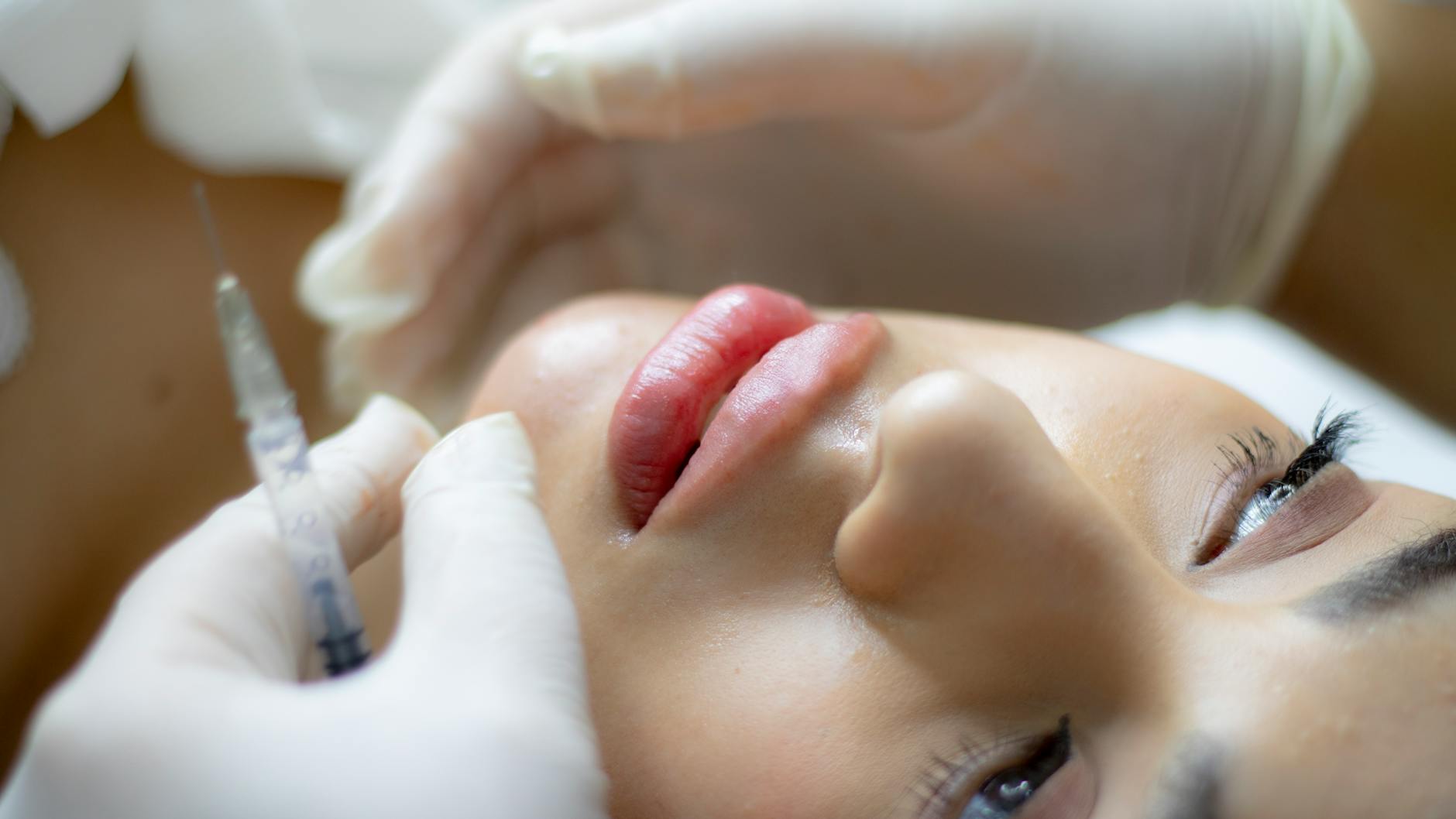
Lip enhancement represents the most popular lower face treatment, addressing both volume and shape. Fillers can add fullness to thin lips, correct asymmetry, or enhance the lip border for better definition. For example, treating the vermillion border creates sharper lip edges, while adding volume to the body of the lips provides a fuller appearance without looking overdone.
Chin projection treatments strengthen weak chins and improve facial proportions. Strategic filler placement can create the appearance of a stronger jawline and better balance between your upper and lower face features.
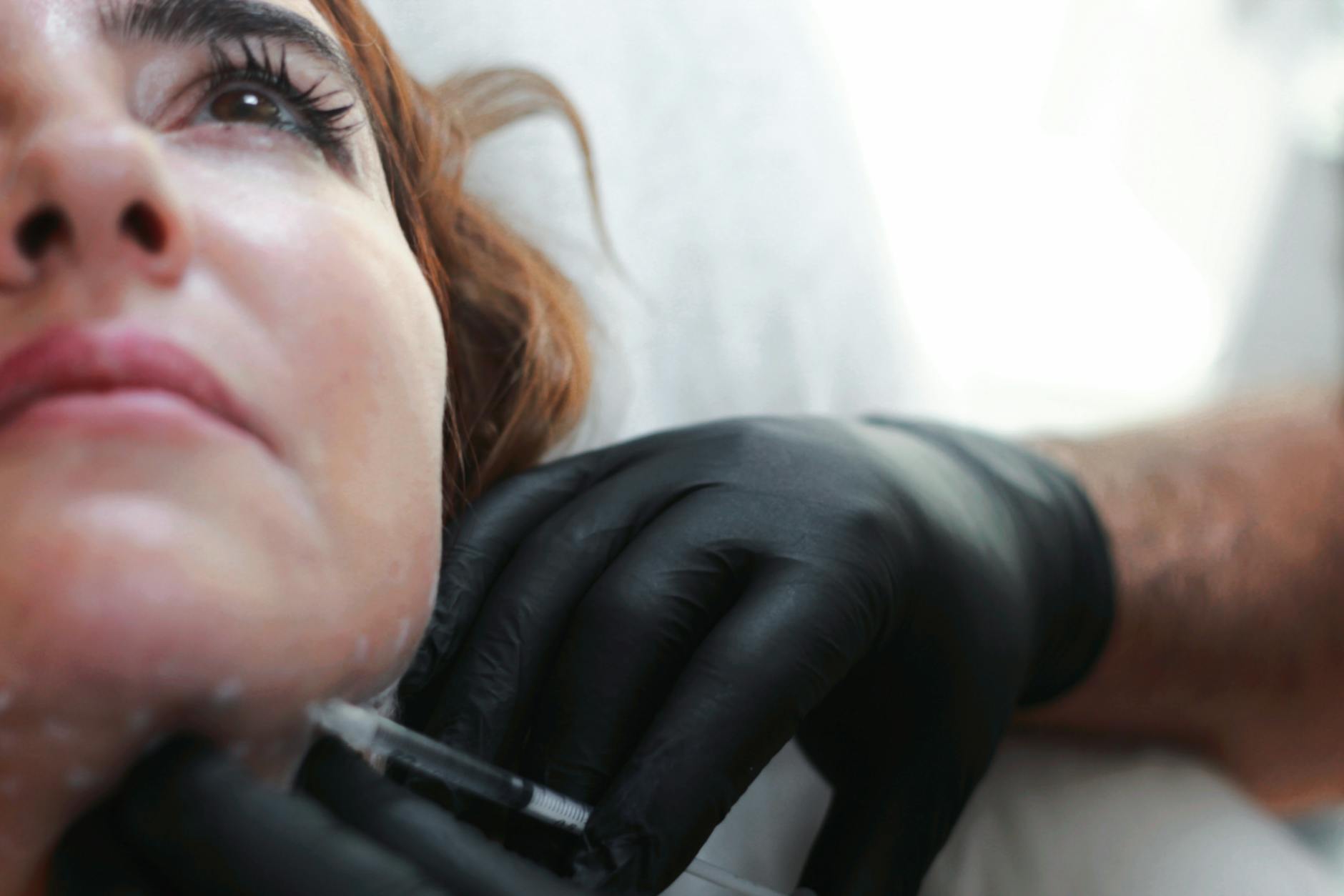
Jawline contouring addresses age-related volume loss and creates masculine or feminine jaw definition as desired. These treatments can also minimize jowls by supporting sagging skin with strategic volume placement. Modern techniques ensure results appear natural rather than artificial, addressing concerns about permanent changes or obvious alterations to your appearance.
Choosing the Right Areas for Your Goals

Your face ages in predictable patterns, making some areas more urgent than others. Most people notice changes around their eyes first, followed by volume loss in the cheeks and deeper lines around the mouth. Understanding your unique aging pattern helps you prioritize which areas need attention most.
Different age groups typically benefit from different approaches. People in their 30s often focus on prevention with subtle lip enhancement and early crow's feet treatment. Those in their 40s usually target mid-face volume restoration and nasolabial folds. By the 50s and beyond, comprehensive treatment often includes jawline definition and significant volume replacement.
Combining multiple areas in one session is generally safe and cost-effective. Your provider can treat up to three areas simultaneously while maintaining natural results. Budget constraints often require prioritizing - start with the area that bothers you most, then gradually address others over time.
Consider complementary treatments like Chemical Peels for overall skin texture improvement alongside targeted filler placement for optimal results.
What to Expect During Treatment
Your dermal filler journey begins with a detailed consultation where your provider maps your face and discusses realistic outcomes. They'll explain which areas will benefit most from treatment and create a personalized plan that addresses your specific concerns.
Your provider evaluates your facial structure and discusses your goals to create a customized treatment plan.
The procedure typically takes 15-30 minutes with topical numbing to minimize discomfort during injection.
Mild swelling and bruising may occur for 24-48 hours, with most activities resuming immediately.
Results appear gradually over 1-2 weeks as the filler settles naturally. While serious complications are rare when performed by qualified professionals, following aftercare instructions helps prevent issues and ensures optimal healing. Most patients see improvements lasting 6-18 months depending on the product used and treatment area.
Choose an experienced, board-certified provider to minimize risks and achieve the natural-looking results you want.
Frequently Asked Questions
What are dermal filler treatment areas?
Dermal filler treatment areas refer to specific regions of the face where injectable fillers can be safely and effectively administered to restore volume, smooth wrinkles, or enhance facial features. These areas are carefully mapped by medical professionals based on facial anatomy, blood vessel locations, and the depth of underlying tissues. Common treatment areas include the cheeks, nasolabial folds, lips, under-eye hollows, jawline, and temples.
Which areas of the face can be treated with dermal fillers?
Dermal fillers can be used to treat multiple areas including the upper face (temples, forehead, under-eye tear troughs, and brow area) and mid-face regions (cheeks, nasolabial folds, and marionette lines). Each zone has unique characteristics that influence how fillers behave and integrate with existing tissue. Professional practitioners assess factors like skin thickness, muscle movement, and vascular anatomy before determining appropriate treatment approaches.
Are dermal filler treatments safe for all facial areas?
Safety considerations vary significantly between different treatment areas on the face. Some regions, like the lips and cheeks, are considered lower-risk zones, while areas near major blood vessels require extra caution. Professional practitioners carefully evaluate each area to minimize risks and ensure optimal outcomes for each specific facial zone.
What can temple filler treatments do for my appearance?
Temple fillers restore the youthful fullness in the temporal region, addressing temple hollowing that creates shadows and ages your appearance significantly. The treatment strategically restores the gentle curve that frames your eyes beautifully. This often surprises patients with how much younger it makes them look without appearing overdone.
How effective are dermal fillers for cheek enhancement?
Cheek volume enhancement with dermal fillers forms the cornerstone of mid-face rejuvenation and represents one of the most transformative treatment areas. The fillers restore natural fullness that diminishes with age, lifting sagging skin and creating better facial proportions. Treatment targets both the apple of the cheek and the cheekbone area to rebuild lost facial structure.
Disclaimer: This content is for informational purposes only and does not constitute medical advice. Always consult a qualified healthcare provider before making health decisions.